Can Spark Plugs Last 200000 Miles Without Any Issues
Can Spark Plugs Last 200000 Miles? The short answer is yes, but only with the right long-life spark plugs and proper engine care. Modern iridium and platinum spark plugs are built to endure extreme heat and wear, making 200,000-mile spark plug life a realistic goal for many vehicles. In this guide, you will learn exactly how extended spark plug life works, which cars can handle it, and what you must do to avoid early failure.
Can Spark Plugs Last 200000 Miles? It sounds almost too good to be true. Yet, with today’s advanced materials, many drivers are asking this exact question. The idea of never worrying about spark plug replacement for over 150,000 miles feels like a dream. But is it really possible? The answer depends on the type of spark plug you choose and how well you maintain your engine. In this article, we will explore whether long-life spark plugs can truly deliver 200,000 miles of service. You will learn about the technology behind them, which engines can handle them, and how to spot early signs of wear. We will also share practical tips to help you get the most out of your ignition system.
Most people don’t think about spark plugs until something goes wrong. A rough idle or a misfire can ruin your morning. But spark plugs are the heartbeat of your engine. They ignite the air-fuel mixture in each cylinder, creating the power that moves your car. When they fail, your engine struggles. That is why choosing the right spark plug type matters so much. If you want to skip frequent trips to the auto shop, you need to understand what makes some plugs last longer than others. Let us dive into the world of extended spark plug life and see if 200,000 miles is within reach.
Key Takeaways
- Long-life spark plugs like iridium and platinum can genuinely last 200,000 miles under ideal conditions.
- Not every engine is compatible; modern fuel-injected engines with proper timing are best suited.
- Regular maintenance, including checking the spark plug gap and keeping the engine clean, is essential.
- Early warning signs include misfires, rough idling, and a noticeable drop in fuel economy.
- The upfront cost is higher, but you save money on labor and replacement parts over time.
- Always consult your owner’s manual before switching to extended-life spark plugs.
- Using the wrong spark plug type can cause engine damage and void your warranty.
📑 Table of Contents
- Can Spark Plugs Last 200000 Miles? The Technology Behind Long-Life Plugs
- Can Your Engine Actually Handle Spark Plugs That Last This Long?
- Warning Signs That Your Spark Plugs Are Failing Early
- How to Make Spark Plugs Last as Long as Possible
- Are 200,000-Mile Spark Plugs Worth the Investment?
- Conclusion
Can Spark Plugs Last 200000 Miles? The Technology Behind Long-Life Plugs
The secret to a 200,000-mile spark plug lies in its design and materials. Not all plugs are created equal. Standard plugs wear out quickly because they use softer metals. Long-life plugs use precious metals that resist heat and erosion. Understanding this helps you make a smart choice for your car.
Why Standard Copper Plugs Don’t Last Long
Copper core spark plugs are the most common type. They are affordable and conduct electricity well. But the copper electrode wears down fast. After about 30,000 miles, the gap widens and performance drops. You will notice rough idling and poor fuel economy. These plugs are great for older engines with simple ignition systems. However, they are not built for extended spark plug life. If you want to go 200,000 miles, copper plugs are not the answer.
Iridium and Platinum: The Champions of Longevity
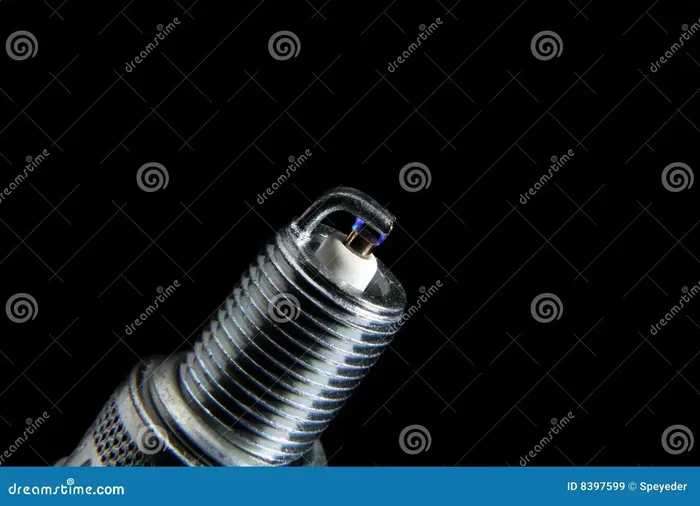
Iridium and platinum spark plugs are the gold standard for long-distance driving. Iridium is harder than copper and platinum. It can withstand extreme combustion temperatures. Platinum also has a high melting point and resists carbon buildup. Both metals slow down electrode erosion. This means the spark plug gap stays consistent for a very long time. Many manufacturers now use double platinum or single platinum designs in new vehicles. These are the plugs that make 200,000-mile spark plug life possible.
How Electrode Design Reduces Wear
Modern long-life spark plugs feature a thin, fine-wire electrode. This design creates a stronger spark with less energy. A stronger spark burns fuel more completely. That improves engine performance and fuel efficiency. It also reduces the stress on the electrode itself. Less stress means slower wear. Some plugs use a projected nose design that keeps the electrode cooler. This further extends the spark plug lifespan. The combination of advanced metals and smart design is what allows a spark plug lasting 200,000 miles to work reliably.
| Spark Plug Type | Avg Lifespan | Electrode Material | Best For | Cost Range |
|---|---|---|---|---|
| Copper Core | 20,000–30,000 miles | Copper center electrode | Older engines, standard driving | $5–$10 per plug |
| Single Platinum | 60,000–100,000 miles | Platinum center electrode | Modern fuel-injected engines | $10–$20 per plug |
| Double Platinum | 100,000–120,000 miles | Platinum on both electrodes | Waste-spark ignition systems | $15–$25 per plug |
| Iridium | 100,000–200,000+ miles | Iridium center electrode | High-performance and long-life applications | $20–$40 per plug |
Can Your Engine Actually Handle Spark Plugs That Last This Long?
Even the best long-life spark plugs cannot perform miracles. Your engine must be compatible with extended service intervals. Not every car can go 200,000 miles on a single set of plugs. The engine’s design, fuel system, and combustion chamber condition all play a role. Let us look at what makes an engine ready for this kind of durability.
Compatibility with Modern Fuel-Injected Engines
Most cars built after 2000 use fuel injection and electronic ignition. These systems deliver a precise air-fuel mixture. They also provide a consistent spark. This creates a cleaner burn that reduces carbon deposits. Clean combustion means less fouling of the spark plug. As a result, the electrode stays clean and the gap stays correct. If your car has a distributor-less ignition system, it is a good candidate for spark plugs lasting 200,000 miles. Older cars with points and condensers may not be suitable.
The Role of Engine Timing and Combustion
Engine timing must be spot on for long-life plugs to work. If the timing is off, the combustion temperature can spike. Excessive heat melts electrode material. It also accelerates carbon buildup. A well-tuned engine runs cooler and cleaner. That protects your spark plugs. Regular maintenance of the ignition coil and oxygen sensors also helps. These parts ensure the engine runs at peak efficiency. When everything works together, the spark plug lifespan can reach the upper limits of the manufacturer’s rating.
Common Mistakes That Shorten Spark Plug Life
Many drivers unknowingly damage their spark plugs. One common mistake is using the wrong heat range. A plug that is too cold will collect carbon. A plug that is too hot can pre-ignite and melt. Another mistake is ignoring the spark plug gap. The gap must match the engine’s specifications. Too wide a gap causes misfires. Too narrow a gap weakens the spark. Always use OEM spark plugs or high-quality aftermarket spark plugs that meet the exact specifications. Skipping this step can cut your extended spark plug life in half.
Quick Tip: Always check the spark plug gap with a feeler gauge before installing new plugs. A small adjustment can prevent big problems later.
Warning Signs That Your Spark Plugs Are Failing Early
Even long-life spark plugs can fail before their time. Engine problems, poor fuel quality, or missed maintenance can cause premature wear. Knowing the warning signs helps you catch trouble early. Catching a problem early saves you from costly repairs and keeps your engine running smoothly.
Misfires and Rough Idling
A misfire is the most common sign of a failing spark plug. You will feel a jerky motion during acceleration. The engine may shake while idling. This happens when the spark plug cannot ignite the fuel properly. Unburned fuel enters the exhaust system. This can damage the catalytic converter over time. If you notice a misfire, do not ignore it. Have a mechanic check the ignition system right away. A single misfire can increase harmful emissions significantly.
Increased Fuel Consumption
Worn spark plugs cause incomplete combustion. That means you burn more fuel than necessary. You might notice you are visiting the gas station more often. Poor fuel economy is a clear signal that your spark plug wear has begun. Even a slight gap increase can reduce efficiency. If your fuel economy drops by more than 10%, it is time to inspect your plugs. Replacing them early can restore your fuel economy and engine performance.
Difficulty Starting the Engine
When spark plugs are fouled or worn, starting the car becomes harder. You might hear the engine crank slowly or struggle to turn over. This is especially common in cold weather. Carbon buildup on the electrode blocks the spark. A strong spark is essential for quick starts. If your car takes longer to start than usual, the spark plug replacement interval may have arrived. Do not wait until the car refuses to start.
Expert Insight: ASE-certified technicians often say that a single misfire can increase emissions by up to 50%. Keeping your ignition system in top shape is not just about performance; it is about protecting the environment.
How to Make Spark Plugs Last as Long as Possible
Getting 200,000 miles out of your spark plugs requires more than just buying the right type. You must follow a few simple maintenance habits. These steps protect your investment and keep your engine healthy for the long haul.
Stick to the Manufacturer’s Maintenance Schedule
Your owner’s manual is your best guide. It lists the recommended spark plug replacement interval for your specific engine. Some manufacturers say 100,000 miles, others say 120,000 miles. Always follow these guidelines. If you want to push beyond the standard interval, use plugs that are rated for higher mileage. Never assume that long-life plugs can go forever without any inspection. Regular checks are still important.
Keep the Engine Clean and Cool
A clean engine runs cooler and more efficiently. Change your oil on time. Fresh oil reduces carbon buildup in the combustion chamber. Check your cooling system regularly. Overheating can damage spark plugs and other engine parts. Use quality fuel with detergents. Clean fuel injectors ensure a proper air-fuel mixture. When the combustion process is clean, your long-life spark plugs stay in great condition for much longer.
Use Quality Fuel and Replacement Parts
Not all spark plugs are the same. Choose OEM spark plugs or trusted aftermarket brands. Cheap, low-quality plugs may save money upfront but fail early. They can also cause engine damage. When you buy iridium spark plugs or platinum spark plugs, make sure they are from a reputable manufacturer. Look for certifications and warranty information. Using the right parts is one of the easiest ways to protect your engine and extend the spark plug lifespan.
Quick Tip: Replace spark plugs in pairs or all at once. This ensures even performance across all cylinders. Mismatched plugs can cause vibrations and uneven wear.
Common Mistake: Many people reuse old spark plug wires or coils with new plugs. If your ignition coil is weak, it puts extra stress on the new plugs. Always inspect the entire ignition system when replacing plugs.
Are 200,000-Mile Spark Plugs Worth the Investment?
The upfront cost of iridium or platinum plugs is higher than copper. A set of long-life plugs can cost $60 to $120 or more. Standard copper plugs cost around $20 to $30 for a set. So is the extra cost worth it? Let us break down the numbers and the benefits.
Cost Comparison: Frequent Replacement vs. Long-Life Plugs
Imagine you drive 20,000 miles per year. With copper plugs, you replace them every 30,000 miles. That means 6 to 7 replacements over 200,000 miles. Each replacement costs about $25 for parts and $50 for labor. That adds up to $525 to $600 over two decades. With iridium plugs that last 200,000 miles, you buy one set for $80 and pay for installation once. That is a savings of $445 to $520. Plus, you save time and the hassle of multiple shop visits. Over the life of the car, long-life spark plugs are clearly the smarter financial choice.
The Hidden Benefits of Extended Spark Plug Life
Beyond the money, long-life plugs offer other advantages. They provide a more consistent spark over time. This means smoother acceleration and better throttle response. Many car owners report a quieter, more refined idle after switching to iridium plugs. You also reduce the number of old plugs in landfills. That is a small but meaningful benefit for the environment. Better combustion also means fewer unburned hydrocarbons. This helps your car pass emissions tests with ease.
Expert Insight: Many drivers notice a noticeable improvement in cold-start performance and overall engine smoothness after upgrading to long-life spark plugs. The investment pays for itself in comfort and reliability.
In the end, can spark plugs last 200000 miles? Yes, they can. But it requires the right plugs, a compatible engine, and proper care. If you follow the tips in this article, you can enjoy the peace of mind that comes with a maintenance-free ignition system for the long haul.
Conclusion
The idea of spark plugs lasting 200,000 miles is no longer science fiction. Modern iridium and platinum technology makes it a reality for many vehicles. You now know that the key is choosing the right spark plug type, maintaining your engine properly, and watching for early warning signs. By following the manufacturer’s guidelines and using quality parts, you can enjoy extended spark plug life without any issues. Take a moment to check your owner’s manual and inspect your current plugs. A small effort today can save you hundreds of dollars and countless trips to the mechanic tomorrow. Embrace the benefits of long-life ignition and let your engine run its best for years to come.
Frequently Asked Questions
Can I put 200,000-mile spark plugs in any car?
Not every car is compatible with long-life spark plugs. Modern fuel-injected engines with electronic ignition are the best candidates. Older cars with distributor-based systems may not benefit from extended-life plugs. Always check your owner’s manual or consult a mechanic before making the switch.
How do I know if my spark plugs are rated for 200,000 miles?
Look for the manufacturer’s rating on the packaging or in the product specifications. Iridium and platinum plugs often list their service life in miles. If the rating says 100,000 miles or more, they are designed for extended use. Double-check the part number against your vehicle’s requirements.
What happens if I exceed the recommended spark plug replacement interval?
Exceeding the interval can lead to misfires, rough idling, and reduced fuel economy. The electrode wears down and the gap widens. This weakens the spark and causes incomplete combustion. In severe cases, unburned fuel can damage the catalytic converter. Stick to the recommended spark plug replacement interval for best results.
Are aftermarket long-life spark plugs as good as OEM plugs?
Many aftermarket brands offer high-quality iridium and platinum plugs that meet or exceed OEM standards. Look for reputable brands with certifications and warranties. Avoid the cheapest options, as they may use lower-grade metals that wear out faster. Always verify the heat range and gap specifications match your engine.
Can bad spark plugs cause engine damage?
Yes, severely worn or fouled spark plugs can cause engine damage. Misfires lead to unburned fuel entering the exhaust. This can overheat and destroy the catalytic converter. Prolonged misfires can also damage the ignition coils. Replacing spark plugs on time is a cheap way to prevent expensive repairs.
How often should I check my spark plug gap?
Check the gap every time you install new spark plugs. You should also inspect it during major service intervals. Use a feeler gauge to measure the gap accurately. Adjust it carefully if needed. A correct gap ensures a strong, consistent spark and helps your plugs reach their full lifespan.