Does Unplugging the Battery Reset Your Check Engine Light
Does unplugging the battery reset the check engine light? The short answer is yes, but only temporarily in most cases. Simply disconnecting your car battery may clear the light, but it won’t fix the underlying engine problem that triggered it in the first place. This guide breaks down exactly what happens, why it often comes back, and what you should do instead.
You’re driving down the road, and suddenly that little check engine light pops up on your dashboard. Your heart sinks. What now? A lot of people reach for the simplest fix they know — unplugging the battery. It seems quick, easy, and cheap. But does it really work? And more importantly, should you do it?
The truth is, does unplugging the battery reset the check engine light is one of the most searched car questions on the internet. And for good reason. Everyone wants a fast, free fix. But the answer is more complicated than a simple yes or no. In this article, we’ll walk through exactly what happens when you disconnect your battery, why the light might come back, and what you should do instead.
Whether you’re dealing with a loose gas cap or a more serious sensor malfunction, understanding how your car’s engine light system works will save you time, money, and a whole lot of frustration. So let’s dive in.
Key Takeaways
- Battery disconnect clears codes temporarily: Unplugging the battery can reset the check engine light, but the codes often return once the ECU relearns the fault.
- It does not fix the real problem: The check engine warning is a symptom, not the disease. Disconnecting the battery hides the fault codes without repairing anything.
- Modern vehicles are smarter: Many newer cars store diagnostic trouble codes in long-term memory that survives a battery disconnect.
- An OBD-II scanner is the better tool: Using a vehicle diagnostics scanner lets you clear codes properly and read what caused the light in the first place.
- You risk losing important settings: A battery disconnect can wipe radio presets, power window calibration, and other learned adaptations.
- Always fix the root cause: Whether it’s a loose gas cap or a failing oxygen sensor, addressing the real issue keeps your car running right.
📑 Table of Contents
- What Triggers the Check Engine Light
- Does Unplugging the Battery Actually Reset the Check Engine Light
- How to Properly Reset the Check Engine Light After a Battery Disconnect
- When Unplugging the Battery Can Cause Problems
- Better Alternatives to Battery Disconnecting
- Common Mistakes People Make When Trying to Reset the Light
- Conclusion
What Triggers the Check Engine Light
Before we answer the big question, let’s talk about what actually causes the check engine warning to turn on in the first place. Your car has a built-in computer called the Engine Control Unit (ECU) or Powertrain Control Module (PCM). This computer constantly monitors dozens of sensors throughout your vehicle.
When something goes wrong in the emission system, fuel system, or engine performance, the ECU stores a diagnostic trouble code (DTC). This code triggers the check engine light on your dashboard. Think of it as your car’s way of saying, “Hey, something needs attention here.”
Common Reasons the Check Engine Light Comes On
There are hundreds of possible reasons for the engine light to illuminate. Some are minor, and others are serious. Here are the most common culprits:
- Loose or faulty gas cap: This is the number one reason. A loose cap lets fuel vapors escape, which messes with your emission system readings.
- Faulty oxygen sensor: This sensor measures unburned oxygen in your exhaust. When it fails, your fuel economy drops and emissions rise.
- Catalytic converter issues: A failing converter means your car isn’t processing exhaust gases properly. This is a more expensive repair.
- Mass airflow sensor failure: This sensor tells the ECU how much air is entering the engine. When it goes bad, your engine runs poorly.
- Spark plug or ignition coil problems: Misfires caused by worn plugs or coils trigger fault codes quickly.
- EVAP system leak: The evaporative emission control system handles fuel vapors. A leak here is common and often overlooked.
How Your Car’s Computer Detects Problems
Your vehicle’s vehicle diagnostics system runs a constant self-check. Every time you start the engine, the ECU performs a quick scan. It looks at sensor readings and compares them to expected values. If a reading falls outside the normal range, the computer logs a fault code and turns on the check engine warning.
The light might show up as “Check Engine,” an engine outline, or even just a yellow warning symbol. It doesn’t tell you exactly what’s wrong — it just tells you something needs to be checked. That’s where code clearing and vehicle diagnostics tools come in.
Does Unplugging the Battery Actually Reset the Check Engine Light
Now for the big question: does unplugging the battery reset the check engine light? The answer depends on your vehicle, the type of fault, and how long you leave it disconnected. Let’s break it down.
What Happens When You Disconnect the Battery
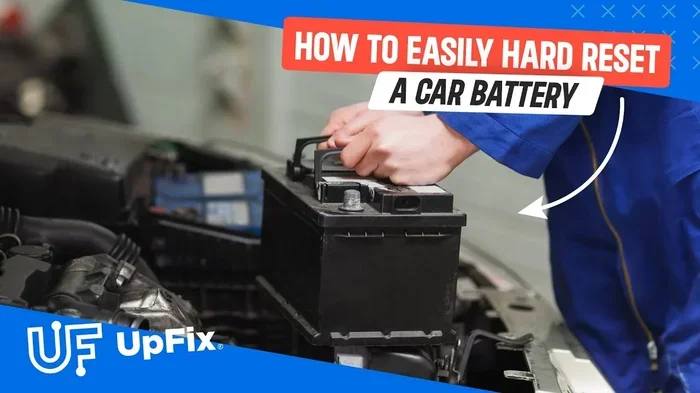
When you disconnect your car battery, you cut power to the ECU. This wipes the short-term memory in the computer. Any error codes stored in short-term memory get erased. The check engine light should turn off after you reconnect the battery and start the engine.
However, here’s the catch. Modern vehicles have both short-term and long-term memory. Short-term memory holds temporary data like current sensor readings. Long-term memory stores diagnostic trouble codes that the computer has flagged as recurring issues.
On many vehicles, a simple battery disconnect only clears the short-term memory. The long-term codes survive. This means the check engine light may turn off for a few minutes — or a few miles — and then come right back on.
The Short Answer: Yes and No
So, does unplugging the battery reset the check engine light? Technically, yes — for a short time. But it’s not a real fix. Here’s a quick comparison of what happens on different vehicle types:
| Vehicle Type | Does Battery Disconnect Clear the Light? | How Long Does It Stay Off? |
|---|---|---|
| Older vehicles (pre-2000) | Usually yes | Until the fault is repaired |
| Mid-range vehicles (2000–2015) | Sometimes | Days to weeks |
| Modern vehicles (2015+) | Rarely | Minutes to a few miles |
As you can see, newer vehicles are much harder to trick with a simple battery disconnect. Their computers are designed to hold onto fault codes until the actual problem is fixed and verified.
Quick Tip
Before you disconnect anything, grab a code reader or visit an auto parts store. Most shops will read your diagnostic trouble codes for free. Knowing the code tells you exactly what’s wrong — and whether a battery disconnect is even worth trying.
How to Properly Reset the Check Engine Light After a Battery Disconnect
If you’ve decided to go ahead and try the battery disconnect method, there’s a right way and a wrong way to do it. Let’s walk through the proper reset procedure step by step.
Step-by-Step Battery Reset Procedure
- Turn off your engine and all electronics: Make sure the car is parked, the key is off, and everything — radio, lights, AC — is shut down.
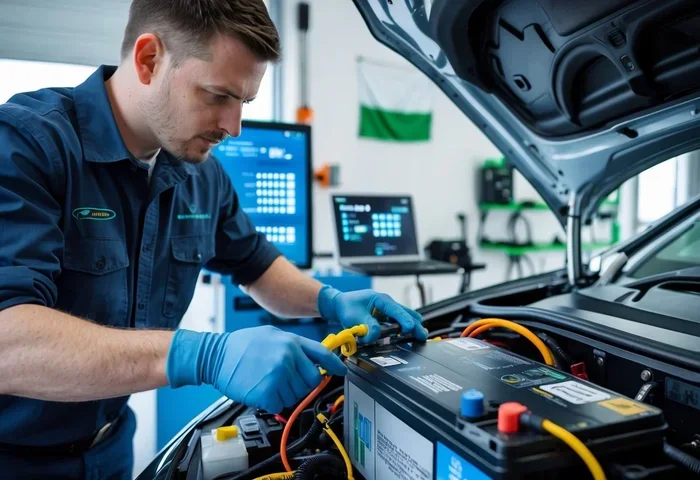
- Locate your car battery: Open the hood and find the negative terminal (it usually has a black cap and a minus sign).
- Disconnect the negative cable first: Use a wrench to loosen the clamp and pull the cable off the terminal. Never disconnect the positive cable first — this can cause sparks and damage.
- Wait at least 15 minutes: This gives the ECU time to fully discharge its short-term memory. Some experts recommend waiting 30 minutes for good measure.
- Reconnect the negative cable: Tighten the clamp back onto the terminal securely.
- Start the engine and let it idle: Turn the key and let the car run for a few minutes. The check engine light should be off during this initial start.
- Take a test drive: Drive the car for at least 20–30 minutes. The ECU needs to run a full drive cycle to determine whether the fault is still present.
The Drive Cycle: Why It Matters
After you reconnect the battery, your ECU enters a drive cycle. This is a series of tests the computer runs to check all major systems. During the drive cycle, the computer looks at sensor data and decides whether to set fault codes again.
If the original problem still exists — say, a bad oxygen sensor or a leaking EVAP system — the ECU will detect it again during the drive cycle and turn the check engine light back on. This is why simply disconnecting the battery without fixing the root cause never works long-term.
Expert Insight
Experienced mechanics often say that a battery disconnect is like putting a band-aid on a cut that needs stitches. It might cover the problem for a little while, but it doesn’t heal anything. The engine light will almost always return if the underlying issue isn’t addressed.
When Unplugging the Battery Can Cause Problems
While disconnecting the battery is generally safe, it’s not without risks. Many car owners don’t realize that a battery disconnect can cause other issues beyond just resetting the light. Let’s look at the potential downsides.
Lost Radio Presets and Settings
One of the most annoying side effects of a battery disconnect is losing your radio presets. Your clock resets. Your Bluetooth pairings may need to be redone. On some vehicles, you might even lose your navigation system’s saved locations. It’s a small hassle, but it adds up.
ECU Adaptation Reset Issues
Your ECU learns your driving habits over time. It adjusts fuel delivery, idle speed, and transmission shifting based on how you drive. This is called ECU adaptation. When you disconnect the battery, all of these learned adjustments get wiped.
After a battery disconnect, your car might idle rough, shift oddly, or feel slightly different for the first 50–100 miles. The ECU needs time to relearn your driving patterns. This is called a reset procedure, and it’s completely normal — but it can be unsettling if you don’t know what’s happening.
Power Window Calibration Loss
Many modern vehicles require power windows to be recalibrated after a battery disconnect. If your windows stop auto-raising when you flip the switch up, you may need to reset them manually. This is a common issue that catches people off guard.
Potential Damage to Your Vehicle
In rare cases, disconnecting the battery while the engine is running can cause voltage spikes that damage sensitive electronics. Always turn the engine off before disconnecting the battery. Also, some vehicles require a special code clearing procedure after a battery change — not just a simple disconnect and reconnect.
Common Mistakes
- Disconnecting the positive terminal first: This can cause sparks near the battery, which is dangerous. Always disconnect the negative terminal first.
- Not noting your radio code: Some stereos require a security code after a power loss. Write yours down before you disconnect anything.
- Reconnecting the battery too quickly: The ECU needs time to fully discharge. Wait at least 15 minutes for the best results.
- Assuming the light staying off means the problem is gone: The light might stay off temporarily, but the fault code could still be lurking in long-term memory.
Better Alternatives to Battery Disconnecting
If you want a cleaner, more reliable way to reset the check engine light, there are much better options than pulling the battery. Let’s explore them.
Using an OBD-II Scanner
An OBD-II scanner is the best tool for the job. OBD stands for On-Board Diagnostics, and it’s the standard system used in all cars sold in the United States since 1996. An OBD-II scanner plugs directly into your car’s diagnostic port — usually located under the steering column.
Here’s why an OBD-II scanner beats a battery disconnect:
- It reads the actual codes: You’ll know exactly what triggered the check engine warning — whether it’s a loose gas cap or a failing catalytic converter.
- It clears codes properly: The scanner clears fault codes from both short-term and long-term memory, giving you a cleaner reset.
- It lets you monitor live data: You can watch sensor readings in real time and see if the problem comes back immediately.
- It’s reusable: Unlike a battery disconnect, you can use an OBD-II scanner anytime, anywhere, without side effects.
Basic OBD-II scanners cost as little as $20–$30. More advanced models with Bluetooth connectivity and smartphone apps run $50–$150. Either way, it’s a worthwhile investment for any car owner.
Visiting a Mechanic
If you don’t want to DIY, a trip to the mechanic is your best bet. Most shops will read your diagnostic trouble codes for free or for a small fee. They can also run vehicle diagnostics and tell you exactly what needs to be fixed.
Plus, a professional mechanic can distinguish between a minor issue — like a loose gas cap — and a serious problem — like a failing oxygen sensor or catalytic converter damage. Trying to guess what’s wrong based on a blinking engine light alone is never a good idea.
Quick Tip
If the check engine light is flashing (not just steady), pull over and get your car towed. A flashing light usually indicates a severe misfire that can damage your catalytic converter very quickly. Don’t try to drive it to the shop.
Common Mistakes People Make When Trying to Reset the Light
When it comes to dealing with the check engine light, plenty of well-meaning car owners make mistakes. Here are the most common ones — and how to avoid them.
Ignoring the Root Cause
This is the biggest mistake of all. People clear the light and drive on, hoping the problem goes away. But the check engine warning is there for a reason. Ignoring it can lead to worse damage, higher repair costs, and even failed emissions tests.
Even if the light turns off after a battery disconnect, go back and check what the original fault codes were. If you can’t remember them, a quick trip to an auto parts store or a quick scan with an OBD-II scanner will bring them back.
Disconnecting the Battery While the Engine Is Running
This one can’t be stressed enough. Never disconnect the battery while the engine is running. Doing so can cause voltage spikes that fry sensitive electronics, including the ECU itself. Always turn the engine off completely before touching the battery terminals.
Replacing the Battery Instead of Fixing the Problem
Some people think that if the check engine light is on, they need a new battery. That’s almost never the case. A car battery that’s simply old and weak won’t trigger the engine light. If the light is on, something in the emission system or engine performance needs attention.
Using Cheap, Low-Quality Code Readers
Not all OBD-II scanners are created equal. Cheap readers might only show you generic codes, not manufacturer-specific ones. If you’re serious about vehicle diagnostics, invest in a scanner that reads both standard and manufacturer-specific error codes.
Key Takeaways
- A battery disconnect is a temporary fix at best. It clears short-term memory but rarely addresses long-term fault codes.
- The check engine light exists to protect your car and your wallet. Ignoring it or masking it with a quick reset can lead to bigger problems down the road.
- An OBD-II scanner is the smartest, safest, and most effective way to deal with the check engine warning.
- Always fix the root cause. Whether it’s a loose gas cap, a bad oxygen sensor, or something more serious, the real repair is the only permanent solution.
Conclusion
So, does unplugging the battery reset the check engine light? Yes — but only as a temporary measure. It can clear the light for a short time, but it won’t fix the underlying problem that caused it in the first place. In many cases, the light will come right back once your car’s computer runs its drive cycle and detects the same fault codes again.
More importantly, a battery disconnect comes with risks. You could lose radio presets, window calibrations, and ECU adaptations. On newer vehicles, the long-term memory often survives the disconnect anyway, meaning the light returns quickly.
The smart move is to use an OBD-II scanner or visit a trusted mechanic. These tools give you real answers — not just a temporary fix. They help you understand exactly what’s going on with your vehicle and what needs to be repaired.
Your check engine light is trying to tell you something. Don’t just silence it — listen to it. Fix the root cause, clear the codes properly, and keep your car running strong for miles to come.
Frequently Asked Questions
Will my check engine light reset itself after fixing the problem?
In most cases, yes. Once you repair the issue — such as tightening a loose gas cap or replacing a faulty sensor — the ECU will run a full drive cycle and turn off the light on its own. However, this can take several days of normal driving. Using an OBD-II scanner to manually clear the fault codes speeds up the process.
Can a dead car battery trigger the check engine light?
Yes, a weak or dying car battery can cause voltage irregularities that trigger the check engine warning. If your battery is old or struggling to hold a charge, it’s worth testing it before assuming the light is caused by something else entirely.
How long should I wait after disconnecting the battery before reconnecting it?
Most experts recommend waiting at least 15 minutes, though 30 minutes is even better. This gives the ECU enough time to fully discharge its short-term memory. The reset procedure works best when the computer has had enough time to clear all temporary data.
Will I lose any saved data when I unplug my battery?
You may lose radio presets, power window calibration, clock settings, and some ECU learned adaptations. On certain vehicles, you might also need to re-enter a radio security code after a battery disconnect. Always check your owner’s manual before disconnecting anything.
Is it safe to drive with the check engine light on?
If the light is steady, it’s usually safe to drive short distances, but you should get the issue diagnosed soon. If the light is flashing, stop driving immediately and have the vehicle towed. A flashing check engine light often signals a serious misfire that can cause expensive damage to your catalytic converter.
Can I use a battery maintainer instead of disconnecting the battery?
Yes, a battery maintainer or trickle charger keeps your battery charged during a battery disconnect without the risks of a full disconnect. However, it won’t change how the ECU handles code clearing. The maintainer simply prevents other electrical issues while you reset the system.
=== META TITLE ===
Does Unplugging the Battery Reset the Check Engine Light?
=== URL SLUG ===
/does-unplugging-battery-reset-check-engine-light