Do Engine Warning Lights Clear Themselves On Their Own
Do engine warning lights clear themselves? Sometimes they do, but not always. A check engine light may turn off if the issue is minor, like a loose gas cap. However, persistent warnings usually mean a deeper problem needs attention. Ignoring these lights can lead to costly repairs and safety risks. This guide explains exactly how dashboard warning lights work and when you should act.
Have you ever been driving down the road and suddenly seen a strange symbol light up on your car dashboard? It is a heart-stopping moment for most drivers. Your first thought might be, “Do engine warning lights clear themselves?” The answer is not a simple yes or no.
Sometimes a dashboard warning light goes away on its own. Other times, it stays on and gets brighter. Understanding how these lights work can save you time, money, and a lot of stress. In this article, we will break down everything you need to know about check engine lights and whether they go away by themselves.
We will cover what triggers these lights, how your car’s computer works, and when you should actually worry. By the end, you will feel confident about handling any warning that pops up on your gauge cluster.
Key Takeaways
- Some warning lights do self-clear: Minor issues like a loose fuel cap can trigger a light that goes away on its own after a few drive cycles.
- Persistent lights need diagnosis: If the check engine light stays on, it usually signals a fault code stored in your car’s computer.
- An OBD-II scanner is your best tool: You can read and sometimes clear fault codes at home with a simple diagnostic scanner.
- Ignoring lights is risky: Driving with an active warning can damage expensive parts like the catalytic converter.
- Not all lights are equal: Red warning lights demand immediate action, while yellow lights often indicate less urgent issues.
- Resetting is not the same as fixing: Clearing a light without repairing the root cause will just bring it back.
- Regular maintenance prevents warnings: Routine vehicle maintenance keeps your engine healthy and lights off.
📑 Table of Contents
- What Are Engine Warning Lights and Why Do They Appear?
- Do Engine Warning Lights Clear Themselves?
- How Your Car’s Computer Handles Warning Lights
- Common Reasons Engine Warning Lights Come On
- Should You Try to Clear the Light Yourself?
- What Happens If You Ignore the Warning Light?
- How to Prevent Warning Lights from Appearing
- Quick Tips for Handling Engine Warning Lights
- Key Takeaways
- Conclusion
What Are Engine Warning Lights and Why Do They Appear?
Your car is full of sensors. These engine sensors monitor everything from fuel mixture to exhaust emissions. When something goes wrong, the car’s computer — called the Engine Control Unit — throws a warning. This shows up as a light on your dashboard warning lights panel.
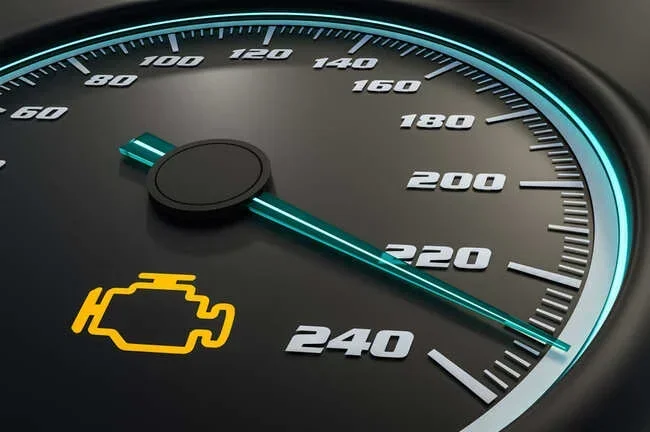
The most common light is the check engine light. It usually looks like an engine shape. Other lights include the oil pressure warning, the battery warning light, and the ABS light. Each one signals a different type of problem.
When a sensor detects an issue, it stores a diagnostic trouble code in the car’s memory. This code is what a mechanic reads with an OBD-II scanner. The code tells you exactly what went wrong, even if the light is no longer visible.
Yellow vs. Red Warning Lights
Not all warning indicators are created equal. Color matters a lot here.
- Yellow or orange lights: These are caution lights. They mean something needs attention but is not an emergency. The check engine light is usually yellow.
- Red lights: These are serious. A red oil pressure light or temperature warning means you should pull over immediately.
If you see a red light, stop driving and get help. With a yellow light, you can usually drive a short distance to a safe location or a repair shop.
Do Engine Warning Lights Clear Themselves?
This is the big question. The short answer is: sometimes they do. But the full answer depends on what triggered the light in the first place.
When Lights Do Clear on Their Own
Some dashboard warning lights are temporary. They come on, warn you of a minor issue, and then turn off. Here are common situations where a light might self-clear:
- Loose or faulty gas cap: This is one of the most common reasons for a check engine light. If the cap is not sealed properly, fuel vapors escape. The car’s emission system detects this and throws a code. Tighten the cap, and the light often goes away after a few drive cycles.
- Temporary sensor glitch: Sensors can give false readings. A brief temperature spike or a momentary voltage drop might trigger a light. Once conditions normalize, the light may turn off.
- Cold weather starting issues: Some cars show a battery warning light or other indicators in very cold weather. These often disappear once the engine warms up.
- Intermittent problems: A loose wire or a connector that wiggles free might trigger a light. If it reconnects, the light could go away.
In these cases, the car’s computer monitors the condition for a set number of drive cycles. A drive cycle is basically one full start-to-shutdown sequence. If the problem does not return, the computer clears the code and turns off the light.
When Lights Do NOT Clear on Their Own
Here is the harder truth. Many engine warning lights will not go away by themselves. They stay on because the underlying problem is still there. Common causes include:
- Engine misfire: A misfire sends unburned fuel into the exhaust system. This can damage the catalytic converter, which is an expensive part to replace.
- Failing oxygen sensor: This sensor helps your car burn fuel efficiently. When it fails, fuel economy drops and emissions rise.
- Catalytic converter failure: A clogged converter triggers a persistent check engine light and reduces engine performance.
- Low oil pressure: This is a serious mechanical issue that needs immediate attention.
- Emission system leaks: EVAP system leaks are common and will keep the light on until repaired.
If the problem is real and ongoing, the computer keeps the code stored. The light stays on until someone fixes the issue and clears the code.
How Your Car’s Computer Handles Warning Lights
Modern cars are basically computers on wheels. Your vehicle has dozens of engine sensors sending data to the Engine Control Unit every second. The computer compares this data against expected values. If something falls outside the normal range, it logs a fault.
The process works like this:
- A sensor detects an abnormal reading.
- The computer stores a diagnostic trouble code.
- The dashboard warning light illuminates.
- The computer monitors the condition over several drive cycles.
- If the issue resolves, the light may turn off and the code clears itself.
- If the issue persists, the light stays on and the code remains stored.
Some cars also have a “pending” mode. In this mode, the light might flash briefly or stay dim. It is the car’s way of saying, “Hey, something is not quite right.” If you ignore it, it will eventually become a solid, permanent warning.
The Role of the OBD-II System
Since 1996, all cars sold in the United States have been required to have an OBD-II system. This standardized system makes it easier to diagnose problems. When a light comes on, you can plug an OBD-II scanner into the port under your steering column. The scanner reads the stored codes and tells you what is wrong.
You can buy a basic OBD-II scanner for under $30 at any auto parts store. More advanced scanners cost more but give deeper insights. Some even connect to your phone via Bluetooth.
Common Reasons Engine Warning Lights Come On
Understanding the most common triggers can help you figure out if your light is a minor issue or a major problem. Here are the top reasons check engine lights appear:
1. Loose or Damaged Gas Cap
This is the number one cause of a check engine light. A loose cap lets fuel vapors leak from the emission system. It is a simple fix that costs nothing. Just twist the cap until it clicks, and the light may go away within a few days of driving.
2. Faulty Oxygen Sensor
The oxygen sensor measures unburned oxygen in your exhaust. A bad sensor can lower fuel economy and increase emissions. Replacement usually costs between $100 and $300.
3. Worn Spark Plugs or Ignition Coils
Spark plugs ignite the fuel-air mixture in your engine. When they wear out, you may get an engine misfire. This triggers the check engine light and can damage the catalytic converter over time.
4. Clogged or Failing Catalytic Converter
The catalytic converter cleans exhaust gases before they leave the tailpipe. When it fails, the car loses power and the light stays on. Replacement can cost $1,000 or more, which is why early attention matters.
5. Low or Dirty Oil
Low oil pressure is a serious concern. If your oil pressure warning light comes on, check your oil level right away. Driving with low oil can destroy your engine.
6. Airflow Sensor Issues
The mass airflow sensor measures the air entering your engine. A dirty or faulty sensor causes rough idling and poor fuel economy. Cleaning or replacing it is usually straightforward.
Should You Try to Clear the Light Yourself?
Many car owners want to just reset the light and move on. But this is not always a good idea. Here is what you need to know about self-resetting and clearing codes.
Methods to Reset a Warning Light
There are a few ways to turn off a dashboard warning light:
- Drive it off: If the issue was minor, the light may clear after a few normal trips.
- Disconnect the battery: Unhooking the negative battery terminal for 15 minutes can reset the computer. But this also erases other settings like radio presets and power window calibration.
- Use an OBD-II scanner: You can read the codes and clear them with a scanner. This is the most reliable method.
- Visit a mechanic: A professional can diagnose the issue and clear the code properly.
Why Clearing Without Fixing Is a Bad Idea
Here is the hard truth about self-resetting: if you clear a light without fixing the real problem, it will come right back. The car’s computer monitors the same faulty condition. Within a few drive cycles, the warning indicator will return.
Worse, driving with an unresolved issue can cause more damage. A small engine misfire that triggers a light today can destroy a catalytic converter tomorrow. That is an expensive repair that could have been prevented.
Think of the light as your car’s way of asking for help. Ignoring it or silencing it without listening is never a good strategy.
When Self-Clearing Is Okay
There are times when it is fine to let the light self-clear or reset it yourself:
- You know the cause was something minor, like a loose gas cap.
- The light was on briefly and went away on its own.
- You have an OBD-II scanner and the code points to a one-time glitch.
- You plan to get the car inspected soon and want to clear a code that might cause a failed inspection.
Even in these cases, keep an eye on the light. If it returns, get a proper diagnosis.
What Happens If You Ignore the Warning Light?
This is where things get serious. Ignoring a dashboard warning light is one of the most expensive mistakes car owners make. Here is what can happen:
- Minor issues become major repairs: A small sensor problem can cascade into bigger failures. A $50 oxygen sensor can lead to a $1,000 catalytic converter replacement.
- Reduced fuel economy: Many check engine lights are related to fuel efficiency. Ignoring them means you pay more at the pump.
- Failed emissions tests: Most states require emissions testing for vehicle registration. An active check engine light means automatic failure.
- Safety risks: Some lights warn of problems that affect braking, steering, or engine stability. Ignoring these can put you and others at risk.
- Voided warranties: If your car is still under warranty, ignoring warning lights can void coverage for related repairs.
The bottom line is simple: do not ignore your lights. They are there to protect you and your wallet.
How to Prevent Warning Lights from Appearing
Prevention is always better than cure. Here are simple steps to keep your dashboard warning lights off and your car running smoothly:
- Check your gas cap regularly: Make sure it clicks tightly after every fill-up.
- Follow the maintenance schedule: Change your oil, spark plugs, and air filter on time. Regular vehicle maintenance prevents most issues.
- Address small problems early: If you notice weird noises, vibrations, or slight drops in performance, get it checked before the light comes on.
- Use quality fuel: Cheap or contaminated fuel can cause emission system problems and trigger lights.
- Keep your OBD-II scanner handy: A basic scanner is a great investment. It lets you catch issues early and understand what your car is trying to tell you.
Quick Tips for Handling Engine Warning Lights
What to Do Right Now If a Light Comes On
- Stay calm. A yellow check engine light is usually not an emergency.
- Check your gas cap. Tighten it and see if the light goes away in a day or two.
- Look for other warning signs. Is the car running rough? Is there a fluid leak? These clues help narrow down the problem.
- Get the codes read. Visit an auto parts store or use your own OBD-II scanner. Many stores will read codes for free.
- Schedule a repair if needed. Do not wait too long. Small problems get bigger fast.
Expert Insight
Experienced mechanics often say the same thing: the check engine light is your car’s cry for help, not a reason to panic. Most issues that trigger the light are fixable and affordable if you catch them early. The real danger is in ignoring the warning and hoping it goes away forever.
One mechanic shared this insight: “I see customers every week who waited too long to address a simple dashboard warning light. What could have been a $100 fix turned into a $1,500 repair. A quick scan of the codes would have saved them hundreds of dollars.”
Key Takeaways
- Some engine warning lights do clear themselves: Minor issues like a loose gas cap often resolve on their own after a few drive cycles.
- Persistent lights mean real problems: A check engine light that stays on usually indicates a fault code that needs professional attention.
- Use an OBD-II scanner to read codes: This affordable tool gives you insight into what your car is experiencing.
- Never clear a light without fixing the cause: The light will return, and ignoring it can lead to expensive damage.
- Red lights mean stop now: Red warning indicators demand immediate action. Yellow lights give you time to plan a repair.
- Regular maintenance prevents most issues: Stay on top of oil changes, spark plugs, and emission system checks to keep lights off.
- Knowledge is power: Understanding your car’s warning system helps you make smarter decisions about repairs and safety.
Conclusion
So, do engine warning lights clear themselves? The answer is: it depends. Minor issues like a loose fuel cap often resolve on their own. The car’s computer monitors the situation and turns off the light once the problem is gone. But most real issues will not go away by themselves. A persistent check engine light means something needs your attention.
The best approach is simple: take warnings seriously, get codes read quickly, and fix problems early. This keeps your car safe, reliable, and saves you from expensive surprises down the road. Your dashboard warning lights are not there to annoy you. They are there to protect you. Listen to them, and they will serve you well for years to come.
Remember, a few minutes of attention today can prevent hours of trouble tomorrow. Keep an OBD-II scanner in your glove box, stay on top of vehicle maintenance, and never ignore what your car is trying to tell you.
Frequently Asked Questions
Can I drive my car with the check engine light on?
If the light is yellow and the car is running normally, you can usually drive a short distance to a repair shop. However, if the light is flashing or the car feels rough, pull over safely and call for help. A flashing check engine light often signals a serious problem like an engine misfire that can damage the catalytic converter.
How long does it take for a check engine light to go away on its own?
If the issue was minor, such as a loose gas cap, the light may turn off within two to three drive cycles. A drive cycle is one complete start-to-shutdown sequence. If the problem is not minor, the light will stay on until the fault is repaired and the code is cleared.
Will disconnecting the battery clear the check engine light?
Yes, disconnecting the battery for about 15 minutes can reset the car’s computer and clear the light. However, this method also erases other settings and does not fix the underlying problem. The light will likely return if the issue is not resolved.
How much does it cost to get a check engine light diagnosed?
Many auto parts stores offer free OBD-II code reading. If you visit a mechanic for a full diagnosis, expect to pay between $100 and $200 for the inspection. The actual repair cost depends entirely on what the code reveals.
What is the difference between a check engine light and other warning lights?
The check engine light is a general warning that something is wrong with the emission system or engine performance. Other lights, like the oil pressure light or battery warning light, are more specific. Red lights usually mean stop immediately, while yellow lights mean schedule a check-up soon.
Can a bad spark plug cause the check engine light to come on?
Yes, worn or fouled spark plugs can cause an engine misfire, which triggers the check engine light. Replacing spark plugs is an affordable fix that prevents bigger problems like catalytic converter damage. If your light is on and the car idles roughly, spark plugs are a great place to start.