Can an Engine Survive Overheating Without Permanent Damage
Can an engine survive overheating? The short answer is: it depends on how hot it got and how long it stayed that way. A brief overheat might cause no lasting harm, but repeated or extreme overheating can lead to blown head gaskets, warped cylinder heads, and even engine seizure. Understanding the warning signs and acting fast can save your engine from permanent damage. This guide covers everything you need to know about overheating engine repair, prevention, and recovery.
You are driving down the road, and suddenly you notice steam curling up from under the hood. Your heart drops. Your mind races. Can an engine survive overheating? Is the damage already done? These are scary questions, and every driver should know the answers.
The truth is that engines can sometimes survive overheating, but it depends on several factors. How hot did it get? How long did the high temperature last? What did you do when you noticed the problem? Understanding these factors can mean the difference between a simple fix and a complete engine replacement.
In this article, we will walk through everything you need to know about engine overheating. You will learn what happens inside your engine when temperatures spike, the common causes of overheating, how to spot the warning signs early, and what you can do to prevent permanent damage. Whether you are dealing with a current overheating problem or want to avoid one in the future, this guide has you covered.
Key Takeaways
- Engines can sometimes survive mild overheating: Short bursts of high temperature may not cause lasting harm if caught early.
- Prolonged overheating causes serious damage: Warped heads, blown gaskets, and cracked blocks are common results of extreme heat.
- Know the warning signs: Steam from the hood, a rising temperature gauge, and strange smells all signal trouble.
- Acting fast matters: Pulling over and shutting off the engine can prevent catastrophic failure.
- Prevention is cheaper than repair: Regular coolant checks and maintenance keep your cooling system working.
- Repair costs vary widely: Minor fixes are affordable, but major overheating damage can cost thousands.
- Professional help is often needed: Some overheating damage requires expert diagnosis and repair.
📑 Table of Contents
- What Happens When an Engine Overheats?
- Common Causes of Engine Overheating
- Signs Your Engine Is Overheating
- Can an Engine Fully Recover From Overheating?
- How to Prevent Permanent Engine Damage
- When to Call a Mechanic
- Overheating Damage Repair Costs
- Common Mistakes Drivers Make When the Engine Overheats
- How to Tell If Overheating Has Already Damaged Your Engine
- Final Thoughts
What Happens When an Engine Overheats?
Your engine runs at very high temperatures. Normal operating temperature usually sits between 195 and 220 degrees Fahrenheit. When the temperature climbs well beyond that range, things start to go wrong fast. But what exactly happens inside the engine?
First, the metal parts expand. Engines are made of aluminum, iron, and steel. Each of these metals expands when heated. When they expand unevenly, parts stop fitting together the way they should. This creates extra friction and pressure inside the engine block.
The Role of Coolant and the Cooling System
Your cooling system is designed to keep the engine at a safe temperature. It uses a mix of water and antifreeze, called coolant, to absorb heat. The coolant flows through the engine block, picks up heat, and carries it to the radiator. The radiator then releases that heat into the air.
When the cooling system fails, heat builds up quickly. The thermostat controls the flow of coolant. The water pump pushes coolant through the system. The radiator fan helps cool the fluid down. If any of these parts break down, the engine can overheat.
Here are the main components of your cooling system:
- Radiator: Releases heat from the coolant into the air.
- Water Pump: Circulates coolant through the engine and radiator.
- Thermostat: Regulates coolant flow based on engine temperature.
- Coolant Hoses: Carry coolant between the engine and radiator.
- Radiator Fan: Helps cool the radiator when the car is slow or idling.
- Coolant Reservoir: Holds extra coolant and maintains system pressure.
When the engine overheats, the coolant boils. This creates steam and pressure. The increased pressure can cause hoses to burst or the radiator cap to fail. Without proper coolant flow, the engine parts start to grind against each other with no lubrication. This is how overheating leads to serious engine damage.
Common Causes of Engine Overheating
Overheating does not usually happen out of nowhere. There is almost always a reason. Understanding the common causes can help you catch problems early before they turn into expensive repairs.
Low Coolant Levels
This is the number one cause of engine overheating. Coolant leaks happen over time. Hoses crack, the radiator develops pinholes, and the water pump starts to fail. Even a small leak can drop your coolant level enough to cause overheating. Checking your coolant level regularly is one of the easiest ways to prevent this problem.
Thermostat Failure
The thermostat opens and closes to control coolant flow. When it gets stuck closed, coolant cannot reach the radiator. The engine heats up fast. A stuck thermostat is a common issue in older cars and can be replaced relatively cheaply.
Water Pump Breakdown
The water pump is the heart of your cooling system. It keeps coolant moving. When the water pump fails, the coolant sits still and the engine heats up. Water pump failures often happen after 60,000 to 90,000 miles. Watch for coolant leaks near the front of the engine as a warning sign.
Radiator Problems
A clogged radiator cannot release heat properly. Dirt, bugs, and old coolant can block the radiator fins. Also, a failing radiator fan means the radiator cannot cool down when you are stuck in traffic. Both issues can lead to overheating, especially in hot weather.
Head Gasket Failure
A blown head gasket is both a cause and a result of overheating. The head gasket sits between the engine block and the cylinder head. When it fails, coolant can leak into the cylinders or oil passages. This causes overheating and can also be caused by overheating. It is a tricky cycle that needs professional attention.
Signs Your Engine Is Overheating
Catching the signs of overheating early can save your engine. Most modern cars have a temperature gauge on the dashboard. But there are other warning signs you should watch for.
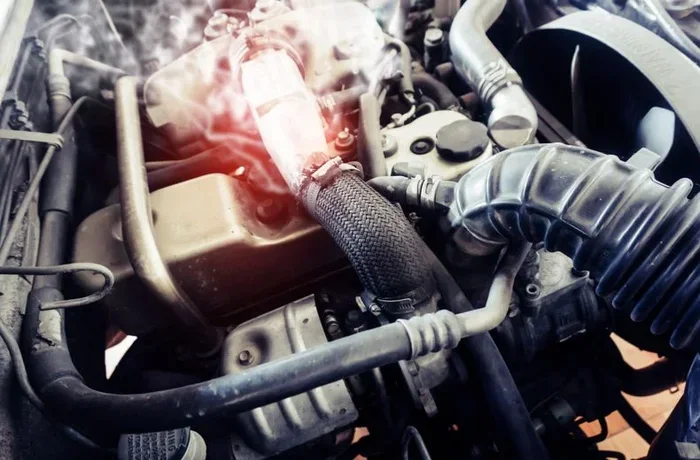
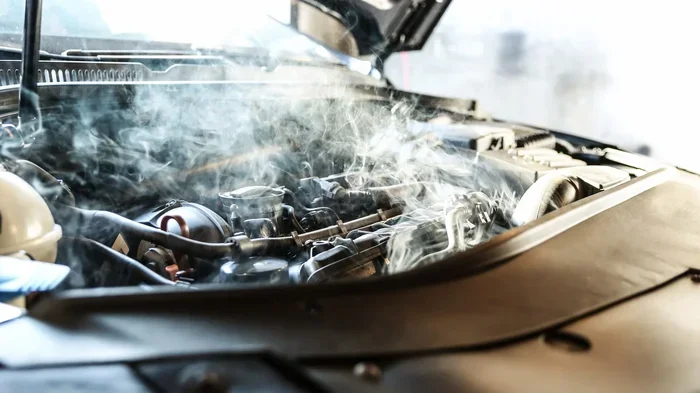
Steam or smoke coming from under the hood is the most obvious sign. It usually looks white and puffy. Do not open the hood right away. The steam can burn you. Let the car cool down for at least 15 minutes before you look under the hood.
A rising temperature gauge is another clear signal. If the needle moves into the red zone, pull over safely and turn off the engine. Strange smells are also a clue. A sweet smell might mean a coolant leak. A burning smell could mean oil is overheating on engine parts.
Other overheating symptoms include:
- A ticking or thumping noise from the engine.
- Reduced engine power or sluggish performance.
- Coolant leaking on the ground under your car.
- Rattling or knocking sounds while driving.
- The heater blowing cold air instead of hot.
If you notice any of these signs, do not ignore them. Pull over, turn off the engine, and let the car cool down. Continuing to drive while the engine overheats almost always leads to more damage.
Can an Engine Fully Recover From Overheating?
This is the big question. The answer depends on how bad the overheating was and how quickly you responded. Let us break it down into different scenarios.
Mild Overheating: The Best Case
Sometimes, an engine overheats for just a few minutes. Maybe you were stuck in heavy traffic on a hot day. Maybe the AC was working too hard. If you noticed the problem early and pulled over, the engine might be fine. Let it cool down completely, check the coolant level, and top it off if needed. In many mild cases, the engine survives without any permanent damage.
Moderate Overheating: Possible Damage
If the engine stayed hot for a longer period, some damage might have occurred. The head gasket could be stressed. The aluminum parts might have slightly warped. In these cases, the engine can sometimes survive, but you will likely need repairs. A mechanic can check for head gasket leaks and inspect the cylinder head for warping.
Severe Overheating: Serious Damage
When the engine reaches extreme temperatures and stays there, the damage can be severe. The cylinder head can warp or even crack. The engine block can develop stress fractures. The pistons and connecting rods can seize up. In these situations, the engine might not survive at all. A full engine rebuild or replacement might be the only option.
Here is a quick comparison of overheating severity and potential outcomes:
| Overheating Level | Duration | Possible Damage | Repair Cost Range |
|---|---|---|---|
| Mild | 1-5 minutes | Usually none | $0 – $50 |
| Moderate | 5-15 minutes | Stressed gaskets, minor warping | $200 – $1,000 |
| Severe | 15+ minutes | Warped head, cracked block, seized engine | $1,500 – $4,000+ |
The takeaway is clear: the faster you respond to overheating, the better your chances of avoiding permanent damage. An engine can sometimes survive overheating, but only if you act quickly and correctly.
How to Prevent Permanent Engine Damage
Prevention is always better than repair. Keeping your cooling system in good shape is the best way to protect your engine. Here are some practical tips to help you avoid overheating problems.
Check Your Coolant Regularly
Make it a habit to check your coolant level once a month. Look for the coolant reservoir under the hood. The fluid should be between the minimum and maximum marks. If it is low, top it off with the right type of coolant for your car. Also, watch for any color changes. Coolant should be bright green, orange, or pink. If it looks brown or rusty, it is time for a coolant flush.
Watch the Temperature Gauge
Keep an eye on your temperature gauge while driving. It should stay in the normal range. If it starts to climb, do not ignore it. Many drivers wait too long before they take action. By then, the damage is already done. Pull over at the first sign of a rising temperature.
Maintain Your Cooling System
Follow your car manufacturer’s maintenance schedule for cooling system service. This usually includes flushing the coolant every 30,000 to 50,000 miles. A professional mechanic can also inspect the hoses, belts, water pump, and thermostat during routine service. Catching a small problem early can save you from a major overheating event.
Drive Smart in Hot Weather
Hot weather puts extra stress on your engine. On very hot days, turn off the AC if you notice the temperature climbing. Roll down the windows instead. If you are stuck in traffic, shift into neutral and give the engine a slight rev. This helps the water pump and radiator fan work more efficiently.
Do Not Ignore Small Leaks
Even a tiny coolant leak can lead to overheating over time. If you see any green, orange, or pink fluid under your car, get it checked right away. Small leaks are much cheaper to fix than a blown head gasket or a cracked engine block.
Expert Insight
Most mechanics agree that regular cooling system maintenance is the single best way to prevent overheating damage. A simple coolant flush and inspection can catch problems months before they turn into a roadside emergency. Do not wait until you see steam coming from under the hood.
When to Call a Mechanic
Some overheating problems are easy to fix on your own. But others require a professional mechanic. Knowing when to call for help can save you time, money, and a lot of stress.
Call a mechanic right away if you notice any of the following:
- The temperature gauge keeps rising even after you pull over.
- You see steam or smoke that does not go away after the car cools down.
- Coolant is leaking from the bottom of the car.
- The engine makes unusual knocking or rattling sounds.
- The check engine light comes on along with the temperature warning.
- You have overheated more than once in the past few weeks.
A mechanic can perform a pressure test on the cooling system, inspect the head gasket, and check the cylinder head for warping. These diagnostic steps are essential for understanding the full extent of the damage.
If you live in a hot climate or drive an older vehicle, consider having your cooling system inspected twice a year. Summer heat and aging parts are a dangerous combination. A proactive approach can keep your engine running smoothly and help an engine survive overheating if it ever happens again.
Overheating Damage Repair Costs
The cost of repairing overheating damage varies a lot depending on what was damaged. Here is a rough breakdown of common repair costs:
- Coolant flush and refill: $100 – $200
- Thermostat replacement: $150 – $300
- Water pump replacement: $300 – $750
- Radiator repair or replacement: $300 – $900
- Head gasket replacement: $1,000 – $2,500
- Cylinder head resurfacing: $200 – $500
- Engine rebuild: $3,000 – $7,000
- Engine replacement: $4,000 – $8,000+
As you can see, the cost goes up fast when overheating damage gets worse. This is why early detection and quick action are so important. Spending a few dollars on coolant or a thermostat replacement is nothing compared to a full engine replacement.
Common Mistakes Drivers Make When the Engine Overheats
When you see steam and the temperature gauge is in the red, panic can set in. But how you respond matters a lot. Here are some common mistakes to avoid.
Mistake 1: Keep driving. This is the worst thing you can do. Continuing to drive with an overheating engine can turn a minor repair into a total engine failure. Pull over safely and turn off the engine immediately.
Mistake 2: Open the radiator cap right away. The cooling system is under high pressure when hot. Opening the cap too soon can cause hot coolant to spray out and burn you. Wait at least 15 to 20 minutes for the engine to cool down.
Mistake 3: Pour cold water on a hot engine. Pouring cold water onto a hot engine block can cause the metal to contract too quickly and crack. This is a dangerous move that can do more harm than good.
Mistake 4: Ignore the problem. Some drivers notice the temperature gauge rising but decide to just keep going. This is a gamble with your engine. Even a short drive while overheating can cause permanent damage.
Mistake 5: Only add water instead of coolant. Water can work in an emergency, but it does not protect the cooling system the way coolant does. Use a proper coolant mixture for long-term protection.
How to Tell If Overheating Has Already Damaged Your Engine
If your engine has overheated in the past, you might be wondering if there is hidden damage. Sometimes the symptoms are not obvious right away. Here are some signs that overheating may have already caused damage.
Look for white smoke coming from the exhaust. This can mean coolant is leaking into the combustion chambers, which is a sign of a blown head gasket. Check your oil dipstick. If the oil looks milky or frothy, coolant may have mixed with the oil. This is a serious problem that needs immediate attention.
Also, pay attention to any loss of engine power. A warped cylinder head can cause compression loss, which makes the engine feel weak and sluggish. If you notice any of these signs after an overheating event, take your car to a mechanic as soon as possible.
A mechanic can perform a compression test and a cooling system pressure test to determine the extent of the damage. These tests are affordable and can give you a clear picture of your engine’s health.
Final Thoughts
So, can an engine survive overheating? The answer is yes, but with important caveats. A brief, mild overheat might not cause any lasting harm, especially if you respond quickly and correctly. But prolonged or severe overheating can cause irreversible damage that costs thousands of dollars to fix.
The best defense against overheating is regular maintenance. Check your coolant, watch your temperature gauge, and never ignore warning signs. Your cooling system works hard to keep your engine at a safe temperature. Give it the care and attention it deserves.
If you ever find yourself dealing with an overheating engine, remember the steps we covered in this guide. Pull over, turn off the engine, let it cool down, and assess the situation. Do not take unnecessary risks. When in doubt, call a professional mechanic.
Your engine is one of the most important parts of your car. Protecting it from overheating damage is one of the best investments you can make. Stay proactive, stay informed, and keep your engine running strong for years to come.
Frequently Asked Questions
How long can an engine run before overheating causes permanent damage?
It depends on the temperature and how long it stays high. Even 5 to 10 minutes of severe overheating can cause damage. Mild overheating for a short time might not cause lasting harm, but you should never take the risk. Pull over and shut off the engine as soon as you notice the temperature gauge rising.
What is the most common cause of engine overheating?
Low coolant is the most common cause. Coolant leaks can develop over time in hoses, the radiator, the water pump, or the head gasket. Regularly checking your coolant level and addressing small leaks quickly can prevent most overheating problems.
Can I drive my car after it has overheated?
It depends on the severity. If the engine was only mildly hot and you caught it early, it might be fine. But if the engine reached extreme temperatures, driving it again could cause more damage. Have a mechanic inspect the car before you drive it again after a serious overheat.
How much does it cost to repair overheating damage?
Costs range widely. A simple coolant flush might cost around $100, while a head gasket replacement can run $1,000 to $2,500. Severe damage like a cracked engine block or a seized engine can cost $4,000 or more. Early detection is the best way to keep repair costs low.
Does overheating void a car warranty?
It depends on the warranty terms and the cause of the overheating. If the overheating was caused by a manufacturing defect, the warranty might cover the repairs. But if it was caused by neglect, such as not maintaining the coolant system, the warranty likely will not apply. Check with your dealer or warranty provider for specific details.
Can I just add water to my radiator instead of coolant?
Water can work as a temporary emergency solution, but it is not a long-term fix. Water does not have the same heat protection properties as coolant, and it can cause rust and corrosion inside the cooling system. Always use the proper coolant mixture recommended by your car manufacturer.
=== CONCLUSION ===
Can an engine survive overheating? Yes, but only if you act quickly and take the right steps. Mild overheating might not cause permanent damage, but severe or repeated overheating can destroy your engine. Know the warning signs, maintain your cooling system, and never ignore a rising temperature gauge.
Prevention is your best tool. Regular coolant checks, timely maintenance, and smart driving habits can keep your engine cool and running strong. If overheating does happen, pull over safely, let the engine cool, and seek professional help when needed.
Take care of your cooling system, and it will take care of your engine. Your future self will thank you when your car keeps running smoothly for miles and miles to come.