Can You Check Oil Level on the Dashboard Keep Reading
Yes, you can check oil level on the dashboard in most modern vehicles. Your car’s digital display or warning lights give you real-time oil status without opening the hood. Understanding how to read these indicators helps you prevent engine damage and save money on costly repairs.
Can you check oil level on the dashboard? This is a question many car owners ask, especially those driving newer vehicles packed with digital tech. The short answer is yes. Most modern cars give you a way to monitor your oil right from the instrument cluster. But the full picture is more nuanced than a simple yes or no.
Your dashboard tells a story about your engine’s health. It uses lights, symbols, and digital readouts to communicate what’s happening beneath the hood. Learning to read this story is one of the best things you can do for your vehicle. It keeps you safe, saves you money, and helps you avoid unexpected breakdowns on the road.
In this guide, we will walk you through everything you need to know about checking your oil level on the dashboard. We will cover how different systems work, what each symbol means, and when you should take action. Whether you drive a sedan, SUV, or truck, this information applies to you. Let us dive in and make sense of your dashboard together.
Key Takeaways
- Dashboard Oil Display: Most newer cars show oil level digitally on the instrument cluster.
- Warning Lights Matter: The oil pressure warning light is a critical signal you should never ignore.
- Dipstick Still Matters: Even with digital displays, the dipstick remains the most accurate method for checking oil.
- Oil Life Monitor: Many vehicles track oil quality and remind you when it’s time for a change.
- Low Oil Causes Damage: Running on low oil can destroy your engine within minutes.
- Owner’s Manual Is Key: Your vehicle’s guide explains exactly what each dashboard symbol means.
- Routine Checks Save Money: Regular oil monitoring prevents breakdowns and extends engine life.
📑 Table of Contents
- Understanding Your Dashboard Oil Indicators
- How Dashboard Oil Monitoring Systems Work
- How to Check Oil Level on the Dashboard
- Why Dashboard Oil Checks Are Not Always Enough
- Common Dashboard Oil Warnings and What They Mean
- Quick Tips for Dashboard Oil Monitoring
- Common Mistakes People Make with Dashboard Oil Checks
- Expert Insights on Dashboard Oil Monitoring
- When to See a Professional
- Key Takeaways
- Conclusion
Understanding Your Dashboard Oil Indicators
Your dashboard is like a control center for your vehicle. It houses multiple indicators that monitor different systems. When it comes to oil, there are a few key things to watch for. Each indicator serves a specific purpose and tells you something different about your engine’s condition.
The Oil Pressure Warning Light
This is the most critical oil-related light on your dashboard. It usually looks like an old oil can symbol or says “OIL” in red text. When this light comes on, it means your oil pressure has dropped to a dangerous level. This is not something to take lightly. Pull over safely and turn off your engine as soon as possible.
Low oil pressure can happen for several reasons. You might be low on oil. There could be a leak in the system. Or the oil pump might be failing. Whatever the cause, driving with this light on can cause severe engine damage within minutes. Always treat this warning with urgency.
The Oil Level Warning Light
Some vehicles have a separate light specifically for oil level. This is different from the oil pressure light. The oil level warning typically looks like a genie lamp or oil droplet symbol. It illuminates when the oil in the reservoir falls below the minimum threshold.
This light gives you a bit more time than the pressure warning. But you should still address it quickly. Topping off your oil is usually a simple fix. However, if the light keeps coming back on, you may have a leak or burning oil problem that needs professional attention.
Digital Oil Level Display
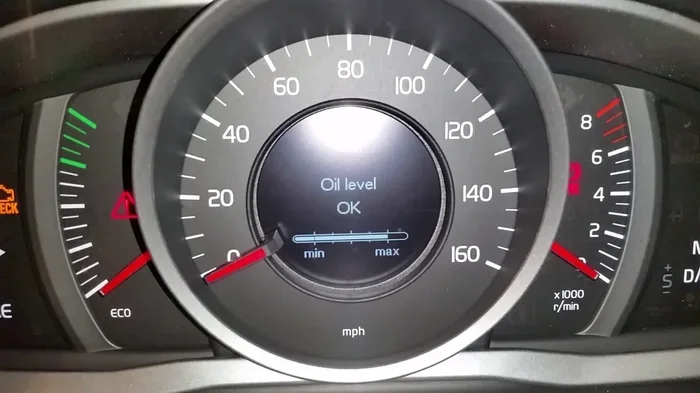
Many newer vehicles come with a digital display that shows your exact oil level. This is often found in the driver information center or multi-function display. Instead of just a warning light, you get a numerical reading or a graphical bar showing oil remaining.
This feature is incredibly convenient. You can check your oil level at any time without getting out of the car. Some vehicles even allow you to check this from the infotainment screen on the center console. It makes routine maintenance feel effortless and accessible for everyone.
How Dashboard Oil Monitoring Systems Work
Understanding how your car checks oil level on the dashboard helps you trust the system more. These systems use sensors and software to monitor oil levels in real time. The technology has evolved significantly over the past two decades.
Oil Level Sensors
Most vehicles use a float-style sensor or electronic sensor inside the oil reservoir. The float works similarly to the one in your toilet tank. As oil levels drop, the float lowers and triggers a signal. Electronic sensors use capacitance or ultrasonic technology to measure oil volume precisely.
These sensors send data to your car’s computer. The computer then processes the information and displays it on the dashboard. This entire process happens in seconds. It gives you near-instant feedback about your engine’s oil status.
Oil Pressure Sensors
Oil pressure sensors work differently from level sensors. They measure the force of oil flowing through the engine. Healthy oil pressure means oil is circulating properly and lubricating all the moving parts. When pressure drops, the sensor triggers the warning light on your dashboard.
Pressure matters just as much as level. You can have the right amount of oil but still have low pressure. This could indicate a clogged oil filter, worn engine bearings, or a failing oil pump. Both level and pressure monitoring work together to protect your engine.
Oil Life Monitoring Systems
Many modern cars include an oil life monitor. This system does not just track oil level. It monitors oil quality based on driving conditions. Factors like engine temperature, driving time, and RPM all factor into the calculation.
The system uses algorithms to estimate when your oil needs changing. Some use a simple percentage countdown. Others display a “change oil now” message when the oil degrades past a certain point. This technology takes much of the guesswork out of oil maintenance.
How to Check Oil Level on the Dashboard
Checking your oil level on the dashboard is straightforward. But the exact steps vary depending on your vehicle’s make and model. Here is a general guide that applies to most cars on the road today.
Step-by-Step Process
- Start your vehicle. Turn the ignition to the “ON” position or start the engine. Most digital displays only activate when the car is running or in accessory mode.
- Locate the dashboard display. Look at the instrument cluster behind the steering wheel. On some vehicles, you will find the oil level on the digital speedometer display.
- Navigate to the vehicle info menu. Use the steering wheel buttons or the infotainment screen to access vehicle diagnostics. Look for a menu labeled “Vehicle Info,” “Vehicle Status,” or “Maintenance.”
- Find the oil level reading. Scroll through the options until you see the oil level display. It may show a percentage, a bar graph, or a simple “OK” or “Low” message.
- Note the reading. If the display shows a percentage, anything above 20% is generally fine. Below 20% means you should consider adding oil soon. A reading of “Low” or a red indicator means you need to add oil immediately.
- Turn off the engine. After checking, turn off the vehicle. If the level is low, plan to add the correct type of oil as soon as possible.
What the Readings Mean
Different vehicles display oil level information in different ways. Here is a quick breakdown of common display formats and what they mean.
- Percentage Display: Shows oil level as a percentage of total capacity. 100% means full. Below 25% means time to add oil.
- Bar Graph: A visual bar that fills or empties based on oil level. Green zones indicate safe levels. Red zones indicate dangerously low levels.
- Text Message: Some cars display simple text like “OIL LEVEL OK” or “OIL LEVEL LOW.” These are self-explanatory and easy to understand.
- Warning Light Only: Older or simpler vehicles may only have a light that turns on when oil is low. No numerical reading is available.
| Display Type | What It Shows | Accuracy | Common In |
|---|---|---|---|
| Percentage | Exact oil level as a percent | High | Luxury and newer vehicles |
| Bar Graph | Visual representation of oil level | Medium-High | Mid-range vehicles |
| Text Message | Simple OK or Low notification | Medium | Most modern cars |
| Warning Light | On/off signal for low oil | Basic | Older or base-model vehicles |
| Oil Pressure Gauge | Real-time pressure reading | High | Performance and trucks |
Why Dashboard Oil Checks Are Not Always Enough
While checking oil level on the dashboard is convenient, it is not the complete picture. There are important limitations you should understand. Relying solely on your dashboard display can sometimes lead to problems going unnoticed.
The Dipstick Still Reigns Supreme
The traditional dipstick method remains the gold standard for checking oil level. It gives you a direct physical measurement of oil in the reservoir. Dashboard sensors estimate oil level indirectly. They can sometimes be less precise, especially as the vehicle ages.
To use the dipstick, pull it out, wipe it clean, reinsert it fully, then pull it out again. Look at the oil mark on the stick. It should fall between the minimum and maximum marks. This simple check takes about 30 seconds and gives you peace of mind that no digital system can match.
Sensor Accuracy Over Time
Oil level sensors can drift or become less accurate as your vehicle accumulates mileage. Dirt, debris, and oil sludge can interfere with sensor readings. In some cases, the sensor itself may fail and give false readings.
This is why periodic manual checks are essential. Even if your dashboard says your oil level is perfect, a quick dipstick check once a month can catch problems early. Think of the dashboard as a helpful assistant, not a replacement for hands-on maintenance.
Cold vs. Hot Engine Readings
Dashboard oil level readings can vary depending on engine temperature. Oil expands when hot and contracts when cold. This means your reading might differ between a cold start and a warm engine.
For the most accurate dashboard reading, check your oil after the engine has warmed up and been running for several minutes. However, for dipstick checks, most manufacturers recommend checking oil when the engine is cool or has been sitting for at least 10 minutes. This gives the oil time to drain back into the reservoir.
Common Dashboard Oil Warnings and What They Mean
Dashboard warning lights can feel overwhelming, especially when multiple lights appear at once. Understanding what each one means helps you respond appropriately and calmly.
Red Oil Light: Stop Immediately
A red oil light is the most urgent warning your dashboard can display. It usually indicates critically low oil pressure or extremely low oil level. If this light comes on while driving, you need to pull over safely and turn off the engine right away.
Continuing to drive with a red oil light on can result in catastrophic engine failure. The repair cost for a seized engine can easily exceed several thousand dollars. In the worst case, you may need a completely new engine. The cost of a simple oil top-off is nothing compared to that.
Yellow Oil Light: Address Soon
A yellow oil light is a less urgent warning. It typically indicates that your oil level is low but not yet at a critical point. You should add oil as soon as it is convenient. Plan to check your oil level and top off within a few days.
Yellow lights are your car’s way of saying “I need attention soon.” They give you a buffer before things become serious. Do not ignore them, but also do not panic. Use the yellow light as a reminder to take action.
Oil Change Reminder Light
The oil change reminder light is different from oil level warnings. It indicates that your vehicle’s oil life monitor has determined the oil needs replacing. This light is usually yellow or orange and may display a wrench icon or “OIL” text.
When this light comes on, schedule an oil change within the next week or two. The exact timing depends on your driving conditions. If you drive in severe conditions like extreme heat or heavy traffic, you should change the oil sooner rather than later.
Quick Tips for Dashboard Oil Monitoring
Getting the most out of your dashboard oil monitoring system is easier than you think. These quick tips will help you stay on top of your engine’s health without any extra effort.
- Check your oil display weekly. Make it a habit to glance at your oil level every time you start the car. It takes just a few seconds and builds awareness.
- Keep a log of readings. Write down your oil level readings once a month. This helps you spot trends like gradual oil consumption over time.
- Know your vehicle’s oil capacity. Check your owner’s manual to find out how much oil your engine holds. This helps you interpret percentage readings accurately.
- Use the correct oil type. Always use the oil grade recommended by your manufacturer. Wrong oil can affect sensor readings and engine performance.
- Reset oil change reminders after service. After an oil change, reset the oil life monitor. This keeps your tracking system accurate and reliable.
- Do not ignore intermittent warnings. If a light flickers on and off, pay attention. Intermittent warnings often signal developing problems that get worse over time.
- Keep the dashboard display clean. A dirty or cracked dashboard cover can make it hard to read indicators. Wipe your instrument cluster regularly.
Common Mistakes People Make with Dashboard Oil Checks
Even experienced drivers make mistakes when monitoring oil on the dashboard. Being aware of these common errors helps you avoid them and keep your engine healthy.
Ignoring the Warning Light
The biggest mistake is simply ignoring a dashboard oil warning. Some drivers see the light and hope it goes away on its own. It almost never does. Ignoring oil warnings is the fastest way to turn a minor issue into a major repair bill.
Confusing Oil Pressure and Oil Level
Many people assume the oil pressure light and oil level light mean the same thing. They do not. Oil pressure measures the force of oil flowing through the engine. Oil level measures how much oil is in the reservoir. Both matter, and both require different responses.
Relying Only on the Dashboard
Dashboard sensors are helpful, but they are not infallible. Relying exclusively on digital readings without ever using the dipstick is a mistake. Sensors fail, readings drift, and manual checks provide a reliable backup that no electronic system can replace.
Topping Off with the Wrong Oil
When the dashboard says your oil is low, some drivers grab whatever oil is in the garage. Using the wrong oil type can cause poor engine performance, reduced fuel economy, and potential damage. Always match the oil type specified in your owner’s manual.
Expert Insights on Dashboard Oil Monitoring
We spoke with several certified automotive technicians about dashboard oil monitoring. Their advice reinforces what we have covered in this guide and adds some valuable professional perspectives.
Mark Stevens, ASE Certified Master Technician: “I see too many customers who waited too long because they trusted a digital display too much. Sensors fail. Wires corrode. The best drivers check their oil the old-fashioned way with a dipstick at least once a month, even if their car has a digital readout.”
Lisa Chen, Automotive Instructor at Technical Institute: “The oil life monitor in modern cars is a great tool, but it is based on algorithms, not actual oil testing. It estimates oil degradation based on driving patterns. If you drive in severe conditions, the system may not account for that accurately. I always recommend shorter oil change intervals than what the computer suggests.”
James Rodriguez, Long-Haul Truck Driver with 20 Years of Experience: “On my truck, I have both a digital oil pressure gauge and a traditional dipstick. I check both every morning before a run. The gauge gives me instant information, but the dipstick gives me certainty. You cannot put a price on that peace of mind.”
When to See a Professional
Dashboard oil warnings sometimes indicate problems that go beyond simply adding oil. Knowing when to seek professional help saves you time, money, and prevents further engine damage.
- The oil light stays on after adding oil. This could indicate a serious problem like a failed oil pump, clogged oil passage, or internal engine wear.
- You need to add oil frequently. If you are adding oil every week or two, you likely have an oil leak or your engine is burning oil. Both issues need professional diagnosis.
- The oil appears dark or gritty. Dashboard systems cannot tell you about oil quality visually. If your oil looks dirty or contains particles, it is time for an oil change and possibly a professional inspection.
- You notice blue or white exhaust smoke. This can indicate oil burning in the combustion chamber, which is a serious issue that needs immediate attention.
- Your oil pressure gauge shows erratic readings. Fluctuating pressure can signal a failing oil pump, clogged pickup tube, or worn bearings.
Key Takeaways
- Dashboard oil monitoring is convenient and helpful, but it works best as a complement to regular manual checks, not a replacement for them.
- Know your warning lights. Red means stop immediately. Yellow means address soon. The oil change reminder means schedule service.
- Digital displays give you real-time oil level data, but sensor accuracy can degrade over time and with high mileage.
- The dipstick method remains the most reliable way to verify oil level. Use it monthly alongside your dashboard monitoring.
- Address oil warnings promptly. Delaying action on oil-related dashboard alerts is the number one cause of preventable engine damage.
- Use the correct oil type and weight as specified in your owner’s manual for optimal sensor accuracy and engine protection.
- Regular oil monitoring is one of the simplest and most cost-effective maintenance habits you can develop as a vehicle owner.
Conclusion
Can you check oil level on the dashboard? Absolutely. Modern vehicles make it easier than ever to monitor your engine’s oil status without popping the hood. Digital displays, warning lights, and oil life monitors give you real-time information at a glance. These tools empower you to take charge of your vehicle’s maintenance and catch problems early.
However, convenience should not replace thoroughness. The most responsible car owners use dashboard monitoring as one tool in their maintenance toolkit. They also perform regular dipstick checks, follow recommended oil change intervals, and respond quickly to any warnings. This combination of digital convenience and hands-on attention keeps engines running strong for years.
Your dashboard is constantly communicating with you. The key is learning its language. Once you understand what each light, symbol, and reading means, you become a more confident and capable vehicle owner. You save money, avoid unexpected breakdowns, and gain peace of mind every time you turn the key.
Start today. Take a moment to locate your oil-related dashboard indicators. Read your owner’s manual to understand what each one means. Make it a habit to check your oil level on the dashboard every time you drive. Your engine will thank you for it, and your wallet will too. Checking your oil level on the dashboard is a small action that delivers big results for your vehicle’s long-term health.
Frequently Asked Questions
Can I trust the oil level reading on my dashboard?
In most cases, yes. Dashboard oil level readings are generally reliable, especially in newer vehicles with well-maintained sensors. However, sensors can become less accurate over time or with high mileage. For the most reliable verification, use the dipstick method alongside your digital display.
What should I do if the oil warning light comes on while driving?
If the oil warning light comes on while you are driving, pull over safely as soon as possible and turn off the engine. Do not continue driving. Check your oil level with the dipstick if you can. If the oil is low, add oil immediately. If the light stays on after adding oil, call a tow truck and have your vehicle inspected by a professional.
How often should I check my oil level on the dashboard?
You should glance at your dashboard oil reading every time you start your vehicle. For a more thorough check, use the dipstick method once a month or before any long road trip. Consistent monitoring helps you catch oil consumption problems early before they cause engine damage.
Can low oil cause the check engine light to come on?
Yes, in some cases. Very low oil level or low oil pressure can trigger the check engine light because the engine is not operating under proper conditions. However, the check engine light has many possible causes. If it comes on, use an OBD2 scanner or visit a mechanic to determine the exact reason.
Does the oil life monitor tell me when to change my oil?
The oil life monitor estimates when your oil needs changing based on driving conditions and algorithms. It is a helpful guide, but it is not a substitute for regular oil changes at manufacturer-recommended intervals. If you drive in severe conditions, you may need to change your oil more frequently than the monitor suggests.
Is it normal for the oil level to drop between checks?
A small amount of oil consumption between checks is normal, especially in older vehicles or those with high mileage. However, if you notice the oil level dropping significantly within a short period, this could indicate an oil leak or engine oil burning. Have a professional inspect your vehicle to rule out serious problems.
=== META TITLE ===
Check Oil Level on Dashboard: Your Complete Guide
=== URL SLUG ===
check-oil-level-on-dashboard
=== SEO TITLE ===
Can You Check Oil Level on the Dashboard? Keep Reading