Can a Dirty Air Filter Cause Your Car to Overheat
A dirty air filter can absolutely cause your car to overheat by restricting airflow to the engine, disrupting the fuel-air mixture, and reducing cooling efficiency. When the air filter becomes clogged with dirt, debris, and contaminants, your engine struggles to breathe properly, leading to engine overheating, poor fuel efficiency, and even long-term engine damage. Understanding the connection between your air intake system and engine temperature is essential for every car owner.
Key Takeaways
- A dirty air filter restricts airflow: Less air means a richer fuel mixture, which generates more heat and can lead to engine overheating.
- Engine overheating is a real risk: A clogged air filter forces your engine to work harder, increasing internal temperatures significantly.
- Warning signs are easy to spot: Reduced acceleration, black smoke, and a check engine light can all point to a dirty air filter.
- Regular replacement prevents problems: Changing your air filter every 12,000 to 15,000 miles keeps your engine running cool and efficient.
- Other factors also cause overheating: A dirty air filter is one piece of the puzzle; coolant levels, radiator health, and thermostat function matter too.
- DIY replacement is simple: You can replace your air filter at home in under 15 minutes with basic tools.
- Prevention saves money: Staying on top of air filter maintenance avoids costly repairs and keeps your vehicle running smoothly.
📑 Table of Contents
- What Happens When a Dirty Air Filter Restricts Airflow
- How a Clogged Air Filter Leads to Engine Overheating
- Warning Signs Your Air Filter Is Causing Problems
- Dirty Air Filter vs. Other Causes of Car Overheating
- How to Prevent Overheating Caused by a Dirty Air Filter
- How to Replace Your Air Filter in 15 Minutes
- Long-Term Effects of Ignoring a Dirty Air Filter
- Conclusion
What Happens When a Dirty Air Filter Restricts Airflow
Your car engine needs air to run. It is that simple. The engine burns fuel by mixing it with clean air. This mixture ignites inside the combustion chamber and powers your vehicle. But when the air filter gets dirty, everything changes.
A clogged air filter blocks the flow of air into the engine. Think of it like trying to breathe through a pillow. Your engine suffocates. It cannot get the oxygen it needs for proper combustion. This creates a chain reaction of problems that can affect your entire vehicle.
The air intake system is designed to pull in a precise amount of air. When that flow gets restricted, the engine compensates by adding more fuel. This creates a “rich” mixture. A rich mixture burns inefficiently. It produces excess heat. Over time, this extra heat builds up inside the engine.
How Airflow Restriction Affects Engine Temperature
When your engine runs rich, it generates more heat than normal. The cooling system has to work overtime to compensate. But here is the problem. The cooling system was designed for a properly balanced engine. It cannot keep up when the engine is constantly running hot.
Several things happen when airflow drops:
- The fuel-air mixture becomes too rich.
- Combustion temperatures rise inside the cylinders.
- The exhaust system absorbs excess heat.
- The radiator struggles to cool the coolant effectively.
- Engine components expand from the extra heat.
All of these factors push your engine closer to the danger zone. A dirty engine air filter is often overlooked as a cause of overheating. But it is one of the most common and easily fixable culprits.
Quick Tip: Check your air filter every time you get an oil change. It takes about 30 seconds and can save you from costly repairs later.
How a Clogged Air Filter Leads to Engine Overheating
Now let us connect the dots. How exactly does a dirty air filter lead to engine overheating? The process is gradual. It does not happen overnight. But it happens steadily if you ignore the problem.
First, the clogged filter reduces the volume of air entering the engine. Less air means incomplete combustion. Incomplete combustion leaves unburned fuel in the cylinders. This unburned fuel creates extra carbon deposits. These deposits absorb heat and raise the overall temperature of the engine.
Second, the rich fuel mixture burns at a higher temperature. Normal combustion happens at controlled temperatures. But a rich mixture burns hotter and faster. This excess heat transfers to the engine block, the head, and surrounding components. The cooling system cannot dissipate heat fast enough.
Third, a restricted air filter reduces the cooling effect of incoming air. The air that enters your engine does more than just help with combustion. It also helps cool internal components. When that air flow drops, internal temperatures climb.
The Role of the Mass Airflow Sensor
Modern cars have a mass airflow sensor (MAF sensor). This sensor measures the amount of air entering the engine. It tells the engine control unit (ECU) how much fuel to inject. When a dirty air filter reduces airflow, the MAF sensor sends incorrect data.
The ECU then adjusts the fuel mixture based on bad information. This can make the problem worse. The engine runs even richer than it should. More fuel burns. More heat generates. The cycle continues until you fix the root cause.
In severe cases, the ECU triggers the check engine light. This is your car telling you something is wrong. Do not ignore it. A flashing check engine light combined with overheating is a serious warning.
Expert Insight: Many mechanics see cars brought in for overheating that turn out to have nothing wrong with the cooling system. A simple air filter replacement solves the problem. Always check the basics first before diving into expensive repairs.
Warning Signs Your Air Filter Is Causing Problems
Your car tells you when something is wrong. You just need to know what to look for. Here are the most common air filter symptoms that point to a dirty filter causing overheating or poor performance.
Reduced Engine Power and Acceleration
Do you feel sluggish when you press the gas pedal? A dirty air filter limits the air your engine receives. Less air means less power. Your engine cannot perform at its best. You might notice this most when climbing hills or towing heavy loads.
Black or Dark Exhaust Smoke
Black smoke from your exhaust is a clear sign of a rich fuel mixture. When the engine burns too much fuel and not enough air, the exhaust turns dark. This is often accompanied by a strong fuel smell. If you see black smoke, check your air filter immediately.
Unusual Engine Sounds
A starved engine can make strange noises. You might hear sputtering, coughing, or popping sounds. These happen because the combustion process is uneven. The engine is struggling to get enough air for smooth operation.
Decreased Fuel Efficiency
Are you filling up your gas tank more often than usual? A dirty air filter causes your engine to burn more fuel than necessary. The rich mixture wastes gasoline. Over time, this adds up to significant extra costs at the pump. Poor fuel efficiency is one of the earliest signs of air filter problems.
Engine Misfires and Stalling
In severe cases, a clogged filter can cause engine misfires. The combustion chambers do not get enough air. The fuel mixture ignites improperly. This causes misfires that can make your car shake, vibrate, or stall. A misfiring engine also produces higher levels of harmful emissions.
Overheating Temperature Gauge Readings
The most obvious sign is your temperature gauge climbing into the red zone. If your temperature gauge runs higher than normal, a dirty air filter could be the cause. Check the air filter first before assuming the worst. It is the cheapest and easiest thing to inspect.
Common Mistake: Many drivers ignore the temperature gauge until it hits the red zone. By then, damage may already be occurring. Make it a habit to glance at your gauge during every drive. Catching early warnings saves you from expensive repairs.
Dirty Air Filter vs. Other Causes of Car Overheating
A dirty air filter is not the only reason a car overheats. Understanding what else causes overheating helps you diagnose the problem correctly. Here is a comparison of common causes.
| Cause | Severity | Easy to Fix? | Overheating Risk |
|---|---|---|---|
| Dirty Air Filter | Low to Moderate | Yes, very easy | Moderate |
| Low Coolant Level | High | Yes, moderate | Very High |
| Broken Thermostat | High | Moderate | Very High |
| Radiator Fan Failure | High | Moderate | Very High |
| Water Pump Failure | Critical | Difficult | Extreme |
| Head Gasket Leak | Critical | Very Difficult | Extreme |
| Clogged Radiator | Moderate to High | Moderate | High |
| Broken Serpentine Belt | Moderate | Easy | Moderate to High |
As you can see, a dirty air filter ranks relatively low in severity. But do not let that fool you. A simple problem left unchecked can snowball into bigger issues. A clogged filter stresses the engine. Over time, that stress contributes to wear and tear on other components.
The good news is that air filter replacement is the easiest and cheapest maintenance task on this list. You can do it yourself in most cases. It costs just a few dollars for a new filter. Compare that to a water pump replacement that can run several hundred dollars.
Quick Tips for Diagnosing Overheating:
- Start with the simplest fixes first. Check your air filter, coolant level, and belts.
- Look under your car for any fluid leaks. Coolant leaks are a major overheating cause.
- Listen for unusual sounds from the radiator or water pump area.
- Use a scan tool to check for error codes if your check engine light is on.
- When in doubt, visit a trusted mechanic for a professional diagnosis.
How to Prevent Overheating Caused by a Dirty Air Filter
Prevention is always better than repair. Keeping your air filter clean is one of the simplest ways to prevent engine overheating. Here is how you can stay ahead of the problem.
Follow the Manufacturer’s Replacement Schedule
Most manufacturers recommend replacing your engine air filter every 12,000 to 15,000 miles. However, this is just a guideline. If you drive in dusty conditions, on unpaved roads, or in heavy traffic, you may need to replace it more often. Check your owner’s manual for the specific recommendation for your vehicle maintenance schedule.
Inspect Your Air Filter Monthly
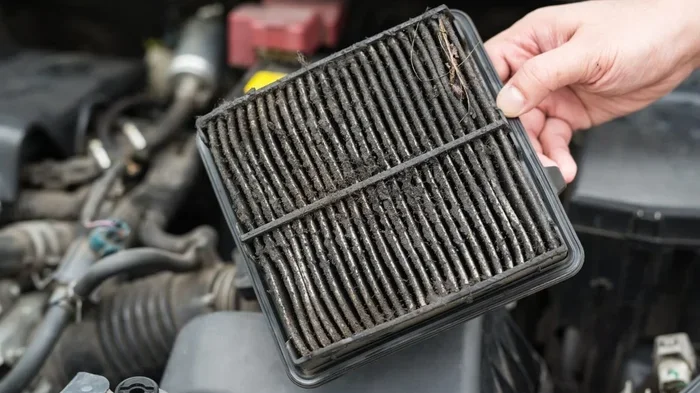
Get in the habit of checking your air filter once a month. The inspection process is simple. Open the air filter housing, pull out the old filter, and hold it up to a light source. If you cannot see light through the filter, it is time for a replacement. This simple habit takes less than two minutes.
Choose the Right Replacement Filter
Not all air filters are the same. You have several options:
- Standard paper filters: Affordable and effective. These are the most common choice for everyday driving.
- High-performance filters: Better airflow and filtration. They cost a bit more but offer improved engine performance.
- Reusable cotton filters: These can be cleaned and reused. They offer excellent airflow but require regular maintenance.
Choose a filter that matches your driving conditions and budget. For most drivers, a standard OEM-quality filter works perfectly well.
Keep Your Engine Bay Clean
Dirt and debris around the engine can find their way into the air intake system. Keep your engine bay clean and free of loose debris. This simple step extends the life of your air filter and protects your engine.
Address Warning Signs Immediately
Do not wait for a problem to become severe. If you notice any engine warning signs like reduced power, dark exhaust, or a rising temperature gauge, inspect your air filter right away. Early action prevents bigger problems down the road.
Expert Insight: Many car owners do not realize that the cabin air filter and the engine air filter are two different components. The cabin air filter cleans the air inside your car. The engine air filter cleans the air that goes into the engine. Both need regular attention, but only the engine air filter affects engine temperature and performance.
How to Replace Your Air Filter in 15 Minutes
Replacing your air filter is one of the easiest DIY car maintenance tasks you can do. You do not need mechanic skills or expensive tools. Here is a step-by-step guide.
What You Need
- A new air filter (check your owner’s manual for the correct part number)
- A flathead screwdriver or clip remover
- A clean cloth
- About 15 minutes of your time
Step-by-Step Process
- Locate the air filter box. It is usually a black rectangular box near the top of the engine. Follow the large intake hose from the engine to find it.
- Open the housing. Release the clips or unscrew the fasteners holding the lid in place. Some models use wing nuts that you can loosen by hand.
- Remove the old filter. Lift the old filter out carefully. Note which direction it was facing so you can install the new one correctly.
- Clean the housing. Use a clean cloth to wipe out any dirt or debris inside the filter box. This prevents contamination of the new filter.
- Insert the new filter. Place the new filter in the correct orientation. Make sure it sits flat and snug against the bottom of the housing.
- Close the lid. Secure all clips, screws, or fasteners. Make sure the seal is tight and no air can bypass the filter.
That is it. You have just completed a basic air filter replacement. Your engine now has a clean supply of air. This simple task can improve your fuel efficiency, restore engine power, and help prevent overheating.
Quick Tip: Mark the date of your air filter replacement on the filter itself with a marker. This makes it easy to track when it is time for the next change.
Common Mistakes During Air Filter Replacement
Even simple tasks can go wrong. Here are mistakes to avoid:
- Installing the filter backwards: The filter has an airflow direction arrow. Always follow this arrow during installation.
- Using the wrong filter size: A filter that is too small will not seal properly. A filter that is too big will not fit. Always match the part number exactly.
- Forgetting to secure the housing: A loose lid allows unfiltered air into the engine. This defeats the purpose of the filter entirely.
- Ignoring the housing condition: If the filter box is cracked or damaged, replace it. A damaged housing lets dust bypass the filter.
Long-Term Effects of Ignoring a Dirty Air Filter
What happens if you just keep driving with a dirty air filter? The consequences get worse over time. Here is what you risk by neglecting this simple maintenance task.
Engine damage: Prolonged overheating can warp engine components. Cylinder heads can crack. Gaskets can blow. These repairs are expensive and sometimes require a full engine replacement.
Reduced engine life: An engine that constantly runs hot wears out faster. Internal parts experience more friction and stress. Over years, this shortens the overall lifespan of your engine significantly.
Increased emissions: A rich fuel mixture produces more harmful exhaust gases. Your car fails emissions tests more easily. You contribute more to air pollution with a dirty filter.
Higher repair bills: Small problems grow when ignored. A 5-dollar air filter prevents thousands of dollars in engine repairs. The math is simple. Stay on top of this basic maintenance task.
Poor driving experience: Beyond the mechanical damage, a dirty filter makes your car drive poorly. Sluggish acceleration, rough idling, and stalling make every trip unpleasant. Your car should feel responsive and smooth. A clean air filter helps make that happen.
Key Takeaways (repeated for emphasis): A dirty air filter restricts airflow, creates a rich fuel mixture, and generates excess heat. This can lead to engine overheating and long-term damage. Regular inspection and timely replacement are the keys to preventing these problems. Your air filter is a small part of your car that has an outsized impact on engine health, performance, and longevity.
Conclusion
The answer to the question can a dirty air filter cause your car to overheat is a definitive yes. A clogged filter restricts airflow, disrupts the fuel-air balance, and forces your engine to work harder than it should. The extra effort generates excess heat that your cooling system may not be able to handle.
The good news is that this is one of the easiest problems to fix. A simple air filter replacement costs very little and takes just minutes. You can do it yourself at home, or a mechanic can do it in under five minutes during any routine service visit.
Pay attention to the warning signs. If your engine feels sluggish, your exhaust turns dark, or your temperature gauge rises, check your air filter first. You might be surprised at how often this simple component is the root cause of a big problem.
Stay proactive with your vehicle maintenance. Inspect your air filter regularly. Replace it on schedule. Keep your engine breathing clean air. Your car will run cooler, perform better, use less fuel, and last longer. A clean air filter is a small investment that pays big dividends for the health of your engine and your wallet.
Take five minutes today to check your air filter. It might just save you from an overheating headache tomorrow. Your engine will thank you for it.
Frequently Asked Questions
How often should I replace my engine air filter?
Most manufacturers recommend replacing your engine air filter every 12,000 to 15,000 miles. However, if you drive in dusty or polluted conditions, you may need to replace it more frequently. A quick visual inspection every month can help you determine the right timing for your specific driving conditions.
Can a dirty cabin air filter cause engine overheating?
No, the cabin air filter and the engine air filter are separate components. The cabin air filter cleans the air inside your car’s passenger compartment. Only the engine air filter affects engine performance and temperature. Make sure you are checking the right filter when troubleshooting overheating issues.
What happens if I drive too long with a dirty air filter?
Driving with a dirty air filter for extended periods can cause your engine to run rich, produce excess heat, and eventually overheat. Over time, this can lead to reduced fuel efficiency, engine misfires, and even permanent engine damage. It is a small part that can cause big problems if neglected.
How much does an air filter replacement cost?
A standard engine air filter costs between 15 and 30 dollars for the part alone. If you have a mechanic install it, you might pay an additional 20 to 50 dollars for labor. Many car owners save money by doing the replacement themselves. It is one of the most affordable maintenance tasks you can perform.
Can a dirty air filter cause a check engine light to come on?
Yes, a severely clogged air filter can trigger the check engine light. When the engine runs too rich due to restricted airflow, the oxygen sensors and mass airflow sensor detect abnormal readings. The ECU then logs error codes that illuminate the check engine light on your dashboard. Always check the air filter when this light appears.
Is it safe to drive my car if it is overheating?
No, it is not safe to continue driving an overheating car. Pull over safely, turn off the engine, and let it cool down. Continuing to drive with an overheating engine can cause catastrophic damage including a blown head gasket, warped engine block, or cracked cylinder head. Have your vehicle towed to a mechanic if the temperature gauge stays in the red zone.