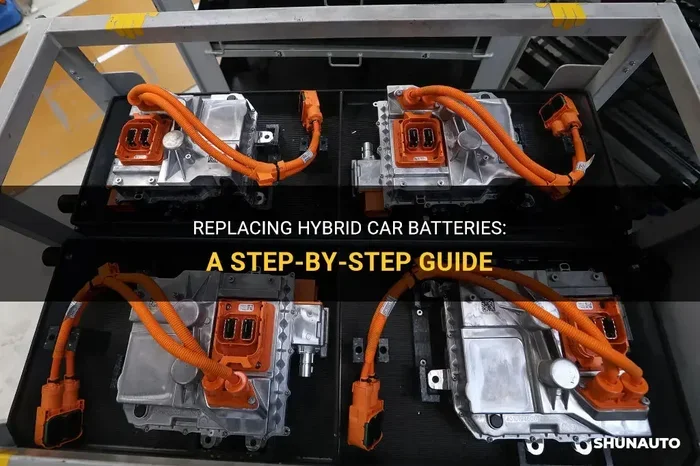
At What Mileage Does a Hybrid Battery Need Replacing
Most hybrid batteries need replacing between 80,000 and 150,000 miles, but this varies based on driving habits, climate, and battery type. Hybrid battery replacement mileage depends on factors like temperature, charging patterns, and vehicle model. Knowing the early warning signs can save you thousands in unexpected repair bills. Regular maintenance and smart driving habits can push your hybrid battery life well beyond the average.
Hybrid vehicles have changed the way we think about driving. They offer great fuel economy, smooth acceleration, and lower emissions. But one question keeps coming up from owners and buyers alike. At what mileage does a hybrid battery need replacing? The answer is not as simple as a single number. Many factors play a role in how long your hybrid battery lasts. In this guide, we will walk you through everything you need to know about hybrid battery replacement mileage. You will learn the average lifespan, warning signs, costs, and practical tips to get the most miles out of your battery pack.
If you own a hybrid or are thinking about buying one, understanding your battery is essential. The high-voltage battery pack is the heart of any hybrid vehicle. It works alongside the electric motor and gasoline engine to deliver power efficiently. Over time, this battery degrades. Its capacity shrinks. And eventually, it needs attention. Knowing when that moment comes can save you time, money, and a lot of stress. Let us dive into the details of hybrid battery life and what you can expect.
Key Takeaways
- Average replacement range: Most hybrid batteries last between 80,000 and 150,000 miles before needing replacement.
- Warning signs matter: Reduced fuel economy, strange noises, and dashboard alerts are clear signals your battery is aging.
- Climate plays a big role: Extreme heat and cold both accelerate battery degradation faster than normal driving.
- Replacement costs vary: Expect to pay between $1,000 and $6,000 depending on your vehicle and battery type.
- You can extend battery life: Simple habits like smooth driving and proper charging routines make a real difference.
- Warranty coverage helps: Most hybrid batteries come with an 8-year or 100,000-mile warranty that covers early failures.
- Refurbished options exist: A rebuilt hybrid battery can save you 30-50% compared to a brand-new pack.
📑 Table of Contents
- Understanding Hybrid Battery Life
- Signs Your Hybrid Battery Is Wearing Out
- Average Hybrid Battery Replacement Mileage
- Factors That Affect Hybrid Battery Lifespan
- Hybrid Battery Replacement Cost
- How to Extend Your Hybrid Battery Life
- Common Mistakes Hybrid Owners Make
- When to Consider Replacing the Battery
- Key Takeaways
- Conclusion
Understanding Hybrid Battery Life
Before we talk about specific mileage numbers, it helps to understand how hybrid batteries work. Most hybrid vehicles use either nickel-metal hydride (NiMH) or lithium-ion battery technology. Both types store energy and deliver it to the electric motor. They also recharge through regenerative braking, which captures energy during deceleration. This process is clever and efficient, but it does not make the battery immortal.
How Hybrid Battery Degradation Works
Every time you charge and discharge a hybrid battery, tiny chemical changes happen inside the cells. Over thousands of cycles, these changes add up. The battery slowly loses its ability to hold a full charge. This is called battery degradation. It happens to every hybrid battery over time. The rate of degradation depends on several factors we will cover later in this article.
Most manufacturers design hybrid battery packs to last the lifetime of the vehicle. In practice, that means 100,000 to 150,000 miles for many drivers. However, some batteries fail much earlier. Others keep going well past 200,000 miles. The wide range exists because hybrid battery life depends heavily on how you drive and where you live.
Nickel-Metal Hydride vs. Lithium-Ion
Older hybrid models often use nickel-metal hydride batteries. These are durable and proven. Toyota Prius models from the early 2000s used NiMH packs, and many still run strong today. Lithium-ion batteries are newer and lighter. They offer better energy density and faster recharging. Many modern hybrids and plug-in hybrids use lithium-ion technology. Both types have good track records, but they age differently. NiMH batteries tend to degrade more slowly in hot climates. Lithium-ion batteries perform better in moderate temperatures.
Signs Your Hybrid Battery Is Wearing Out
Catching battery problems early can prevent bigger issues down the road. Here are the most common signs that your hybrid battery is losing its health.
Reduced Fuel Economy
This is often the first clue. If your hybrid vehicle suddenly gets fewer miles per gallon, the battery may be the cause. A weakened battery forces the gasoline engine to work harder. You will notice this most during city driving and stop-and-go traffic. Track your fuel economy over time. A sudden drop of 10-15% is a red flag worth investigating.
Battery Warning Light on the Dashboard
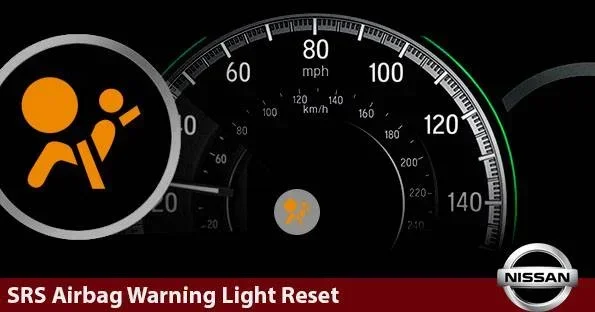
Most hybrids have a dedicated warning light for the battery system. If you see this light, do not ignore it. It means the onboard diagnostic system has detected a problem. Sometimes it is a simple sensor issue. Other times, it points to a deeper battery problem. Either way, a professional check is a smart move.
Unusual Noises from the Battery Area
Clicking, humming, or whirring sounds near the battery pack are not normal. These noises can indicate failing battery cells or a struggling cooling system. Some hybrids have fans that cool the battery pack. If that fan makes strange sounds, it could mean the system is overworking to manage heat.
Reduced Electric-Only Driving Range
Many hybrids can drive a short distance on electric power alone, especially at low speeds. If you notice this electric-only range shrinking, your battery capacity is likely declining. This is one of the most noticeable signs of hybrid battery degradation in everyday driving.
Difficulty Holding a Charge
You might notice the battery gauge dropping faster than usual, even after a full charge or a period of regenerative braking. A healthy hybrid battery should hold its charge reliably. If it cannot, the battery cells are likely wearing out unevenly.
Average Hybrid Battery Replacement Mileage
So at what mileage does a hybrid battery need replacing? Let us look at the numbers. Most hybrid batteries last between 80,000 and 150,000 miles. Some last longer. Some fail sooner. Here is a general breakdown of what to expect based on common hybrid models and battery types.
Mileage Ranges by Vehicle Type
Compact hybrid cars like the Toyota Prius often reach 100,000 to 150,000 miles before needing a new battery. Hybrid SUVs tend to see similar ranges, though larger vehicles with heavier battery packs may experience faster degradation due to greater energy demands. Plug-in hybrids use their batteries more intensely, which can shorten the overall hybrid battery life compared to standard hybrids. Full hybrid pickup trucks and larger vehicles face similar challenges due to weight and usage patterns.
Here is a quick look at average hybrid battery replacement mileage across popular vehicle types:
- Compact hybrid cars: 100,000 to 150,000 miles
- Hybrid SUVs: 80,000 to 140,000 miles
- Plug-in hybrid vehicles: 60,000 to 120,000 miles
- Full hybrid pickup trucks: 100,000 to 160,000 miles
- Mild hybrid vehicles: 120,000 to 180,000 miles
Keep in mind that these are averages. Your actual experience may differ. The key is to monitor your battery health regularly and watch for the warning signs we discussed above.
What Warranty Covers
Most hybrid manufacturers offer a battery warranty of 8 years or 100,000 miles, whichever comes first. In some states with strict emissions laws, the warranty extends to 10 years or 150,000 miles. This means if your battery fails within the warranty period, the manufacturer covers the cost of replacement. After the warranty expires, you are responsible for the full replacement cost. This is another reason why knowing your hybrid battery replacement mileage matters. You want to be prepared financially if the battery fails just outside the warranty window.
Factors That Affect Hybrid Battery Lifespan
Why do some hybrid batteries last 200,000 miles while others fail at 60,000 miles? The answer lies in a mix of factors. Understanding these can help you protect your investment and extend your hybrid battery life significantly.
Driving Habits
How you drive has a direct impact on battery health. Aggressive acceleration and hard braking put extra stress on the battery pack. Frequent deep discharges, where you drain the battery very low before recharging, also wear cells faster over time. Smooth, steady driving is the best approach for long-term battery health. If you practice gentle acceleration and allow regenerative braking to do its job, your battery will thank you with many extra miles.
Climate and Temperature
Extreme temperatures are one of the biggest enemies of hybrid batteries. High heat accelerates chemical reactions inside the battery cells, speeding up degradation. Cold temperatures reduce battery efficiency temporarily but can also cause long-term damage if the battery is repeatedly drained in freezing conditions. If you live in a very hot or very cold climate, your hybrid battery may need attention sooner than the average mileage suggests. Parking in a garage or shaded area helps protect the battery from temperature extremes.
Battery Maintenance and Care
Regular maintenance goes a long way. Keeping the battery cooling system clean and functional is critical. The battery coolant should be checked and replaced according to your vehicle manual. Ignoring coolant services can lead to overheating, which damages battery cells over time. Also, make sure all electrical connections are clean and secure. Corroded terminals can cause voltage drops that strain the battery pack.
Vehicle Age and Mileage
Age matters as much as mileage. A hybrid battery that sits unused for long periods can lose capacity. The cells self-discharge over time, and if the charge drops too low, permanent damage can occur. If you own a hybrid that you only drive occasionally, make sure to start it and drive it regularly to keep the battery active and healthy.
Charging Habits for Plug-In Hybrids
Plug-in hybrid owners should pay special attention to charging routines. Constantly charging to 100% and leaving the vehicle plugged in can stress the battery. Similarly, running the battery down to near zero regularly causes wear. Most experts recommend keeping the charge between 20% and 80% for daily use. This simple habit can add years to your hybrid battery life.
Hybrid Battery Replacement Cost
Replacing a hybrid battery is not cheap. But the cost varies widely depending on several factors. Understanding what drives the price helps you make informed decisions when the time comes.
New vs. Refurbished Battery Packs
A brand-new hybrid battery pack can cost anywhere from $2,000 to $6,000 or more for parts and labor. The wide range depends on your vehicle make and model, battery type, and local labor rates. A refurbished or rebuilt battery pack costs significantly less, typically between $1,000 and $3,000. Refurbished packs have new or replaced cells installed in a tested housing. They offer a solid middle ground between a full replacement and a risky repair.
Cost by Vehicle Model
Some vehicles have more expensive batteries than others. Luxury hybrid models and larger SUVs tend to have pricier battery packs. Compact hybrids generally have lower replacement costs because the battery is smaller. Here is a rough idea of what you might expect:
- Compact hybrid cars: $1,500 to $3,500
- Mid-size hybrid sedans: $2,000 to $4,500
- Hybrid SUVs: $3,000 to $6,000
- Plug-in hybrid models: $2,500 to $7,000
These are estimates. Always get a detailed quote from a certified mechanic or dealership before committing to a replacement. Also, check if your battery is still under warranty. Many owners are surprised to learn their replacement is fully covered.
DIY vs. Professional Replacement
Some experienced car owners attempt a DIY hybrid battery replacement. This can save on labor costs, but it comes with serious risks. Hybrid battery packs carry high voltage, sometimes over 200 volts. Handling them without proper training and equipment is dangerous. Unless you are a trained automotive electrician, it is best to leave hybrid battery replacement to professionals. A certified technician has the tools and knowledge to do the job safely and correctly.
How to Extend Your Hybrid Battery Life
The good news is that you can take steps to make your hybrid battery last longer. Small changes in how you drive and maintain your vehicle can add thousands of miles to your battery pack. Here are practical tips that really work.
Drive Smoothly and Consistently
Avoid jackrabbit starts and sudden hard braking. Accelerate gently and let the regenerative braking system slow the car down naturally. Smooth driving reduces stress on both the battery and the electric motor. Over thousands of miles, this gentle approach makes a noticeable difference in battery health.
Keep the Battery Cool
Heat is the number one killer of hybrid batteries. Park in the shade when possible. Use a garage in extreme weather. If your vehicle has a battery cooling system, make sure it is serviced regularly. Clean any debris from the cooling system components. Keeping the operating temperature in the normal range protects the battery cells from premature wear.
Avoid Deep Discharges
Try not to let your hybrid battery drain to very low levels. Frequent deep discharges strain the cells and accelerate capacity loss. If you drive short trips frequently, give the battery time to recharge between trips. This is especially important for plug-in hybrids that rely more heavily on battery power.
Follow the Maintenance Schedule
Your vehicle manual has a maintenance schedule for a reason. Follow it. Regular oil changes, coolant flushes, and inspections keep the entire hybrid system running well. A well-maintained vehicle puts less strain on the battery, which means a longer battery life.
Monitor Battery Health Regularly
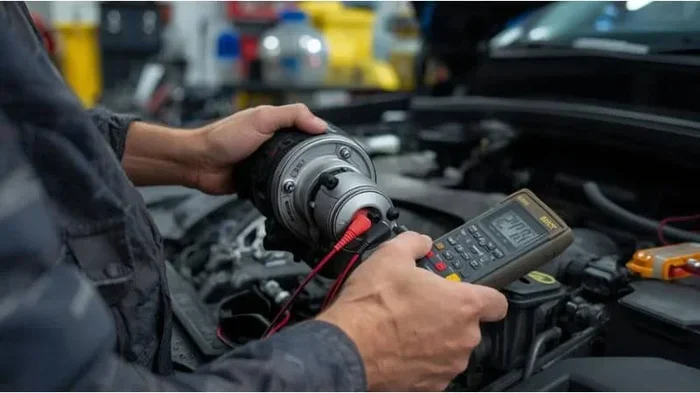
Many modern hybrids have built-in battery health monitoring systems. Use them. Some third-party diagnostic tools can give you detailed information about individual battery cell voltages and overall pack health. Catching a weak cell early can prevent a full pack failure and save you from a costly replacement.
Use the Right Charging Equipment
If you own a plug-in hybrid, use the charger recommended by the manufacturer. Cheap aftermarket chargers may not regulate voltage properly, which can harm the battery over time. Stick with trusted brands and follow the manufacturer guidelines for charging speed and frequency.
Common Mistakes Hybrid Owners Make
Even well-meaning hybrid owners sometimes make mistakes that shorten battery life. Here are the most common ones to avoid.
- Ignoring warning signs: Dismissing a dashboard alert or slight drop in fuel economy can lead to bigger problems later.
- Skipping regular maintenance: Neglecting coolant checks and system inspections puts extra strain on the battery pack.
- Charging habits: For plug-in hybrids, constantly charging to 100% or draining to zero wears the battery faster.
- Long periods of inactivity: Letting a hybrid sit unused for weeks or months can cause battery self-discharge and cell damage.
- Overlooking temperature management: Parking in direct sunlight for years without protection accelerates battery degradation.
- Choosing the cheapest repair option: A low-cost repair job on a damaged battery pack can lead to repeated failures and higher costs in the long run.
Avoiding these mistakes is one of the easiest ways to protect your investment and delay hybrid battery replacement mileage well beyond the average.
When to Consider Replacing the Battery
Not every battery issue means immediate replacement. Sometimes a single bad cell or a faulty sensor causes symptoms that mimic a failing battery pack. Before you commit to a full replacement, consider these steps.
First, get a professional diagnostic test. Many shops can test individual battery cell voltages and overall pack capacity. This test tells you exactly how healthy your battery is. Second, explore repair options. Replacing a single failed module within the battery pack costs far less than replacing the entire pack. Many shops specialize in hybrid battery module replacement. Third, consider a refurbished pack. As mentioned earlier, a quality rebuilt battery can restore performance at a fraction of the new pack cost.
Only if these options do not resolve the issue should you invest in a full hybrid battery replacement. And even then, make sure the replacement battery comes with a solid warranty. A reputable supplier or dealership will stand behind their product.
Key Takeaways
- Average replacement range: Most hybrid batteries need replacing between 80,000 and 150,000 miles, but individual results vary widely.
- Watch for warning signs: Reduced fuel economy, dashboard lights, unusual noises, and shrinking electric range all point to battery wear.
- Climate and driving habits matter: Extreme temperatures and aggressive driving accelerate battery degradation significantly.
- Replacement costs range widely: Budget $1,000 to $6,000 depending on your vehicle, and always check warranty coverage first.
- Prevention beats repair: Smooth driving, proper charging, regular maintenance, and temperature management extend hybrid battery life.
- Explore all options: Module repair, refurbished packs, and warranty claims can save you money before committing to a full replacement.
Conclusion
The question of at what mileage a hybrid battery needs replacing does not have a one-size-fits-all answer. Most hybrid batteries last between 80,000 and 150,000 miles, but your experience depends on driving habits, climate, maintenance, and battery type. By understanding the warning signs and taking proactive steps, you can maximize your hybrid battery life and avoid unexpected costs.
Regular maintenance, smooth driving, and smart charging habits go a long way. And when the time does come for a replacement, you will be prepared. Whether you choose a new pack, a refurbished option, or a module-level repair, knowing your options puts you in control. Your hybrid vehicle is a significant investment, and the battery is at the core of that investment. Treat it well, and it will reward you with years of reliable, efficient driving.
Take action today. Monitor your fuel economy, schedule regular battery checks, and keep your hybrid battery cool and well-maintained. These simple steps help ensure your battery keeps running strong for many miles to come.
Frequently Asked Questions
What is the average hybrid battery replacement mileage?
Most hybrid batteries need replacing between 80,000 and 150,000 miles. However, some batteries last well beyond 200,000 miles with proper care. The exact mileage depends on your vehicle model, driving habits, and climate conditions.
How much does it cost to replace a hybrid battery?
The cost ranges from $1,000 to $6,000 for parts and labor. Compact hybrids tend to cost less, while larger SUVs and luxury models cost more. Refurbished battery packs can save you 30 to 50 percent compared to a new one.
Can I drive my hybrid with a failing battery?
Yes, but it is not recommended for long. A failing hybrid battery causes the gasoline engine to work harder, reducing fuel economy and increasing emissions. It can also lead to more serious damage to the hybrid system if ignored for too long.
Does hybrid battery warranty cover replacement?
Most manufacturers cover hybrid batteries under an 8-year or 100,000-mile warranty, whichever comes first. Some states require extended coverage of 10 years or 150,000 miles. Check your specific warranty terms to see if your replacement is covered.
Can a hybrid battery be repaired instead of replaced?
Yes, in many cases. Individual battery modules can be replaced rather than the entire pack. A professional diagnostic test can identify whether a single bad module is causing your issues. Module-level repairs cost significantly less than a full pack replacement.
How can I make my hybrid battery last longer?
Drive smoothly, avoid extreme temperatures when possible, keep the battery cooling system maintained, and avoid frequent deep discharges. Regular maintenance checks and smart charging habits for plug-in hybrids also help extend battery life significantly.