Can a Dead Battery Cause Your Steering Wheel to Lock
A dead battery can absolutely cause your steering wheel to lock, especially in modern vehicles with electronic lock systems. When your car battery dies, it cuts power to the steering lock mechanism, power steering assist, and ignition system, leaving you stranded and confused. This guide covers the real connection between a dead battery and a locked steering wheel, how to fix it, and what you can do to prevent it from happening again.
Have you ever walked out to your car, slid the key into the ignition, turned it, and found that your steering wheel is completely locked? It is a scary moment. Your mind races through a list of possible problems. And one of the first things you probably wonder is whether a dead battery could be the cause.
The short answer is yes. A dead battery can cause your steering wheel to lock. But the full story is a bit more nuanced than that. Several systems in your vehicle rely on battery power, and the steering lock mechanism is one of them. When the battery dies or loses significant charge, it can trigger the lock or make it impossible to release. Let us dive deep into exactly how this happens, what you can do about it, and how to prevent it in the future.
Whether you are dealing with a steering wheel stuck tight or a car that will not start at all, understanding the connection between your battery and your steering system can save you time, money, and a lot of frustration. This article breaks down everything you need to know about dead battery steering wheel lock situations.
Key Takeaways
- A dead battery can trigger the steering wheel lock: Without power, electronic steering locks engage automatically as a security feature.
- Power steering fails when the battery dies: Electric power steering systems need battery voltage to function properly.
- Key fob batteries can also cause lock issues: A weak key fob battery may prevent the ignition from recognizing the key.
- Simple fixes exist for most steering lock problems: Wiggling the wheel, tapping the ignition, or jump-starting often solves the issue.
- Prevention is easy with regular battery maintenance: Regular inspections and timely replacements keep your steering system working.
- Ignition switch problems mimic dead battery symptoms: Sometimes the real culprit is a faulty ignition lock cylinder, not the battery itself.
- Seek professional help if basic fixes fail: Persistent steering lock issues may signal deeper electrical or mechanical problems.
📑 Table of Contents
- How the Steering Wheel Lock Mechanism Works
- Can a Dead Battery Cause the Steering Wheel to Lock?
- Common Symptoms of a Battery-Related Steering Lock
- How to Fix a Steering Wheel Locked by a Dead Battery
- Prevention Tips to Avoid Steering Wheel Lock from Battery Issues
- When the Problem Is Not the Battery
- Expert Insights on Steering Lock and Battery Health
- Key Takeaways
- Frequently Asked Questions
- Conclusion
How the Steering Wheel Lock Mechanism Works
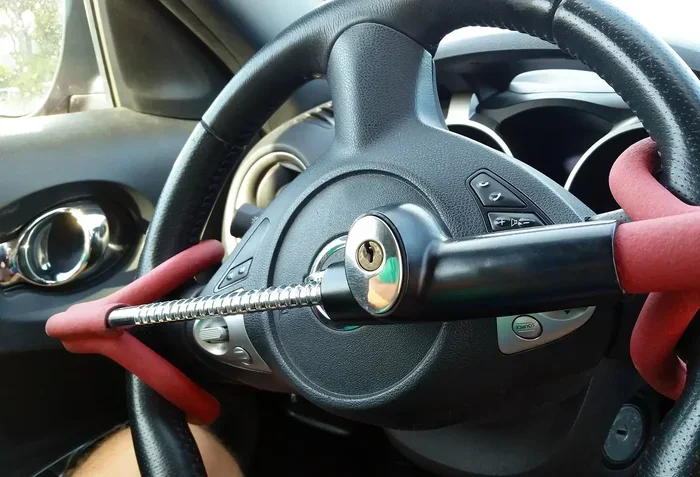
Before we get into the battery connection, it helps to understand how the steering wheel lock actually works. Most modern cars have some form of a steering lock built into the steering column. This is a security feature designed to prevent theft. When you turn off your car and remove the key, a pin or lever drops into place, physically blocking the steering column from turning.
The Mechanical Steering Lock
In older vehicles, the steering lock is purely mechanical. A small steel pin drops between the teeth of a gear on the steering column. This makes it physically impossible to turn the wheel. You have probably seen this in action if you ever tried to turn the steering wheel with the ignition off. It will not budge.
This type of lock does not need any electrical power to work. So a dead battery would not directly cause a mechanical lock to engage. However, it can still cause problems when you try to release it, which we will cover shortly.
The Electronic Steering Lock
Newer vehicles use electronic steering locks. These are part of the car’s immobilizer system. When the ignition is off, an electric motor or solenoid engages a lock pin inside the steering column. This electronic lock absolutely depends on the car battery for power.
When the battery dies, the electronic lock may stay engaged. In some cases, the system loses its ability to recognize the key or key fob, which means the lock will not release even when you insert the key and turn it. This is where the connection between a dead battery and steering wheel lock becomes very real.
Can a Dead Battery Cause the Steering Wheel to Lock?
Now let us answer the big question directly. Yes, a dead battery can cause your steering wheel to lock or make it seem locked. Here is how it happens step by step.
Loss of Power Steering Assist
Many modern cars use electric power steering or a hybrid system that relies on the battery. When the battery dies, the power steering assist shuts off. The steering wheel becomes very stiff and hard to turn. Some drivers mistake this stiffness for a locked steering wheel.
In reality, the steering column is not locked. But the lack of power assist makes the wheel feel completely immobile. This is especially common when the car is stationary and you try to turn the wheel with the engine off.
Electronic Immobilizer Confusion
Your car’s immobilizer system communicates with your key or key fob using signals from the battery. When the battery is dead, the immobilizer may not recognize the key. The system thinks someone is trying to steal the car and keeps the steering lock engaged.
This is a common issue in vehicles with push-button start systems. If your key fob battery dies, the car may not detect the fob at all. The result? The steering wheel stays locked and the engine will not crank.
Ignition Switch Failure
The ignition switch needs battery power to move the lock cylinder from the lock position to the run position. Without sufficient voltage, the switch may not engage fully. This leaves the steering lock in place even when you have the key inserted and turned.
Battery corrosion on the terminals can make this problem worse. Corrosion reduces the current flow to the ignition switch, which can mimic the symptoms of a completely dead battery.
Common Symptoms of a Battery-Related Steering Lock
How do you know if your steering wheel lock is caused by a dead battery? Here are the most common symptoms to watch for.
The Car Will Not Start
This is the most obvious sign. When you turn the key or press the start button, nothing happens. The dashboard lights may be dim or completely off. If your car will not start and the steering wheel feels stiff, a dead battery is likely the cause.
Dashboard Lights Are Dim or Flickering
When the battery is weak or dead, the electrical systems in your car do not get enough power. The dashboard lights may appear dimmer than usual or flicker when you try to start the engine. This is a clear sign that the battery is not delivering sufficient voltage.
Key Fob Does Not Work
If your car uses a push-button start, a dead key fob battery can prevent the car from recognizing the key. The steering wheel stays locked and the engine will not start. Many drivers replace the car battery when the real problem is the key fob battery.
Steering Wheel Feels Stiff or Won’t Move
A dead battery kills power steering assist. The steering wheel becomes very hard to turn, especially at low speeds or when parked. While the column may not be physically locked, the stiffness can feel exactly the same.
Clicking Sound When You Turn the Key
A rapid clicking noise when you turn the ignition is a classic sign of a dead or dying battery. The starter motor is trying to engage but does not have enough power. This often accompanies a locked steering wheel.
How to Fix a Steering Wheel Locked by a Dead Battery
If your steering wheel is locked and you suspect a dead battery, do not panic. There are several things you can try to fix the problem. Here is a step-by-step guide.
Step 1: Try Wiggling the Steering Wheel
This is the simplest fix and it works more often than you might think. While you try to turn the key in the ignition, gently wiggle the steering wheel back and forth. This can release the mechanical lock pin that has dropped into place.
Use moderate force. Do not yank the wheel or force the key. Gentle, steady pressure on both the wheel and the key at the same time is the best approach.
Step 2: Check the Key Fob Battery
If your car uses a key fob, the problem might be the fob battery, not the car battery. Replace the coin cell battery inside the fob and try again. This is a quick and inexpensive fix that many people overlook.
Most key fobs use a CR2032 battery. You can find one at any grocery store or gas station. The replacement process usually takes less than a minute.
Step 3: Jump-Start the Car
Jump-starting the car can restore power to the electrical systems and release the steering lock. Use jumper cables and a working vehicle or a portable jump starter. Connect the cables correctly and let the dead battery charge for a few minutes before trying to start the engine.
Once the car starts, the power steering assist should return, and the electronic steering lock should release. Try turning the steering wheel gently to confirm it moves freely.
Step 4: Clean the Battery Terminals
Battery corrosion can prevent proper electrical connection even if the battery is not completely dead. Look at the terminals for white or greenish buildup. Clean them with a wire brush or a baking soda and water solution.
After cleaning, reconnect the terminals and try starting the car again. This simple maintenance step can resolve many steering lock issues caused by poor electrical contact.
Step 5: Replace the Car Battery
If none of the above steps work, the battery may need to be replaced. Car batteries typically last three to five years. If yours is older, a new battery will solve the problem and prevent future steering lock issues.
Make sure to choose the right battery size and type for your vehicle. Check your owner’s manual or ask a mechanic at the auto parts store for guidance.
Prevention Tips to Avoid Steering Wheel Lock from Battery Issues
The best way to deal with a steering wheel lock is to prevent it from happening in the first place. Here are some practical tips to keep your battery healthy and your steering system working properly.
Get Your Battery Tested Regularly
Have your battery tested at every oil change or at least twice a year. Most auto parts stores offer free battery testing. This helps you catch a weak battery before it dies completely and causes a steering lock.
Replace the Battery Before It Dies
Do not wait for your battery to die completely. If you notice slow cranking, dim lights, or electrical issues, replace the battery proactively. A new battery costs far less than a towing bill or a lockout situation.
Keep the Key Fob Battery Fresh
Replace your key fob battery at least once a year. A weak fob battery can cause all sorts of issues, including steering lock problems in push-start vehicles. Set a reminder on your phone to make it a routine task.
Drive Your Car Regularly
Cars that sit unused for long periods are more likely to have battery problems. If you have a secondary vehicle or a classic car, drive it at least once a week for 15 to 20 minutes. This keeps the battery charged and the electrical systems functioning.
Use a Battery Tender for Long-Term Parking
If you plan to park your car for an extended period, use a battery tender or trickle charger. This maintains the battery charge and keeps all electronic systems, including the steering lock, in working order.
Keep the Terminals Clean
Corrosion on battery terminals is a leading cause of electrical problems. Clean the terminals every few months with a wire brush and a baking soda solution. This ensures a strong, consistent connection and prevents power loss that could trigger a steering lock.
When the Problem Is Not the Battery
Sometimes a steering wheel lock is not caused by a dead battery at all. It is important to consider other possible causes so you do not waste time and money on the wrong fix.
Faulty Ignition Lock Cylinder
The ignition lock cylinder can wear out over time. When this happens, the key may not turn properly, and the steering lock stays engaged. If you have a fully charged battery and the steering wheel is still locked, the ignition cylinder may be the real culprit.
Broken Steering Lock Mechanism
In rare cases, the steering lock mechanism itself breaks. This can happen after an accident or due to normal wear and tear. A broken lock may need to be repaired or replaced by a professional mechanic.
Immobilizer System Malfunction
The immobilizer system can malfunction independently of the battery. If the system fails to recognize your key or key fob, it will keep the steering lock engaged. This usually requires diagnostic scanning and reprogramming by a qualified technician.
Electric Power Steering Failure
Electric power steering systems have their own dedicated motor and control module. If the power steering motor fails, the wheel becomes very hard to turn. This can feel like a locked steering wheel even though the lock mechanism itself is working fine.
Expert Insights on Steering Lock and Battery Health
Automotive experts agree that battery health is one of the most overlooked aspects of car maintenance. A weak battery can cause a cascade of problems beyond just a steering wheel lock. It can affect your fuel injection system, anti-lock brakes, and electronic stability control.
Many drivers do not realize that the steering lock is an electronic system in modern vehicles. They assume it is purely mechanical and do not think to check the battery when the wheel gets stuck. This misunderstanding leads to unnecessary tow truck calls and expensive repair bills.
According to automotive technicians, the simplest first step when your steering wheel locks up is always to check the battery. A basic voltage test takes seconds and can save you hours of troubleshooting. If the battery reads below 12.4 volts, it is likely the cause of your steering lock problem.
Key Takeaways
- A dead battery can trigger the steering wheel lock: Without power, electronic steering locks engage automatically as a security feature.
- Power steering fails when the battery dies: Electric power steering systems need battery voltage to function properly.
- Key fob batteries can also cause lock issues: A weak key fob battery may prevent the ignition from recognizing the key.
- Simple fixes exist for most steering lock problems: Wiggling the wheel, tapping the ignition, or jump-starting often solves the issue.
- Prevention is easy with regular battery maintenance: Regular inspections and timely replacements keep your steering system working.
- Ignition switch problems mimic dead battery symptoms: Sometimes the real culprit is a faulty ignition lock cylinder, not the battery itself.
- Seek professional help if basic fixes fail: Persistent steering lock issues may signal deeper electrical or mechanical problems.
Frequently Asked Questions
Can a completely dead battery cause the steering wheel to lock?
Yes, a completely dead battery can cause the steering wheel to lock, especially in vehicles with electronic steering lock systems. When the battery loses all power, the electronic lock mechanism engages and the car’s immobilizer system prevents the ignition from turning. This is a built-in security feature designed to protect your vehicle from theft.
How do I unlock my steering wheel when the battery is dead?
Try wiggling the steering wheel gently while turning the key in the ignition. If the battery is truly dead, you will need to jump-start the car first. Once the electrical system has power, the electronic steering lock should release automatically. Cleaning the battery terminals can also help restore enough power to unlock the steering column.
Can a weak car battery cause steering wheel stiffness?
Absolutely. A weak battery reduces the power available to the electric power steering system. This causes the steering wheel to feel stiff and hard to turn, especially at low speeds or when parking. While the steering column itself may not be locked, the loss of power assist can make it feel exactly the same.
How do I know if my steering wheel lock is caused by the battery or something else?
Start by testing your battery voltage. A healthy battery should read 12.6 volts or higher. If the voltage is below 12.4 volts, the battery is likely the cause. Also check the key fob battery and the battery terminals for corrosion. If the battery tests fine, the problem may be with the ignition lock cylinder or the immobilizer system.
Is it safe to drive with a steering wheel lock engaged?
No, it is not safe to drive with a steering wheel lock engaged. A locked steering wheel prevents you from turning the car, which is extremely dangerous, especially at highway speeds. If the steering lock engages while driving, pull over safely and turn off the engine. Have the car towed to a mechanic for diagnosis and repair.
How often should I replace my car battery to prevent steering lock issues?
Most car batteries last between three and five years. Replace your battery every three to four years as a preventive measure. This helps avoid sudden failures that can leave you with a locked steering wheel. Keep a record of your battery installation date and set a reminder to replace it before it reaches the end of its lifespan.
Conclusion
A dead battery can absolutely cause your steering wheel to lock. The connection between battery health and the steering lock system is real and more common than most drivers realize. Whether it is a mechanical lock that will not release or an electronic lock triggered by a dead battery, the result is the same: your car will not start, and the steering wheel will not turn.
The good news is that most battery-related steering lock problems are easy to fix. Jump-starting the car, replacing the key fob battery, or cleaning the terminals often resolves the issue in minutes. And with regular battery maintenance, you can prevent the problem from happening in the first place.
Remember to check your battery voltage regularly, replace the battery before it fails, and keep your key fob battery fresh. These simple habits will keep your steering system working smoothly and your car running reliably. If you ever face a locked steering wheel and basic fixes do not work, do not hesitate to call a professional mechanic. Your safety on the road always comes first.
Take charge of your car’s battery health today. A little prevention goes a long way toward avoiding the frustration and danger of a steering wheel lock caused by a dead battery. Stay proactive, stay safe, and keep your vehicle in top shape.