Why Wont My Trunk Open Here Are The Simple Solutions
Why Won’t My Trunk Open is a frustrating problem every driver can face. A stuck trunk can happen for many reasons, from a simple blown fuse to a broken trunk actuator. This guide walks you through the most common causes, easy DIY fixes, and when to call a pro. You will learn how to diagnose the issue fast and get your trunk release working again. Most solutions are quick, affordable, and something you can do at home.
There is nothing worse than standing at your car, bags of groceries in hand, and realizing your trunk won’t open. You push the button, pull the handle, and nothing happens. It is one of those small car problems that can throw off your entire day. But here is the good news. Most of the time, the reason your trunk won’t open is something simple you can fix yourself.
Whether your trunk is stuck closed or the trunk release just stopped working one day, this guide has you covered. We will walk through every common cause, every DIY fix, and every situation where you should call a professional. By the end, you will know exactly what to do and how to do it. Let us get your trunk back in working order.
Key Takeaways
- Blown fuse or wiring issue: A simple fuse replacement often fixes a trunk that won’t open in minutes.
- Stuck trunk latch: Dirt and grime build up over time and can freeze your trunk latch in place.
- Faulty trunk actuator: The electric motor behind your trunk release can wear out and need replacement.
- Manual override exists: Every car has a hidden emergency trunk release you can use.
- Regular maintenance prevents problems: Lubricating your trunk latch a few times a year keeps everything working smoothly.
- Know when to call a mechanic: Some trunk issues need professional tools and expertise to fix safely.
📑 Table of Contents
Common Reasons Your Trunk Won’t Open
Before you start poking around under your car, it helps to know what might be causing the problem. A trunk that won’t open usually comes down to a handful of common culprits. Understanding the root cause saves you time and prevents unnecessary repairs.
A Stuck Trunk Lock
The trunk lock is the first thing to check. Over time, dirt, dust, and moisture can build up inside the lock cylinder. This gunk can make the lock stiff or completely jammed. In cold weather, any moisture inside the lock can freeze and lock the mechanism in place.
If you use a trunk key and it won’t turn, try spraying a small amount of lock lubricant into the cylinder. Let it sit for a minute or two, then try again. Often, this simple step is all it takes. If the key still won’t turn, the lock cylinder itself may be worn out and need replacement.
One thing many drivers do not realize is that the trunk lock and the trunk latch are two separate parts. The lock controls access with a key. The latch controls whether the trunk lid actually opens. Both can cause problems, but they need different fixes.
Broken Trunk Release Button
Your car’s trunk button is the most convenient way to open your trunk. But like any electrical part, it can fail. The button itself can wear out, or the wiring behind it can corrode or break. When the button stops working, pressing it does nothing.
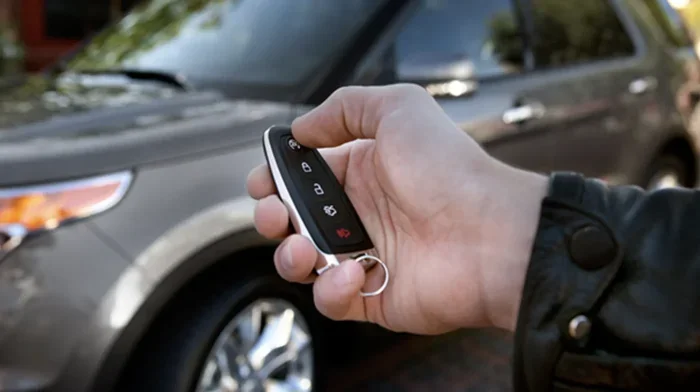
In some cars, the trunk release button is on the dashboard or the driver’s door panel. In others, it is inside the trunk handle. If your button feels loose or spongy when you press it, the internal switch may be damaged. Replacing the button is usually a quick and inexpensive fix.
Before you assume the button is broken, make sure you are not dealing with a deeper electrical issue. Sometimes a blown trunk fuse cuts power to the entire release system, which makes it look like the button is the problem.
Faulty Trunk Actuator
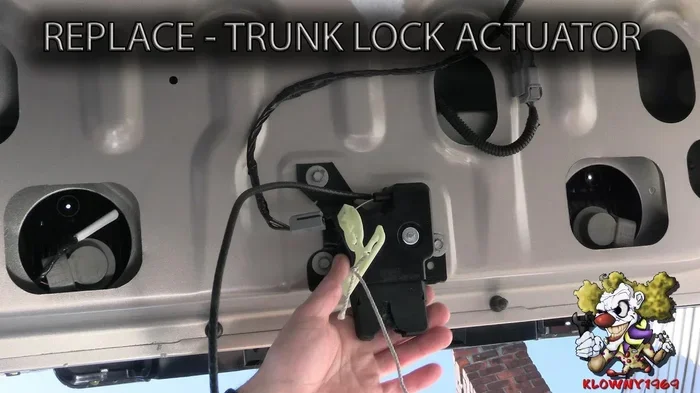
The trunk actuator is the small electric motor that does the heavy lifting for you. When you press the release button, the actuator kicks in and pops the trunk open. If this motor burns out or the gears inside strip, your trunk release mechanism will fail completely.
A bad trunk actuator often makes a clicking or grinding noise when you try to open the trunk. If you hear that sound but the trunk does not move, the actuator is likely the culprit. Replacing a trunk actuator is a bit more involved than fixing a fuse or a button, but it is still a job most DIYers can handle.
The cost of a new actuator varies by car model, but you can usually find a replacement for between $30 and $150. Labor at a shop will add another $50 to $100 if you decide not to do it yourself.
How To Diagnose Why Your Trunk Won’t Open
Now that you know the common causes, let us talk about how to figure out which one is affecting your car. Diagnosing the problem correctly means you do not waste time and money on the wrong fix.
Check the Trunk Fuse and Wiring
Start with the simplest thing first. Locate your car’s fuse box. Most cars have a diagram on the inside of the fuse box lid that shows which fuse controls the trunk release. Pull the fuse and inspect it for a broken filament. A blown trunk fuse is one of the most common reasons a trunk stops working.
If the fuse looks fine, check the wiring harness that runs from the fuse box to the trunk release. Look for any visible damage, frayed wires, or loose connections. Sometimes a wire can get pinched or rubbed through over time, especially near the trunk hinge area where the wiring moves every time you open and close the trunk.
Use a simple multimeter to test for continuity if you have one. This tells you whether electricity is flowing through the circuit properly. No continuity means there is a break somewhere in the wiring that needs to be repaired.
Inspect the Trunk Release Cable
The trunk release cable connects the button or handle to the latch mechanism. If this cable stretches, frays, or disconnects, your trunk release will feel loose or unresponsive. To check the cable, you may need to remove a trim panel inside your trunk or behind the rear seat, depending on your car model.
Look for any visible damage along the cable’s path. Make sure both ends are securely connected. If the cable looks worn or damaged, replacing it is a straightforward repair. You can pick up a replacement cable at most auto parts stores for under $20.
While you are inspecting the cable, also check the trunk latch mechanism. The latch is the metal piece that holds the trunk shut. If the latch is bent, rusted, or jammed, it will not release even if the cable and actuator are working perfectly.
Simple Solutions To Fix a Stuck Trunk
Now for the part you have been waiting for. Here are the most effective ways to fix a trunk that won’t open. These solutions are ordered from easiest to most complex, so start at the top and work your way down.
Manual Override Methods
Every car built in the last 20 years has a manual trunk override built into the design. This is your emergency backup when the electric system fails. The location varies by car, so check your owner’s manual if you are not sure where yours is.
In most sedans and SUVs, the manual release is a small lever or pull handle located inside the trunk, behind the trunk liner. You may need to remove the trunk carpet or trim panel to access it. Once you find it, simply pull the lever and the trunk latch should release.
In some older cars, the manual release is a keyhole on the trunk lid itself. Insert your trunk key and turn it to release the latch. This is a handy feature to know about, especially if you ever lose power to the trunk release system while the trunk is closed.
One quick tip: if your trunk is stuck closed and you cannot find the manual release, try pressing and holding the trunk release button while someone gently taps the latch from the outside. The vibration can sometimes free a stuck mechanism.
Lubricating the Trunk Latch
A dry or corroded trunk latch is one of the most common reasons a trunk sticks. The good news is that lubricating the latch is one of the easiest and cheapest fixes you can do. All you need is a spray lubricant designed for locks or latches, such as WD-40 Specialist or a silicone-based lubricant.
Spray the lubricant directly into the latch mechanism and the hinge points. Work the trunk open and closed several times to spread the lubricant evenly. Wipe away any excess with a clean cloth. You should notice a big improvement right away.
For best results, lubricate your trunk latch every three to six months. This simple habit prevents buildup and keeps everything moving smoothly. It also extends the life of your trunk latch mechanism and helps you avoid more serious repairs down the road.
Replacing the Trunk Actuator
If the actuator is the problem, replacing it is the best long-term solution. Start by purchasing the correct actuator for your car model. You can find the part number in your owner’s manual or by searching online with your car’s make, model, and year.
To replace the actuator, you will typically need to remove the trunk trim panel and access the actuator from inside the trunk. Disconnect the electrical connector, remove the mounting bolts, and swap out the old unit for the new one. Reconnect everything and test the trunk release.
This repair takes most people about 30 to 60 minutes. If you are not comfortable working with electrical connections, it is perfectly fine to have a mechanic do it. The parts are affordable, and the labor is straightforward for most technicians.
| Cause | DIY Fix Difficulty | Cost | Time to Fix |
|---|---|---|---|
| Stuck trunk latch | Easy | $5-$15 | 10-20 min |
| Broken trunk release button | Medium | $10-$30 | 20-40 min |
| Faulty trunk actuator | Hard | $50-$200 | 30-60 min |
| Blown trunk fuse | Easy | $2-$10 | 5-10 min |
| Broken release cable | Medium | $15-$40 | 20-30 min |
| Frozen trunk lock | Easy | $5-$10 | 10-15 min |
Quick Tips
- Always keep a spare trunk key in a safe place at home.
- Never use excessive force when trying to open a stuck trunk. You can damage the latch or the lid.
- Keep a can of lock lubricant in your garage for quick trunk and lock maintenance.
- If your trunk opens but does not stay open, check the trunk strut or hydraulic lift for wear.
Common Mistakes To Avoid
- Forcing the trunk open: This can bend the latch, crack the trunk lid, or damage the wiring harness.
- Ignoring a clicking noise: A clicking sound when you press the trunk button often means the actuator is failing. Catching it early saves you from being stranded with a stuck trunk.
- Using the wrong lubricant: Avoid WD-40 Multi-Use for long-term latch lubrication. It is a solvent, not a lasting lubricant. Use a silicone spray or dedicated lock lube instead.
- Skipping the fuse check: Many people jump straight to complex repairs when a simple blown fuse is the real issue.
Preventive Maintenance Tips
The best way to deal with a trunk that won’t open is to prevent the problem before it starts. A little regular maintenance goes a long way toward keeping your trunk release working flawlessly for years.
Keep Your Trunk Latch Clean
Dirt, road salt, and moisture are the enemies of your trunk latch. Every few months, open your trunk and give the latch mechanism a quick wipe-down. Use a damp cloth to remove any buildup, then dry it thoroughly. This simple habit prevents corrosion and keeps the latch operating smoothly.
If you live in an area with harsh winters, pay extra attention to your trunk latch during the spring. Road salt can cause serious corrosion on metal components. A thorough cleaning and a shot of lubricant after winter can prevent springtime trunk problems.
Regular Inspection Schedule
Set a reminder to inspect your trunk system every six months. Check the trunk fuse, the release button, the cable connections, and the actuator. Look for any signs of wear, corrosion, or loose connections. Catching a small issue early prevents it from becoming a big problem.
Also, test your trunk release regularly. Do not wait until you have groceries in both hands to discover the trunk is stuck. A quick test every few weeks takes only a few seconds and gives you peace of mind.
Expert Insights
Automotive technicians agree that the most overlooked cause of trunk problems is simply age. Rubber seals around the trunk lid harden and crack over time. When the seal fails, moisture gets into the latch area and causes corrosion. Replacing your trunk seal every 5 to 7 years is a great way to keep your trunk system in top shape. Also, if you have a power liftgate, make sure the sensors are kept clean. Dirt on the sensors can cause the liftgate to malfunction or refuse to open.
When To Call A Professional Mechanic
Most trunk problems can be fixed at home with basic tools and a little patience. But there are times when it makes sense to call in a professional. If you have checked the fuse, the cable, and the latch, and the trunk still will not open, the problem may be deeper in the electrical system.
Complex wiring issues, damaged control modules, or problems with your car’s central computer system are best left to trained technicians. These repairs require specialized diagnostic tools and expertise that go beyond a simple DIY fix.
If your car is still under warranty, check with your dealer before attempting any repairs yourself. Some DIY repairs can void your warranty, and the dealer may cover the cost of the fix at no charge to you. It is always worth a phone call before you start tearing into the trunk mechanism.
Also, if you feel unsafe or unsure about any part of the repair process, do not hesitate to seek professional help. A mechanic can diagnose the problem quickly and get your trunk working again without the risk of causing additional damage.
Final Thoughts
A trunk that won’t open is almost always a solvable problem. The fix might be as simple as replacing a $2 fuse or as involved as swapping out a trunk actuator. Either way, you now have the knowledge to diagnose the issue and take action. Most of these repairs take less than an hour and cost very little compared to a trip to the shop.
Remember to keep up with basic maintenance like lubricating your trunk latch and inspecting your wiring. These small habits prevent most trunk problems before they start. And always know where your manual trunk override is, so you have a backup plan if the electric system ever fails.
The next time your trunk won’t open, do not panic. Follow the steps in this guide, work through the causes one by one, and you will have your trunk open in no time. Safe driving and happy fixing.
Frequently Asked Questions
Can I still drive my car if the trunk won’t open?
Yes, you can still drive your car safely even if the trunk will not open. The trunk is separate from the engine and driving systems. However, you should avoid driving long distances with a stuck trunk if there are valuables inside, as the trunk could open unexpectedly on the highway. Use the manual override to secure any items inside if needed.
How much does it cost to fix a trunk that won’t open?
The cost depends on the cause. A blown fuse costs $2 to $10, a new release button is $10 to $30, and a trunk actuator replacement ranges from $50 to $200 for parts alone. If you take your car to a mechanic, add $50 to $100 for labor. Many of these fixes are simple enough to do yourself, saving you the labor cost entirely.
What is the most common reason a trunk won’t open?
The most common reason is a blown trunk fuse or a faulty trunk actuator. These two electrical issues account for the majority of trunk release failures. A stuck trunk latch from dirt or corrosion is the second most common cause. Regular maintenance can prevent most of these issues from developing in the first place.
Can cold weather cause my trunk to stick?
Yes, cold weather is a very common cause of a stuck trunk. Moisture inside the trunk lock or latch can freeze when temperatures drop, making the mechanism stiff or completely frozen. Spraying lock lubricant before winter and keeping the trunk seal in good condition can help prevent cold-weather trunk problems.
How do I open my trunk from the inside if the release doesn’t work?
Every car has a manual trunk release built into the trunk interior. Look for a small lever or pull handle behind the trunk liner or trim panel. You may need to remove the trunk carpet to access it. Pull the lever and the trunk latch should release, allowing you to open the trunk from the inside. Check your owner’s manual for the exact location in your specific car model.
Should I try to force my trunk open?
No, you should never force a trunk open. Using excessive force can bend the trunk latch, crack the trunk lid, or damage the wiring harness and release cable. If the trunk will not open with normal pressure, stop and diagnose the problem using the steps in this guide. Forcing it open will likely turn a simple repair into an expensive one.