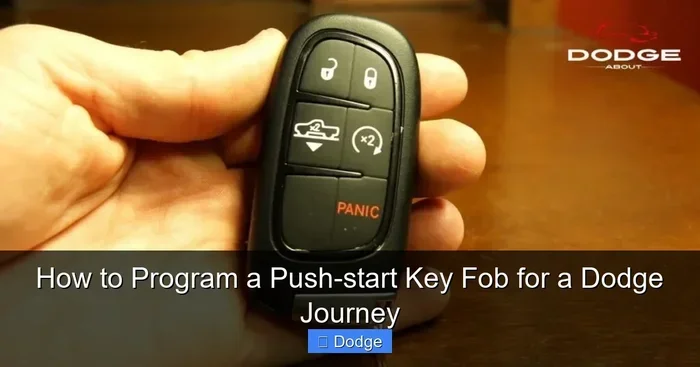
Why Wont My Push Start Car Not Recognize My Key Fob
When your push start car does not recognize key fob, it can leave you stranded and frustrated. The most common causes include a dead key fob battery, signal interference, a faulty immobilizer system, or a low car battery. This guide covers every reason your electronic key might fail and gives you practical, step-by-step solutions to fix the problem fast.
You walk up to your car, press the push button start, and nothing happens. The dashboard stays dark. The engine does not turn over. You tap the fob again. And again. Nothing. It is one of the most frustrating moments a car owner can face — especially when your push start car does not recognize key fob and you have no idea why.
The truth is, this problem is more common than most people think. Thousands of drivers deal with a push start car not recognizing key fob every single day. The good news? Most of the time, the fix is simple, fast, and costs almost nothing. Whether you are dealing with a dead key fob battery, a weak car battery, or something else entirely, this guide will walk you through every possible cause and solution. Let us get you back on the road.
Key Takeaways
- Dead Key Fob Battery: A drained battery is the number one reason your push start car fails to recognize the fob. Replacing it is quick and cheap.
- Signal Interference: Nearby electronics, metal objects, or even your pocket lining can block the key fob signal from reaching your car.
- Low Car Battery: If your vehicle battery is weak, the proximity sensor and anti-theft system may not power up enough to detect the fob.
- Faulty Immobilizer or Transponder: A damaged transponder key or immobilizer system can prevent recognition even with a fresh battery.
- Key Fob Programming Issues: After a battery swap or reset, the key fob programming may need to be re-synced with your car.
- Cold Weather Impact: Extreme cold drains key fob batteries faster and weakens the signal range significantly.
- Simple Fixes Work Most of the Time: In most cases, a battery replacement or repositioning the fob solves the problem immediately.
📑 Table of Contents
- Why Your Push Start Car Might Not Recognize the Key Fob
- How to Fix a Push Start Car That Will Not Recognize Your Key Fob
- Cold Weather and Key Fob Recognition
- Key Fob Programming: Why It Matters
- Common Mistakes That Cause Key Fob Recognition Failure
- When to Seek Professional Help
- How Key Fob Technology Has Evolved
- Key Takeaways
Why Your Push Start Car Might Not Recognize the Key Fob
Modern cars use a sophisticated electronic key system to communicate with the vehicle. When you press the start button, the car sends out a signal. The fob receives it, responds, and the immobilizer system verifies the signal is authentic. If any part of that chain breaks, your car will not start. Here are the most common reasons this happens.
The Key Fob Battery Is Dead
This is the single most common reason a push start car does not recognize key fob. The little coin-cell battery inside your fob typically lasts one to two years. When it dies, the fob cannot send a signal — and your car cannot start. You may notice warning signs before it fully dies. The key fob range gets shorter. You have to hold the fob closer to the start button. Or the dashboard shows a key fob battery low warning light.
Replacing the battery is incredibly easy. Most key fobs use a CR2025 or CR2032 battery. You can pop open the fob casing with a small flathead screwdriver, swap the old battery for a new one, and you are done. It costs less than five dollars and takes about two minutes. This simple fix solves the problem in the majority of cases.
Signal Interference Is Blocking the Connection
Your key fob communicates using a low-frequency radio signal, usually around 315 MHz or 434 MHz. Several things can interfere with that signal and prevent your push start car from detecting the fob.
Common sources of signal interference include:
- Other electronic devices near the fob, such as cell phones or laptops
- Metal objects in your pocket or bag that block the signal
- Thick clothing or bags that create a physical barrier
- Nearby towers, power lines, or large metal structures
- Other cars with similar key fob frequencies parked nearby
Try taking the fob out of your pocket and holding it directly against the push button start console. If the car starts in that position but not in your pocket, interference is likely the culprit. Moving away from crowded electronic environments can also help.
The Car Battery Is Too Low
Here is something many drivers do not realize. Your push start car needs enough electrical power to run the proximity sensor and the anti-theft system. If your vehicle battery is weak or dying, these systems may not power up at all — which means they cannot detect your key fob, even if the fob itself is perfectly fine.
Signs of a low car battery include dim dashboard lights, slow crank when using a physical key, or flickering interior lights. If you suspect this is the issue, try jump-starting your car or using a portable battery booster. Once the vehicle has enough power, the key fob recognition system should work normally again.
The Immobilizer System Has Faulted
Every modern vehicle has an immobilizer system. This is an anti-theft system that ensures only a recognized transponder key or electronic key fob can start the engine. The system works by verifying a unique code from the fob before allowing ignition.
Sometimes, the immobilizer can malfunction. This can happen after a recent battery replacement, a software glitch, or even a minor electrical surge. When the immobilizer system faults, it essentially locks the car out of recognizing any fob. You may see a warning light on the dashboard that looks like a key icon with an exclamation mark. In these cases, a key fob reset or a trip to a dealership for a system reboot may be needed.
The Key Fob Itself Is Damaged
Key fobs go through a lot of wear and tear. They get dropped, sat on, exposed to moisture, and stuffed into tight pockets. Over time, internal components can break or loosen. Even if the battery is new, a physically damaged fob may not transmit a signal properly.
Look closely at your fob for cracks, loose buttons, or signs of water damage. If the fob feels different in your hand or the buttons feel mushy, the internal circuitry may be compromised. In this situation, you will likely need a key fob replacement or professional repair. Many dealerships and locksmiths can program a new fob for you on the spot.
How to Fix a Push Start Car That Will Not Recognize Your Key Fob
Now that you know the common causes, let us talk about solutions. Most of these fixes are things you can do yourself at home with no special tools.
Quick Fixes You Can Try Right Now
Before you panic or call a mechanic, try these simple steps in order:
- Replace the key fob battery. Use a fresh CR2025 or CR2032 battery depending on your fob model. This fixes the issue more than 60% of the time.
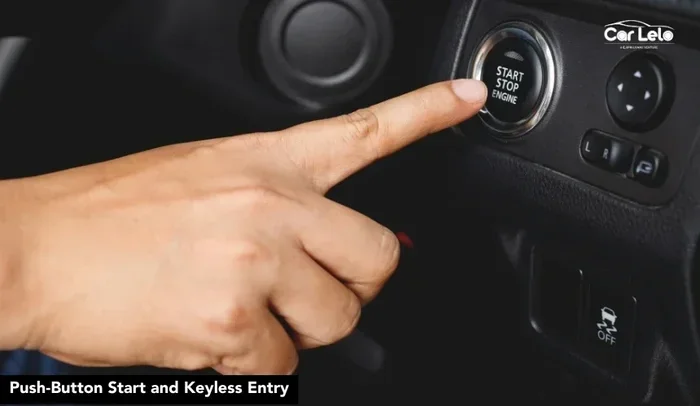
- Hold the fob directly against the start button. This bypasses the proximity sensor and sends a stronger, more direct signal to the car.
- Move away from potential interference. Step away from other vehicles, electronic devices, and large metal structures. Try again.
- Check the car battery voltage. Use a multimeter or look for signs of a weak vehicle battery. Jump-start if needed.
- Try the manual key. Most key fobs have a hidden physical key inside. Use it to unlock the door manually, then try the start button again.
These five steps resolve the problem for most drivers. If none of them work, the issue is likely deeper and requires further investigation.
When to Replace the Key Fob
If replacing the battery and trying all the quick fixes does not work, it may be time for a key fob replacement. Before you buy a new one, consider these points:
- Check if the fob is still under warranty. Many newer cars come with a fob warranty period.
- Compare dealership prices with independent locksmiths. Locksmiths often charge 40 to 60 percent less.
- Make sure the replacement fob is compatible with your specific vehicle make and model.
- Ask about key fob programming costs. Some fobs need professional programming after purchase.
For many popular vehicles, a replacement key fob costs between 50 and 200 dollars at a locksmith, and 200 to 500 dollars at a dealership. Programming at a dealership may add another 50 to 100 dollars.
How to Prevent Key Fob Recognition Problems
The best way to deal with a push start car not recognizing key fob is to prevent it from happening in the first place. Here are some practical habits that help:
- Replace the key fob battery every 12 to 18 months, even if it still seems to work.
- Store the fob away from strong electromagnetic fields and metal objects.
- Keep the fob in a designated spot at home, away from other electronics.
- Avoid exposing the fob to extreme heat or moisture.
- Have your car battery tested annually, especially before winter.
- Keep a spare key fob with a fresh battery in a safe place.
These small habits can save you from unexpected push start problems and extend the life of your electronic key system significantly.
Cold Weather and Key Fob Recognition
Cold weather is a notorious troublemaker for key fob batteries. When temperatures drop below freezing, the chemical reaction inside the battery slows down. This reduces the signal strength and can prevent your push start car from recognizing the fob, even if the battery was working fine the day before.
If you live in a cold climate, consider keeping a spare key fob in your coat pocket close to your body. Your body heat helps maintain the battery voltage and signal strength. You can also invest in a key fob with a higher cold-weather tolerance or keep the fob warm in an inner pocket rather than an outer one.
Some drivers also use a key fob signal booster or a small pouch designed to amplify the key fob signal in cold conditions. These are inexpensive and can make a real difference during winter months.
Key Fob Programming: Why It Matters
Every push start car relies on a unique encrypted code between the key fob and the vehicle’s immobilizer system. This code is programmed during manufacturing or when a new fob is added. If the programming gets disrupted — whether from a battery swap, a system reset, or an electrical issue — the car may no longer recognize the fob.
Key fob programming is not something you should attempt yourself unless you have experience with automotive electronics. Most vehicles require a specific sequence of actions to re-sync the fob. Some newer models even need a dealer-level diagnostic tool to complete the key fob programming process.
If you suspect a programming issue, the best course of action is to consult a professional. A qualified locksmith or dealership technician can re-program your fob quickly and accurately. Trying to force a fix without proper knowledge can sometimes make the problem worse.
Common Mistakes That Cause Key Fob Recognition Failure
Many drivers unknowingly make habits that lead to push start problems. Here are the most common mistakes to avoid:
Using the Wrong Battery
Not all key fob batteries are the same. Using the wrong size or type can cause intermittent recognition issues or complete failure. Always check your owner’s manual for the correct battery specification before replacing it.
Ignoring Warning Signs
Most modern vehicles give you plenty of warning before a key fob completely fails. A key fob battery low warning, reduced range, or occasional failure to start are all signs that the battery is dying. Ignoring these signals often leads to a complete failure at the worst possible moment.
Placing the Fob Near Other Key Fobs
If you have multiple key fobs for different vehicles, or if you keep them all in the same bag, they can interfere with each other. Each fob operates on a specific frequency, and having several close together can create signal interference that confuses the car’s recognition system.
Assuming the Car Is the Problem
When a push start car does not recognize key fob, many drivers immediately assume the car is broken. In reality, the key fob is the culprit most of the time. Always start troubleshooting with the simplest and most common cause before moving on to more complex possibilities.
When to Seek Professional Help
Most key fob recognition issues can be resolved at home. But there are times when professional help is the right call. You should consider seeing a mechanic or locksmith if:
- You have replaced the fob battery and the car still does not recognize it
- The dashboard shows a persistent warning light related to the immobilizer system
- None of the quick fixes have worked after trying all of them
- The key fob is physically damaged or water-damaged
- You need to program a new key fob or replace the transponder key
- The car battery is healthy but the vehicle still will not start with the fob
A professional can run diagnostic tests on your vehicle’s anti-theft system and immobilizer system to pinpoint the exact issue. Many locksmiths offer mobile services and can come to your location to diagnose and fix the problem on the spot.
How Key Fob Technology Has Evolved
Understanding how your electronic key works can help you appreciate why these issues happen and how to avoid them. Early push start car systems used simple radio frequency signals. The fob sent a basic code, and the car checked if it matched. These systems were vulnerable to relay attacks and signal theft.
Modern key fob systems are much more advanced. They use rolling codes that change every time you use the fob. This means even if someone intercepts your signal, it will not work a second time. The proximity sensor in newer cars can detect the fob from several feet away, allowing you to keep it in your pocket or bag. Some vehicles now even use ultra-wideband technology for more precise location tracking of the fob inside the car.
While this technology is impressive, it also means there are more points of potential failure. The transponder key system, the proximity sensor, the immobilizer module, and the fob’s internal circuitry all need to work together perfectly. When one component fails, the entire key fob recognition process breaks down.
Key Takeaways
- Dead Key Fob Battery: A drained battery is the number one reason your push start car fails to recognize the fob. Replacing it is quick and cheap.
- Signal Interference: Nearby electronics, metal objects, or even your pocket lining can block the key fob signal from reaching your car.
- Low Car Battery: If your vehicle battery is weak, the proximity sensor and anti-theft system may not power up enough to detect the fob.
- Faulty Immobilizer or Transponder: A damaged transponder key or immobilizer system can prevent recognition even with a fresh battery.
- Key Fob Programming Issues: After a battery swap or reset, the key fob programming may need to be re-synced with your car.
- Cold Weather Impact: Extreme cold drains key fob batteries faster and weakens the signal range significantly.
- Simple Fixes Work Most of the Time: In most cases, a battery replacement or repositioning the fob solves the problem immediately.
Frequently Asked Questions
Why does my push start car not recognize my key fob even with a new battery?
Even with a new battery, signal interference or a faulty key fob can prevent recognition. Try holding the fob directly against the start button and moving away from electronic devices. If the problem persists, the fob itself may be damaged and need replacement or key fob programming.
How do I know if my key fob battery is dead?
Signs of a dead key fob battery include reduced range, intermittent recognition, and a key fob battery low warning on the dashboard. If the car does not respond to the fob at all, replacing the battery is the first step. Most fobs use a CR2025 or CR2032 battery that is easy to swap yourself.
Can a low car battery cause the push start system to fail?
Yes, absolutely. A weak car battery may not provide enough power for the proximity sensor and anti-theft system to function. This prevents the car from recognizing the key fob. Jump-starting the vehicle or replacing the car battery often resolves this issue immediately.
How much does it cost to replace a key fob?
The cost of a key fob replacement varies by vehicle make and model. At a locksmith, you can expect to pay between 50 and 200 dollars for the fob. At a dealership, the cost typically ranges from 200 to 500 dollars, plus additional fees for key fob programming if needed.
Can cold weather cause my key fob to stop working?
Yes, cold weather significantly impacts key fob batteries. Low temperatures slow down the chemical reaction inside the battery, reducing signal strength and range. Keeping the fob close to your body in an inner pocket can help maintain warmth and signal quality during winter months.
Do I need to reprogram my key fob after replacing the battery?
In most cases, no. Simply replacing the battery should not require key fob programming. However, if the fob was reset during the battery change or if the car’s system was disrupted, re-syncing may be necessary. Check your owner’s manual for the specific programming sequence for your vehicle model.
=== CONCLUSION ===
Dealing with a push start car that does not recognize key fob is incredibly frustrating, but it is almost always fixable. The most common culprits are a dead key fob battery, signal interference, a low car battery, or a faulty immobilizer system. By working through the solutions in this guide, you can identify the problem and get your vehicle running again in most cases.
Remember to replace your key fob battery proactively every 12 to 18 months, store the fob away from sources of signal interference, and keep your car battery healthy with regular testing. These simple habits go a long way in preventing push start problems before they happen.
If you have tried everything and your push start car still does not recognize key fob, do not hesitate to reach out to a professional locksmith or dealership. They have the tools and expertise to diagnose even the most stubborn key fob recognition issues. You do not have to figure it all out alone. With the right knowledge and a little patience, you will be back behind the wheel in no time.