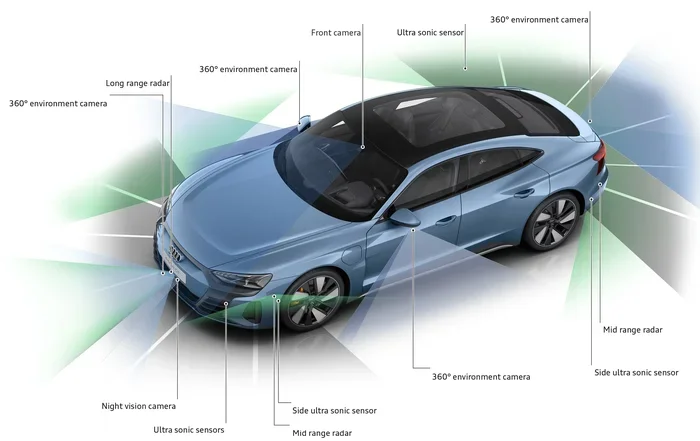
Where Is the Pre-Collision Assist Sensor on Your Vehicle
The pre-collision assist sensor is typically found behind the front grille, near the windshield, or inside the bumper area of your vehicle. This safety system uses radar and camera technology to detect obstacles and help prevent accidents before they happen. Knowing the exact pre-collision sensor location helps you maintain, clean, and calibrate it properly. Whether you drive a Ford, Toyota, or another brand, the sensor placement follows a similar pattern. This guide breaks down everything you need to know about collision sensor location on your car or truck.
You are driving down the highway. A car ahead of you slams on the brakes. Before you even react, your vehicle starts to slow down on its own. That is your pre-collision assist sensor doing its job. This incredible safety feature has saved countless lives on roads around the world. Yet many drivers do not even know it exists. Even fewer know where the sensor actually sits on their vehicle.
Understanding the collision sensor location on your car is more important than you might think. It helps you keep the sensor clean. It tells you what to check after a minor fender bender. And it gives you confidence that your vehicle’s safety systems are working as they should. In this article, we will walk you through everything you need to know. We will cover exactly where the sensor is, how it works, and what you can do to keep it in top shape.
Whether you drive a sedan, SUV, or pickup truck, this guide applies to you. We will look at different vehicle brands and models. We will also share practical tips that every driver can use. Let us dive in and explore the world of pre-collision safety technology together.
Key Takeaways
- Sensor Location: The pre-collision assist sensor is usually mounted behind the front grille, near the windshield base, or inside the front bumper.
- How It Works: It uses radar and camera technology to detect vehicles, pedestrians, and obstacles ahead.
- Brand Differences: Sensor placement varies slightly between Ford, Toyota, Honda, and other manufacturers.
- Maintenance Matters: Keeping the sensor clean and unobstructed ensures it functions correctly.
- Warning Signs: A dashboard warning light indicates when the sensor needs attention or recalibration.
- Safety Impact: This system enables automatic emergency braking and forward collision warning features.
- Professional Help: After a front-end collision, always get the sensor inspected and recalibrated by a certified technician.
📑 Table of Contents
- What Is a Pre-Collision Assist Sensor?
- Where Is the Pre-Collision Assist Sensor Located?
- Pre-Collision Sensor Location by Vehicle Brand
- How to Maintain Your Pre-Collision Sensor
- Common Mistakes That Affect Sensor Performance
- Why the Pre-Collision Sensor Matters for Road Safety
- Expert Insights on Pre-Collision Sensor Care
- When to Seek Professional Help
- Conclusion
What Is a Pre-Collision Assist Sensor?
A pre-collision assist sensor is part of your vehicle’s advanced driver assistance system. It constantly scans the road ahead while you drive. The system uses radar waves and cameras to detect other vehicles, pedestrians, cyclists, and obstacles. When it senses a potential crash, it alerts you. In many cases, it can even apply the brakes automatically.
This technology goes by different names depending on the car manufacturer. Ford calls it Pre-Collision Assist. Toyota uses the term Toyota Pre-Collision System. Honda refers to it as Collision Mitigation Braking System. But no matter what brand you drive, the basic idea is the same. The sensor watches the road and helps you avoid or reduce the severity of a crash.
How Does the Sensor Work?
The pre-collision system relies on two main types of sensors. The first is a radar sensor. It sends out radio waves that bounce off objects ahead. By measuring the time it takes for those waves to return, the system calculates distance and speed. The second type is a camera sensor. This is usually mounted near the windshield. It uses visual data to identify objects, lane markings, and road signs.
Together, these sensors create a detailed picture of what is happening in front of your car. The system processes this information in milliseconds. If it determines a collision is likely, it triggers a warning. You might hear a beep. You might see a flashing light on the dashboard. If you do not respond quickly enough, the system can apply the brakes on its own. This is called automatic emergency braking, and it is one of the most effective safety features in modern vehicles.
Where Is the Pre-Collision Assist Sensor Located?
The collision sensor location depends on your vehicle’s make and model. However, most cars follow a similar general pattern. Let us break down the most common places you will find the sensor.
Behind the Front Grille
In many vehicles, the radar sensor is hidden behind the front grille. It sits between the headlights, often behind the bumper cover. You cannot see it from the outside. This placement protects the sensor from road debris and weather damage. It also gives the sensor a clear view of the road ahead.
Ford vehicles, for example, often place the pre-collision assist sensor in this exact spot. The sensor module is tucked safely behind the grille area. This location works well because it is close to the front of the car. That means it can detect obstacles at a good distance. It also stays protected behind the sturdy bumper and grille structure.
Near the Windshield
The camera sensor is almost always mounted near the windshield. You will typically find it behind the rearview mirror. It sits on the windshield itself or on a small bracket attached to the glass. This camera provides visual data that helps the system identify objects more accurately.
Toyota vehicles use this configuration for their Toyota Pre-Collision System. The camera looks through the windshield and scans the road ahead. It can read traffic signs, detect lane changes, and identify pedestrians crossing the road. Because the camera needs a clear view, it is important to keep the windshield clean near this area.
Inside the Front Bumper
Some vehicles place the sensor inside the front bumper itself. This is common in SUVs and trucks with larger bumper structures. The bumper houses the sensor module securely. It also provides extra protection from low-speed impacts and parking bumps.
Honda and several other manufacturers use this approach. The bumper sensor is positioned to have an unobstructed view of the road. It works alongside the camera near the windshield to give the system a complete picture of what is ahead. Having sensors in multiple locations improves the system’s accuracy and reliability.
Pre-Collision Sensor Location by Vehicle Brand
Different car brands place their sensors in slightly different spots. Here is a closer look at how the sensor placement varies across popular manufacturers.
Ford Pre-Collision Sensor Location
Ford’s Pre-Collision Assist system uses a combination of radar and camera sensors. The radar sensor is typically located behind the front grille. The camera is mounted behind the rearview mirror, near the windshield. Ford integrates these sensors into its driver assistance system to provide forward collision warning and automatic emergency braking.
Toyota Pre-Collision Sensor Location
Toyota’s pre-collision system is known as the Toyota Pre-Collision System or PCS. The radar sensor is usually found behind the front grille. The camera sits at the top of the windshield, behind the interior mirror. Toyota’s system is designed to detect vehicles, pedestrians, and even cyclists. It is one of the most well-regarded safety systems in the industry.
Honda Pre-Collision Sensor Location
Honda uses a system called Collision Mitigation Braking System or CMBS. The radar sensor is typically mounted in the front bumper area. The camera is positioned behind the rearview mirror. Honda’s system is especially good at detecting smaller objects, including pedestrians and motorcyclists. This makes it a strong choice for city driving where obstacles can appear suddenly.
How to Maintain Your Pre-Collision Sensor
Your pre-collision sensor works hard every time you drive. Keeping it in good condition is essential for your safety. Here are some practical maintenance tips every driver should follow.
Keep the Sensor Area Clean
Dirt, mud, snow, and ice can block the sensor’s view. This is one of the most common reasons the system malfunctions. After driving through rain or snow, take a moment to wipe down the front of your car. Pay special attention to the grille area and the windshield near the camera.
Use a soft cloth and gentle cleaner. Avoid harsh chemicals that could damage the sensor lens or camera glass. A quick wipe-down after a long drive can make a big difference in how well the system performs.
Check for Damage After Accidents
Even a minor fender bender can affect the collision sensor location. The sensors are delicate and need precise alignment. If you get into any kind of front-end collision, have the sensors inspected right away. A misaligned sensor may not detect obstacles properly. This could leave you without the safety protection you rely on.
Always have a certified technician check the sensor after an accident. They can test the system and recalibrate it if needed. This is not something you should try to do yourself. Sensor calibration requires specialized tools and software.
Watch for Warning Lights
Most vehicles with pre-collision systems have a warning light on the dashboard. If you see this light come on, do not ignore it. It usually means the sensor is blocked, dirty, or malfunctioning. Common reasons include a dirty sensor, a damaged sensor, or an electrical issue.
When the warning light appears, clean the sensor area first. If the light stays on, take your vehicle to a dealership or qualified mechanic. They can run a diagnostic test and identify the problem. Addressing the issue quickly ensures your safety system is always ready to work.
Avoid Aftermarket Modifications Near the Sensor
Adding aftermarket parts like bull bars, grill guards, or bumper guards can interfere with the sensor. These modifications can block the radar waves or obstruct the camera’s view. Before installing any aftermarket parts, check with your dealer or a qualified mechanic. They can advise you on whether the modification will affect your safety system.
Common Mistakes That Affect Sensor Performance
Many drivers accidentally reduce their sensor’s effectiveness without realizing it. Here are some common mistakes to avoid.
- Ignoring the warning light: The dashboard warning is your first clue that something is wrong. Ignoring it leaves you without a critical safety feature.
- Letting dirt build up: A dirty sensor is a blind sensor. Regular cleaning should be part of your car care routine.
- Placing objects on the dashboard: Items hanging from the mirror or sitting on the dash can block the camera’s view of the windshield.
- Using incorrect windshield replacement: If your windshield needs replacing, make sure the new glass is compatible with the camera system. An improper installation can misalign the camera.
- Skipping recalibration after repairs: Any repair that affects the front of the vehicle should include a sensor recalibration check.
- Driving with a damaged bumper: A cracked or dented bumper can shift the sensor out of position, reducing its accuracy.
Why the Pre-Collision Sensor Matters for Road Safety
The pre-collision assist sensor is one of the most important safety features in modern vehicles. Studies have shown that systems like forward collision warning and automatic emergency braking significantly reduce the number of rear-end collisions. According to the National Highway Traffic Safety Administration, these technologies have helped prevent thousands of accidents every year.
What makes this system so effective is its speed. The sensor processes information faster than any human can. It detects danger in fractions of a second. Even if you are distracted or tired, the system can step in and help. This is especially valuable in situations like sudden stops in traffic, approaching a red light too quickly, or encountering a pedestrian in a crosswalk.
For fleet operators and families alike, the peace of mind that comes with this technology is invaluable. Knowing your vehicle has an extra set of eyes on the road makes every drive a little safer. It is one of the reasons why collision avoidance technology has become a standard feature in so many new cars today.
Expert Insights on Pre-Collision Sensor Care
Automotive experts agree that proper sensor maintenance is often overlooked. Many car owners focus on oil changes and tire rotations but forget about the safety sensors. According to certified technicians, the pre-collision system should be checked during every routine service visit. A simple visual inspection can reveal a lot about the sensor’s condition.
Experts also recommend keeping your vehicle’s software up to date. Manufacturers regularly release updates that improve the sensor’s detection capabilities. These updates can enhance the system’s ability to identify pedestrians at night or detect smaller objects in low-light conditions. Staying current with software updates is an easy way to keep your safety system performing at its best.
When to Seek Professional Help
While basic maintenance like cleaning the sensor area is something you can do yourself, more complex issues need professional attention. Here are situations where you should visit a certified technician.
- The warning light stays on after cleaning the sensor area.
- You have been in any kind of front-end collision, no matter how minor.
- The system seems less responsive than it used to be.
- You have replaced your windshield and the camera may need recalibration.
- You have installed aftermarket parts near the front of the vehicle.
- You notice the system is triggering warnings more frequently than normal.
A professional has the right tools and training to properly diagnose and fix sensor issues. They can recalibrate the system to factory specifications. This ensures your pre-collision assist sensor works exactly as intended. It is always better to be safe than sorry when it comes to your vehicle’s safety systems.
Conclusion
The pre-collision assist sensor is a remarkable piece of technology that can make a real difference in your safety on the road. Now you know exactly where the pre-collision assist sensor is located on your vehicle. You understand how it works and what you can do to keep it functioning properly. From cleaning the sensor area to watching for warning lights, small actions can have a big impact.
Remember that this system works best when it is well-maintained and properly calibrated. Take care of your sensor, and it will take care of you. Whether you drive a Ford, Toyota, Honda, or any other brand, the pre-collision system is there to protect you every time you get behind the wheel. Stay safe, stay informed, and enjoy the peace of mind that comes with knowing your vehicle has your back.
Frequently Asked Questions
Can I drive my car if the pre-collision sensor warning light is on?
You can drive, but the safety system may not work properly. The warning light means the sensor is blocked, dirty, or malfunctioning. Have the sensor inspected and cleaned as soon as possible to restore full functionality.
How often should I clean the pre-collision sensor area?
You should clean the sensor area at least once a month or after driving through heavy rain, snow, or mud. Regular cleaning ensures the sensor has a clear view of the road ahead and works when you need it most.
Does a dirty sensor affect automatic emergency braking?
Yes, a dirty sensor can significantly reduce the effectiveness of automatic emergency braking. Dirt, snow, or ice on the sensor can prevent it from detecting obstacles in time. Keep the sensor area clean to ensure the system responds correctly.
How much does it cost to recalibrate a pre-collision sensor?
Recalibration costs vary by vehicle brand and model. On average, you can expect to pay between $100 and $400. The cost depends on the complexity of the system and whether the sensor needs physical adjustment or software calibration.
Can I replace the pre-collision sensor myself?
It is not recommended to replace the sensor yourself unless you have professional training. The sensor requires precise alignment and calibration. An incorrect installation can render the safety system ineffective, putting you at greater risk on the road.
Do all new cars come with a pre-collision assist sensor?
Most new cars from major manufacturers now include some form of pre-collision technology. It is becoming a standard safety feature across the industry. However, the specific name and capabilities may vary between brands and trim levels.