What to Do When You Lock Your Keys in Your Car Right Now
Locking your keys in your car is one of the most frustrating experiences any driver can face, but it happens to millions of people every year. This guide walks you through exactly what to do when you lock your keys in your car — from simple DIY tricks to calling a professional locksmith. You will learn proven steps to get back behind the wheel quickly and safely, plus tips to prevent it from happening again.
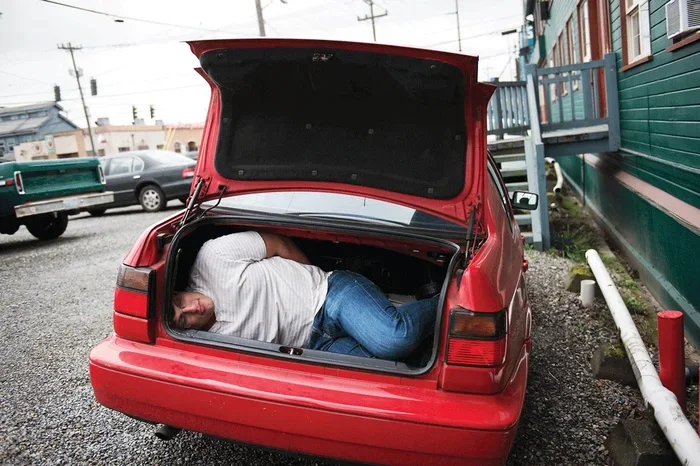
There you are, standing in the parking lot, staring at your car. The doors are locked. Your keys are sitting on the passenger seat or dangling from the ignition. And you are locked out. It is one of those moments that makes you want to blame yourself immediately. But here is the good news — locking your keys in your car happens to everyone at some point. It does not matter if you are a new driver or someone who has been driving for decades. This situation is more common than you think, and there are real solutions.
When you find yourself in this spot, your first reaction might be panic. Your heart races. You think about calling everyone you know. But knowing what to do when you lock your keys in your car can save you time, money, and a lot of stress. This guide gives you every option you need, starting with the simplest fixes and moving toward professional help. By the end, you will know exactly how to handle a car lockout like a pro.
We will walk through quick DIY methods that work on older vehicles, explain when it is smart to call a locksmith, break down the costs involved, and share habits that keep this nightmare from happening again. Whether your car has a traditional key, a key fob, or keyless entry, this article covers you. Let us get you back on the road.
Key Takeaways
- Stay calm: Panicking won’t help — most lockouts have simple solutions you can try right away.
- Try DIY first: A shoelace or coat hanger can sometimes unlock your door without any cost.
- Call a locksmith: They can handle transponder keys, keyless entry systems, and modern vehicles safely.
- Check your insurance: Many policies include roadside assistance that covers lockout help at no extra charge.
- Prevent future lockouts: Spare keys, key finders, and simple habits save you time and money.
- Know the costs: Lockout services typically range from $50 to $150 depending on your location and time of day.
📑 Table of Contents
First Things First: Stay Calm and Assess the Situation
The moment you realize your keys are locked inside the vehicle, take a deep breath. Your brain works better when you are calm. Screaming or panicking will not open the door. Instead, give yourself about 30 seconds to collect your thoughts. Then look at your car and figure out exactly what you are dealing with.
Why Panicking Makes Everything Worse
Stress causes poor decision-making. When you panic, you might try forceful methods that damage your car. You could scratch the paint, break a window, or damage the car door lock mechanism. These repairs cost far more than a simple lockout service. Staying calm is the single best thing you can do for yourself and your vehicle. Take a few slow breaths. Remind yourself that this is a temporary problem with a clear solution.
What Kind of Lock Do You Have?
Before you try anything, figure out what type of locking system your car uses. Older vehicles from the 1990s or earlier often have manual locks on the door. These are the easiest to deal with using DIY methods. Newer cars from the 2000s onward may have power locks operated by a remote or key fob. Modern vehicles from the last decade often use keyless entry systems with push-button start. Your approach depends heavily on which type of lock you have, so take a moment to identify it.
Try These Quick DIY Fixes Before Calling for Help
If your car is older or has manual locks, you might be able to unlock it yourself. These methods work best on vehicles with traditional lock buttons on the door panel. Try them in order from simplest to most involved.
The Shoelace Method
This is one of the most popular car lockout tricks, and it works surprisingly well. You need a shoelace or any strong string. Make a loop in the middle of the lace. Push the loop up between the door and the weather stripping at the top corner of the door. Move the loop around the lock button inside the door panel. Once the loop is behind the lock button, pull both ends of the lace downward. The lock button should retract, and your door will pop open.
This method works on manual lock systems but not on power locks. It also requires some practice, so it helps if you have already tried it at home. If you have never done this before, it might take a few tries. Be patient and gentle. Do not force the lace through the gap or you could damage the weather stripping.
The Coat Hanger Technique
The classic coat hanger method has been around for decades. Straighten a wire coat hanger as much as possible. Bend one end into a small hook shape. Push the hooked end through the gap between the door and the car body near the lock. Feel around inside the door panel for the lock rod or the lock button. Hook it and pull upward to unlock the door.
Warning: This method can scratch your car’s paint or damage the weather stripping. Use a cloth or rag wrapped around the wire to protect the surface. This trick works best on older vehicles with simpler door mechanisms. On newer cars with power locks and electronic systems, this method usually will not work and could cause damage.
Use a Lockout Tool or Wedge and Rod
A lockout tool kit is a small, inexpensive device designed specifically for this situation. You place a thin wedge (often called a wedge and rod set) into the gap between the door and the frame. This creates a small opening. Then you use a long rod to reach inside and press the unlock button or pull the lock rod. These kits are available at auto parts stores for under $20.
Many drivers keep a lockout tool in their glove box for emergencies. If you do not have one, you can improvise with a plastic spatula or a slim piece of plastic. The key is to be gentle. Never use metal tools that could scratch the paint or break the glass.
The Tennis Ball Trick — Does It Work?
You have probably seen the viral video where someone pokes a hole in a tennis ball and presses it against the car lock. The theory is that air pressure pushes the lock open. The truth is that this trick rarely works on modern vehicles. It might have worked on very old cars with simple lock mechanisms. Do not waste your time on this one. Stick with the shoelace or lockout tool methods for better results.
When to Call a Professional Locksmith
Sometimes the DIY methods are not enough. Maybe your car has power locks, a transponder key, or a keyless entry system that makes DIY methods impossible. Maybe you tried a trick and it did not work. Or maybe you simply do not want to risk damaging your car. In all these cases, calling a professional locksmith is the smart move.
What a Locksmith Will Do
A professional locksmith has the tools and training to handle any vehicle lockout situation. They carry specialized tools like slim jims, air wedges, and long-reach rods. For modern cars with transponder keys or smart key systems, they have equipment that can communicate with your car’s computer. They can retrieve your keys, create a new key on the spot, or reprogram your key fob if needed.
Most locksmiths arrive within 15 to 30 minutes, depending on your location. They will unlock your car quickly and without causing damage. This is by far the safest option for newer vehicles where DIY methods could interfere with electronic systems or trigger your car alarm.
How to Choose a Reliable Locksmith
Not all locksmiths are created equal. When you are locked out, you want someone trustworthy and affordable. Start by checking online reviews on Google or Yelp. Look for locksmiths who are licensed and insured. Ask for the price before they start working. A reputable locksmith will give you a clear estimate upfront. Avoid anyone who shows up in an unmarked vehicle with no identification.
Many people call their local emergency locksmith or a national chain like AAA. If you are a member of AAA or a similar roadside assistance program, check your membership benefits first. AAA roadside assistance often covers lockout services at no additional cost to members. The same goes for many insurance roadside packages that come with your car insurance policy.
How Much Does a Car Lockout Cost?
Cost is a big concern when you are locked out, especially late at night or on a weekend. Understanding the typical expenses helps you make informed decisions. Here is what you can expect.
DIY Methods: Free but Risky
If you successfully unlock your car using a shoelace or lockout tool, the cost is zero. But there is a risk. If you damage the weather stripping, scratch the paint, or break the lock mechanism, you could end up paying for repairs that cost $100 or more. DIY methods save money only if you are careful and experienced.
Professional Locksmith Costs
Most locksmiths charge between $50 and $150 for a standard lockout service. The price varies based on several factors. Location matters — urban areas tend to cost more than rural areas. Time of day matters — after-hours or weekend calls often include a premium. Vehicle type matters — luxury or newer cars with complex locking systems may require more specialized tools and expertise.
Here is a simple comparison to help you understand your options:
- DIY methods: Free, but risk of damage. Works best on older cars with manual locks.
- Local locksmith: $50 to $150. Fast, safe, and professional for all vehicle types.
- AAA or roadside assistance: Often free if you have coverage. Check your membership details.
- Car dealership: $100 to $300 or more. Best for transponder key replacement or key fob programming.
- Tow truck to dealer: $75 to $200 for towing plus additional costs at the dealership. The most expensive option.
The cheapest option is usually calling a local locksmith directly. They handle most lockout situations efficiently and at a fair price. Avoid calling a tow truck unless your car is completely disabled or the locksmith recommends it.
Prevent Future Lockouts With Simple Habits
The best way to deal with a lockout is to never have one in the first place. Prevention takes just a few small habits that can save you from this stressful situation again and again.
Keep a Spare Key Somewhere Safe
The single best way to handle a lockout is to have a spare key. Give a spare key to a trusted family member or friend who lives nearby. Hide a spare key in your home, not in your car. Some people keep a spare in their office or gym locker. Just make sure the spare is accessible when you need it.
Never hide a spare key under the car’s floor mat or in the glove box. Thieves know these spots. If you must keep a spare in the car, use a magnetic key box attached to the undercarriage of the vehicle in a hidden spot.
Use a Key Finder or Smart Key Tag
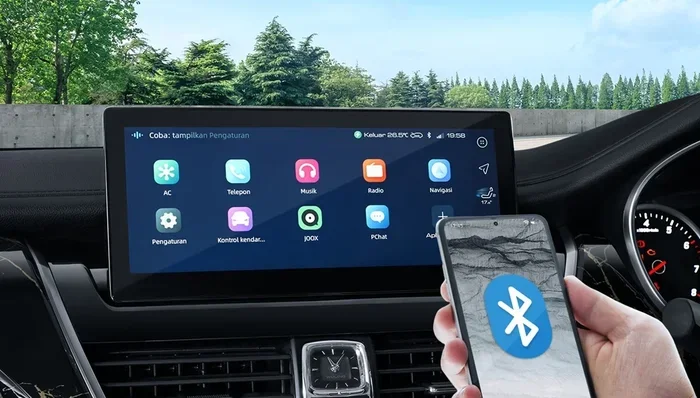
Technology has made it easier than ever to keep track of your keys. Bluetooth key finders like Tile or Apple AirTag attach to your keychain. If you ever misplace your keys, you can use your phone to locate them within about 30 feet. Some smart key tags connect to a wider network, helping you find keys even when they are far away.
These devices are small, affordable, and surprisingly effective. They are especially helpful for people who frequently set their keys down and forget where they put them. A key finder tag costs between $20 and $40 and can save you from countless stressful moments.
Build a Routine Around Your Keys
Habits are powerful. Make it a rule to always remove your key or key fob from the ignition when you exit the car. Before you close the door, check your pocket or bag to confirm your keys are with you. This one simple habit eliminates the vast majority of lockout situations.
Another helpful routine is to place your keys in the same spot every time you enter your home. A hook by the door or a bowl on the entry table works great. When your keys always go in the same place, you never have to search for them.
Consider Upgrading to Keyless Entry
If your car supports it, consider upgrading to a keyless entry or smart key system. These systems allow you to unlock and start your car without physically inserting a key. Some systems let you keep the key fob in your pocket and the car detects it automatically. While this does not eliminate lockouts entirely, it reduces the chances of accidentally locking your keys inside.
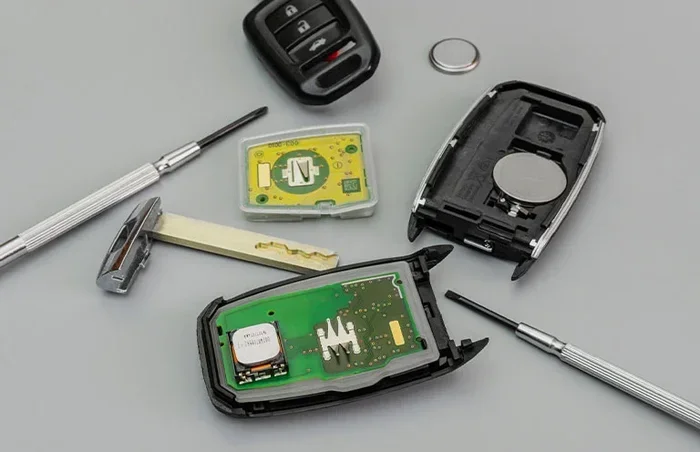
Just remember that keyless entry systems have their own risks. The key fob battery can die, leaving you stuck. Always keep a spare battery in your glove box and replace the fob battery at least once a year.
Final Thoughts: Stay Prepared, Stay Calm
Locking your keys in your car is stressful, but it is also manageable when you know what to do. The most important first step is to stay calm and assess your situation. Try simple DIY methods if your car has manual locks. If those do not work, call a professional locksmith who can handle any vehicle safely. Check your insurance or roadside assistance coverage to potentially save money on the service.
Prevention is always better than cure. Keep a spare key, use a key finder, and build a routine around handling your keys. These small habits will protect you from future lockouts and give you peace of mind. Remember, locking your keys in your car is not the end of the world. It is just a temporary setback with a clear path to resolution. Stay prepared, stay calm, and you will be back on the road in no time.
Frequently Asked Questions
Can I break a window to get my keys out of the car?
Breaking a window should always be your last resort. It can cause expensive damage to your car, risk injury from glass shards, and may not even be covered by your insurance. Only break a window if someone is trapped inside the vehicle, such as a child or pet. In all other cases, try a locksmith or DIY method first.
How long does it take a locksmith to unlock a car?
Most locksmiths arrive within 15 to 30 minutes and can unlock your car in just a few minutes once they arrive. The total time depends on your location, traffic, and the complexity of your vehicle’s locking system. Simple manual locks take less time than keyless entry or smart key systems.
Will my car insurance cover a lockout service?
Many car insurance policies include roadside assistance as part of your coverage. This often includes lockout help at no extra cost. Check with your insurance provider or look at your policy documents to confirm. If you have AAA or a similar membership, their roadside assistance usually covers lockouts too.
What should I do if my key fob battery dies and I am locked out?
Most modern cars with keyless entry have a backup method. Look for a hidden key slot near the door handle or in the center console. You can also check your owner’s manual for the backup entry procedure. Some vehicles let you place the dead key fob against the start button to bypass the battery requirement temporarily.
How much does it cost to replace a lost car key?
The cost varies widely depending on your vehicle. A traditional metal key replacement costs $10 to $50 at a locksmith. A transponder key or key fob replacement can range from $50 to $300 or more. Luxury or newer vehicles with advanced security systems may cost even more. A locksmith is usually cheaper than a dealership for key replacement.
Can a locksmith make a new key for my car on the spot?
Yes, most professional locksmiths can cut and program a new key on the spot. They carry blank keys and programming equipment for most vehicle makes and models. For cars with smart key or keyless entry systems, the locksmith may need to connect to your car’s computer to program the new key. This process typically takes 15 to 30 minutes.