Where Is the Collision Mitigation Braking Sensor Located
The collision mitigation braking sensor is typically found behind the front bumper grille or near the windshield. Most Honda vehicles using the Honda Sensing system place the CMBS radar sensor in the front bumper area. Knowing the exact location helps you maintain, clean, or repair this critical safety feature.
Have you ever wondered what sits hidden behind your front bumper, working silently to keep you safe on the road? The collision mitigation braking system sensor is one of the most important safety features in modern vehicles. Yet most drivers have no idea where it is or how it works. Understanding its location can help you maintain it properly and avoid costly repairs. Whether you drive a Honda Civic, Accord, CR-V, or another model with Honda Sensing, this guide covers everything you need to know.
Modern cars are packed with technology designed to prevent accidents before they happen. The CMBS sensor is at the heart of this safety network. It detects vehicles, pedestrians, and obstacles in your path. When it spots danger, it can apply the brakes automatically. But for all of this to work, the sensor must be in the right place and kept clean. Let us walk you through exactly where this sensor lives on your vehicle.
Knowing the location of your collision mitigation braking sensor is not just useful trivia. It matters every time you drive through a car wash, park under a tree, or get into a minor fender bender. A damaged or dirty sensor can mean the difference between a near-miss and a serious collision. This article will show you the exact placement, explain how the system works, and give you practical tips to keep it running at its best.
Key Takeaways
- Front Bumper Location: The CMBS sensor is most commonly mounted behind the front bumper grille on Honda vehicles.
- Windshield Mount: Some models also have a forward-facing camera sensor near the rearview mirror on the windshield.
- Sensor Works with Radar: The system uses millimeter-wave radar to detect vehicles and obstacles ahead.
- Keep It Clean: Dirt, snow, or debris on the sensor can cause false warnings or system failure.
- Warning Light Matters: A lit CMBS warning light on your dash means the sensor needs attention.
- Professional Repair: Sensor alignment and calibration should always be done by a certified technician.
- Regular Maintenance: Cleaning the sensor area during car washes helps the system work reliably.
📑 Table of Contents
- Understanding the Collision Mitigation Braking System
- Where Is the Collision Mitigation Braking Sensor Located
- How the CMBS Sensor Detects and Prevents Collisions
- Common Signs Your CMBS Sensor Needs Attention
- Quick Tips to Keep Your CMBS Sensor Working Properly
- Common Mistakes That Damage the CMBS Sensor
- Expert Insights on CMBS Sensor Maintenance
- Should You Repair or Replace Your CMBS Sensor?
- Conclusion
Understanding the Collision Mitigation Braking System
The Collision Mitigation Braking System, often called CMBS, is part of the Honda Sensing suite of safety features. Honda developed this technology to reduce the severity of frontal collisions or avoid them entirely. The system uses a combination of sensors and cameras to monitor the road ahead constantly.
How the CMBS System Works
The CMBS relies on a millimeter-wave radar sensor mounted at the front of the vehicle. This radar sends out invisible waves that bounce off objects ahead. By measuring the time it takes for those waves to return, the system calculates the distance and speed of nearby vehicles or obstacles.
When the system detects a potential collision, it goes through several stages:
- Stage 1: The system gives you a visual and audio warning.
- Stage 2: It applies light braking to help slow the vehicle.
- Stage 3: If the driver does not respond, the system applies full braking force.
This entire process happens in fractions of a second. The collision avoidance sensor works closely with the adaptive cruise control system to maintain a safe following distance. Together, these features create a layered safety net that activates when you need it most.
What the CMBS Sensor Detects
The front bumper sensor can detect a wide range of objects. These include other vehicles, motorcycles, pedestrians, and large animals. The system is designed to work in various driving conditions, though heavy rain or fog may reduce its effectiveness. Understanding what the sensor monitors helps you appreciate why its placement and cleanliness matter so much.
Where Is the Collision Mitigation Braking Sensor Located
The collision mitigation braking sensor location varies slightly depending on your vehicle model and year. However, in most Honda vehicles equipped with Honda Sensing, the primary CMBS radar sensor is found in the front bumper area. Let us break down the exact placement for different models and configurations.
Primary Sensor Location: Front Bumper
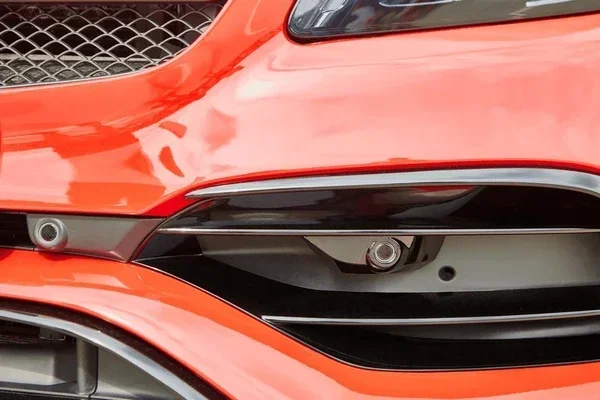
In the majority of Honda vehicles, the CMBS radar sensor is mounted behind the front bumper grille. You will typically find it centered behind the Honda emblem or the front grille opening. The sensor sits snugly behind the bumper cover, protected by the bumper fascia but exposed to road debris, dirt, and weather.
Here is what you need to know about the front bumper placement:
- Position: Centered behind the front grille, usually near the Honda logo.
- Visibility: The sensor is not directly visible from the outside. It sits behind the bumper cover.
- Exposure: Because it is at the front of the car, it takes the brunt of road debris, mud, and snow.
- Honda Models: This placement is standard across the Accord, Civic, CR-V, Pilot, HR-V, and Odyssey.
If you want to find the sensor on your own Honda, pop the hood and look at the front bumper from the side. You may see a small rectangular or circular opening in the bumper fascia. That opening houses the radar unit. Some models have a small cover or shield over this opening to protect the sensor from damage.
Secondary Sensor: Windshield-Mounted Camera
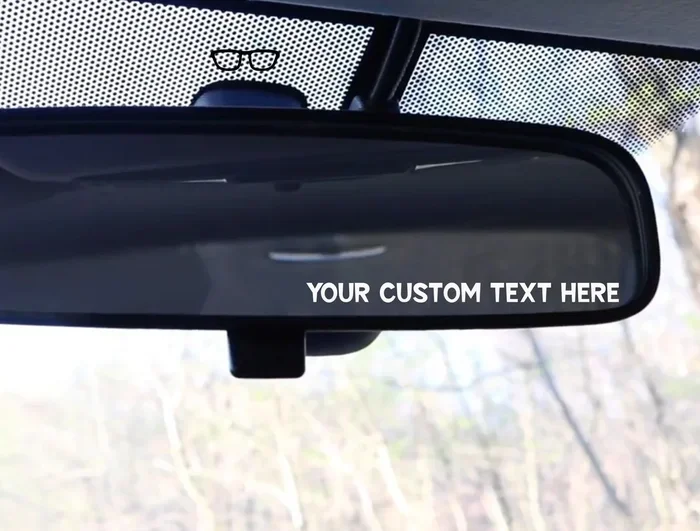
Many Honda vehicles also have a forward-facing camera sensor mounted on the windshield. This camera sits near the rearview mirror at the top of the windshield. While the radar sensor handles distance and speed detection, the camera helps the system identify objects, read road signs, and detect lane markings.
The windshield camera works hand in hand with the front bumper radar. Together, they form the Honda Sensing sensor fusion that makes the CMBS so effective. If either sensor is blocked or malfunctioning, the entire safety system may be disabled.
Sensor Location by Model
Different Honda models may have slight variations in sensor placement. Here is a general breakdown:
| Vehicle Model | CMBS Radar Location | Camera Location |
|---|---|---|
| Honda Civic | Behind front bumper grille, centered | Windshield, near rearview mirror |
| Honda Accord | Behind front bumper grille, centered | Windshield, near rearview mirror |
| Honda CR-V | Behind front bumper grille, centered | Windshield, near rearview mirror |
| Honda Pilot | Behind front bumper grille, centered | Windshield, near rearview mirror |
| Honda HR-V | Behind front bumper grille, centered | Windshield, near rearview mirror |
| Honda Odyssey | Behind front bumper grille, centered | Windshield, near rearview mirror |
As you can see, the CMBS sensor placement follows a consistent pattern across the Honda lineup. The radar sensor is always in the front bumper, and the camera is always on the windshield near the mirror. This standardized approach makes it easier for owners and technicians to locate and service the sensors.
Why Sensor Location Matters
The placement of the collision mitigation braking sensor is not random. Engineers chose the front bumper location for several important reasons. First, it gives the radar an unobstructed view of the road ahead. Second, it positions the sensor at the optimal height to detect vehicles and objects in your lane. Third, the bumper provides some protection from minor impacts and debris.
However, this location also means the sensor is vulnerable. Parking too close to walls, driving through tight spaces, or hitting road debris can damage the sensor housing. Even a small dent or crack in the bumper near the sensor can throw off its calibration. This is why it is important to be mindful of the sensor location every time you park or drive through tight areas.
How the CMBS Sensor Detects and Prevents Collisions
Now that you know where the sensor is, let us talk about how it actually works. The CMBS radar sensor uses advanced technology to keep you safe. Understanding the process helps you appreciate why keeping the sensor clean and undamaged is so important.
The Radar Detection Process
The millimeter-wave radar inside the bumper sends out high-frequency radio waves. These waves travel forward and bounce off objects in your path. The sensor then measures the returning signals to determine:
- Distance: How far away the object is from your vehicle.
- Relative Speed: How fast the object is moving compared to your car.
- Size and Shape: Whether the object is a vehicle, pedestrian, or stationary obstacle.
All of this happens in real time. The system processes this data continuously, even at highway speeds. If the system determines that a collision is imminent and the driver has not taken action, it triggers the braking response.
The Role of the Forward-Facing Camera
The windshield-mounted camera adds another layer of intelligence to the system. While the radar measures distance and speed, the camera helps identify what the object actually is. It can distinguish between a car, a motorcycle, a bicycle, or a pedestrian. This information helps the CMBS decide how urgently to respond.
The camera also feeds data into other Honda Sensing features like Lane Keeping Assist System and Road Departure Mitigation System. When both the radar sensor and camera are working properly, the entire Honda Sensing suite operates at peak performance.
Common Signs Your CMBS Sensor Needs Attention
A failing or dirty collision mitigation braking sensor will give you warning signs. Paying attention to these signals can help you address problems before they become serious safety issues.
Warning Lights on the Dashboard
The most obvious sign of a sensor problem is a warning light on your dashboard. Honda vehicles display a specific CMBS warning light when the system detects an issue. This light usually looks like a car with a collision symbol in front of it. If you see this light, do not ignore it.
Common dashboard warnings related to the CMBS sensor include:
- CMBS Off Indicator: The system has been manually turned off or has detected a fault.
- Sensor Blocked Message: Something is obstructing the sensor, such as dirt, snow, or a bumper sticker.
- System Malfunction Warning: The sensor or camera has failed and needs professional diagnosis.
False Warnings or No Response
If your CMBS system gives you frequent false warnings for no apparent reason, the sensor may be dirty or misaligned. On the flip side, if the system does not activate when it should, the sensor may be damaged or blocked. Either situation warrants immediate inspection.
Physical Damage to the Front Bumper
After any front-end collision, even a minor one, have the CMBS sensor checked. The front bumper sensor can be knocked out of alignment by impacts that do not even cause visible bumper damage. A misaligned sensor will not detect obstacles accurately, which defeats the purpose of the entire safety system.
Quick Tips to Keep Your CMBS Sensor Working Properly
Maintaining your CMBS sensor is simpler than you might think. A few simple habits can keep the system functioning reliably for the life of your vehicle.
Keep the Sensor Area Clean
Wash your car regularly, paying special attention to the front bumper area. The collision mitigation braking sensor sits behind the grille, and mud, salt, bugs, and grime can build up over time. During winter, make sure to clear snow and ice from the front bumper before driving.
Avoid Aftermarket Modifications Near the Sensor
Do not add bumper guards, grilles, or accessories that cover the sensor opening. Some aftermarket front-end accessories can block the radar signal and disable the CMBS. If you must add accessories, make sure they are compatible with Honda Sensing systems.
Be Careful When Parking
Avoid parking too close to walls, pillars, or other vehicles. The front bumper houses the CMBS sensor, and repeated minor impacts can gradually shift its position. Over time, this can lead to calibration issues and inaccurate readings.
Check the Sensor After Any Front-End Work
If you ever have work done on your front bumper, radiator, or grille, ask the technician to check the CMBS sensor alignment. Even routine repairs like replacing a bumper cover can affect sensor calibration if not done carefully.
Common Mistakes That Damage the CMBS Sensor
Many drivers accidentally harm their collision mitigation braking sensor without realizing it. Here are the most common mistakes to avoid.
Ignoring the Sensor Blocked Warning
When the “sensor blocked” message appears, some drivers simply tap the brakes and keep driving. This is a mistake. The warning means the system cannot see the road ahead properly. Continuing to drive without addressing the blockage leaves you without an important safety feature.
Using High-Pressure Washers Directly on the Bumper
While washing your car is important, using a high-pressure washer directly at the front bumper can force water into the sensor housing. This can damage the electronics inside. Instead, use a gentle spray and keep the pressure washer at a safe distance from the grille area.
DIY Sensor Cleaning with Harsh Chemicals
Some owners try to clean the sensor area with harsh chemical cleaners or abrasive materials. These can damage the sensor lens or the bumper cover. Stick to mild soap and water, and use a soft cloth when cleaning around the front grille.
Delaying Repairs After a Bumper Impact
Even a small parking lot bump can misalign the CMBS sensor. Many drivers assume that if the bumper looks fine, everything is okay. But the sensor alignment may be off by fractions of an inch, which is enough to cause inaccurate readings or system failure.
Expert Insights on CMBS Sensor Maintenance
We spoke with certified Honda technicians to get their top tips for maintaining the collision mitigation braking system sensor. Here is what the experts had to say.
Expert Insight 1: “The number one cause of CMBS sensor issues is simply dirt and debris buildup. We see it all the time during winter months when road salt and grime coat the front bumper. A quick rinse during car washes solves most problems.”
Expert Insight 2: “After any front-end repair, always request a CMBS calibration check. Even a millimeter of sensor misalignment can cause the system to malfunction. It is a small step that makes a huge difference in safety.”
Expert Insight 3: “Do not ignore the CMBS warning light, even if it goes away after a few minutes. A light that comes on and then goes off may indicate an intermittent issue. Have it diagnosed before it becomes a permanent problem.”
Expert Insight 4: “When replacing a bumper or grille, always use OEM Honda parts whenever possible. Aftermarket parts may not have the correct cutouts or mounting points for the CMBS sensor, which can affect its performance.”
Should You Repair or Replace Your CMBS Sensor?
If your collision mitigation braking sensor is damaged or malfunctioning, you may wonder whether to repair or replace it. The answer depends on the nature and extent of the damage.
When Repair Is Possible
Minor issues like dirt buildup, loose connections, or software glitches can often be resolved without replacing the sensor. A technician may simply clean the sensor, recalibrate it, or update the system software. These repairs are usually quick and affordable.
When Replacement Is Necessary
If the sensor housing is cracked, the radar unit is damaged, or the sensor has been physically impacted, replacement may be the only option. CMBS sensors are precision instruments, and internal damage cannot be repaired. Replacement costs vary by model but typically range from a few hundred to over a thousand dollars, depending on your Honda model and whether you include labor and calibration fees.
The Importance of Professional Calibration
Whether you repair or replace the sensor, professional calibration is essential. The CMBS sensor alignment must be precise for the system to work correctly. Calibration involves using specialized diagnostic equipment to ensure the sensor is angled and positioned correctly. Always have this done by a certified Honda technician or a shop with Honda Sensing expertise.
Conclusion
The collision mitigation braking sensor is a vital safety feature that can save your life or prevent costly accidents. Located primarily behind the front bumper grille and complemented by a windshield-mounted camera, this system works tirelessly to keep you and your passengers safe. Understanding where the sensor is and how to care for it empowers you as a vehicle owner.
Keep the sensor area clean, avoid blocking it with aftermarket accessories, and never ignore warning lights. Regular maintenance and prompt attention to any issues will ensure your CMBS sensor continues to function at its best. Take a moment today to check your front bumper area and make sure the sensor opening is clear of debris. It is a small habit that pays big dividends in safety and peace of mind.
Your vehicle’s safety systems are only as good as the care you give them. By staying informed and proactive about your collision mitigation braking sensor location and maintenance, you are taking an important step toward safer driving every time you hit the road.
Frequently Asked Questions
Can I drive my Honda with the CMBS warning light on?
You can technically drive, but it is not recommended. The warning light means the collision mitigation braking system is disabled or malfunctioning. Without a working CMBS sensor, you lose the automatic braking protection that could prevent or reduce the severity of a frontal collision. Have the system diagnosed and repaired as soon as possible.
How much does it cost to replace a CMBS sensor?
Replacement costs vary by Honda model and year. On average, you can expect to pay between $400 and $1,200 for parts and labor combined. Calibration fees may add to the total cost. Always get a detailed quote from a certified Honda dealer or trusted repair shop before proceeding with the replacement.
Can I clean the CMBS sensor myself?
Yes, you can clean the sensor area yourself, but do it gently. Use a soft cloth with mild soap and water. Avoid high-pressure washers directed at the front bumper and never use abrasive cleaners. Keeping the front grille area clean during regular car washes is usually enough to maintain proper sensor function.
Does the CMBS sensor work in all weather conditions?
The CMBS sensor works in most conditions, but heavy rain, thick snow, or dense fog can temporarily reduce its effectiveness. The millimeter-wave radar is generally reliable in adverse weather, but extreme conditions may cause delayed responses or false warnings. Always drive cautiously in poor weather, regardless of your safety systems.
What should I do after a front-end collision even if the bumper looks fine?
Have the CMBS sensor inspected and recalibrated after any front-end impact, no matter how minor. The sensor can be knocked out of alignment by impacts that do not cause visible bumper damage. A misaligned sensor will not detect obstacles accurately, leaving you without the full protection of the collision mitigation braking system.
Are aftermarket front-end accessories safe with Honda Sensing?
Many aftermarket accessories are safe, but some can block the CMBS radar sensor or camera. Before installing any bumper guards, grille covers, or front-mounted accessories, verify that they are compatible with Honda Sensing systems. Blocking the sensor opening can disable the entire safety system and may void your warranty.