Where Is the Trunk Release Switch Located on Your Vehicle
The trunk release switch is typically found inside your vehicle on the driver side door panel, on the center console, or near the steering column. It may also appear on the trunk lid itself or as a button on your key fob. Knowing the exact trunk release switch location saves time and frustration when your hands are full or the power system fails.
Ever stood in the parking lot with both arms full of groceries and realized you could not find the trunk release switch? You are not alone. This small component plays a huge role in everyday driving convenience. Knowing where it sits on your vehicle can save you time, stress, and even a call to roadside assistance.
The trunk release switch is more than just a button. It is the gateway to your vehicle’s cargo area. Whether you drive a sedan, SUV, or pickup truck, understanding how this switch works and where to find it makes life so much easier. Let us walk through everything you need to know.
This guide covers every common location, how the system works, common problems, and simple fixes. By the end, you will be a trunk release expert.
Key Takeaways
- Driver-side door panel: The most common spot for the trunk release switch in most vehicles.
- Center console or dashboard: Many newer cars place the switch near the steering column or on the console.
- Trunk lid itself: Some models include a release switch directly on the trunk or tailgate.
- Key fob: Most modern vehicles offer a hands-free trunk release button on the remote.
- Fuse or relay issues: A dead trunk release often traces back to a blown fuse or faulty relay.
- Regular maintenance: Keeping the switch and wiring clean prevents most trunk release problems.
📑 Table of Contents
- What Is a Trunk Release Switch and Why It Matters
- Common Locations of the Trunk Release Switch
- How the Trunk Release System Works
- Common Trunk Release Problems and How to Fix Them
- Tips for Maintaining Your Trunk Release Switch
- When to Call a Professional for Trunk Release Issues
- Trunk Release Switch Location by Vehicle Type
- Key Takeaways
- Conclusion
- FAQs
What Is a Trunk Release Switch and Why It Matters
The trunk release switch is a small electrical button or lever that triggers the trunk latch to open. When you press it, a signal travels through the wiring to the trunk release mechanism. That mechanism then unlatches the trunk lid, letting you access your cargo area.
Most vehicles use one of two types of trunk release systems. The first is an electronic trunk opener powered by the car’s electrical system. The second is a manual trunk release cable that you pull by hand. Many modern cars combine both systems for added convenience.
Here is why the trunk release switch matters so much:
- Convenience: You open the trunk without using your hands to lift a latch.
- Safety: A working switch ensures you can quickly access emergency supplies.
- Resale value: A functional trunk release shows the vehicle is well maintained.
- Daily use: It makes loading bags, luggage, and gear effortless.
If your trunk release switch stops working, it can turn a simple task into a real headache. That is why knowing where it is and how to troubleshoot it is so valuable.
Common Locations of the Trunk Release Switch
The exact placement of the trunk release switch varies by vehicle make, model, and year. However, there are five common spots where manufacturers typically install this switch. Let us explore each one.
1. Driver-Side Door Panel
This is the most common location across all vehicle types. Look on the lower part of the driver’s door panel, often near the window controls or armrest. The switch is usually labeled with a trunk icon or the word “TRUNK.”
Many drivers never even notice this switch because it blends into the door panel design. But once you know where to look, it is easy to find. On some models, the switch is part of a larger power door lock panel.
2. Center Console or Dashboard Area
In many newer vehicles, the trunk release switch sits on the center console or near the dashboard. You will often find it to the left of the steering column or on the lower dash area near the driver’s knees.
Manufacturers moved the switch here in recent years to make it more accessible. It is especially common in SUVs and crossovers where the driver sits higher. The center console placement also keeps the switch away from water or debris that might collect on the door panel.
3. Trunk Lid or Tailgate Itself
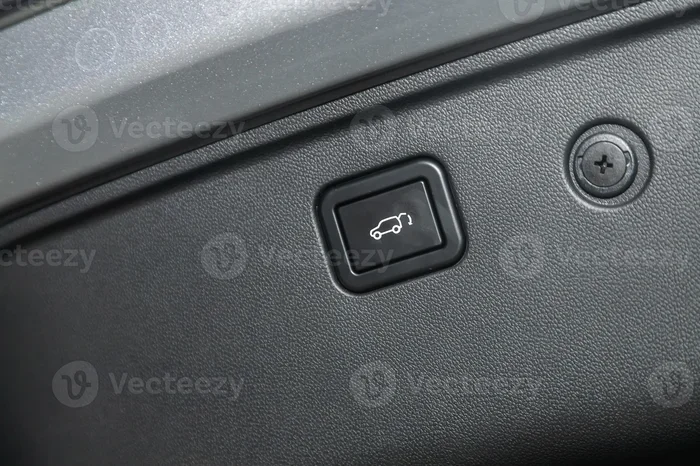
Some vehicles include a trunk release button directly on the trunk lid or tailgate. This is especially common on SUVs and hatchbacks. The switch is usually located near the rear handle or on the inner face of the trunk lid.
This placement is handy when you are standing outside the vehicle. You do not need to walk around to the driver’s side. However, if the trunk is already stuck closed, you cannot access this switch.
4. Key Fob or Remote Control
Most modern vehicles come with a hands-free trunk release button on the key fob. This button is often located on the top or side of the remote. Some systems require you to press the button for two to three seconds, while others respond to a single press.
The key fob trunk release is incredibly convenient. You can open the trunk while carrying packages or walking away from the vehicle. Keep in mind that this feature requires the key fob to be within range of the car.
5. Under the Dashboard or Steering Column
In some older models or specific vehicle brands, the trunk release switch hides under the dashboard. You may need to look closely or feel around the lower steering column area. This placement is less common in newer vehicles but still appears in many trucks and classic cars.
If you have trouble locating your switch, consult your vehicle owner’s manual. It will show the exact position for your specific make and model.
How the Trunk Release System Works
Understanding how the trunk release mechanism works helps you troubleshoot problems faster. The system is actually quite simple once you break it down.
When you press the trunk release switch, it sends a small electrical signal to the trunk release relay. The relay then activates the trunk release solenoid, which is a small electromagnetic device. The solenoid pushes or pulls a latch that holds the trunk lid shut. Once the latch releases, the trunk opens.
Here is a simple breakdown of the key components:
- Trunk release switch: The button or lever you press.
- Wiring harness: The electrical cables that carry the signal.
- Relay: The switch that amplifies the electrical signal.
- Solenoid: The actuator that physically releases the latch.
- Trunk latch: The mechanical lock that holds the trunk closed.
- Trunk release cable: A backup manual cable for emergencies.
Many vehicles also include a trunk release fuse that protects the electrical circuit. If this fuse blows, the trunk release switch will stop working entirely. Checking the fuse is always a good first step when troubleshooting.
The power trunk system found in luxury vehicles adds an extra layer of convenience. These systems allow you to open the trunk with a foot gesture under the rear bumper. They use sensors and motors to do the work automatically.
Common Trunk Release Problems and How to Fix Them
A trunk release problem can show up in several ways. The switch might feel loose, unresponsive, or completely dead. Here are the most common issues and what you can do about them.
Switch Feels Loose or Sticky
If the trunk release switch feels wobbly or sticky, dirt and debris may have built up around it. Try cleaning the switch with a dry cloth or a small amount of electrical contact cleaner. Sometimes a quick spray of contact cleaner brings the switch back to life.
Avoid using water or harsh liquids near electrical switches. They can cause short circuits and worsen the problem.
Trunk Will Not Open at All
A completely unresponsive trunk release usually points to one of three causes:
- Blown fuse: Check the trunk release fuse in your fuse box. Replace it with a fuse of the same amperage.
- Dead key fob battery: If you rely on the key fob trunk release, a weak battery is often the culprit. Replace the battery and try again.
- Broken wiring: Over time, wires can fray or disconnect. Inspect the wiring harness running from the switch to the trunk latch.
Trunk Opens But Will Not Close
Sometimes the issue is not with the switch but with the trunk latch itself. A misaligned latch or a worn-out latch mechanism can prevent the trunk from closing properly. Lubricate the latch with a silicone-based spray and check for any visible damage or debris.
Intermittent Trunk Release
If the trunk release works sometimes but not others, you may have a wiring issue or a failing relay. Intermittent problems are often caused by loose connections or corroded wires. Wiggle the wiring harness gently while pressing the switch to see if the trunk responds.
Tips for Maintaining Your Trunk Release Switch
Keeping your trunk release switch in good shape is simple and takes just a few minutes. Regular maintenance can prevent most problems before they start.
- Keep the switch clean: Wipe it down regularly with a dry cloth to remove dust and grime.
- Check the fuse annually: Inspect the trunk release fuse during your regular car maintenance routine.
- Lubricate the latch: Apply a small amount of silicone spray to the trunk latch every few months.
- Replace key fob batteries: Change the battery before it dies completely to avoid getting locked out.
- Avoid forcing the switch: Press gently. Forcing a sticky switch can damage the internal contacts.
- Inspect wiring periodically: Look for frayed or exposed wires near the switch and trunk latch area.
These simple habits extend the life of your trunk release system and keep everything running smoothly. A little prevention goes a long way.
When to Call a Professional for Trunk Release Issues
Many trunk release problems are easy to fix at home. But some situations call for a professional mechanic. If you have checked the fuse, cleaned the switch, and inspected the wiring, but the trunk still will not open, it is time to seek help.
Also, if you notice a burning smell or see smoke near the switch, stop using it immediately. These are signs of a serious electrical problem that needs urgent attention. A certified mechanic can safely diagnose and repair complex electrical issues with the trunk release system.
Similarly, if your vehicle has a power trunk or hands-free trunk system, professional diagnosis is often the best route. These advanced systems involve sensors, motors, and control modules that require specialized knowledge and tools.
Trunk Release Switch Location by Vehicle Type
Different types of vehicles tend to place the trunk release switch in different spots. Here is a quick overview to help you narrow down where to look.
Sedans and Hatchbacks
In most sedans and hatchbacks, the trunk release switch is on the driver-side door panel. Some models also include a switch on the center console. The key fob trunk release is standard in nearly all new sedans and hatchbacks.
SUVs and Crossovers
SUVs often feature the switch on the center console or dashboard area. Many also include a switch on the trunk lid itself. The hands-free trunk release with a foot sensor is increasingly common in this category.
Trucks and Pickups
Trucks typically place the trunk release switch on the driver-side door panel or under the dashboard. Some pickup trucks with a rear trunk also include a switch on the tailgate. The trunk release cable is especially common in trucks as a backup method.
Key Takeaways
- Driver-side door panel: The most common spot for the trunk release switch in most vehicles.
- Center console or dashboard: Many newer cars place the switch near the steering column or on the console.
- Trunk lid itself: Some models include a release switch directly on the trunk or tailgate.
- Key fob: Most modern vehicles offer a hands-free trunk release button on the remote.
- Fuse or relay issues: A dead trunk release often traces back to a blown fuse or faulty relay.
- Regular maintenance: Keeping the switch and wiring clean prevents most trunk release problems.
Conclusion
The trunk release switch is a small but essential part of your vehicle. Whether it is on the driver-side door panel, the center console, the trunk lid, or your key fob, knowing where it sits makes daily life much easier. When it works, you barely notice it. When it fails, it becomes impossible to ignore.
By understanding the common locations, how the system works, and what to do when problems arise, you are well prepared for any trunk release situation. Regular maintenance and a little attention go a long way in keeping everything functioning smoothly.
Next time you are loading up the car or searching for the switch in a hurry, you will know exactly where to look. Take a moment today to locate your trunk release switch and give it a quick test. It is one of those small things that pays off big time.
FAQs
Can I open my trunk if the trunk release switch fails?
Yes, most vehicles have a backup trunk release cable inside the cabin or a mechanical latch on the trunk lid. Check your owner’s manual for the specific location of the emergency release in your vehicle.
Why does my trunk release switch work intermittently?
Intermittent operation is usually caused by loose wiring, corroded connections, or a failing switch. Wiggle the wiring harness while testing the switch to see if the connection is intermittent. Cleaning the switch contacts with electrical contact cleaner can also help.
How much does it cost to replace a trunk release switch?
The cost varies by vehicle but typically ranges from $50 to $200 for parts and labor. The switch itself is usually inexpensive, but labor costs depend on how accessible the switch is in your specific vehicle model.
Is a hands-free trunk release the same as a trunk release switch?
Not exactly. A hands-free trunk release uses sensors and motors to open the trunk automatically, often with a foot gesture. A trunk release switch is the physical button or lever you press. Many vehicles with hands-free systems still include a traditional switch as well.
What should I do if the trunk release fuse keeps blowing?
A fuse that keeps blowing indicates a short circuit or an overloaded system. Check the wiring for damage or fraying. If the fuse blows again after replacement, take your vehicle to a mechanic to inspect the electrical system safely.
Can weather affect my trunk release switch?
Yes, extreme cold, heat, and moisture can all impact the trunk release switch and its wiring. Moisture can cause corrosion on electrical connections, while extreme temperatures can weaken plastic components and wiring insulation over time.