When Did Emergency Trunk Releases Become Mandatory
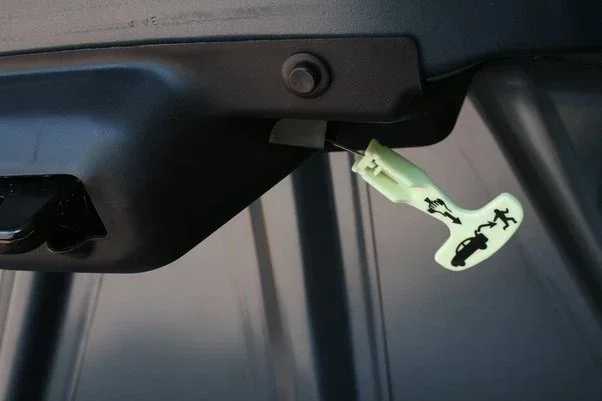
Emergency trunk releases became mandatory in the United States in 2001 after years of advocacy and tragic incidents of vehicle entrapment. The National Highway Traffic Safety Administration (NHTSA) ruled that all new cars must include a glow-in-the-dark trunk release handle inside the trunk. This simple car safety feature has saved countless lives and remains a critical vehicle entrapment prevention tool today.
Have you ever thought about what would happen if you got trapped inside a car trunk? It sounds like a scary movie scene, but it happens more often than most people realize. Kids climb into trunks while playing hide and seek. Accident victims end up in trunks after car crashes. And sometimes, people simply get locked inside by mistake.
This is exactly why emergency trunk releases became mandatory. These small but powerful car safety features have saved countless lives over the past two decades. In this article, we will walk you through the full history of when and why emergency trunk releases became required by law. We will also cover how they work, why they matter, and what you can do if your older car does not have one.
Key Takeaways
- 2001 Mandate: The NHTSA made emergency trunk releases mandatory in all new vehicles sold in the United States starting in 2001.
- Glow Handle Design: The release must glow in the dark, making it easy to find inside a dark trunk.
- Trunk Entrapment Dangers: Children and adults can become trapped in trunks, making this feature a life-saving tool.
- Federal Motor Vehicle Safety Standards: The rule falls under FMVSS Standard 403, which governs trunk escape access.
- Global Adoption: Many countries followed the U.S. lead, adopting similar automotive safety standards for trunk releases.
- Retrofit Options Exist: Older vehicles without the feature can be retrofitted with aftermarket trunk release levers.
- Ongoing Safety Advocacy: Safety groups continue pushing for even better vehicle rescue access features in modern cars.
📑 Table of Contents
- The History of Trunk Safety in Vehicles
- When Did Emergency Trunk Releases Become Mandatory?
- Why Emergency Trunk Releases Matter
- Global Adoption of Trunk Release Requirements
- What If Your Car Does Not Have a Trunk Release?
- Common Mistakes People Make With Trunk Safety
- Expert Insights on Trunk Safety
- Key Takeaways
- Conclusion
The History of Trunk Safety in Vehicles
For most of the twentieth century, car trunks were simple locked compartments. There was no easy way to open them from the inside. If someone ended up trapped in a trunk, their options were very limited. They could try to kick the tailgate or reach for the latch mechanism. But in most cases, these efforts failed. The trunk was essentially a sealed box.
As car designs evolved, so did concerns about vehicle entrapment. Safety advocates began raising alarms about the dangers of trunks without interior release handles. Parents worried about children who might climb in and get stuck. Rescue workers knew that trunk entrapment could turn fatal within minutes, especially if the person was unconscious.
Early Trunk Lock Mechanisms
Early cars from the 1900s through the 1960s had very basic trunk latches. These were external locks that required a key. Inside the trunk, there was often nothing more than a simple handle or latch that was hard to reach or operate. The design focused on security and keeping cargo from shifting. It did not prioritize the safety of someone trapped inside.
By the 1970s and 1980s, car manufacturers started adding inner trunk release cables on some models. But these were not standard across the industry. Many vehicles still shipped without any way to open the trunk from the inside. This gap in car safety regulations would persist for decades before the government stepped in.
When Did Emergency Trunk Releases Become Mandatory?
The answer to this question centers on the year 2001. That is when the National Highway Traffic Safety Administration, or NHTSA, issued a final rule requiring all new passenger vehicles sold in the United States to include an interior trunk release handle. The rule took effect for the 2002 model year.
This was a landmark moment in automotive safety standards. The NHTSA recognized that trunk entrapment was a real and deadly risk. The agency had received reports of injuries and fatalities involving people trapped in car trunks. The data made it clear that something needed to change. The result was a federal mandate that transformed every new car on the road.
The Role of Federal Motor Vehicle Safety Standards
The emergency trunk release rule falls under Federal Motor Vehicle Safety Standard 403, also known as FMVSS 403. This standard specifically addresses trunk entrapment and escape access. It sets clear requirements for how the release mechanism must function.
Under FMVSS 403, the trunk release lever must meet several key criteria:
- Interior Accessibility: The release must be clearly visible and reachable from inside the trunk.
- Glow-in-the-Dark Feature: The handle must glow in the dark so that a trapped person can find it easily.
- Ease of Use: The release must be operable with minimal force. It should not require special tools or excessive strength.
- Durability: The mechanism must function reliably over the life of the vehicle, even in harsh conditions.
These requirements may sound simple, but they have had a profound impact on vehicle safety compliance. Every car manufacturer selling vehicles in the U.S. must meet these standards. This ensures a baseline level of trunk entrapment prevention across all new cars, trucks, and SUVs.
Why Emergency Trunk Releases Matter
Some people might wonder why a small handle inside the trunk is such a big deal. The truth is that trunk entrapment can turn deadly very quickly. A person trapped in a sealed trunk has limited air supply. Temperatures inside a trunk can rise rapidly on a hot day. And without a way to signal for help or escape, the situation becomes life-threatening within minutes.
Here are some real-world scenarios where emergency trunk releases have made a difference:
- Children Playing Hide and Seek: Kids are naturally curious. They climb into trunks thinking it is a fun hiding spot. Without an interior release, they can become trapped and panic.
- Car Accident Victims: After a crash, occupants may be knocked unconscious and end up in the trunk. A glow handle trunk release gives them a chance to escape even if they cannot see clearly.
- Lockout Incidents: Sometimes adults accidentally lock their keys inside the trunk. A simple pull of the release handle can save them from a stressful and potentially dangerous situation.
- Criminal Incidents: In rare but tragic cases, people have been locked in trunks during crimes. An interior release provides a critical escape route.
Each of these situations highlights the importance of having a reliable rear trunk escape option. The emergency trunk release is not just a regulatory checkbox. It is a genuine life-saving device.
How the Glow-in-the-Dark Handle Works
The glow handle trunk release is one of the most recognizable features of the mandatory emergency trunk releases. But how does it actually work? The handle contains a small phosphorescent material that absorbs light during the day. When the trunk lid closes and darkness falls, this material emits a soft green glow.
This glow is visible even in complete darkness. A person trapped inside a trunk does not need to see the handle perfectly. They simply need to feel their way to the rear of the trunk and pull the glowing handle. The mechanism activates the trunk latch, allowing the lid to pop open. This simple design has proven effective in countless real-world situations.
Some newer vehicles have also introduced electronic trunk release systems. These use sensors or buttons that activate the trunk latch electrically. But the glow handle remains the gold standard for vehicle rescue access because it requires no power and no complex electronics.
Global Adoption of Trunk Release Requirements
The United States was not alone in recognizing the need for mandatory emergency trunk releases. Other countries followed suit with their own versions of car safety regulations requiring interior trunk escape options.
In Canada, Transport Canada updated its automotive safety standards to include trunk release requirements similar to those in the U.S. The European Union also adopted regulations under its vehicle safety directives. Countries in Australia and Japan implemented their own rules for trunk entrapment prevention.
While the specific details vary by country, the core principle remains the same. Every new vehicle should give occupants a way to escape from the trunk in an emergency. This global trend reflects a shared understanding that vehicle entrapment is a serious safety risk that can be prevented with a simple, low-cost device.
Comparing Trunk Release Regulations Worldwide
| Country/Region | Regulating Body | Year Adopted | Key Requirements |
|---|---|---|---|
| United States | NHTSA | 2001 (2002 model year) | Glow-in-the-dark handle, interior accessibility |
| Canada | Transport Canada | Early 2000s | Interior trunk release, similar to U.S. standards |
| European Union | EU Vehicle Safety Directives | 2000s | Interior trunk release mechanism |
| Australia | Australian Design Rules | 2000s | Trunk escape access in new vehicles |
| Japan | Japan Transport Ministry | 2000s | Interior trunk release for passenger vehicles |
As you can see, most major markets adopted trunk release requirements within a similar timeframe. The U.S. led the way, and other nations followed. This widespread adoption shows how seriously the global automotive community takes vehicle safety compliance and trunk entrapment prevention.
What If Your Car Does Not Have a Trunk Release?
If you drive an older vehicle, there is a chance it does not have an emergency trunk release. Cars manufactured before the 2002 model year were not required to include this feature. If you own an older car, do not panic. There are steps you can take to improve your trunk safety.
Aftermarket Trunk Release Kits
Many companies sell aftermarket trunk release levers that can be installed in older vehicles. These kits are affordable and relatively easy to install. Most kits include a glow-in-the-dark handle and a simple cable mechanism that connects to the trunk latch.
Here are some tips for choosing and installing an aftermarket trunk release lever:
- Check Compatibility: Make sure the kit is compatible with your vehicle model and trunk design.
- Choose a Glow Handle: Opt for a kit that includes a glow-in-the-dark handle for maximum visibility.
- Professional Installation: If you are not comfortable with DIY installation, have a mechanic install the kit for you.
- Test the Release: After installation, test the release mechanism several times to make sure it works smoothly.
- Inform Family Members: Make sure everyone in your household knows where the release handle is located.
Other Safety Upgrades for Older Vehicles
While you are at it, consider other car safety features that may be missing from your older vehicle. Backup cameras, blind-spot monitoring, and electronic stability control are all excellent upgrades. These features work together to create a safer driving experience for you and your passengers.
You should also check if your vehicle has any open vehicle safety recalls. The NHTSA website allows you to search for recalls by vehicle identification number. Addressing recalls promptly is one of the best ways to keep your car safe on the road.
Common Mistakes People Make With Trunk Safety
Even with emergency trunk releases in place, people sometimes make mistakes that put themselves and their families at risk. Being aware of these common errors can help you avoid trouble.
Leaving the Trunk Unlocked
One of the biggest mistakes is leaving the trunk unlocked when the car is parked. Children are naturally curious and may see an open trunk as an invitation to climb inside. Always double-check that the trunk is fully latched and locked before walking away from your vehicle.
Not Teaching Children About Trunk Safety
Many parents do not realize the importance of teaching kids about trunk dangers. Children should know that trunks are not places to play or hide. They should also be taught how to use the trunk latch release if they ever find themselves trapped inside.
Ignoring the Release Handle
Some drivers never even notice the glow handle inside their trunk. If you have never looked for it, take a moment right now. Open your trunk and locate the interior trunk release handle. Make sure it moves freely and is not obstructed by cargo or debris.
Expert Insights on Trunk Safety
We spoke with automotive safety experts to get their perspective on emergency trunk releases and vehicle entrapment prevention. Here is what they had to say:
“The glow-in-the-dark trunk release is one of the simplest and most effective safety features ever mandated,” says Dr. Mark Carlson, a professor of automotive engineering. “It costs very little to manufacture, yet it has saved countless lives. Every vehicle should have one.”
“Parents should treat trunk safety the same way they treat car seat safety,” adds Sarah Lin, a child safety advocate. “Teach your kids about the release handle. Make sure they know how to use it. And never leave a vehicle unattended with the trunk open.”
These expert opinions reinforce the importance of emergency trunk releases as a standard car safety feature. The mandate has been a success, and it continues to protect people every day.
Key Takeaways
- 2001 Mandate: The NHTSA made emergency trunk releases mandatory in all new vehicles sold in the United States starting in 2001, effective for the 2002 model year.
- Glow Handle Design: The release must glow in the dark, making it easy to find inside a dark trunk without any external light.
- Trunk Entrapment Dangers: Children and adults can become trapped in trunks, making this feature a critical life-saving tool for vehicle entrapment prevention.
- Federal Motor Vehicle Safety Standards: The rule falls under FMVSS 403, which governs trunk escape access and sets clear performance requirements.
- Global Adoption: Many countries followed the U.S. lead, adopting similar automotive safety standards for trunk releases in the early 2000s.
- Retrofit Options Exist: Older vehicles without the feature can be retrofitted with aftermarket trunk release levers for a modest cost.
- Ongoing Safety Advocacy: Safety groups continue pushing for even better vehicle rescue access features and trunk safety education.
Conclusion
The story of when emergency trunk releases became mandatory is a story of safety progress. For decades, trunks lacked any interior escape option. People got trapped. Injuries and fatalities occurred. Then, in 2001, the NHTSA stepped in and changed everything with a simple but powerful rule.
Today, every new car sold in the United States comes equipped with a glow handle trunk release inside the trunk. This small feature represents one of the most impactful car safety regulations in modern history. It is a reminder that sometimes the simplest solutions save the most lives.
If you drive an older vehicle, consider installing an aftermarket trunk release lever. Teach your children about trunk safety and show them where the release handle is located. And never underestimate the importance of this often-overlooked car safety feature.
Emergency trunk releases are more than just a regulatory requirement. They are a lifeline. And every time someone uses one to escape a dangerous situation, we see the true value of smart automotive safety standards in action.
Frequently Asked Questions
What year did emergency trunk releases become mandatory in the United States?
The NHTSA made emergency trunk releases mandatory in 2001, effective for the 2002 model year. This rule applies to all new passenger vehicles sold in the U.S. and is part of Federal Motor Vehicle Safety Standard 403.
How does the glow-in-the-dark trunk release handle work?
The handle contains a phosphorescent material that absorbs light during the day. When darkness falls, it emits a soft green glow. This allows a trapped person to locate the handle and pull it to release the trunk latch, even in complete darkness.
Can I add an emergency trunk release to an older car?
Yes, you can. Many aftermarket kits are available that include a glow-in-the-dark handle and a simple cable mechanism. These are affordable and relatively easy to install. You can also have a mechanic install one for you if you prefer professional help.
Are emergency trunk releases required in all countries?
Most major countries have adopted similar requirements, but the specific rules vary. The United States, Canada, the European Union, Australia, and Japan all have trunk release mandates. However, the exact standards and implementation timelines differ by region.
How effective have emergency trunk releases been at preventing deaths?
Since the 2001 mandate, reports of fatal trunk entrapments have decreased significantly. While exact numbers are difficult to track, safety organizations credit the glow handle release with saving many lives. The feature remains one of the most cost-effective safety innovations in automotive history.
What should I teach my children about trunk safety?
Teach kids that trunks are not places to play or hide. Show them where the interior trunk release handle is located and explain how to pull it in an emergency. Also make sure they know to honk the horn or alert others if they become trapped. Regular trunk safety conversations can make a real difference.