West Virginia Window Tint Law A Complete Guide for Residents
West Virginia window tint law sets specific limits on how dark you can tint your car windows. The law governs VLT percentages for sedans, SUVs, and vans, with strict rules for the windshield and front side windows. Knowing these rules helps you avoid tint tickets, stay safe, and keep your vehicle legal on the road.
West Virginia window tint law can feel confusing at first glance. You walk into a shop, see all those dark films, and wonder what is actually legal. The truth is, the state has clear rules about how dark your tint can be, which windows it can go on, and what kind of tint is allowed. Understanding these rules protects you from fines and keeps you safe on the road.
This guide breaks down every detail of the West Virginia tint law in plain language. Whether you drive a sedan, SUV, or van, you will find the exact limits, exemptions, and practical tips you need. Let us dive in and make sure your car stays compliant.
Key Takeaways
- VLT limits matter: Front side windows must allow more than 35% of light through for most vehicles.
- Windshield tint is restricted: Only the top 5 inches can be tinted, and it must be non-reflective.
- Medical exemptions exist: You can get a waiver for darker tint if you have a qualifying condition.
- Tint tickets are real: Violating the law can lead to fines and mandatory removal.
- Certification matters: Tint film sold in West Virginia must be certified by the manufacturer.
- SUVs and vans have different rules: Rear windows can be darker compared to sedans.
- Reflective tint is not allowed: Metallic or mirror-like finishes violate the law.
📑 Table of Contents
- What Is the West Virginia Window Tint Law?
- Windshield Tint Rules in West Virginia
- Tint Darkness for Different Vehicle Types
- Reflective and Metallic Tint Restrictions
- Medical Exemptions and Special Waivers
- Tint Certification and Legal Requirements
- Penalties for Tint Violations
- Common Mistakes People Make with Tinting
- Benefits of Legal Window Tinting
- Choosing the Right Tint Film
- How to Ensure Your Tint Stays Legal
- Frequently Asked Questions About West Virginia Tint Law
- Final Thoughts on West Virginia Window Tint Law
What Is the West Virginia Window Tint Law?
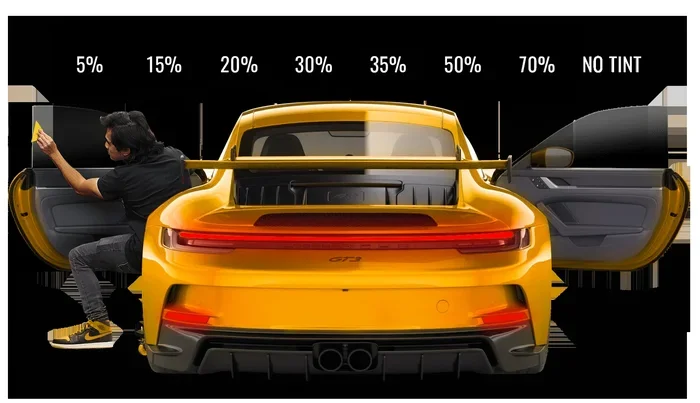
The West Virginia window tint law controls how much light can pass through your vehicle windows. The key measurement is called VLT, which stands for Visible Light Transmission. VLT tells you the percentage of light that gets through the film and glass combined. The higher the number, the lighter the tint. The lower the number, the darker the tint.
West Virginia sets different VLT limits depending on the type of vehicle and which window you are tinting. Sedans, SUVs, and vans all have their own set of rules. The law also restricts reflective finishes and specifies exactly how much of the windshield can be covered.
VLT Percentage Explained
VLT percentage is the foundation of every tint law. If a film has a VLT of 35%, it means 35% of visible light passes through, and 65% is blocked. In West Virginia, the legal tint darkness depends on your vehicle type. Let us look at the specific numbers so you know exactly what is allowed.
- Sedans: Front side windows must have a VLT of more than 35%. Rear side windows and the rear windshield can be any darkness.
- SUVs and Vans: Front side windows must also have a VLT of more than 35%. Rear side windows and the rear windshield can be darker.
These limits apply to the combined effect of the factory tint and any aftermarket film you add. So if your car already has some tint from the factory, you need to factor that in when choosing a new film.
Windshield Tint Rules in West Virginia
The windshield has its own set of rules because it plays a big role in driver visibility. West Virginia does not allow you to tint the entire windshield. Instead, the law permits a strip of non-reflective tint along the top of the glass.
This strip can cover the top 5 inches of the windshield. Anything below that line must remain clear and untinted. The tint on this strip must also be non-reflective, meaning it cannot have a mirror-like or metallic finish.
Why These Rules Exist
The windshield is your primary view of the road. Dark or reflective tint on the windshield can seriously reduce your ability to see in bright sunlight or at night. The 5-inch rule gives drivers some privacy and sun protection without compromising safety. It is a balance between personal comfort and public safety, which is at the heart of all tint regulations.
Many drivers also ask about the tint strip color. West Virginia does not specify a color restriction for the top strip, but it must remain non-reflective. If you are unsure whether a product qualifies, ask your installer before they apply it.
Tint Darkness for Different Vehicle Types
Not all vehicles follow the same rules. West Virginia separates passenger cars into sedans and multi-purpose vehicles like SUVs and vans. Each category has its own tint darkness limits. Here is a closer look at how the rules differ.
Sedans
For sedans in West Virginia, the front side windows must allow more than 35% of light to pass through. This means you cannot go too dark on the driver and passenger side windows. The rear side windows and rear windshield can be tinted to any level of darkness. This gives sedan owners more freedom in the back.
SUVs and Vans
SUVs and vans follow the same front side window rule as sedans. The front side windows must have a VLT above 35%. However, the rear side windows and rear windshield can also be any darkness you choose. This is great news for SUV and van owners who want full privacy or heat protection in the back seat.
Keep in mind that these rules apply to the total light transmission through the glass and film combined. Always check the VLT rating of the film before purchasing. A good installer will know how to measure and confirm compliance.
Reflective and Metallic Tint Restrictions
West Virginia window tint law also addresses reflective and metallic finishes. The law does not allow tint that has a highly reflective or mirror-like appearance. This applies to all windows on the vehicle.
Reflective tint can create glare for other drivers, especially at night or in bright conditions. It can also interfere with the visibility of police officers and other motorists trying to see into your vehicle. For these safety reasons, the state prohibits reflective finishes entirely.
What Counts as Reflective Tint?
Any film that has a metallic or mirrored look falls into this category. Common examples include chrome-finish films and heavily metallicized coatings. Even if a film looks subtle, if it reflects light like a mirror, it is not legal in West Virginia.
Stick with dyed, carbon, ceramic, or hybrid films that do not have a reflective surface. These options still reduce heat and glare effectively without breaking the law. Your installer can help you choose a film that meets the state requirements.
Medical Exemptions and Special Waivers
Not everyone can tolerate standard tint levels. Some people have medical conditions that make them extremely sensitive to sunlight. West Virginia allows for medical exemptions that let you use darker tint than the standard limits permit.
To qualify for a medical exemption, you need a signed statement from a licensed physician. This statement must explain your condition and why darker tint is medically necessary. You then submit this documentation to the West Virginia Division of Motor Vehicles for approval.
How to Apply for an Exemption
The application process is straightforward but requires proper documentation. Here are the steps you should follow:
- Visit your doctor and get a detailed medical statement explaining your condition and the need for darker window tint.
- Submit the statement to the WV DMV along with your exemption application.
- Wait for approval. The DMV will review your request and determine whether a waiver is granted.
- If approved, keep the exemption certificate in your vehicle at all times. You may need to show it during a traffic stop.
Exemptions are specific to the vehicle they are issued for. They do not transfer to other vehicles. If you buy a new car, you will need to apply for a new exemption. Always carry your exemption paperwork in the glove box so you are prepared if an officer questions your tint.
Tint Certification and Legal Requirements
West Virginia has specific rules about the tint film itself. The law requires that all tint film sold and installed in the state be certified by the manufacturer. This certification ensures the film meets quality and safety standards.
When you purchase tint, ask your installer if the film is certified. A reputable shop will only use certified products. If you are buying film yourself to have it installed elsewhere, make sure it carries the proper certification label.
Sticker Requirements
West Virginia law also requires a sticker or label on the tinted windows to identify legal compliance. This sticker is usually placed between the film and the glass on the driver side window. It serves as proof that your tint meets state standards if you are ever stopped by law enforcement.
Not having this sticker can lead to confusion during a traffic stop. Even if your tint is legal, an officer may not be able to tell without the visible label. Make sure your installer applies the required sticker during the installation process.
Penalties for Tint Violations
Getting caught with illegal tint in West Virginia comes with real consequences. The state takes tint violations seriously, and the penalties can add up quickly. Understanding the fines and enforcement process can motivate you to stay compliant from the start.
A tint violation in West Virginia is typically classified as a misdemeanor. The fine for a first offense can range from $100 to $500 depending on the severity of the violation. Repeat offenses can lead to higher fines and additional penalties.
In many cases, law enforcement will require you to remove the illegal tint before your vehicle can be cleared. This means you will pay for both the fine and the cost of removing and replacing the tint. It is an expensive mistake that is entirely avoidable.
What Happens During a Traffic Stop?
If an officer pulls you over and suspects your tint is too dark, they will use a tint meter to measure the VLT of your windows. This device gives an exact reading of how much light passes through. If the reading falls below the legal limit, you will receive a citation.
You do have the right to contest the citation in court. However, the burden of proof is on you. If you have a medical exemption, bring the documentation. If you believe the meter was faulty, you may need expert testimony. The easiest path is simply to ensure your tint is legal from the beginning.
Common Mistakes People Make with Tinting
Even well-meaning car owners run into trouble with tinting. Many mistakes come from a lack of knowledge about the specific rules. Here are some common errors to avoid.
- Assuming all windows can be the same darkness: The front side windows have strict limits. Do not tint them to the same level as your rear windows.
- Ignoring factory tint: If your car already has some tint, adding more film could push you below the legal VLT limit.
- Buying cheap, uncertified film: Low-quality film often lacks certification and may not meet state standards.
- Forgetting the sticker: Without the compliance sticker, you have no proof that your tint is legal.
- Tinting the full windshield: Only the top 5 inches are allowed. Anything more is a violation.
- Using reflective film: Mirror-like finishes are strictly prohibited on all windows.
Avoiding these mistakes saves you time, money, and the stress of dealing with citations. A little research goes a long way toward staying on the right side of the law.
Benefits of Legal Window Tinting
Staying within the West Virginia window tint law does not mean you miss out on the benefits of tinting. Legal tint still offers significant advantages for your comfort, safety, and vehicle longevity.
Heat Reduction and Comfort
A quality tint film blocks a significant amount of solar heat. This keeps your car cooler in the summer and reduces the workload on your air conditioning. You spend less time sweating and more time enjoying a comfortable drive.
UV Protection
Tint film blocks harmful ultraviolet rays that can damage your skin and fade your interior. Over time, UV exposure cracks leather, warps plastic, and causes long-term damage to your dashboard and seats. A good tint protects both you and your vehicle.
Glare Reduction
Driving with glare from the sun or headlights can be dangerous. Tint reduces this glare, making it easier to see the road clearly. This is especially helpful during sunrise, sunset, and nighttime driving.
Privacy and Security
Legal tint gives you a level of privacy without going too dark. You can keep valuables out of sight while still maintaining safe visibility. This is a win-win for everyday driving and long road trips.
Choosing the Right Tint Film
Not all tint films are created equal. When shopping for window tint in West Virginia, you want a film that meets legal requirements and delivers real performance. Here are the main types of tint film available and what you should know about each.
Dyed Film
Dyed film is the most affordable option. It uses layers of dye to absorb heat and reduce light transmission. Dyed film is non-reflective, which makes it compliant with West Virginia law. However, it may fade over time and offers less UV protection than other options.
Carbon Film
Carbon film is a step up from dyed film. It does not fade, provides excellent heat rejection, and has a matte finish that looks sleek. Carbon film is non-reflective and fully legal in West Virginia. It is a popular choice among car owners who want a balance of performance and price.
Ceramic Film
Ceramic film is the premium option. It offers the best heat rejection, UV protection, and clarity without any metallic properties. Ceramic film is non-reflective and fully legal. It costs more than other options, but the performance and durability are unmatched.
Hybrid Film
Hybrid film combines dyed and metallic layers to offer good performance at a mid-range price point. It is important to check that the hybrid film you choose is non-reflective and certified for use in West Virginia. Not all hybrid films meet the state requirements.
Always ask your installer about the VLT rating and certification of the film before making a decision. A trusted professional will guide you toward a product that is both legal and effective.
How to Ensure Your Tint Stays Legal
Tint compliance is not a one-time check. Over time, film can bubble, fade, or peel, which can change its VLT rating. Here are some practical tips to keep your tint legal and in good condition.
- Get your tint checked regularly: Have a professional measure the VLT of your windows once a year. This helps you catch any changes before they become a problem.
- Choose quality film: Premium films last longer and maintain their VLT rating over time. Cheap films degrade faster and may fall out of compliance.
- Avoid aftermarket modifications: Do not add additional layers of tint over existing film. This can push your VLT below the legal limit.
- Keep your exemption paperwork updated: If you have a medical exemption, make sure it is current and with you whenever you drive.
- Work with a licensed installer: Professional installers understand the law and will apply tint that meets all state requirements.
Taking these simple steps ensures your vehicle stays compliant year after year. It is much easier to maintain legal tint than to deal with the consequences of a violation.
Frequently Asked Questions About West Virginia Tint Law
What is the legal tint darkness for front side windows in West Virginia?
The legal VLT for front side windows on sedans, SUVs, and vans in West Virginia must be more than 35%. This means the film and glass combined must allow over 35% of visible light to pass through. Going below this limit on the front side windows is a violation of the state tint law.
Can I tint my rear windshield in West Virginia?
Yes, you can tint the rear windshield on any vehicle type in West Virginia. There is no restriction on the darkness level for the rear windshield. However, the vehicle must have dual side mirrors if the rear windshield is tinted, to ensure proper visibility.
Do I need a medical exemption for tint darker than 35% VLT?
Yes, if you want to tint your front side windows darker than 35% VLT, you need a medical exemption. This exemption requires a signed statement from a licensed physician explaining your condition. The exemption must be approved by the WV DMV and kept in your vehicle at all times.
Is reflective tint allowed in West Virginia?
No, reflective tint is not allowed in West Virginia. The law prohibits any tint that has a mirror-like or highly reflective appearance on any window. This includes metallic and chrome finishes. Stick with non-reflective films like dyed, carbon, ceramic, or hybrid options.
What happens if I get a tint ticket in West Virginia?
A tint ticket in West Virginia is typically a misdemeanor with fines ranging from $100 to $500 for a first offense. You may also be required to remove the illegal tint before your vehicle can pass inspection. Repeat offenses can result in higher fines and additional penalties.
How can I check if my current tint is legal?
The easiest way is to have a professional tint shop measure the VLT of your windows using a tint meter. They can tell you exactly where you stand relative to the legal limits. You can also check the VLT rating of your film if you have the product information or packaging.
Final Thoughts on West Virginia Window Tint Law
Navigating the West Virginia window tint law does not have to be overwhelming. The key is understanding the VLT limits for your specific vehicle type, knowing which windows have restrictions, and staying aware of certification and sticker requirements. Once you know the rules, staying compliant becomes second nature.
Whether you are tinting for heat relief, UV protection, privacy, or style, the legal options in West Virginia give you plenty of room to find the right balance. Choose a certified film, work with a licensed installer, and always keep your compliance documentation handy.
Remember that tint laws exist for a reason. They protect your safety, the safety of other drivers, and the visibility of law enforcement. By following the rules, you enjoy all the benefits of window tinting without the risk of fines or forced removal. Stay informed, stay compliant, and enjoy the ride.