Vermont Window Tint Law Explained and What It Means
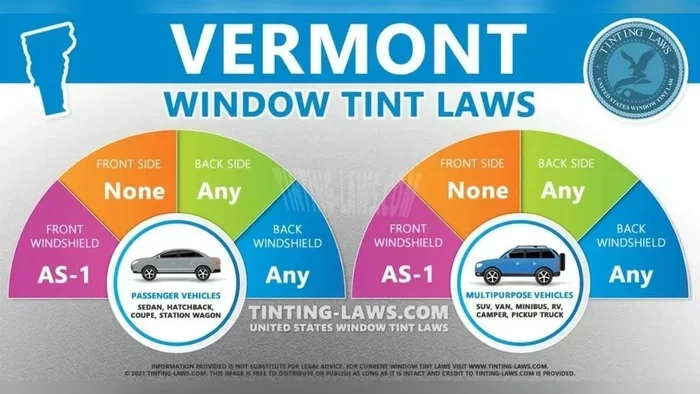
The Vermont window tint law sets clear rules for how dark your car windows can be, measured by visible light transmission (VLT) percentage. Vermont requires a minimum VLT of 80% on the windshield and front side windows, while rear windows can be tinted darker. Understanding these Vermont tint regulations helps you avoid fines, stay safe, and choose the right window film for your vehicle.
If you have ever considered tinting the windows on your car in Vermont, you need to know the rules. The Vermont window tint law sets clear limits on how dark your tint can be, which windows can be treated, and what exceptions might apply. These rules exist to balance driver privacy and comfort with safety on the road.
Tinting your windows can reduce glare, block harmful UV rays, and keep your car cooler in the summer. But applying tint that does not meet state standards can result in fines, failed inspections, and even having to remove the film. Whether you are a Vermont resident or just passing through, understanding the Vermont tint regulations will save you time, money, and headaches.
This article covers everything you need to know. We will walk through the legal tint darkness limits for each window, explain visible light transmission rules, discuss reflective tint restrictions, and detail medical exemptions. You will also find practical tips for choosing compliant window film and avoiding common mistakes that lead to tint violations.
Key Takeaways
- Windshield tint is limited: Only the top 4 inches of the windshield can have a non-reflective tint strip in Vermont.
- Front side windows need 80% VLT: Your front driver and passenger windows must let at least 80% of light through.
- Rear windows have more freedom: There is no minimum VLT limit for rear side and back windows in Vermont.
- Reflective tint is not allowed: Vermont bans metallic or mirrored tint on any window.
- Medical exemptions exist: People with certain health conditions can apply for special permission to use darker tint.
- Tint violations carry fines: Getting caught with illegal tint can result in tickets and required removal of the film.
- Choose compliant film: Always check the VLT rating of your window film before purchasing.
📑 Table of Contents
What Is the Vermont Window Tint Law?
The Vermont window tint law is a set of state regulations that governs how much tint can be applied to vehicle windows. These laws are found in Vermont Statutes Title 23, Section 1252. They define the legal tint darkness levels, tint reflection limits, and other rules for automotive tinting on all passenger vehicles registered in the state.
The law measures tint darkness using something called visible light transmission, or VLT. VLT is the percentage of light that passes through your window film and glass. A higher VLT means more light gets through, which means a lighter tint. A lower VLT means less light passes through, resulting in a darker tint.
Why Tint Laws Exist
Every state has window tint laws for a reason. In Vermont, the main concern is driver safety. Tinted windows that are too dark can reduce a driver’s ability to see the road, especially at night or in poor weather. They can also make it harder for police officers to see inside a vehicle during traffic stops, which poses a safety risk for everyone.
Another reason for Vermont tint regulations is visibility for other drivers. Dark tint on side windows can make it harder for drivers to see pedestrians, cyclists, and other vehicles. The state wants to make sure that all drivers can maintain clear sightlines at all times.
These laws also help with enforcement. Police officers need to be able to assess what is happening inside a vehicle quickly. If tint is too dark, it can hide illegal activity and put officers at risk. That is why Vermont keeps the front side window tint limits relatively light.
Who Enforces Vermont Tint Regulations
The Vermont DMV and state police are the primary enforcers of tint laws. During routine traffic stops, officers may use a tint meter to measure the VLT of your windows. If your tint does not meet the legal requirements, you can receive a citation.
Vehicle inspections in Vermont also check for state law compliance when it comes to window tint. If your tint is too dark or violates other rules, your vehicle may fail the inspection until the issue is fixed. This means you could be stuck driving without valid registration until you remove or replace the tint.
Vermont Tint Darkness Rules by Window
The Vermont window tint law sets different darkness limits for different windows on your vehicle. Here is a breakdown of what is legal for each window on a standard passenger car.
Windshield Tint Rules
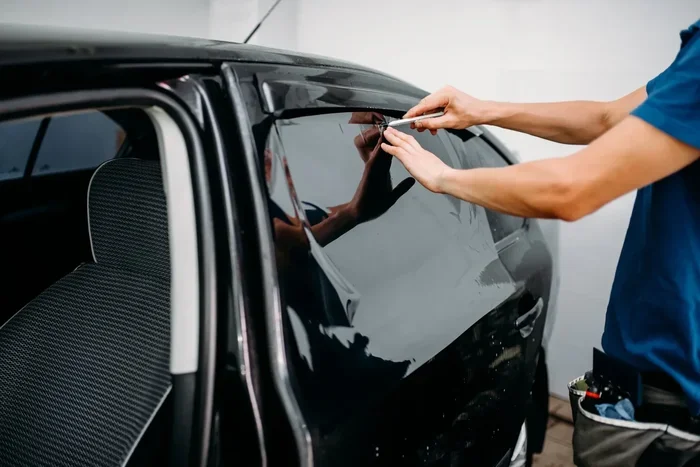
In Vermont, you cannot tint the windshield itself. However, you are allowed to apply a non-reflective tint strip along the top of the windshield. This strip cannot extend more than 4 inches down from the top edge of the glass. This rule gives drivers some sun protection at the top of the windshield without blocking their view of the road.
The windshield tint strip must be non-reflective. This means it cannot have a mirrored or metallic finish. The purpose is to reduce glare from the sun while keeping your view clear.
Front Side Window Limits
The front driver and passenger side windows must allow at least 80% of visible light to pass through. This means your window tint percentage on these windows must be 80% VLT or higher. In practical terms, this allows for a very light tint or a clear protective film, but not a noticeably darkened window.
This rule is one of the strictest in the country. Many states allow darker front side window tint, but Vermont keeps it light to ensure maximum driver visibility. If you want to tint your front windows, you will need to choose a very light film.
Rear Side and Back Window Rules
Here is where Vermont gives you more flexibility. There is no minimum VLT requirement for rear side windows or the back window. This means you can tint these windows as dark as you want. Whether you prefer a medium tint or a very dark shade, the rear windows of your vehicle can be customized to your preference.
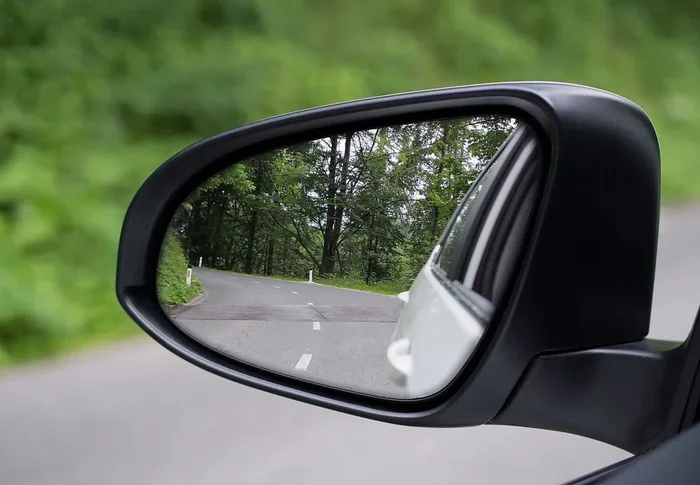
However, there is one important note. If your rear window is tinted, Vermont law requires that your vehicle have functioning rearview mirrors on both sides. This ensures that you can still see behind you clearly, even with a dark back window.
Comparison Table: Vermont Window Tint VLT Limits
| Window | Minimum VLT | Tint Allowed? |
|---|---|---|
| Windshield (top strip) | N/A (non-reflective only) | Yes, top 4 inches only |
| Front Driver Side | 80% | Yes, light tint only |
| Front Passenger Side | 80% | Yes, light tint only |
| Rear Driver Side | No minimum | Yes, any darkness |
| Rear Passenger Side | No minimum | Yes, any darkness |
| Back Window | No minimum | Yes, any darkness |
This table makes it easy to see at a glance what is legal and what is not. The key takeaway is that Vermont is strict on the front windows but relaxed on the rear windows when it comes to tint darkness.
Tint Reflection and Other Vermont Regulations
The Vermont window tint law covers more than just how dark your tint can be. It also addresses reflection, color, and the type of film you can use. These additional rules are important to understand before you have your windows tinted.
Reflective Tint Restrictions
Vermont does not allow reflective or mirrored tint on any vehicle window. Reflective tint gives windows a mirror-like appearance from the outside. While it can reduce glare and heat, it also creates a mirror effect that can blind other drivers, especially at night.
The law specifically bans metallic or mirrored finishes on all windows. This includes any window film that has a reflective layer designed to bounce light away. If you want to reduce heat and glare, you should choose a non-reflective, dyed or ceramic film instead.
Tint Color and Film Type Rules
Vermont does not restrict the color of your tint. You can choose tint in various shades, including charcoal, gray, bronze, or gold. As long as the film meets the VLT requirements and is not reflective, the color is up to you.
When it comes to car window tinting film types, Vermont allows several options. Dyed film is the most common and affordable choice. Ceramic film offers superior heat rejection without adding color or reflectivity. Carbon film provides a matte finish and good UV protection. Metalized film is popular for durability but may have some reflectivity, so you need to make sure it stays within the non-reflective limit.
Medical Exemptions and Special Permits
Not everyone can tint their windows to the standard Vermont limits. Some people have medical conditions that make them extremely sensitive to sunlight. For these individuals, Vermont offers a medical exemption that allows darker tint than the standard rules permit.
Who Qualifies for a Medical Exemption
People with certain skin conditions or photosensitivity disorders may qualify for a tint exemption. Conditions such as lupus, eczema, porphyria, or severe sun allergies can make normal sunlight exposure dangerous. If you have a documented medical condition that requires protection from UV light, you may be eligible.
To qualify, you will need a written statement from a licensed physician. This statement must explain your condition, why you need darker tint, and which windows need to be tinted. The Vermont DMV reviews these applications on a case-by-case basis.
How to Apply for an Exemption
Applying for a medical exemption involves filling out a form from the Vermont DMV. You will need to submit the form along with your physician’s written statement. The DMV will review your application and, if approved, issue an exemption certificate.
Keep this certificate in your vehicle at all times. If you are pulled over, you will need to show the exemption to prove that your tint is legal. Without this documentation, even medically necessary tint could result in a tint ticket.
The exemption may specify exactly which windows can be tinted and to what darkness level. It is important to follow these specifications precisely. Applying tint darker than what is approved on your exemption certificate is still a violation.
Common Mistakes and How to Avoid Tint Tickets
Even with good intentions, many vehicle owners run into trouble with Vermont tint regulations. Understanding the most common mistakes can help you avoid fines and the hassle of having to remove your tint.
Typical Violations
The most common violation is tinting the front side windows too dark. Many people assume that because rear windows can be any darkness, the front windows can be too. This is not the case in Vermont. The 80% VLT limit on front side windows is strictly enforced.
Another frequent mistake is applying tint to the windshield outside of the top 4-inch strip. Some tint shops will apply a full windshield shade band, which is illegal in Vermont. Always make sure your installer knows the exact rules.
Using reflective tint is also a common problem. Some darker films have a slight metallic sheen that can be mistaken for non-reflective. Before you have your windows tinted, ask the installer to confirm that the film meets Vermont’s non-reflective requirement.
Failing to maintain proper rearview mirrors is another overlooked issue. If you tint your back window dark, you must have side mirrors that provide adequate rear visibility. Missing or obstructed mirrors can lead to a citation even if your tint darkness is legal.
What Happens If You Get Pulled Over
If a Vermont police officer determines that your window tint is illegal, you can receive a citation. The fine for a tint violation in Vermont can range from around $100 to $300, depending on the circumstances and whether it is a first offense.
In many cases, you will be given a deadline to fix the issue. This usually means removing the illegal tint and replacing it with compliant film. If you do not fix the problem within the given timeframe, you may face additional fines or have your vehicle registration affected.
It is also worth noting that some insurance companies may view tint violations as a sign of vehicle modification. While a single ticket is unlikely to raise your premiums significantly, repeated violations could be seen as a risk factor.
Quick Tips for Choosing Compliant Window Tint
Choosing the right window film for your vehicle in Vermont does not have to be complicated. Here are some practical tips to help you stay compliant and get the best results.
- Check the VLT rating before you buy. Every quality window film product comes with a stated VLT percentage. Make sure it meets or exceeds the legal limit for each window you plan to tint.
- Ask your installer about Vermont-specific rules. A reputable tint shop will know the state regulations and can guide you toward compliant products.
- Choose a light tint for front windows. If you want the look of tinted windows but need to stay legal, a light tint on the front windows paired with a darker tint on the rear is a great option.
- Consider ceramic film for heat rejection. Ceramic window film offers excellent UV and heat protection without added reflectivity, making it a great choice for Vermont’s sunny summers.
- Keep your exemption documents in the car. If you have a medical exemption, always carry the certificate with your registration and insurance.
- Get a tint meter reading after installation. Ask your installer to check the VLT of each window after the film is applied. This gives you proof of compliance if you ever need it.
- Stay away from aftermarket tint shops with unclear policies. Some shops may apply tint without checking whether it meets legal standards. Always work with a shop that understands Vermont automotive tinting laws.
Following these tips will help you enjoy the benefits of tinted windows without running into legal trouble. A little research and the right film choice go a long way toward staying compliant with the Vermont window tint law.
Conclusion
Understanding the Vermont window tint law is essential for any vehicle owner who wants to tint their windows legally and safely. The state’s rules are designed to protect driver visibility, ensure officer safety, and maintain consistent standards across all vehicles on the road.
To summarize, Vermont requires at least 80% VLT on the windshield (top 4 inches only) and front side windows, while rear windows can be tinted to any darkness. Reflective tint is banned, medical exemptions are available for qualifying conditions, and violations can result in fines and required removal of the film.
By choosing a compliant window film, working with a knowledgeable installer, and keeping your documentation in order, you can enjoy the benefits of tinted windows without worry. Whether you are looking for UV protection, heat reduction, or a sleeker look for your vehicle, staying within the legal tint limits is the best approach.
Take the time to understand the rules, pick the right film, and drive with confidence knowing that your Vermont tint is fully compliant with state law.
Frequently Asked Questions
What is the legal tint darkness for front windows in Vermont?
The front driver and passenger side windows must have a minimum visible light transmission (VLT) of 80%. This means the tint must allow at least 80% of light to pass through the glass. Only a very light tint is permitted on these windows.
Can I tint my windshield in Vermont?
You can apply a non-reflective tint strip to the top 4 inches of the windshield. However, the rest of the windshield must remain untinted. The strip must not be reflective or mirrored in any way.
Is reflective tint legal in Vermont?
No. Vermont law prohibits reflective or mirrored tint on all vehicle windows. Any window film with a metallic or mirror-like finish is considered illegal and can result in a citation.
How do I get a medical exemption for window tint in Vermont?
You need a written statement from a licensed physician explaining your condition and why darker tint is necessary. Submit this statement along with a Vermont DMV exemption application form. If approved, you will receive a certificate that must be kept in your vehicle at all times.
What happens if I get a tint ticket in Vermont?
If you are pulled over for illegal tint, you will receive a citation that typically carries a fine of $100 to $300. You will usually be required to remove the illegal tint and replace it with compliant film within a specified timeframe.
Are there different tint rules for SUVs and vans in Vermont?
The Vermont window tint law applies to all passenger vehicles, including SUVs and vans, in the same way. The 80% VLT requirement for front side windows and the non-reflective windshield strip rule apply to all vehicle types registered in the state.