What Causes a Trunk to Stop Working and How to Fix It
Your trunk stop working for several reasons, from a broken latch to electrical failures. Trunk problems are common and usually easy to fix with the right knowledge. This guide walks you through every cause, diagnosis step, and repair option so you can get back to using your cargo space.
There is nothing more frustrating than arriving home with groceries and realizing your trunk stop working. You stand there, hands full, wondering what went wrong. The good news is that trunk problems are common and usually have simple solutions. Whether your trunk is stuck closed, won’t latch, or refuses to open with the remote, this guide covers it all. By the end, you will know exactly why your trunk stopped working and how to fix it yourself or when to call for help.
A working trunk is essential for daily life. You use it for luggage, shopping bags, sports gear, and more. When the trunk stop working, it disrupts your routine. But understanding the root cause makes all the difference. Let us dive into the most common reasons behind trunk failures and how you can solve them.
Key Takeaways
- Electrical failures are the top reason a trunk stop working, often linked to a bad actuator or blown fuse.
- Worn-out trunk struts make it hard to open or keep the lid open safely.
- A broken trunk latch can leave your trunk stuck closed even when the release works.
- Simple DIY fixes like lubrication and cable adjustment save money and time.
- Regular maintenance prevents most trunk problems before they start.
- Knowing when to call a pro saves you from costly mistakes and further damage.
📑 Table of Contents
Common Reasons Your Trunk Stop Working
Your trunk relies on several parts working together. When one part fails, the whole system goes down. Here are the most common culprits behind a trunk that stop working.
Broken Trunk Latch
The trunk latch is the mechanism that holds the lid shut. Over time, it wears out or gets damaged. A broken latch means the trunk cannot close properly or will not open when you press the release button. Rust and dirt build-up also cause latch problems. If you hear a clicking sound but the trunk does not open, the latch is likely the issue.
Worn Trunk Struts or Hydraulic Arms
Trunk struts help you lift the lid and keep it open. When these wear out, the trunk feels heavy or falls shut unexpectedly. Some cars use gas struts while others use hydraulic arms. Both types degrade over time. A weak strut puts extra stress on the latch and other components. Replacing struts is one of the easiest and most affordable trunk repairs.
Faulty Trunk Release Cable
The trunk release cable connects the interior handle or button to the latch mechanism. If this cable stretches, frays, or snaps, your trunk will not respond to the release. This is especially common in older vehicles. You might notice the handle feels loose or does not return to its original position. A damaged cable needs replacement to restore trunk function.
Trunk Lock Mechanism Failure
Many trunks have a lock that requires a key. The lock cylinder can freeze up in cold weather or wear out over years of use. If the key turns but does not unlock the trunk, the lock mechanism is likely the problem. Dirt and lack of lubrication are the usual suspects here.
Trunk Fuse Blowout
Modern cars use electrical systems to operate trunks. A blown fuse can cut power to the trunk release entirely. Check your owner manual to locate the trunk fuse. Replacing a fuse is quick and cheap. If the new fuse blows again, there may be a deeper electrical issue you need to address.
Electrical Problems That Lock Your Trunk
Electrical issues are among the most common reasons a trunk stop working in newer vehicles. These problems can feel confusing because there are no visible signs of damage.
Trunk Actuator Failure
The trunk actuator is a small motor that powers the latch release. When it goes bad, you will hear nothing when you press the trunk button. Actuators fail due to age, moisture, or electrical surges. A dead actuator is one of the most frequent causes of a trunk that will not open electrically. The good news is replacing an actuator is a straightforward fix for most mechanics.
Wiring Harness Damage
Your car has a wiring harness that sends signals between the trunk button and the latch. Over time, wires can corrode, fray, or get pinched. This is especially common near the trunk hinge area where wires move every time you open the lid. Damaged wiring interrupts the signal and prevents the trunk from opening. A mechanic can trace the wiring and repair or replace the affected section.
Bad Trunk Relay Switch
The relay switch acts as a bridge between the trunk button and the actuator. If the relay fails, the signal never reaches the latch. You might notice other electrical trunk features stop working too. Testing a relay requires a multimeter, but replacement is inexpensive. Many auto parts stores carry relays that match common car models.
Trunk Control Module Issues
Some vehicles have a dedicated control module for the trunk system. This small computer processes signals from your remote or interior button. If the module malfunctions, the entire trunk system goes offline. These modules can fail due to water damage, electrical shorts, or simple age. Reprogramming or replacing the module usually solves the problem.
Mechanical Failures in the Trunk System
Not every trunk problem is electrical. Mechanical failures happen too, especially in older cars or vehicles with high mileage.
Trunk Hinge Problems
Trunk hinges hold the lid in place and allow it to swing open. Rust, corrosion, or lack of lubrication can make hinges stiff or stuck. A trunk with bad hinges may not open fully or could sag to one side. Inspect your hinges regularly and apply a penetrating lubricant to keep them moving smoothly.
Trunk Seal Damage
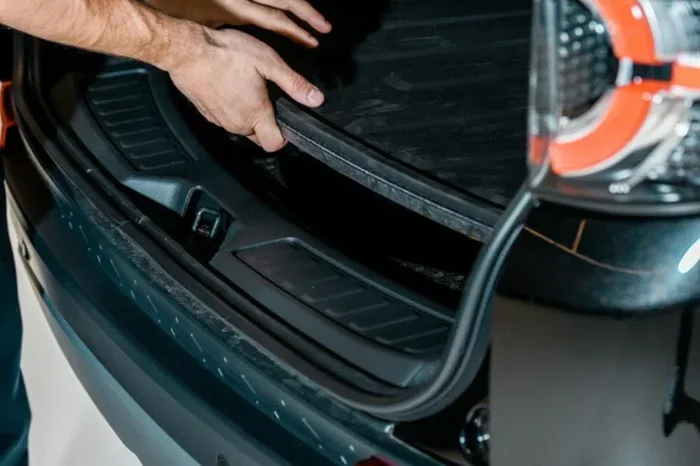
The trunk seal is the rubber gasket around the trunk lid. It keeps water and dust out of your cargo area. When the seal cracks or warps, water can leak into the trunk. Moisture damage can then affect the trunk latch, wiring, and even the trunk floor. Replacing a trunk seal is affordable and prevents a cascade of other problems.
Trunk Spring or Counterbalance Failure
Some trunks use springs or counterbalance systems to assist with opening and closing. These components absorb the weight of the trunk lid. When a spring breaks or loses tension, the trunk becomes very heavy and hard to lift. You might also notice the trunk slams shut forcefully. Replacing the spring or counterbalance restores smooth operation.
Trunk Alignment Issues
A trunk that is not properly aligned will not latch or open correctly. Alignment can shift after an accident, a major bump, or normal wear and tear. Signs of misalignment include gaps between the trunk lid and the body, or a trunk that does not sit flush. Adjusting the trunk hinges usually fixes alignment problems.
How to Diagnose a Trunk That Won’t Open
Before you start replacing parts, you need to diagnose the actual problem. Follow these steps to figure out why your trunk stop working.
Step 1: Try the key override. Many cars have a physical key slot on the trunk. If the electronic release fails, the key slot can bypass the electrical system. This tells you whether the problem is mechanical or electrical.
Step 2: Check the fuse box. Locate your trunk fuse using the owner manual. Pull the fuse and inspect it for a broken filament. A blown fuse is the easiest trunk problem to fix.
Step 3: Listen for sounds. Press the trunk release button and listen carefully. A clicking sound usually points to the actuator or latch. Silence points to an electrical issue like a bad fuse, relay, or wiring problem.
Step 4: Inspect the trunk latch. Open the trunk from inside the car if possible. Look at the latch mechanism for visible damage, rust, or debris. Clean the latch with a wire brush and apply penetrating oil.
Step 5: Test the trunk struts. Push the trunk lid gently and watch the struts. If they do not hold the lid up or feel weak, they need replacement. Struts are easy to spot because they are visible on most car models.
Step 6: Check the wiring. If you are comfortable working with electrical components, inspect the wiring near the trunk hinge. Look for frayed wires, loose connectors, or corrosion. A multimeter can help you test for continuity in the wiring harness.
Quick Diagnostic Checklist
- Key override works? If yes, the problem is likely electrical.
- Fuse is intact? If no, replace the fuse first.
- Sound when pressing release? Clicking means the actuator or latch is the issue.
- Trunk feels heavy? Worn struts or springs are likely the cause.
- Visible rust or debris? Clean and lubricate before assuming the worst.
- Trunk works from inside the car? If yes, the remote or exterior button is the problem.
Step-by-Step Fixes for Trunk Issues
Once you know what is wrong, you can start fixing it. Here are practical solutions for the most common trunk problems.
Fix 1: Replace a Blown Trunk Fuse
Start by finding the correct fuse. Use the owner manual to locate the trunk fuse in the fuse box. Pull the old fuse out with a fuse puller or a pair of tweezers. Compare the old fuse to the new one. They must have the same amperage rating. Push the new fuse in firmly. Test the trunk by pressing the release button. This fix costs just a few dollars and takes less than five minutes.
Fix 2: Lubricate the Trunk Latch and Hinges
Dirt and rust cause many trunk problems. Start by cleaning the latch with a wire brush. Spray a penetrating lubricant like WD-40 into the latch mechanism. Work the latch back and forth several times to spread the lubricant. Do the same for the hinges and any moving parts. Wipe away excess lubricant with a clean cloth. This simple step fixes many sticky trunk issues.
Fix 3: Replace Worn Trunk Struts
Trunk struts are under constant pressure and wear out over time. You will need a replacement pair that matches your car model. Support the trunk lid with a prop or have a helper hold it open. Remove the old struts by unbolting them from the trunk lid and the car body. Install the new struts in reverse order. Make sure to tighten the bolts securely. New struts make the trunk feel like new again.
Fix 4: Replace a Faulty Trunk Actuator
If your trunk makes no sound when you press the release, the actuator may be dead. Open the trunk interior panel to access the actuator. Disconnect the electrical connector and remove the mounting bolts. Install the new actuator and reconnect the wiring. Test the trunk before reassembling the interior panel. Actuator replacements usually cost between $50 and $150 for the part alone.
Fix 5: Adjust the Trunk Cable
A loose or stretched trunk cable can prevent the trunk from opening. Locate the cable under the trunk lid or inside the trunk interior. Use a wrench to adjust the cable tension. The trunk should respond smoothly when you pull the handle or press the button. If the cable is frayed or damaged, replace it entirely. New cables are inexpensive and easy to install.
Fix 6: Replace the Trunk Seal
A damaged trunk seal lets water into your cargo area. Remove the old seal by pulling it out of the groove around the trunk lid. Clean the groove thoroughly before installing the new seal. Press the new seal into the groove evenly around the entire lid. A new trunk seal costs under $30 and takes about 30 minutes to install.
When to Call a Professional Mechanic
Many trunk repairs are DIY-friendly, but some situations call for a professional. Knowing when to seek help saves you time and prevents further damage.
Call a mechanic if the trunk control module needs replacement. These modules require specialized diagnostic tools and programming knowledge. If you notice water inside the trunk with no visible seal damage, there may be a hidden leak that needs professional inspection. Electrical problems involving the wiring harness can be tricky and dangerous for beginners. Also seek help if the trunk issue is accompanied by other electrical problems in your car, such as dashboard warning lights or power window failures.
A professional mechanic can run a full diagnostic on your trunk system. They have access to factory repair manuals and specialized tools. This is especially valuable for newer vehicles with complex trunk electronics. Do not hesitate to call a pro if you feel unsure about any repair step.
Cost Estimates for Common Trunk Repairs
Understanding repair costs helps you decide between DIY fixes and professional service. Fuse replacements cost under $5. Trunk struts run $40 to $120 per pair. Actuators cost $50 to $150 for the part. Trunk seal replacement is usually under $30. Cable replacements are around $20 to $40. Professional labor for trunk repairs typically ranges from $100 to $300 depending on the complexity. Getting a quote before any major repair is always a smart move.
Preventing Future Trunk Problems
The best way to deal with a trunk that stop working is to prevent problems before they start. Simple maintenance habits go a long way.
Lubricate your trunk latch and hinges every six months. Use a silicone-based lubricant for best results. Inspect the trunk seal regularly for cracks or gaps. Clean the seal with mild soap and water to prevent dirt build-up. Check the trunk struts during your regular car maintenance schedule. Replace struts before they completely fail to avoid stressing other components. Keep the trunk area clean and dry. Moisture is the enemy of trunk mechanisms. Finally, avoid slamming the trunk lid. Gentle closing reduces stress on the latch, struts, and seals.
Address small trunk issues early. A slight delay in the trunk release or a faint clicking sound should not be ignored. Catching problems early prevents costly repairs down the road. Your trunk is a hardworking part of your car. Treat it well and it will serve you for years.
Conclusion
A trunk that stop working can ruin your day, but the fix is often simpler than you think. From blown fuses to worn struts, most trunk problems have clear causes and straightforward solutions. Electrical failures, mechanical wear, and alignment issues are the big three culprits. Use the diagnostic steps in this guide to pinpoint the problem quickly. Try the DIY fixes before calling a mechanic, and you will likely save money and time. Remember to maintain your trunk system regularly to prevent future issues. Your trunk is an essential part of your vehicle, and keeping it in great shape makes every drive easier and more convenient.
Now you know exactly what to do when your trunk stop working. Grab your tools, follow the steps, and get back to using your trunk with confidence. Happy fixing!
Frequently Asked Questions
Why does my trunk stop working all of a sudden?
A sudden trunk failure is often caused by a blown fuse, a dead actuator, or a broken release cable. Check the fuse box first because it is the quickest and easiest fix. If the fuse is fine, the problem is likely electrical or mechanical.
How much does it cost to fix a trunk that won’t open?
Costs range from under $5 for a fuse replacement to $150 or more for an actuator. Labor costs for professional repairs typically run between $100 and $300. DIY fixes are almost always cheaper.
Can I still drive my car if the trunk won’t open?
Yes, you can still drive safely. The trunk not opening does not affect your ability to operate the vehicle. However, you may need to access items stored in the trunk, so it is best to fix the issue promptly.
What should I do if my trunk is stuck closed?
Try the key override first. Locate the physical key slot on the trunk lid and use your key to unlock it. If that does not work, check the fuse and then the trunk actuator. A stuck trunk is usually caused by a latch problem or electrical failure.
How often should I maintain my trunk system?
You should lubricate the trunk latch and hinges every six months. Inspect the trunk seal at least once a year. Check the struts during regular car service visits. Routine maintenance prevents most trunk problems before they start.
Is it safe to replace a trunk actuator myself?
Yes, replacing a trunk actuator is a safe DIY project for most car owners. You just need basic tools and your vehicle’s owner manual. Make sure to disconnect the car battery before starting any electrical work to stay safe.