Can You Disable the Airbag Warning Light Permanently
The airbag warning light is a critical safety indicator that should never be ignored. Many car owners want to know if they can disable the airbag warning light permanently, and the short answer is it depends on the root cause. This guide covers why the light turns on, safe ways to address it, and why permanently disabling it without fixing the underlying problem is risky.
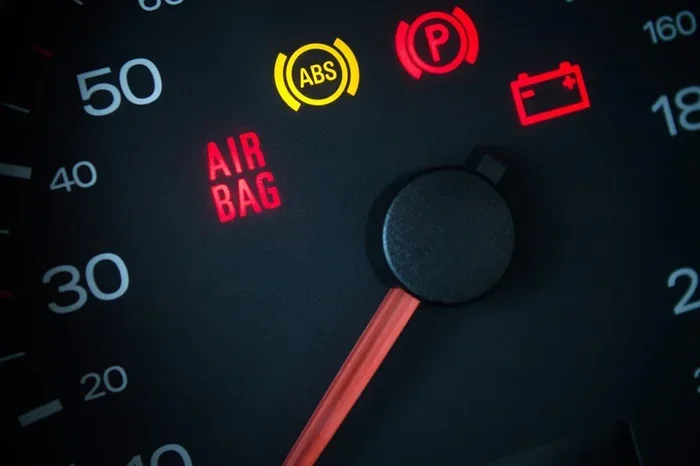
You are driving down the road when you glance at your dashboard and notice a strange light glowing. It looks like a person sitting in a seat with a circle in front of them. That is your airbag warning light, and it is trying to tell you something important. Many drivers wonder if they can simply turn it off and forget about it. But the truth is, that little symbol on your dash is connected to one of the most critical safety systems in your vehicle.
The airbag system, also known as the Supplemental Restraint System or SRS, is designed to protect you during a crash. When the airbag warning light comes on, it means something in that system is not working correctly. Some people search online for ways to disable the airbag warning light permanently. But before you do anything, you need to understand what that light really means and why it is there.
Key Takeaways
- The airbag warning light signals a problem in your SRS system and should never be ignored or permanently disabled without diagnosis.
- Common causes include faulty sensors, loose connections, and worn seat belt retractors that trigger the airbag module.
- An OBD2 scanner can read airbag codes and help pinpoint the exact issue behind the warning light.
- Permanently removing the bulb or fuse is dangerous and may leave you unprotected in a crash.
- Professional diagnosis is the safest route to resolving airbag system faults and turning off the light for good.
- Some DIY fixes like resetting the seat belt latch can resolve minor issues without visiting a mechanic.
- The airbag warning light is not just a dashboard annoyance — it directly affects occupant safety during collisions.
📑 Table of Contents
- What Does the Airbag Warning Light Mean?
- Can You Disable the Airbag Warning Light Permanently?
- Why You Should Never Ignore the Airbag Warning Light
- How to Properly Fix the Airbag Warning Light
- Quick Tips for Preventing Airbag Warning Light Issues
- Expert Insights on Airbag System Safety
- Common Mistakes People Make with the Airbag Warning Light
- When to Seek Professional Help
- Key Takeaways
- Conclusion
What Does the Airbag Warning Light Mean?
The airbag warning light is part of your car’s dashboard warning lights. When you start your engine, all dashboard lights usually turn on briefly. This is called a bulb check. The airbag light should turn off after a few seconds. If it stays on or flashes, your vehicle has detected a fault in the airbag system.
The airbag system includes several components that work together to keep you safe. These include the airbag control unit, crash sensors, seat belt pretensioners, and the airbag modules themselves. When any part of this system fails, the warning light activates to alert you. It is essentially your car saying, “Hey, I may not be able to protect you properly in a crash.”
Ignoring this light is never a good idea. The airbag system is one of the most important safety features in modern vehicles. Without it functioning correctly, you lose a layer of protection that could save your life or prevent serious injury. That is why understanding what causes the light to come on is so important.
Common Reasons the Airbag Warning Light Comes On
There are many reasons why your airbag warning light might illuminate. Some are simple fixes, while others require professional attention. Here are the most common causes:
- Faulty seat belt sensors: The seat belt switch or sensor may malfunction, sending a false signal to the airbag control unit.
- Loose or corroded connectors: Wiring under the seats or behind the dashboard can become loose or corroded over time.
- Worn clockspring: The clockspring connects the steering wheel airbag to the car’s electrical system. When it wears out, the light comes on.
- Previous accident or crash: Even a minor collision can damage crash sensors and trigger the airbag light permanently.
- Faulty crash sensor: The impact sensors that detect a collision may fail or give incorrect readings.
- Low battery voltage: A weak car battery can sometimes cause the airbag system to throw a fault code.
- Passenger weight sensor issues: Modern cars have sensors in the passenger seat that detect weight and decide whether to deploy the airbag.
- Water damage or corrosion: Moisture under the seats can corrode connectors and damage the airbag module.
Each of these issues affects the airbag system in a different way. The good news is that most of them can be fixed. The key is to identify the exact problem using the right diagnostic tools.
Can You Disable the Airbag Warning Light Permanently?
This is the question many drivers ask, and the answer is more nuanced than you might think. Technically, yes, there are ways to turn off the airbag warning light. But the real question you should be asking is, “Should you?” The answer to that is almost always no.
Disabling the airbag warning light without fixing the root cause is like removing the battery from your smoke detector during a fire. The alarm stops, but the danger is still there. Your airbag system may not deploy correctly in a crash if the underlying problem has not been resolved.
Some people try to permanently disable the light by pulling a fuse or removing a bulb. While this might stop the glow on your dashboard, it does not fix the actual problem. In fact, it can make things worse. You might not realize your airbag system is compromised until you need it most.
Methods People Use to Turn Off the Light
You will find several methods online that claim to turn off the airbag warning light. Let us look at what some of these are and why most of them are not a good idea.
Method 1: Pulling the Airbag Fuse. Some drivers pull the airbag fuse to stop the light. This does work temporarily. But it also disables the entire airbag system. You would be driving without any airbag protection, which is extremely dangerous.
Method 2: Removing the Dashboard Bulb. Another approach is to remove or replace the bulb behind the airbag warning light. This hides the light but does nothing to fix the airbag system. You would have no visual indication if something goes wrong later.
Method 3: Using an OBD2 Scanner to Clear Codes. An OBD2 scanner can read and clear airbag fault codes. Sometimes this turns the light off temporarily. But if the underlying issue is not fixed, the light will come back. In many cases, clearing the code without repair can cause the light to return within a few drives.
Method 4: Repairing or Replacing the Faulty Component. This is the correct approach. When you fix the actual problem — whether it is a faulty sensor, a loose connector, or a worn clockspring — the light turns off on its own. This is the only way to truly resolve the issue.
Comparing these methods side by side makes it clear that only one option is safe and effective.
| Method | Effectiveness | Safety | Long-Term Solution |
|---|---|---|---|
| Pull the Fuse | Temporary | Dangerous | No |
| Remove the Bulb | Temporary | Risky | No |
| Clear Codes with Scanner | Temporary | Moderate | No |
| Fix the Root Cause | Permanent | Safe | Yes |
Why You Should Never Ignore the Airbag Warning Light
The airbag warning light is not just another dashboard annoyance. It is a direct indicator of your vehicle’s crash protection system. When this light is on, your airbags may not deploy in the event of an accident. In some cases, they might deploy unexpectedly, which can cause injury even during normal driving.
Think about how often you rely on your airbags without even thinking about it. Every time you get behind the wheel, you trust that your car’s safety systems will work when you need them most. The airbag warning light is the system telling you that this trust may be broken.
There is also a legal aspect to consider. In many regions, driving with a malfunctioning airbag system can cause your vehicle to fail an inspection. It may also affect your insurance claims if you are involved in an accident and it is discovered that the airbag system was not functioning properly.
The Cost of Ignoring the Light
Some drivers ignore the airbag warning light because they are worried about repair costs. They hope the problem will go away on its own. But the cost of ignoring it can be far greater than the cost of fixing it. In a crash, non-functioning airbags can lead to severe injuries or fatalities. The repair cost is a small price compared to the potential consequences.
Additionally, some auto repair shops can diagnose airbag issues at a reasonable cost. Many offer free or low-cost diagnostic scans. Getting a proper diagnosis is always the first step toward a safe and permanent solution.
How to Properly Fix the Airbag Warning Light
If your airbag warning light is on, the best thing you can do is address the problem properly. Here is a step-by-step approach to fixing it the right way.
Step 1: Check the Seat Belts
Start with the simplest possible cause. Make sure all seat belts are fully latched. Sometimes a seat belt that is not clicked all the way in can trigger the airbag light. Try unbuckling and rebuckling each seat belt, including the rear seats if your vehicle has them.
Step 2: Inspect Under the Seats
Look under the front seats for any loose connectors or damaged wiring. If you have recently had something spill under the seats or if moisture has gotten in, this could be the cause. Disconnect the battery before inspecting any wiring to stay safe.
Step 3: Use an OBD2 Scanner
An OBD2 scanner is one of the most useful tools for diagnosing airbag issues. Plug the scanner into the diagnostic port, which is usually located under the steering column. The scanner will read the airbag fault codes stored in the airbag control unit. These codes tell you exactly which part of the system is malfunctioning.
Once you have the codes, you can look them up or take your vehicle to a mechanic. Many auto parts stores offer free code reading, which is a great first step.
Step 4: Visit a Professional Mechanic
For most airbag issues, professional diagnosis and repair are the safest option. A certified mechanic has the tools and expertise to properly diagnose and fix airbag system faults. They can also reset the system once the repair is complete, which should turn off the warning light.
Step 5: Reset the System After Repair
After the faulty component has been repaired or replaced, the airbag system needs to be reset. This is usually done with a diagnostic tool at a repair shop. Once the reset is complete, the airbag warning light should stay off. If it comes back on, there may be another issue that needs to be addressed.
Quick Tips for Preventing Airbag Warning Light Issues
Prevention is always better than cure. Here are some simple tips to keep your airbag system working properly:
- Keep your seat belts clean and functioning smoothly. A sticky or jammed seat belt can trigger the sensor.
- Avoid putting heavy or wet items under the seats. Moisture and excess weight can damage connectors and sensors.
- Address dashboard warning lights promptly. Do not wait for the light to go away on its own. Early detection prevents bigger problems.
- Have your battery tested regularly. A weak battery can cause voltage fluctuations that affect the airbag system.
- Get a diagnostic scan during regular maintenance. Catching airbag codes early can save you from costly repairs later.
- Be gentle when adjusting your seat. Rough handling can damage the wiring and connectors under the seat.
Expert Insights on Airbag System Safety
Automotive safety experts consistently emphasize that the airbag warning light is not something to take lightly. According to the National Highway Traffic Safety Administration, airbags have saved thousands of lives since they became standard in vehicles. But they only work when the entire system is functioning correctly.
Mechanics with experience in airbag systems often share a common piece of advice. They say that most airbag warning lights are caused by simple, fixable issues. A loose connector, a worn seat belt sensor, or a faulty clockspring are all common culprits. The key is to not ignore the light and to get it checked as soon as possible.
Some drivers worry that fixing the airbag system will be expensive. While some repairs can be costly, many are relatively affordable. A simple sensor replacement or connector repair might cost a fraction of what you would pay for airbag-related injuries in an accident. The investment in fixing the problem is well worth the peace of mind.
Common Mistakes People Make with the Airbag Warning Light
There are several mistakes that car owners commonly make when dealing with the airbag warning light. Being aware of these can help you avoid making them yourself.
- Assuming the light will go away on its own. In most cases, an airbag warning light will not turn off until the problem is fixed.
- Using a generic OBD2 scanner that does not read airbag codes. Not all scanners can read SRS codes. You need a scanner that supports airbag diagnostics.
- Trying to repair airbag components yourself without proper training. Airbag systems involve explosive charges and should only be handled by trained professionals.
- Driving with the light on for extended periods. Every mile you drive with a faulty airbag system is a mile without full crash protection.
- Buying a used airbag module without verifying its condition. Aftermarket or salvaged parts may not function correctly or could introduce new faults.
When to Seek Professional Help
While some minor airbag issues can be resolved with simple checks, most problems require professional attention. You should seek help from a certified mechanic if:
- The airbag warning light stays on after you have checked the seat belts and connectors.
- The light flashes repeatedly, which often indicates a more serious fault.
- You have been in a recent accident, even a minor one, and the light came on afterward.
- You notice other warning lights on your dashboard along with the airbag light.
- You hear unusual sounds from the dashboard area when you start the car.
- Your vehicle has been sitting unused for a long time and the light is on.
A professional mechanic can perform a thorough airbag system diagnostic and give you a clear picture of what needs to be fixed. They have access to manufacturer-specific diagnostic tools that can read detailed airbag system data. This level of precision is not always possible with a basic OBD2 scanner.
When you visit a mechanic, be sure to describe exactly when the light came on and any other symptoms you have noticed. This information can help them diagnose the problem faster and more accurately. It also saves you time and potentially money on diagnostic fees.
Key Takeaways
- The airbag warning light is a critical safety indicator that signals a problem in your vehicle’s Supplemental Restraint System.
- Common causes include faulty seat belt sensors, loose connectors, worn clocksprings, and crash sensor failures.
- You can technically turn off the light using various methods, but this does not fix the underlying problem.
- Permanently disabling the airbag warning light without repair is dangerous and compromises your crash protection.
- Using an OBD2 scanner to read airbag fault codes is the best first step toward a proper diagnosis.
- Professional repair is the safest and most effective way to permanently resolve the airbag warning light issue.
- Regular maintenance and prompt attention to dashboard lights can prevent most airbag system problems.
Conclusion
The airbag warning light is one of the most important indicators on your dashboard. It exists to protect you and your passengers by alerting you when your airbag system is not working properly. While you may find ways to turn off the light temporarily, the only real solution is to fix the underlying problem.
Can you disable the airbag warning light permanently? Technically, yes. But doing so without addressing the root cause puts your safety at serious risk. The airbag system is designed to save lives, and a functioning warning light ensures that the system is ready when you need it most.
The best approach is always to diagnose the problem properly and fix it the right way. Whether it is a simple seat belt sensor issue or a more complex crash sensor failure, addressing the problem promptly keeps you safe and your vehicle in good working order. Do not let the airbag warning light become something you simply learn to live with. Take action, get it checked, and drive with confidence knowing your safety systems are working as they should.
Frequently Asked Questions
Can I drive my car with the airbag warning light on?
Technically, you can drive with the light on, but it is not recommended. Your airbag system may not deploy in a crash, leaving you without critical protection. It is best to get the issue diagnosed and repaired as soon as possible.
How much does it cost to fix an airbag warning light?
The cost varies depending on the cause. A simple seat belt sensor repair might cost under $100, while a clockspring or crash sensor replacement could range from $200 to $500. Always get a professional diagnosis first to understand the exact cost.
Will the airbag warning light turn off by itself?
In rare cases, a temporary electrical glitch might cause the light to turn off on its own. However, if the light stays on for more than a few drives, there is a persistent issue that needs to be addressed. It will not go away permanently without a proper fix.
Can I use an OBD2 scanner to reset the airbag light?
You can use an OBD2 scanner to read and clear airbag fault codes, which may turn the light off temporarily. However, if the underlying problem is not fixed, the light will return. Clearing the code without repairing the issue is not a permanent solution.
Is it illegal to disable the airbag warning light?
In many regions, driving with a malfunctioning airbag system can cause your vehicle to fail safety inspections. While disabling the light itself may not be directly illegal, it can lead to legal issues if you are involved in an accident and the non-functioning airbag system is discovered.
What should I do if the airbag light comes on after an accident?
If the airbag light comes on after an accident, have the vehicle inspected by a professional as soon as possible. The crash may have damaged sensors, wiring, or the airbag module itself. Do not drive the vehicle if you notice any other airbag system warnings, such as unusual sounds or delayed dashboard responses.