How Much Weight Can I Put in My Van Without Overloading
Knowing how much weight you can put in your van keeps you safe and legal. Every van has a specific payload capacity set by the manufacturer, and exceeding it can lead to serious safety risks, fines, and vehicle damage. This guide breaks down van weight limits, how to calculate your payload, and practical loading tips you can use today.
You have a van, and you need to move things. Maybe it is furniture for a new apartment. Maybe it is tools for a job site. Maybe it is just a big grocery haul. Whatever the reason, one question always comes up: how much weight can I put in my van?
The answer is not as simple as picking a single number. Every van has a different weight limit based on its size, engine, and build. Knowing your van’s true capacity keeps you safe on the road and saves you from expensive mistakes. Overloading a van is one of the most common errors van owners make, and it can lead to serious consequences.
In this guide, we will walk you through everything you need to know about van weight limits. We will cover what payload capacity means, how to calculate your van’s limit, the risks of overloading, and practical tips for safe loading. By the end, you will feel confident about how much weight you can safely put in your van every single time.
Key Takeaways
- Every van has a unique weight limit based on its make, model, and build. Always check the door jamb sticker or owner’s manual.
- Overloading a van is dangerous and can cause brake failure, tire blowouts, and loss of vehicle control.
- Payload equals gross weight minus curb weight. This simple formula helps you stay within safe limits every time.
- Legal weight limits vary by region, and exceeding them can result in fines, points on your license, or insurance issues.
- Proper weight distribution matters just as much as total weight. Spread cargo evenly to protect your van’s suspension.
- Small changes in loading habits can significantly improve fuel efficiency and road safety.
📑 Table of Contents
Understanding Your Van’s Weight Capacity
Before you start loading anything into your van, you need to understand a few key terms. These concepts form the foundation of van weight management. Once you know them, everything else becomes much easier.
What Is GVWR?
GVWR stands for Gross Vehicle Weight Rating. This is the maximum total weight your van can handle, including the vehicle itself plus passengers, cargo, and fuel. The manufacturer sets this number based on rigorous testing. You can usually find the GVWR on a sticker inside the driver’s door frame or in your owner’s manual.
Think of GVWR as the absolute ceiling. It tells you the heaviest your van can be when fully loaded and still operate safely. Going over this number puts stress on every part of your vehicle, from the brakes to the suspension to the tires.
Curb Weight vs. Payload Weight
Two terms often cause confusion: curb weight and payload weight. Curb weight is the weight of your van when it is empty but fully fueled, with all standard fluids and the driver’s weight excluded. Payload weight is the maximum weight you can add to the van, including cargo, passengers, and any accessories you have installed.
Here is the simple relationship:
- Payload = GVWR minus Curb Weight
For example, if your van has a GVWR of 6,000 pounds and a curb weight of 4,200 pounds, your payload capacity is 1,800 pounds. That is the number you need to watch every time you load up your van.
Expert Insight
“Many van owners do not realize that aftermarket additions like roof racks, upgraded wheels, or extra seats all add to curb weight. This reduces your available payload without you even noticing. Always account for any modifications you have made when calculating your true cargo capacity.” Mark D., Fleet Management Specialist with 15 years of experience.
How Much Weight Can You Put in a Van?
The amount of weight you can safely put in your van depends on several factors. Van size, engine type, and build quality all play a role. Let us break this down by van type so you can find your specific answer.
Weight Limits by Van Type
Vans come in different sizes, and each size category has its own typical payload range. Here is a general overview:
- Small Vans (like the Ford Transit Connect): These compact vans typically offer a payload of 1,000 to 1,500 pounds. They are great for city deliveries and lighter loads.
- Medium Vans (like the Mercedes-Benz Sprinter or Ram ProMaster): These mid-size vans usually handle 1,500 to 2,500 pounds of payload. They balance cargo space with everyday drivability.
- Large Vans (like the Ford Transit or Chevrolet Express): Full-size vans can carry 2,500 to 4,500 pounds or more, depending on the configuration. These are workhorses for heavy-duty tasks.
Keep in mind that these are general ranges. Your specific van model and trim level will determine the exact number. Always double-check your vehicle’s specifications before loading up.
Payload Capacity by Popular Van Models
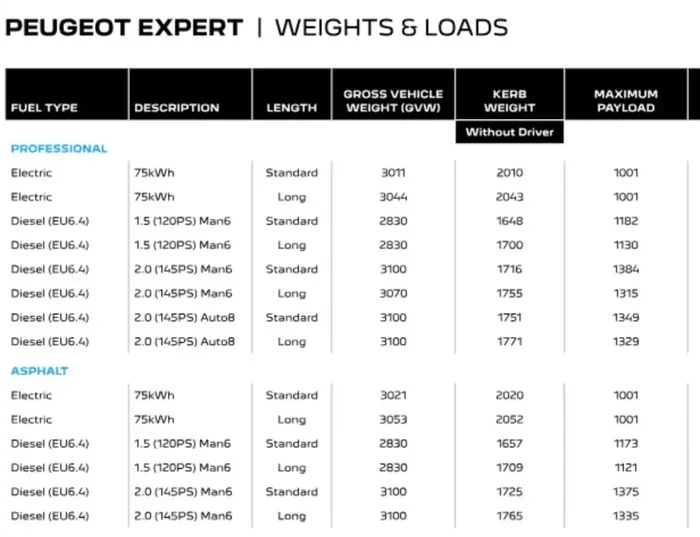
To give you a clearer picture, here is a comparison of popular van models and their typical payload capacities:
| Van Model | Cargo Van Payload | Passenger Van Payload | Best For |
|---|---|---|---|
| Ford Transit Connect | 1,000 – 1,500 lbs | 900 – 1,200 lbs | City deliveries, small moves |
| Ram ProMaster 1500 | 1,800 – 2,300 lbs | 1,500 – 1,900 lbs | Small businesses, contractors |
| Mercedes-Benz Sprinter 2500 | 2,300 – 3,500 lbs | 2,000 – 3,000 lbs | Medium-duty hauling, conversions |
| Ford Transit 250 HD | 3,100 – 4,600 lbs | 2,800 – 4,000 lbs | Heavy-duty work, fleet use |
| Chevrolet Express 3500 | 2,800 – 4,500 lbs | 2,500 – 4,200 lbs | Large equipment transport |
These numbers are approximate and can vary based on engine choice, wheelbase, and additional options. Always refer to your specific vehicle’s door jamb label for the most accurate information.
Quick Tips
- Check the door jamb sticker on the driver’s side for your van’s exact payload rating.
- Subtract the weight of any aftermarket parts you have added to get your true available capacity.
- Remember passengers count too. Each person weighs roughly 150 pounds on average, and that weight comes out of your payload budget.
- Fuel weighs about 6 to 7 pounds per gallon. A full tank of diesel can add 100 pounds or more to your van’s weight.
The Risks of Overloading Your Van
Overloading a van might seem like a minor issue, but the consequences can be severe. Understanding these risks should motivate you to stay within your limits every single trip.
Safety Dangers of Overloading
When you exceed your van’s weight capacity, you put yourself and others at risk. Here are the primary safety concerns:
- Brake Performance Drops: Heavier loads require more stopping distance. Overloaded vans take longer to stop, especially in wet or emergency conditions.
- Tire Blowouts: Extra weight puts excessive pressure on tires. This increases the chance of blowouts, particularly at highway speeds.
- Suspension Damage: Your van’s suspension system is designed for a specific weight. Overloading causes premature wear and can lead to costly repairs.
- Reduced Stability: An overloaded van is more prone to rolling, especially during sharp turns or sudden maneuvers.
- Engine and Transmission Strain: Constantly hauling beyond capacity wears out your engine and transmission faster, leading to expensive repairs down the road.
These are not theoretical risks. They happen regularly to van owners who push their vehicles beyond safe limits. The van suspension system, brakes, and tires all have limits, and exceeding them is simply dangerous.
Legal Consequences and Fines
Overloading your van is not just unsafe. It is also illegal in most jurisdictions. Here is what can happen if you get caught:
- Fines: Penalties for exceeding weight limits can range from $100 to over $1,000, depending on your location and how much you are over the limit.
- License Points: Many states and countries add points to your license for overloading, which can lead to increased insurance premiums or even license suspension.
- Insurance Issues: If you are involved in an accident while overloaded, your van insurance provider may deny your claim. This could leave you financially responsible for all damages.
- Vehicle Impoundment: In severe cases, authorities can impound an overloaded vehicle until the load is reduced to legal limits.
Staying within legal weight limits protects your wallet as much as it protects your safety. It is simply not worth the risk.
Common Mistakes
One of the biggest mistakes van owners make is ignoring the door jamb label. Many people assume all vans of the same model have the same weight limit. In reality, different trim levels, engine options, and wheel configurations result in different payload capacities. Another common error is forgetting to account for the weight of aftermarket accessories like roof racks, ladder racks, or upgraded audio systems. These add up quickly and eat into your available payload.
How to Calculate Your Van’s Payload
Calculating your van’s payload is straightforward once you know the formula. You do not need to be a math expert. Let us walk through it step by step.
The Simple Payload Formula
Here is the formula you need to remember:
Payload Capacity = GVWR minus Curb Weight
That is it. Find your van’s GVWR and curb weight, subtract one from the other, and you have your maximum cargo and passenger weight. Let us look at a quick example:
- GVWR: 7,000 lbs
- Curb Weight: 5,100 lbs
- Payload Capacity: 1,900 lbs
This means you can safely load 1,900 pounds of cargo and passengers combined. If you have two passengers weighing 200 pounds total, you have 1,700 pounds left for cargo.
Using a Payload Calculator
If math is not your strong suit, do not worry. Many websites and apps offer free payload calculators. You simply enter your van’s make, model, and year, and the tool gives you the exact payload figure. Some calculators also let you input your specific options and accessories for a more precise result.
Here are a few reliable options to try:
- Manufacturer websites: Most van makers offer payload lookup tools on their official sites.
- Third-party apps: Apps like “Van Payload Calculator” or “TruckLoad” help you track weight on the go.
- Local dealer support: Your van dealer can look up your specific vehicle’s payload rating using the VIN number.
Key Takeaways
- Always use the formula to verify your payload before every major haul.
- Weigh your cargo if you are unsure. A simple bathroom scale works for smaller items, and industrial scales are available at most truck stops.
- Re-check after adding accessories. Any new equipment that adds weight reduces your available payload.
Tips for Safe and Smart Loading
Now that you know your van’s weight limit, let us talk about how to load it properly. Safe loading is just as important as knowing the number.
Best Practices for Loading Your Van
Follow these practical tips every time you load your van:
- Load the heaviest items first and place them low and toward the center of the van. This keeps the center of gravity low and improves stability.
- Distribute weight evenly across both sides of the van. Uneven loading can cause the van to pull to one side and stress the suspension.
- Secure everything tightly. Shifting cargo during driving is a major safety hazard. Use straps, bungee cords, or cargo bars to keep items in place.
- Do not stack cargo above the window line. Tall loads can block your rearview mirror and create wind resistance that hurts fuel efficiency.
- Check your load before every trip. Items can shift during transit, so take a moment to re-secure anything that has moved.
Weight Distribution Tips
Weight distribution plays a huge role in how your van handles on the road. Here are some expert tips:
- Aim for 60% of the weight over the front axle and 40% over the rear axle for the best balance.
- Use a weight distribution hitch if you are towing a trailer with your van. This helps spread the trailer weight more evenly.
- Check your van axle weight at a truck scale if you frequently haul heavy loads. Axle weight limits can be just as important as total payload limits.
- Consider the van suspension type. Heavy-duty suspensions handle weight better than standard setups, but they still have limits.
Quick Tips for Better Fuel Efficiency
- Lighter loads improve fuel efficiency. Every extra pound your van carries costs you a little more in fuel over time.
- Remove roof racks when not in use. They create drag that reduces miles per gallon.
- Keep tires properly inflated. Underinflated tires increase rolling resistance and waste fuel.
- Drive smoothly. Aggressive acceleration and braking burn more fuel, especially when carrying heavy loads.
When to Seek Professional Advice
Sometimes, figuring out your van’s weight limits can feel overwhelming. That is perfectly okay. There are professionals who can help you get it right.
If you regularly haul heavy loads for work, consider investing in a professional weight distribution assessment. Many fleet management companies and truck service centers offer this service. They can measure your van’s actual weight on each axle and recommend the best way to distribute your cargo for optimal road safety.
You should also consult a professional if you plan to make significant modifications to your van. Adding a camper shell, a lift kit, or extra seating all change your van’s weight profile. A professional can help you understand how these changes affect your payload capacity and overall vehicle safety.
Expert Insight
“I see overloaded vans come into the shop every week. The damage ranges from premature tire wear to cracked frame rails. Most of these problems are completely preventable with proper weight management. My best advice is simple: know your numbers, weigh your load, and never guess.” Sarah K., Certified Automotive Technician and Fleet Safety Consultant.
Conclusion
Understanding how much weight you can put in your van is essential for every van owner. It keeps you safe, keeps you legal, and protects your investment. The key is knowing your van’s GVWR, calculating your payload correctly, and following safe loading practices every time.
Remember that overloading a van is never worth the risk. The fines, the safety hazards, and the potential for costly vehicle damage all add up quickly. Use the payload formula, check your door jamb sticker, and invest in a payload calculator if you need extra peace of mind.
By taking a few extra minutes to load your van correctly, you are making a smart decision for yourself, your vehicle, and everyone else on the road. Safe loading habits pay off in the long run, and now you have the knowledge to do it right every single time.
Frequently Asked Questions
What happens if I overload my van?
Overloading your van can cause serious safety issues like reduced braking performance, tire blowouts, and suspension damage. It can also result in legal fines, license points, and potential insurance claim denominations if you are involved in an accident.
Where can I find my van’s weight limit?
Your van’s weight limit is listed on the manufacturer’s sticker inside the driver’s door frame. You can also find it in your owner’s manual or by contacting your van dealer with your vehicle identification number.
Does passenger weight count toward my van’s payload?
Yes, absolutely. Passenger weight is included in your van’s total payload capacity. If you are carrying three passengers, you need to subtract their combined weight from your available cargo space.
Can I exceed my van’s payload limit in an emergency?
It is not recommended to exceed your payload limit under any circumstances, including emergencies. Overloading compromises vehicle handling and safety. If you need to transport more than your van can handle, consider making multiple trips or renting a larger vehicle.
How can I weigh my cargo accurately?
You can use a standard bathroom scale for smaller items. For larger loads, visit a local truck stop or weigh station that allows public access. Some cargo scales are also available for purchase online at reasonable prices.
Does overloading affect my van’s warranty?
Yes, overloading can void certain parts of your van’s warranty. If the manufacturer determines that damage was caused by exceeding weight limits, they may deny your warranty claim for repairs related to the suspension, brakes, or frame.