How to Carry 4×8 Plywood in a Car Without Breaking It
Transporting a 4×8 plywood sheet in a car can feel overwhelming, but it is easier than you think with the right approach. This guide walks you through every step of how to carry 4×8 plywood in a car safely, from vehicle prep to secure loading and interior protection. Whether you are a DIY beginner or a seasoned builder, these practical tips will save your materials and your car.
Have you ever tried to fit a full sheet of plywood into a car and felt like you were solving a puzzle? You are not alone. How to carry 4×8 plywood in a car is one of those questions that seems simple on the surface but comes with real challenges. A standard 4×8 sheet is big, heavy, and awkward. It does not fold, and it does not shrink. So you need a smart plan to get it from the store to your project site without breaking the board or your vehicle.
Whether you are building shelves, a workbench, or a backyard deck, the journey starts the moment you leave the hardware store. A damaged plywood sheet can ruin your project before it even begins. Scratches, splits, and bowing weaken the material and waste your money. That is why learning the proper way to transport plywood matters so much. In this guide, we will walk you through every step with clear, practical advice that anyone can follow.
Key Takeaways
- Measure First: Always check your car’s cargo space before buying plywood to avoid frustration.
- Use the Right Tools: Ratchet straps, foam padding, and a roof rack make a huge difference.
- Protect Your Interior: Cardboard, blankets, and plastic sheeting prevent scratches and moisture damage.
- Drive Carefully: Slow speeds and gentle turns keep plywood stable and safe during transport.
- Avoid Common Mistakes: Overhanging edges and loose straps are the top causes of damage.
- Multiple Methods Exist: Roof loading, trunk loading, and truck bed setups all work depending on your vehicle.
📑 Table of Contents
Why Transporting 4×8 Plywood Is Tricky
A 4×8 sheet of plywood is 4 feet wide and 8 feet long. That is a lot of surface area for a small car. Most sedans and compact SUVs have cargo areas far smaller than 4×8. Even larger vehicles like minivans and wagons can struggle with full sheets. The weight adds another challenge. A single sheet of half-inch plywood weighs around 40 to 50 pounds. That is heavy enough to shift suddenly if not secured properly.
Here are the main reasons this task is tricky:
- Size mismatch: The sheet is often longer than your car is wide.
- Weight: A full sheet can be too heavy to lift safely alone.
- Fragility: Edges chip easily, and surfaces scratch from contact with rough surfaces.
- Overhang risks: Parts of the sheet may hang outside the vehicle, which creates safety hazards.
- Weather exposure: Rain or moisture can warp and ruin unprotected plywood during transport.
Understanding these challenges helps you prepare better. When you know what can go wrong, you can prevent it. The next sections will show you exactly how to do that.
Preparing Your Vehicle for Plywood Transport
Before you even touch the plywood, take a few minutes to get your car ready. Proper preparation saves time, effort, and money. Skipping this step is the most common mistake people make when loading plywood sheets into a vehicle.
Check Your Cargo Space
Start by measuring your cargo area. Open the trunk or back seat and measure the length, width, and height. Write these numbers down. A 4×8 sheet needs at least 4 feet of width and 8 feet of length to lay flat. If your car is too short, you will need to let the sheet overhang. That is fine, but you need to plan for it safely.
Here are a few vehicle types and how they typically handle a full 4×8 sheet:
- Sedans: Usually cannot fit a full sheet flat inside. Roof loading is the best option.
- SUVs and Wagons: Some larger models can fit a sheet diagonally or with slight overhang.
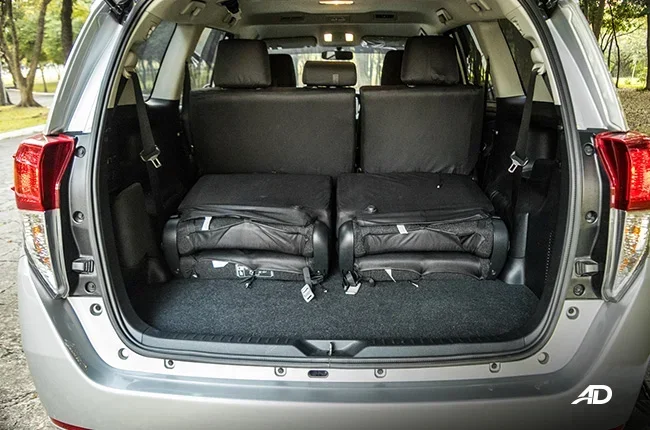
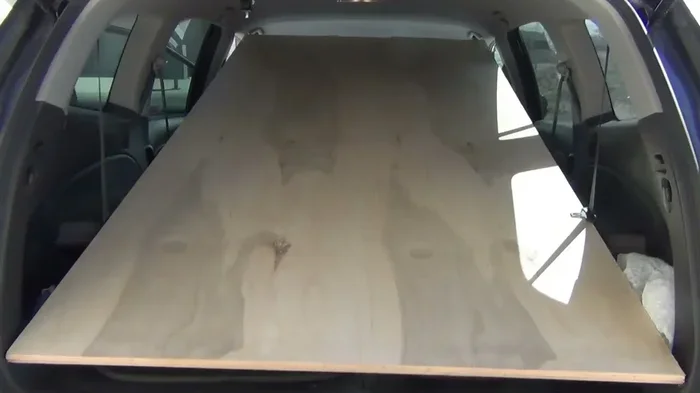
- Minivans: With seats folded down, many minivans can handle a full sheet flat.
- Pickup Trucks: The easiest option. A truck bed fits a 4×8 sheet perfectly.
- Crossovers and Compact SUVs: Often require roof loading or partial overhang methods.
Gather Your Supplies
Once you know your vehicle setup, gather the supplies you need. Having everything ready before the plywood arrives makes the process smooth. Here is a simple checklist:
- Ratchet straps or tie-down ropes (at least two)
- Foam padding or moving blankets to protect surfaces
- Cardboard or old bed sheets for interior protection
- Plastic sheeting or a tarp for weather protection
- A helper (strongly recommended for safety)
- A roof rack or cargo carrier if your car uses one
- Rubber mats or a plywood cradle for the cargo area
Having these items ready means you will not be scrambling when the sheet arrives. Preparation is the foundation of a successful plywood transport job.
Step-by-Step: How to Carry 4×8 Plywood in a Car
Now comes the main part. This section breaks down the process of how to carry 4×8 plywood in a car into clear, manageable steps. Follow them in order for the best results.
Step 1: Clear and Protect the Cargo Area
Start by clearing your cargo area completely. Remove any loose items, seat covers, or floor mats that could scratch the plywood. Lay down cardboard, old blankets, or a plastic sheet on the floor. This protects both your car interior and the bottom edge of the plywood sheet. If you are using a roof rack, place a soft cloth or rubber mat on top of the rack bars. This prevents the plywood from sliding and protects the finish.
Quick tip: Use a rubber shelf liner on the cargo floor. It adds grip and prevents the sheet from shifting during the drive.
Step 2: Position the Plywood Sheet
With a helper, carefully lift one end of the plywood sheet and position it in the cargo area. If the sheet fits flat, great. If not, you may need to angle it diagonally. For roof loading, slide the sheet up onto the roof rack with the helper holding one end. Keep the sheet centered on the roof for balanced weight distribution.
Make sure the plywood does not block your rearview mirror or rear window. Visibility is essential for safe driving. If the sheet hangs over the rear, make sure at least 3 feet of the sheet stays inside the vehicle boundary. This keeps you legal and safe on the road.
Step 3: Secure the Plywood Properly
Securing the plywood is the most important step. A loose sheet can fly off while driving, which is extremely dangerous. Use ratchet straps to tie the plywood down at multiple points. Loop the straps around the sheet and anchor them to tie-down points inside the cargo area or to the roof rack.
Here are the key securing rules:
- Use at least two straps for horizontal sheets.
- Use four straps for roof-mounted sheets.
- Tighten straps firmly but not so tight that they warp the plywood.
- Check the straps after driving for 10 to 15 minutes, as they may loosen.
- Place a non-slip pad between the strap and the plywood to prevent scratching.
Take a moment to push and pull the sheet gently after securing it. If it moves at all, tighten the straps more. A properly secured sheet should not shift by even a quarter inch.
Step 4: Cover and Protect from Weather
If you are driving in rain or even under overcast skies, cover the plywood with a plastic tarp or heavy-duty garbage bag. Secure the cover with additional straps or bungee cords. Moisture is the enemy of plywood. Even a light drizzle can cause swelling and surface damage that weakens the board.
For short trips on a dry day, you can skip the cover. But when in doubt, always protect the sheet. It is better to be safe than to arrive with a warped or water-damaged piece of construction lumber.
Step 5: Drive Safely and Carefully
Driving with a large sheet of plywood changes how your car handles. The vehicle may feel heavier, especially if the load is on the roof. Keep your speed moderate, ideally under 55 miles per hour. Avoid sudden braking, sharp turns, and highway lane changes where possible.
Check your mirrors frequently to make sure the plywood has not shifted. If you hear any rattling or movement, pull over safely and recheck your straps. A five-minute stop can save you from a serious accident or a ruined sheet.
Best Methods and Tools for Safe Transport
There is more than one way to transport plywood sheets in a car. The best method depends on your vehicle type, the trip distance, and the weather. Let us look at the most effective options.
Method 1: Roof Rack Loading
This is the go-to method for sedans, coupes, and compact cars that lack cargo space. A roof rack system with crossbars gives you a stable platform on top of the vehicle. Use a plywood carrier or a simple system of straps and pads to hold the sheet in place.
Pros of roof rack loading:
- Frees up the entire cargo area for other items.
- Works with almost any vehicle that has a roof rack.
- Keeps the plywood off the ground and away from road debris.
Cons to consider:
- Adds wind resistance, which can reduce fuel efficiency.
- Requires extra care at highway speeds.
- May exceed height clearance in parking garages.
Method 2: Trunk or Hatchback Loading
For SUVs, wagons, and hatchbacks with fold-down seats, you can load the plywood flat inside the cargo area. This method keeps the sheet protected from wind and weather. It also provides a lower center of gravity, which improves vehicle stability.
The trick here is making sure the sheet fits. Measure your cargo area carefully. If the sheet is too long, you can let it extend past the seats with the tailgate closed. Just make sure it is strapped down securely and does not block your rear visibility.
Method 3: Tailgate Down with Support
If you have a pickup truck or SUV, lowering the tailgate and placing the plywood across the opening can work for short trips. Use foam blocks or a wooden cradle to support the sheet and prevent it from scratching the paint. This method works best for trips under 10 miles.
Never rely on the tailgate alone to hold a sheet of plywood. Always use straps or ties to secure it. The tailgate latch can fail under the weight and pressure of a full 4×8 sheet.
Recommended Tools for Each Method
Here is a quick comparison of the tools you need for each method:
- Roof Rack: Crossbar system, ratchet straps, rubber pads, tarp
- Trunk Loading: Moving blankets, cardboard, ratchet straps, plastic sheeting
- Tailgate Method: Foam blocks, wooden cradle, ratchet straps, helper
Investing in a good ratchet strap set pays for itself quickly. You can use these straps for all kinds of vehicle cargo tasks, from hauling furniture to transporting building materials.
Common Mistakes That Damage Plywood
Even with the best intentions, mistakes happen when people load plywood into a car. Knowing what to avoid can save you a lot of headaches and wasted materials.
Mistake 1: Skipping Interior Protection
One of the biggest errors is loading plywood directly into the cargo area without any padding. The rough bottom of the sheet can scratch your car’s paint or carpet. Splinters can also embed into fabric seats or carpeting, which is a pain to remove later. Always use cardboard, blankets, or plastic sheeting as a barrier between the plywood and your car interior.
Mistake 2: Overhanging Without Marking
If part of the plywood sheet extends past your vehicle, it must be clearly marked. In most areas, any load that overhangs the rear by more than a few feet needs a red flag or visible marker during daylight hours. This alerts other drivers and keeps you compliant with traffic laws. Failing to mark overhangs can result in fines or, worse, accidents.
Mistake 3: Using Too Few Straps
Some people use only one strap and hope for the best. That is not enough. A single strap cannot counteract the forces of wind, braking, and turning. Always use multiple straps and check them before every trip. A loose plywood sheet on a highway is a serious safety hazard that can cause accidents.
Mistake 4: Ignoring Weight Distribution
Plywood is heavy, and placing it off-center affects how your car handles. Try to center the load as much as possible. If the sheet must sit to one side, drive more carefully and reduce your speed. Uneven weight can also affect your tire pressure and suspension over long distances.
Mistake 5: Carrying Wet or Damp Plywood
Never load plywood that is already damp or wet into your car. Moisture trapped inside a warm vehicle can cause the sheet to warp, bubble, or develop mold within hours. Always check the condition of the plywood before loading it. If it is even slightly damp, let it dry completely before transporting it.
Expert Tips for Protecting Your Vehicle and Materials
Professional builders and contractors move plywood sheets every day. They have learned a few tricks that make the process faster and safer. Here are some expert-level tips you can use too.
Use a plywood cradle. A simple wooden frame that cradles the sheet on your roof rack prevents the plywood from resting directly on the crossbars. This reduces wind noise, prevents scratches, and distributes the weight more evenly. You can build a cradle in an afternoon with scrap lumber and a few screws.
Wrap the edges. Use pool noodles, foam pipe insulation, or old towels around the exposed edges of the plywood. This prevents chipping and protects other items in your cargo area from getting scratched by sharp corners.
Drive on smooth roads when possible. Rough, potholed roads create vibration and impact that can loosen straps and damage the plywood surface. If you have a choice of routes, pick the smoother, less bumpy option even if it is a bit longer.
Store leftover sheets properly. If you have extra plywood after your project, store it flat in a dry area. Standing sheets on edge for long periods causes bowing and warping. A simple plywood storage rack keeps your materials in great condition for future use.
Clean up splinters immediately. Plywood edges can leave tiny splinters in your car carpet. Use a lint roller or tape to clean up any debris before it gets ground into the fabric. This small habit saves a lot of cleaning effort later.
Consider a soft roof bag. For frequent trips, a soft cargo bag that fits over your roof rack provides an extra layer of protection. It shields the plywood from UV rays, rain, and road grime while keeping the load secure and aerodynamic.
Key Takeaways
- Measure Your Vehicle First: Know your cargo space limitations before heading to the store.
- Prepare Your Supplies: Ratchet straps, foam padding, cardboard, and a tarp make the job much easier.
- Protect the Interior: Always line the cargo area with blankets, cardboard, or plastic sheeting.
- Secure the Sheet Tightly: Use multiple straps and check them before every trip.
- Drive Defensively: Slow speeds, gentle turns, and frequent mirror checks keep the load stable.
- Avoid Overhanging Without Marking: Follow local laws and mark any load that extends past your vehicle.
- Learn from the Pros: Use cradles, edge wraps, and soft roof bags for professional-level results.
Conclusion
Carrying a 4×8 sheet of plywood in a car does not have to be a stressful experience. With the right preparation, the correct method, and a few simple tools, you can transport your materials safely and keep them in perfect condition. The key to success lies in planning ahead, securing the load properly, and driving with care.
Remember that how to carry 4×8 plywood in a car is really about protecting two things: your investment in the materials and your vehicle. A few minutes of preparation before each trip can save you from costly damage, safety hazards, and wasted time. Whether you choose the roof rack method, trunk loading, or tailgate approach, the principles remain the same. Measure, protect, secure, and drive carefully.
Start using these tips on your next trip to the lumber yard, and you will notice the difference immediately. Your plywood sheets will arrive in great shape, your car will stay scratch-free, and you will feel confident every time you make the haul. Safe travels and happy building!
Frequently Asked Questions
Can a sedan fit a full 4×8 plywood sheet?
Most sedans cannot fit a full 4×8 sheet flat inside the cargo area. The best option for sedans is roof rack loading, where the sheet sits on top of the car secured with straps. Always measure your specific sedan model before attempting to transport a full sheet.
How do you secure plywood on a roof rack?
Place rubber pads or moving blankets on the roof rack bars first. Lay the plywood sheet on top and center it. Use at least four ratchet straps, two on each side, looping them through the roof rack tie-down points. Tighten the straps firmly but gently to avoid warping the sheet.
Is it legal to have plywood overhang past my car?
Laws vary by state and country, but most places require that any load extending more than a few feet past the vehicle be clearly marked. A red flag during daylight and reflective markers at night are typically required. Check your local traffic regulations to stay compliant and safe.
How many people do you need to carry a 4×8 plywood sheet?
At least two people are strongly recommended. One person can hold and guide the sheet while the other secures it in the vehicle. A single person can manage it with careful positioning and a temporary support brace, but having a helper makes the process safer and much easier.
What is the best way to protect plywood edges during transport?
Wrap the exposed edges with pool noodles, foam pipe insulation, or old towels. This prevents chipping, splitting, and scratching. You can also use edge protectors made specifically for construction materials, which are available at most hardware stores.
Can plywood get damaged by heat inside a car?
Yes, extreme heat can cause plywood to expand, warp, or develop surface bubbles. On hot days, try to keep the trip short and park in shaded areas when possible. Covering the plywood with a light-colored tarp can also help reflect heat and keep the temperature down during transport.