Can You Jump-Start a Hybrid Everything You Need to Know
Can You Jump-Start a Hybrid? Yes, you can, but the process is different from jump-starting a regular car. This guide walks you through everything you need to know about jump-starting a hybrid vehicle, from safety steps to common mistakes. Whether your hybrid battery is drained or your 12-volt battery needs a boost, you will find clear, practical advice right here.
Have you ever been parked in a quiet parking lot, turned the key, and heard nothing but silence from your hybrid car? That sinking feeling is something every driver knows. The good news is that Can You Jump-Start a Hybrid? Yes, you absolutely can. But the process is not the same as jump-starting a regular car, and doing it wrong can lead to expensive repairs or even safety risks.
This guide is your complete resource for understanding how to start a hybrid car when the battery fails. We will walk you through every step, from what you need to grab before you open the hood to the common mistakes that trip up even experienced drivers. By the end, you will feel confident handling a hybrid battery dead situation on your own.
Whether you drive a Toyota Prius, a Honda Insight, or any other hybrid vehicle, the information here applies to you. We will cover the differences between a hybrid battery and a regular car battery, the exact steps to follow, and when it is smarter to call for roadside assistance instead of going the DIY route. Let us dive in.
Key Takeaways
- Yes, You Can Jump-Start a Hybrid: The process works but requires different steps than a conventional vehicle.
- Use the 12-Volt Battery: Never connect jumper cables to the high-voltage hybrid battery.
- Follow Safety Steps: Turn off both vehicles, engage parking brakes, and check hybrid warning lights before starting.
- Common Mistakes Are Costly: Mixing up battery types or ignoring warning lights can cause serious damage.
- Know When to Call for Help: If you feel unsure, roadside assistance is always a safe choice for a hybrid emergency.
- Prevention Is Key: Regular hybrid maintenance keeps your hybrid system healthy and reduces the chance of a low battery hybrid situation.
📑 Table of Contents
- What Is a Hybrid Car and How Does It Work?
- Can You Jump-Start a Hybrid? The Short Answer
- How to Jump-Start a Hybrid Vehicle Safely
- Common Mistakes to Avoid When Jump-Starting a Hybrid
- Hybrid Battery vs. Conventional Car Battery
- When to Call for Help Instead of DIY
- Preventing a Low Battery Hybrid Situation
- Conclusion
What Is a Hybrid Car and How Does It Work?
Before we talk about jump-starting, it helps to understand what makes a hybrid vehicle different from a conventional vehicle. A hybrid car uses two power sources: a gasoline engine and an electric motor. Together, these work as a hybrid powertrain to deliver fuel efficiency and smooth performance.
The Hybrid Powertrain Explained
In a hybrid system, the gasoline engine handles most of the heavy lifting during highway driving. The electric motor kicks in during low-speed driving, such as in traffic or parking lots. This clever setup is what gives hybrids their impressive fuel economy. The high-voltage battery stores energy that powers the electric motor. It also captures energy during braking, a process known as regenerative braking.
Here is the key thing most people miss. Your hybrid vehicle also has a separate 12-volt battery. This smaller battery powers the car’s electronics, lights, and computer systems. When people say their hybrid will not start, it is usually this 12-volt battery that is the problem, not the high-voltage pack.
How the 12-Volt Battery Supports Your Hybrid
The 12-volt battery in a hybrid plays a critical role. It activates the hybrid system and allows the car to communicate with its components. Without a functioning 12-volt battery, your hybrid start will not happen, even if the high-voltage battery is fully charged.
This is why jump-starting a hybrid often means jump-starting the 12-volt battery, not the high-voltage one. Understanding this distinction is the first step to doing it safely and correctly.
Can You Jump-Start a Hybrid? The Short Answer
The answer to Can You Jump-Start a Hybrid is a resounding yes. You can use another vehicle to boost your hybrid’s 12-volt battery, just like you would with a traditional car. However, there are important differences you must know before you connect any jumper cables.
Why Hybrid Vehicles Are Different
A hybrid vehicle has a high-voltage battery that operates at several hundred volts. This is very different from the 12-volt battery in a conventional vehicle. The high-voltage battery powers the electric motor and the hybrid powertrain. It is typically bright orange or yellow, and it is clearly labeled with high-voltage warnings.
You should never attempt to jump-start the high-voltage battery. Doing so can cause severe electrical damage or personal injury. The good news is that you almost never need to. The 12-volt battery is the one that needs the boost in 99 percent of cases.
When Jump-Starting Makes Sense
There are a few situations where jump-starting a hybrid is the right move. If you left your lights on overnight, the 12-volt battery can drain completely. Extreme cold weather also reduces battery performance. In these cases, a quick jump start from another vehicle or a portable jump starter can get you back on the road in minutes.
Another common scenario is when a hybrid battery dead situation occurs after a long period of not driving. If your car has been sitting in the garage for weeks, the 12-volt battery may have lost enough charge to prevent a hybrid start. A boost solves this problem quickly and gets your hybrid car running again.
How to Jump-Start a Hybrid Vehicle Safely
Now that you know it is possible, let us walk through the exact steps. Following this process carefully ensures your hybrid safety and protects your car from damage.
What You Will Need
Before you start, gather these items:
- Jumper cables rated for at least 400 amps
- A second vehicle with a working 12-volt battery
- Your hybrid owner’s manual for reference
- Safety gloves and eyewear
- A clean, dry cloth to wipe any corrosion
Having these items ready before you begin makes the process smooth and stress-free. If you do not have jumper cables in your trunk, consider adding a pair today. They are one of the most important hybrid maintenance tools you can keep on hand.
Step-by-Step Jump-Start Process
Follow these steps in order. Do not skip or rearrange them.
- Turn off both vehicles. Make sure the engine, lights, and accessories are off in both cars. This prevents electrical surges.
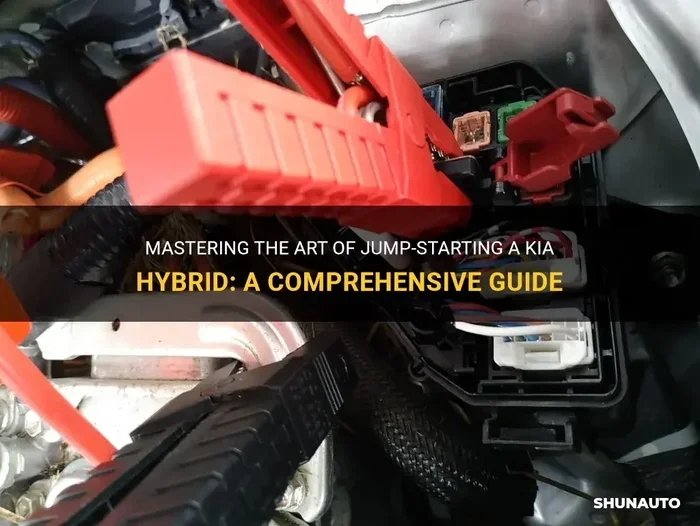
- Locate the 12-volt battery in your hybrid. In many hybrids, this battery is in the trunk or under a rear seat. Check your owner’s manual to find the exact location.
- Identify the positive and negative terminals. The positive terminal is marked with a plus sign (+) and usually has a red cover. The negative terminal has a minus sign (-) and may be black.
- Connect the red jumper cable to the positive terminal of the dead hybrid battery. Make sure the clamp bites firmly into the metal terminal.
- Connect the other red clamp to the positive terminal of the working vehicle’s battery.
- Connect the black jumper cable to the negative terminal of the working vehicle’s battery.
- Connect the remaining black clamp to an unpainted metal surface on your hybrid’s engine block. This grounds the circuit safely and reduces sparking risk.
- Start the working vehicle. Let it idle for a few minutes to charge your hybrid’s 12-volt battery.
- Attempt to start your hybrid. Turn the key or press the start button. If the engine turns over, let it run for at least 15 minutes.
- Disconnect the cables in reverse order. Remove the black clamp from the engine block first, then work backward through the connections.
Safety Tips to Remember
Hybrid safety should always be your top priority. Here are a few extra tips to keep in mind:
- Never let the jumper cable clamps touch each other once they are connected to a battery.
- Do not smoke or create sparks near the battery area.
- Check for cracks or leaks on the battery before connecting cables.
- If you notice the hybrid warning lights flashing on your dashboard, stop immediately and reassess.
- Keep children and pets away from the engine area during the process.
Quick Tip: After a successful jump start, drive your hybrid for at least 20 minutes before turning it off again. This gives the 12-volt battery time to recharge fully through the alternator. Driving is better than idling because it puts a healthy load on the charging system.
Expert Insight: Many hybrid manufacturers recommend starting the assisting vehicle first and letting it run for two minutes before attempting to start the hybrid. This pre-charges the 12-volt system and reduces the strain on both batteries. Always consult your owner’s manual for model-specific guidance.
Common Mistakes to Avoid When Jump-Starting a Hybrid
Even with good intentions, mistakes happen. Here are the errors that cause the most problems for hybrid owners.
Mixing Up the Battery Types
The biggest mistake people make is confusing the high-voltage battery with the 12-volt battery. Connecting jumper cables to the wrong battery can fry your car’s electronics or cause a dangerous short circuit. Always double-check which battery you are working with. The 12-volt battery is smaller and is clearly separate from the bright orange high-voltage pack. If you are ever unsure, refer to your owner’s manual or look for the labeled terminals under the hood or in the trunk.
Ignoring Warning Lights
Your hybrid is smart. It tells you when something is wrong. If you see hybrid warning lights on the dashboard before or during the jump-start process, pay attention. A flashing red light means stop immediately and seek professional help. A steady yellow light may indicate a less urgent issue, but it still warrants a check from a mechanic. Ignoring these signals can turn a simple low battery hybrid situation into a costly repair.
Rushing the Process
Jump-starting a hybrid is not a race. Rushing through the steps increases the risk of incorrect cable placement. Take your time, read each step twice, and make sure every connection is secure before turning a key. A few extra minutes of care can save you hundreds of dollars in repairs. If the first attempt does not work, wait a full minute between tries to let the cables cool down.
Hybrid Battery vs. Conventional Car Battery
Understanding the differences between a hybrid battery and a traditional car battery helps you make better decisions. Here is a side-by-side comparison.
| Feature | Hybrid Battery | Conventional Vehicle Battery |
|---|---|---|
| Voltage | High-voltage (200V-400V) | 12 volts |
| Primary Function | Powers the electric motor | Powers electronics and starter motor |
| Location | Rear or underseat area | Under the hood |
| Recharge Method | Regenerative braking and engine | Alternator only |
| Replacement Cost | $2,000-$8,000 | $100-$300 |
| Lifespan | 8-10 years or 100,000+ miles | 3-5 years |
Key Differences Explained
The high-voltage battery in a hybrid is built to last many years and handle thousands of charge cycles. It is a completely different beast from the standard lead-acid battery in a conventional vehicle. The 12-volt battery in your hybrid serves the same purpose as the battery in a gas-only car. It provides the initial power to start the car and run the electronics.
When people say their hybrid battery dead situation, they are usually referring to the 12-volt battery. The high-voltage pack is rarely the culprit. This distinction is crucial for knowing how to respond when your car will not start.
How to Know Which Battery Is Dead
If your hybrid will not start, check for these signs:
- The dashboard lights are dim or do not turn on at all
- You hear a clicking sound when you turn the key
- The hybrid warning lights are illuminated on the dashboard
- The car shows a “12V Battery Low” or similar message
- The accessories, such as the radio or windows, do not work
If you notice these symptoms, your 12-volt battery is likely the problem. A jump start from another vehicle or a portable jump starter should resolve the issue quickly. Always confirm the diagnosis before grabbing your cables.
When to Call for Help Instead of DIY
There is no shame in calling for help. In fact, knowing when to ask for assistance is a sign of smart driving. Here are situations where you should skip the DIY approach and call for roadside assistance.
- You do not have jumper cables or a portable jump starter available
- The hybrid battery dead situation happens in an unsafe location, such as a busy highway or dark parking lot
- You notice damage, leaks, or unusual smells near the battery
- The hybrid warning lights are flashing red after the jump-start attempt
- Your car will not start even after a full jump-start attempt
- You have tried jump-starting before and the battery keeps dying
In a hybrid emergency, your safety comes first. Professional roadside assistance teams are trained to handle hybrid vehicles and know the unique risks involved. Many insurance policies and car manufacturer warranties include roadside assistance, so check your coverage before you find yourself stranded.
Also, if your car requires frequent jump-starts, this could signal a deeper hybrid maintenance issue. A failing alternator, a parasitic draw, or a degrading 12-volt battery all need professional diagnosis. Do not ignore recurring battery problems. Addressing them early saves you from a much bigger repair bill down the road.
Preventing a Low Battery Hybrid Situation
The best way to deal with a dead battery is to prevent it from happening in the first place. Here are simple steps to keep your hybrid system healthy and reliable.
- Drive your hybrid regularly. The alternator recharges the 12-volt battery while you drive. A car that sits for weeks is more likely to develop a low battery hybrid condition.
- Turn off all accessories before shutting down. Lights, radios, and USB chargers draw power even after the engine is off.
- Get your battery tested annually. Most auto parts stores offer free battery testing. This simple hybrid maintenance step catches weak batteries before they fail.
- Keep the terminals clean. Corrosion on battery terminals can interrupt the electrical connection. A quick wipe with a baking soda and water solution keeps things running smoothly.
- Consider a portable jump starter. These compact devices fit in your trunk and can boost your 12-volt battery without needing another vehicle. They are an excellent addition to your emergency kit and a smart investment for any hybrid vehicle owner.
Following these tips dramatically reduces your chances of finding yourself with a hybrid battery dead situation at the worst possible moment. A little prevention goes a long way toward keeping your hybrid car reliable for years to come.
Conclusion
Can You Jump-Start a Hybrid? Absolutely. The process is straightforward once you understand the key difference: you are boosting the 12-volt battery, not the high-voltage hybrid battery. By following the steps outlined in this guide, you can safely start a hybrid car in most situations where the battery has lost its charge.
Remember to always prioritize hybrid safety. Know which battery you are working with, follow the cable connection order precisely, and never ignore warning lights on your dashboard. When in doubt, reach out to roadside assistance or a qualified mechanic.
Regular hybrid maintenance and smart driving habits keep your hybrid system running strong. A little preparation today saves you from a frustrating hybrid emergency tomorrow. Keep these tips in mind, stay safe on the road, and you will be ready for whatever comes your way.
Frequently Asked Questions
Is It Safe to Jump-Start a Hybrid Car?
Yes, it is safe as long as you follow the correct steps. Always connect the cables to the 12-volt battery, not the high-voltage hybrid battery. Read your owner’s manual for model-specific instructions. If you feel unsure at any point, call for professional roadside assistance.
Can You Jump-Start a Hybrid With a Regular Car?
You can jump-start a hybrid using a conventional vehicle. The key is to connect the cables to the 12-volt battery of the hybrid, not the high-voltage pack. The process is similar to jump-starting any car, but you must be careful to identify the correct battery terminal before making any connections.
How Long Should You Let a Hybrid Run After a Jump-Start?
Let your hybrid run for at least 15 to 20 minutes after a successful jump-start. This allows the alternator to recharge the 12-volt battery fully. Driving the car for this period is even better than letting it idle, as it puts a healthy load on the charging system and helps the hybrid system recalibrate.
What Happens If You Jump-Start the Wrong Battery in a Hybrid?
Connecting jumper cables to the high-voltage battery can cause severe damage to the electrical system, the hybrid powertrain, or the electric motor. It can also create a serious safety hazard. Always verify you are working with the 12-volt battery before making any cable connections.
Do Hybrids Need Special Jumper Cables?
Standard jumper cables rated for 400 amps work fine for most hybrids. You do not need specialized cables. However, make sure the clamps are clean and secure for a solid connection. Avoid thin or damaged cables that may overheat during the jump-start process and potentially damage your hybrid system.
Can a Dead Hybrid Battery Be Recharged Without a Jump-Start?
Yes, you can use a portable jump starter or a battery charger designed for 12-volt batteries. Simply connect the charger to the 12-volt battery terminals and let it charge for several hours. This is a great alternative if you do not have access to another vehicle for a jump start or if you prefer a slower, gentler charging method.