How Can I Check a Cars History Before Making a Purchase
Checking a car’s history is one of the smartest things you can do before buying any used vehicle. A simple VIN lookup can reveal accident records, title problems, odometer issues, and more. This guide walks you through every step to check a car’s history like a pro and protect your investment.
So, you found a car you really like. The price looks right. The photos look great. But before you hand over any money, there is one thing you must do. You need to check the car’s history.
Buying a used car can be a smart financial move. But it also comes with risks. You might buy a vehicle with hidden damage, a rolled-back odometer, or a salvage title. These problems can cost you thousands of dollars down the road.
The good news? Checking a car’s history is easier than most people think. You do not need to be a mechanic or a car expert. A few simple tools and a little patience can give you peace of mind. This guide shows you exactly how to do it step by step.
Whether you are buying from a dealer or a private seller, running a vehicle background check should be non-negotiable. Let us walk through the entire process together.
Key Takeaways
- Always run a vehicle history report: Services like Carfax and AutoCheck provide detailed background checks that save you from buying a lemon.
- Find the VIN first: The VIN number is your gateway to all the information about a car’s past, and it’s easy to locate.
- Watch for red flags: Salvage titles, flood damage, odometer rollback, and frequent ownership changes are major warning signs.
- Use free and paid tools: Several free VIN check options exist, but paid reports give you much deeper insights.
- Combine digital reports with a physical inspection: A pre-purchase inspection by a trusted mechanic adds an extra layer of safety.
- Check for recalls: Unresolved recalls can affect safety and resale value, so always verify recall status.
- Know your consumer rights: Lemon laws and state regulations protect buyers, so understand what applies in your area.
📑 Table of Contents
Why Checking a Car’s History Matters
You might wonder why a car history report matters so much. Think of it this way. Would you buy a house without a home inspection? Probably not. The same logic applies to buying a car.
A vehicle’s past tells you a lot about its present condition. Cars that have been in serious accidents may have structural damage that is not visible on the surface. Vehicles that were flood-damaged can develop electrical problems and mold months after the sale.
A vehicle history report pulls together records from many sources. These include insurance companies, auto auctions, repair shops, and state departments of motor vehicles. The result is a detailed picture of what the car has been through.
Skipping this step is one of the most common mistakes buyers make. According to industry data, about one in three used cars has some kind of hidden problem. A simple report can help you avoid becoming a statistic.
What Can a History Report Reveal?
A good report can uncover a lot of information. Here are some of the most important things it can show:
- Accident history: Was the car involved in any collisions? Were there airbag deployments?
- Title status: Is the title clean, or does it carry a salvage or rebuilt brand?
- Odometer readings: Has the mileage been rolled back or is there a gap in the readings?
- Ownership history: How many previous owners did the car have?
- Service records: Was the car regularly maintained, or was it neglected?
- Recall information: Are there any outstanding safety recalls that have not been fixed?
- Flood or fire damage: Was the vehicle ever declared a total loss due to water or fire?
Each of these pieces of information can change your decision about whether to buy the car. Some issues are minor. Others are deal breakers. The point is, you deserve to know before you spend your money.
How to Find the VIN Number
Before you can run any kind of check, you need the vehicle identification number. The VIN is like a car’s fingerprint. Every vehicle has a unique VIN, and it encodes details about the make, model, year, engine type, and where it was built.
Finding the VIN is very straightforward. Here are the most common places to look:
- Dashboard: Stand outside the driver’s side door and look at the dashboard. The VIN is usually stamped on a metal plate near the base of the windshield.
- Driver’s side door jamb: Open the driver’s door and look for a sticker on the door frame. It lists the VIN along with tire pressure information.
- Vehicle title and registration: The VIN is printed on the car’s title card and registration documents.
- Insurance documents: Your auto insurance policy also lists the VIN.
- Engine block: On some vehicles, the VIN is stamped directly onto the engine block.
Once you have the VIN, make sure it matches the information on the car’s paperwork. If the numbers do not match, that is a major red flag. Walk away from that deal.
What Does a VIN Look Like?
A VIN is a 17-character code made up of letters and numbers. No two vehicles in operation share the same VIN. The first three characters identify the manufacturer. Characters four through eight describe the vehicle’s features. The ninth character is a check digit used for verification. The tenth character tells you the model year. And the last six characters form the unique serial number for that specific vehicle.
You can use a VIN decoder tool to break down what each character means. Many websites offer free VIN decoders that give you basic specs like engine size, trim level, and production year.
Top Vehicle History Report Services
Now that you have the VIN, it is time to pull a report. There are several services that specialize in vehicle history checks. Each one has its own strengths and limitations.
Carfax
Carfax is probably the most well-known name in vehicle history reports. For about $40 to $50 per single report, you get access to a detailed history based on the VIN number. Carfax pulls data from thousands of sources, including police reports, insurance claims, and service records.
One advantage of Carfax is its large database. It has been collecting data for decades, which means older vehicles often have more complete records. Carfax reports are also easy to read, with color-coded sections that highlight potential problems.
The downside is the price. If you are shopping around and considering multiple cars, the costs can add up quickly.
AutoCheck
AutoCheck is run by Experian, one of the major credit bureaus. It offers vehicle history reports starting at around $25 for a single report. AutoCheck is known for its scoring system, which rates each vehicle on a scale from one to one hundred.
This scoring feature makes it easy to compare multiple cars side by side. A higher AutoCheck score generally means fewer problems in the vehicle’s past. AutoCheck also provides detailed ownership history and title information.
Free VIN Check Options
If you want to start with a free option, there are several good choices. The National Insurance Crime Bureau (NICB) offers a free VINCheck tool. It tells you if a vehicle has been reported as stolen or declared a total loss. The National Highway Traffic Safety Administration (NHTSA) also provides a free recall lookup tool where you can enter the VIN to check for open recalls.
Some dealerships and auto parts stores also offer free VIN lookups. These are usually less detailed than paid reports, but they can catch the most serious problems.
Other Notable Services
Beyond Carfax and AutoCheck, there are other options worth considering. VinAudit offers affordable reports, often under $15. CARFAX alternatives like InstaVin and EpicVIN also provide decent background checks at lower price points. Each service has a slightly different database, so using more than one can sometimes reveal additional information.
What a Car History Report Reveals
Let us take a closer look at what you will actually see in a typical vehicle history report. Understanding each section helps you interpret the results correctly.
Accident and Damage Records
The accident section of a report shows any collisions that were reported to insurance companies or law enforcement. It will list the date of the incident, the type of damage, and whether the vehicle was repaired.
Keep in mind that not all accidents show up in a report. If a minor fender bender was never filed with insurance, it might not appear. This is why a visual inspection and a pre-purchase inspection by a mechanic are so important.
Title and Ownership Information
The title section reveals the vehicle’s title status. A clean title is what you want. It means the car was never declared a total loss. A salvage title means the insurance company wrote off the vehicle as a total loss. A rebuilt title means the car was repaired and passed inspection after being salvaged.
Ownership history tells you how many people owned the car and for how long. A car that changes hands frequently might have underlying problems. On the other hand, a vehicle with one or two long-term owners is often a better sign.
Odometer and Service Records
The odometer section shows the recorded mileage at different points in time. This helps you spot odometer rollback, which is when someone turns back the mileage to make the car seem less used.
Service records show whether the car received regular oil changes, tire rotations, and other routine maintenance. A well-documented service history is a strong positive signal. It suggests the previous owner took good care of the vehicle.
Recall and Safety Information
Manufacturers issue recalls when they discover safety defects. A good vehicle history report will list any open recalls. You can also check the NHTSA website independently for this information.
Never buy a car with an unresolved safety recall. Not only is it a safety risk, but it also means the dealer or seller may not have taken proper care of the vehicle.
How to Spot Red Flags in a Car’s Past
Not everything in a history report is a cause for concern. But certain patterns should make you pause. Here are the biggest red flags to watch for.
Salvage or Rebuilt Title
A salvage title means the car was considered a total loss by an insurance company. This usually happens after a serious accident, flood, or fire. While some rebuilt vehicles are perfectly safe, others have hidden structural damage that can be dangerous and expensive to repair.
If a report shows a salvage or rebuilt title, proceed with caution. Get a thorough inspection from a trusted mechanic before considering the purchase.
Odometer Discrepancies
Odometer fraud is more common than you might think. If the report shows a sudden drop in mileage or large gaps between readings, the odometer may have been tampered with.
This is a serious issue. A rolled-back odometer makes a high-mileage car appear to have low mileage, which inflates its value. In many states, odometer rollback is illegal and can result in fines or legal action.
Multiple Owners in a Short Period
A car that has had five owners in three years is suspicious. Frequent ownership changes can indicate recurring mechanical problems or other issues that owners could not resolve.
Of course, there are innocent explanations. Someone might have inherited a car and sold it quickly. But when combined with other red flags, a high turnover rate is worth investigating further.
Flood Damage Indicators
Flood-damaged vehicles can develop serious problems over time. Rust, mold, and electrical failures are common in cars that were submerged in water. Look for keywords like “flood,” “water damage,” or “total loss due to flooding” in the report.
Even if the car looks fine on the outside, internal components may be corroded. Avoid flood-damaged vehicles unless you are a qualified mechanic and can verify the repairs.
Missing Service Records
A lack of service records does not automatically mean the car was neglected. Some owners simply did not keep their receipts or did not service the vehicle at dealerships. However, a complete absence of maintenance history is a concern.
When in doubt, ask the seller for any records they have. You can also look up maintenance schedules for the specific make and model to see if the mileage aligns with expected service intervals.
Final Steps Before You Buy
Once you have reviewed the history report and checked for red flags, there are still a few steps to complete before you make your final decision.
Get a Pre-Purchase Inspection
A vehicle history report tells you about the car’s past. A pre-purchase inspection tells you about its current condition. These are two very different things, and both matter.
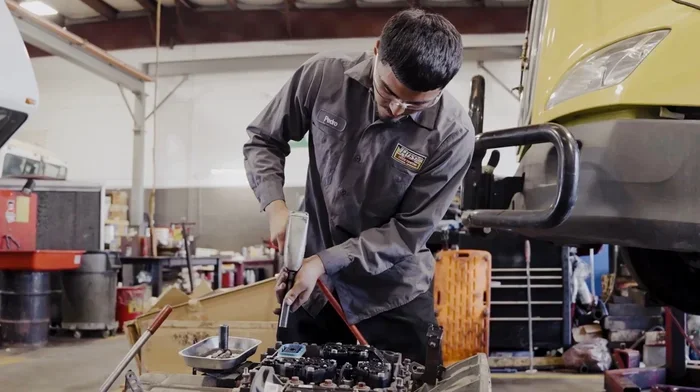
Take the car to an independent mechanic you trust. Ask them to perform a full inspection. They will check the engine, transmission, brakes, suspension, and other critical systems. The cost is usually between $100 and $200, but it can save you thousands in future repairs.
Do not skip this step just because the history report looks clean. A report can only show what has been documented. It cannot reveal current mechanical issues that have not yet been reported.
Test Drive the Vehicle
A test drive is your chance to feel how the car actually drives. Pay attention to how it handles, how the brakes feel, and whether there are any unusual noises. Listen for rattles, squeaks, or grinding sounds.
Try driving on both city streets and highways. Test the air conditioning, the audio system, and all the electronic features. Anything that feels off or does not work properly is worth investigating further.
Negotiate Based on What You Learn
If the history report or inspection reveals issues, you have leverage. Use the findings to negotiate a lower price or ask the seller to make repairs before the sale. A car with a clean history and a recent inspection is a much stronger starting point for negotiations.
Never feel pressured to buy on the spot. A legitimate seller will understand that you want to do your due diligence. If they push you to skip the inspection or the history check, that is a warning sign worth taking seriously.
Understand Lemon Laws and Your Rights
Every state has lemon laws that protect consumers who purchase defective vehicles. These laws vary, but they generally give buyers the right to a refund or replacement if a vehicle has repeated, unresolved defects within a certain time period.
Familiarize yourself with your state’s lemon law before you buy. This knowledge can give you confidence and protection if something goes wrong after the purchase.
Common Mistakes Buyers Make When Checking Car History
Even with the best intentions, buyers sometimes make avoidable mistakes. Here are a few to watch out for.
- Relying on only one report: Different services use different databases. Running reports from two providers can give you a more complete picture.
- Ignoring a clean report but skipping the inspection: A clean report is great, but it does not replace a physical inspection.
- Not verifying the VIN: Always double-check that the VIN on the report matches the VIN on the car. Mismatched VINs are a serious warning sign.
- Buying from a seller who discourages a history check: If a seller gets defensive about you running a report, that alone is a reason to walk away.
- Overlooking recall checks: A clean history report does not mean all recalls have been addressed. Always verify recall status separately.
- Ignoring service records: A car might have no accidents but still have been poorly maintained. Maintenance history matters just as much as accident history.
Avoiding these mistakes puts you in a much stronger position as a buyer. It helps you make a confident, informed decision rather than a rushed one you might regret.
Expert Tips for a Smarter Purchase
Here are some bonus tips from experienced car buyers and automotive professionals. These small steps can make a big difference.
- Check the VIN against multiple databases. A single report might miss something. Cross-referencing gives you more confidence.
- Look up the car’s market value. Use resources like Kelley Blue Book or Edmunds to see if the asking price is fair. A price that seems too good to be true often is.
- Ask the seller for maintenance records. Even if the report does not include them, the seller might have copies available.
- Check the vehicle’s paint thickness. A paint thickness gauge can reveal whether the car has been repainted, which could indicate accident repairs.
- Search the VIN online for forum discussions. Some makes and models have known issues that might not show up in a standard report.
- Never share personal information before you are serious. Only provide your details once you are ready to move forward with a specific vehicle.
Conclusion
Checking a car’s history is one of the most important steps in the buying process. It takes a little time and effort, but the payoff is enormous. A simple VIN lookup and a vehicle history report can protect you from costly surprises and help you find a reliable vehicle that will serve you well for years.
Remember to use the VIN number to pull reports from trusted services like Carfax or AutoCheck. Watch for red flags like salvage titles, odometer discrepancies, and flood damage. Combine your digital research with a physical inspection and a test drive. And never rush the process.
A great used car is out there. But you will only find it if you do your homework first. Use the tips in this guide every time you shop for a vehicle, and you will buy with confidence every single time.
Frequently Asked Questions
What is a VIN number and where can I find it?
A VIN, or vehicle identification number, is a unique 17-character code assigned to every vehicle. You can find it on the dashboard near the windshield, on the driver’s side door jamb, on the car title, and on the engine block.
How much does a vehicle history report cost?
Single reports typically cost between $15 and $50 depending on the service. Carfax charges around $40 to $50, while AutoCheck starts at about $25. Some services offer bundle deals if you plan to check multiple vehicles.
Can a free VIN check replace a paid report?
Free checks are useful for basic information like title status and recall data. However, they do not provide the same level of detail as paid reports. For a thorough vehicle background check, a paid report is strongly recommended.
What should I do if the history report shows a problem?
If a report reveals issues like accident damage or a salvage title, ask the seller for more details. Consider getting a pre-purchase inspection from a mechanic. Use the findings to negotiate the price or decide whether the car is still worth buying.
Are Carfax and AutoCheck reports always accurate?
No report is 100% complete. Not all accidents, service visits, or damage events get reported. However, Carfax and AutoCheck are the most comprehensive services available. Using more than one report and combining it with a physical inspection gives you the best results.
How far back does a vehicle history report go?
Most reports go back 10 to 20 years or more, depending on the vehicle and the data available. The length of the history depends on how many records exist in the databases linked to that VIN number.