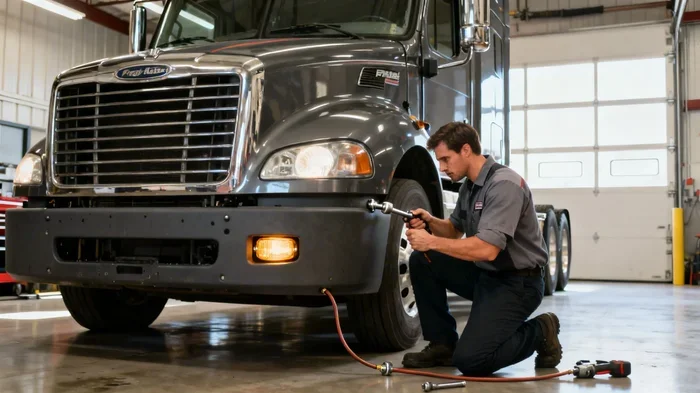
How Much Is Labor to Put a Bumper On Your Truck Today
The labor cost to put a bumper on a truck typically ranges from $200 to $800, depending on the bumper type, truck model, and whether you choose a professional shop or DIY. Front bumper installation is more complex than rear bumper work, and choosing between OEM and aftermarket parts can shift the total price significantly. This guide breaks down every cost factor so you know what to expect before you walk into a body shop.
Your truck takes a beating. Rocks fly up from the highway. Parking lot dings happen when you least expect them. And one day you look at your front end and think, “That bumper has got to go.”
So you start Googling. “How much is labor to put a bumper on?” The answers you find are all over the place. Some sites quote $200. Others say $1,000 or more. What gives?
The truth is, bumper labor cost depends on a lot of factors. The type of truck you drive matters. The bumper style matters. Whether you go with an original equipment manufacturer part or an aftermarket option changes the price. Even the shop you choose plays a big role.
This guide cuts through the confusion. We will walk through every cost factor step by step. By the end, you will know exactly what to expect. You will also learn when DIY makes sense and when it is best to leave it to the pros.
Let us get into it. Because knowing the bumper installation cost before you walk into a shop puts you in the driver seat.
Key Takeaways
- Labor Cost Range: Bumper installation labor typically costs between $200 and $800 at most shops.
- Front vs Rear: Front bumper jobs take longer and cost more due to sensors, grilles, and wiring.
- OEM vs Aftermarket: OEM bumpers cost more but offer a perfect factory fit and finish.
- DIY Option: Bolt-on bumpers can save you hundreds if you have basic tools and a helper.
- Insurance May Cover It: If the damage is from a collision, your policy might pay for labor minus your deductible.
- Hidden Costs Exist: Paint matching, sensor recalibration, and alignment checks can add $100 to $400 more.
- Shop Rates Vary: Independent shops charge $75 to $130 per hour, while dealerships charge $100 to $200.
📑 Table of Contents
- What Goes Into Bumper Labor Costs
- Front Bumper vs Rear Bumper Installation Costs
- OEM vs Aftermarket Bumper: What You Need to Know
- How Body Shops and Dealerships Charge for Bumper Work
- DIY Bumper Installation: Can You Save Money?
- Insurance and Bumper Replacement: What Your Policy Covers
- Hidden Costs That Can Surprise You
- How to Choose the Right Shop for Bumper Installation
- Common Mistakes People Make with Bumper Replacement
- Key Takeaways
- Conclusion
What Goes Into Bumper Labor Costs
When a body shop quotes you a price for bumper replacement labor, they are not just charging for bolts and screws. There is a real process behind every installation. Understanding what goes into that labor helps you see why prices vary so much.
Removal and Disposal of the Old Bumper
First, the technician has to remove the damaged bumper. This sounds simple, but it is not always the case. On many trucks, the bumper is connected to sensors, wiring harnesses, and cooling systems. The front bumper often houses radar sensors for collision warning systems. There might be backup cameras, parking sensors, or fog lights wired into the bumper assembly.
Removing all of those connections takes time. A technician might spend 30 to 60 minutes just on disconnection and removal. Then there is the disposal of the old bumper. Licensed shops must handle damaged parts properly, which adds a small step to the process.
Surface Prep and Repair Work
If your truck was in a collision, the mounting points might need attention. Bumper brackets can bend or crack. The crash bar behind the bumper cover might need straightening. Before the new bumper goes on, the technician has to inspect and sometimes repair these hidden components.
This step is easy to overlook. But skipping it leads to a poor fit. A bolt-on bumper might go on without issues, but a welded bumper or one with hidden mounting points requires more hands-on work. Plan for this when you ask for a quote.
Installation and Securing the New Bumper
Once the old bumper is off and the area is prepped, the actual installation begins. The technician aligns the new bumper, drills or bolts it into place, and reconnects all wiring. On modern trucks, this can involve electronic parking sensors, blind spot monitoring systems, and even forward collision alert hardware.
Each sensor needs to be properly seated and tested. After installation, many shops run a diagnostic scan to make sure everything communicates correctly with the truck’s computer system. This step alone can add 30 to 60 minutes to the labor time.
Painting and Color Matching
If the new bumper comes unpainted, you need a paint match. Most body shops have color-matching systems that scan your truck’s paint code. The paint matching process takes time and skill. A good match is not just about color. It is also about texture and finish.
Some shops include basic paint in their bumper installation quote. Others charge separately. Always ask if paint and blending are included before you commit to a shop.
Final Inspection and Quality Check
A reputable shop does a final walkthrough. They check the fit, the gaps between panels, the paint quality, and all sensor functions. This quality check is part of the labor cost. It ensures you drive away with a bumper that looks and works like it should.
Front Bumper vs Rear Bumper Installation Costs
Not all bumper jobs are created equal. The front bumper and the rear bumper have very different installation requirements. Understanding these differences helps you make sense of the quotes you receive.
Front Bumper Labor: Why It Costs More
The front bumper is the most complex part of your truck’s front end. It connects to the radiator, the condenser, the headlights, and often the front crash sensing system. On newer trucks, there can be a dozen or more electrical connections tied to the front bumper alone.
Removing the front bumper often requires taking out the radiator support or the front grille assembly. In some cases, you even need to move the cooling fan or the AC condenser to get access. All of this adds labor time.
On average, front bumper installation labor runs between $300 and $800. The wide range depends on the truck model, the bumper type, and the complexity of the sensor systems involved.
Rear Bumper Labor: A Simpler Job
The rear bumper is generally less complex. It still has wiring for backup sensors, reverse cameras, and sometimes tailpipe trim. But there are fewer connections than on the front.
Most rear bumper installations take one to three hours of labor. The rear bumper labor cost typically falls between $200 and $500. If your rear bumper has a tow hitch or rear parking sensors, the labor creeps toward the higher end.
| Factor | Front Bumper | Rear Bumper |
|---|---|---|
| Average Labor Time | 2 to 5 hours | 1 to 3 hours |
| Labor Cost Range | $300 to $800 | $200 to $500 |
| Sensor Connections | High (radar, cameras, sensors) | Moderate (backup sensors, camera) |
| Painting Usually Needed? | Yes, in most cases | Sometimes |
| DIY Difficulty | Hard | Moderate |
| Common Extra Costs | Sensor recalibration, grille work | Hitch integration, trim pieces |
OEM vs Aftermarket Bumper: What You Need to Know
When you replace a bumper, you have two main choices: original equipment manufacturer (OEM) or aftermarket. Each has pros and cons, and the choice affects both the part cost and the labor involved.
OEM Bumpers
An OEM bumper is made by the same manufacturer that built your truck. It is designed to fit perfectly. The mounting points match exactly. The sensor holes line up. And the paint finish matches the factory standard.
The downside? OEM parts cost more. A dealership or parts supplier will charge a premium. But the labor cost for OEM bumper installation is often lower because the fit is straightforward. The technician spends less time adjusting and modifying the part.
Aftermarket Bumpers
An aftermarket bumper is made by a third-party manufacturer. These parts are usually cheaper. You can find aftermarket truck bumpers for a fraction of the OEM price, especially online.
But cheaper parts sometimes mean more labor. An aftermarket bumper might not fit perfectly out of the box. The mounting holes might not line up. The bumper cover might need trimming or modification. All of this adds time to the installation, which adds to the labor cost.
Which Should You Choose?
If your truck is under warranty, go with OEM. If you are looking for a budget-friendly option and your truck is older, a quality aftermarket bumper can work great. Just make sure the brand you choose has good reviews and fits your specific truck model.
For a bolt-on aftermarket bumper, labor is usually on the lower end of the range. For a custom or modified bumper with special features like winch mounts or off-road lights, labor goes up significantly.
How Body Shops and Dealerships Charge for Bumper Work
Not all shops charge the same rate. Understanding how auto body shops and dealerships price their labor helps you make a smart choice.
Independent Body Shops
Independent body shops typically charge between $75 and $130 per hour for labor. These shops often have experienced technicians who specialize in collision repair. They tend to be more affordable than dealerships and can often get you in faster.
Many independent shops also offer free estimates. You can visit two or three shops, compare quotes, and choose the one that gives you the best value. Just make sure the shop is certified and has good reviews.
Dealerships
Dealerships charge more for labor, usually between $100 and $200 per hour. But they also have access to factory tools, official service manuals, and OEM parts. If your truck is still under warranty, going to the dealership might be your best option.
Dealerships also handle insurance claims directly in many cases. They can bill your insurance company for the work, which saves you the hassle of managing the claim yourself.
Mobile Mechanic Services
A growing option is mobile bumper installation services. These technicians come to your home or workplace. They usually charge less than a full body shop because they have lower overhead costs. However, they may not handle painting or complex sensor work on site.
DIY Bumper Installation: Can You Save Money?
If you are handy and have a decent garage setup, installing a bumper yourself is possible. Many truck owners have done it successfully and saved hundreds of dollars in labor costs.
What You Need for a DIY Bumper Install
Here is what a typical DIY bumper job requires:
- A helper (bumpers are heavy and awkward)
- A socket set and wrenches
- A drill with appropriate bits
- A torque wrench
- Electrical tape and wire connectors
- A jack and jack stands or ramps
- The new bumper kit with all hardware
How Much Can You Save?
By doing it yourself, you eliminate the labor cost entirely. On a job that would cost $500 in labor at a shop, you save that full amount. The only costs are the bumper part and any paint or trim pieces you need.
But be honest with yourself about your skill level. If the bumper involves complex wiring or sensor integration, a mistake could cost you more in the long run. A misaligned sensor or a loose connection can trigger warning lights on your dashboard.
When DIY Makes Sense
DIY bumper installation works best for bolt-on bumpers with minimal wiring. If you are replacing a basic steel or aluminum bumper on an older truck, go for it. If your truck has a smart bumper with dozens of sensors, stick with a professional.
Insurance and Bumper Replacement: What Your Policy Covers
If your bumper damage comes from a collision, your auto insurance might cover the bumper replacement cost. But there are important details to understand before you file a claim.
Collision Coverage
If you carry collision coverage, your insurance should pay for bumper repairs or replacement after a covered accident. You pay your deductible, and the insurance covers the rest. Deductibles typically range from $250 to $1,000.
Keep in mind that filing a claim can raise your premiums. If the repair cost is close to your deductible, it might make more sense to pay out of pocket.
Comprehensive Coverage
Comprehensive coverage handles damage from events like hail, falling tree branches, or vandalism. If a rock chips your bumper or a storm dents it, comprehensive may apply. Check your specific policy for details.
When Insurance Does Not Cover It
Insurance does not cover normal wear and tear. If your bumper is old, faded, or has minor cosmetic damage from daily use, you are on your own. The same goes for off-road modifications that cause damage during normal driving.
Hidden Costs That Can Surprise You
Here is the part most people do not think about. The bumper itself is not the only cost. Several hidden expenses can pop up during installation.
- Sensor Recalibration: If your truck has front or rear sensors, they need recalibration after bumper work. This can add $100 to $300.
- Alignment Check: A new bumper can slightly affect your truck’s alignment. Some shops include a check; others charge extra.
- Cooling System Service: If the radiator or condenser was disturbed during removal, you may need to top off or replace coolant.
- Trim and Moldings: Plastic clips and trim pieces around the bumper can crack during removal. Replacing them adds $20 to $50.
- Diagnostic Fees: Some shops charge a flat fee to run post-installation diagnostics. This is usually $50 to $100.
Always ask for a detailed, written estimate before work begins. A good shop will list every charge separately so there are no surprises on the final bill.
How to Choose the Right Shop for Bumper Installation
Not every auto body shop is the same. Here are a few tips to help you find a shop that does quality work at a fair price.
- Check Certifications: Look for I-CAR or ASE certified technicians. These credentials mean the technicians have received proper training.
- Read Reviews: Google reviews and Yelp ratings tell you a lot about a shop’s reputation. Look for comments about bumper work specifically.
- Ask for a Warranty: A good shop stands behind its work. A warranty of at least one year on labor is standard.
- Get Multiple Quotes: Always get at least two or three estimates. This gives you a clear picture of the going rate in your area.
- Ask About Paint Guarantees: A shop that guarantees its paint match for several years shows confidence in their work.
Common Mistakes People Make with Bumper Replacement
Avoid these common pitfalls to keep your bumper replacement smooth and affordable.
- Skipping the Estimate: Never let a shop start work without a written estimate. This protects you from surprise charges.
- Choosing the Cheapest Option: The lowest quote is not always the best deal. Poor-quality work can lead to gaps, rattles, and sensor problems.
- Ignoring Sensor Wiring: Forgetting to reconnect or recalibrate sensors after bumper installation is a costly mistake.
- Not Checking Insurance Coverage: Before paying out of pocket, call your insurance company. You might be surprised at what is covered.
- Delaying the Repair: A damaged bumper can get worse over time. Rust, moisture damage, and reduced crash protection are all risks of waiting too long.
Key Takeaways
- Labor Cost Range: Expect to pay $200 to $800 for bumper installation labor, depending on complexity.
- Front Bumper Costs More: Front bumper jobs involve more connections and sensors than rear bumper work.
- OEM Parts Fit Better: They cost more upfront but often reduce labor time and fitting issues.
- DIY Can Save Hundreds: If you are skilled and the bumper is a simple bolt-on design, DIY is a great option.
- Insurance May Help: Collision and comprehensive policies often cover bumper replacement, minus your deductible.
- Watch for Hidden Costs: Sensor recalibration, paint matching, and diagnostic fees can add up fast.
- Choose Wisely: Pick a certified shop with good reviews and a solid warranty on their work.
Conclusion
The labor cost to put a bumper on your truck is not a one-size-fits-all number. It depends on whether it is a front or rear bumper, the type of part you choose, and the shop you trust with the work. Most drivers can expect to pay somewhere between $200 and $800 in labor, with additional costs for paint, sensors, and alignment checks.
The best thing you can do is educate yourself before you need the work. Get to know the bumper installation process. Understand what goes into the labor. Ask the right questions. And always get more than one quote.
Whether you take your truck to a body shop, visit the dealership, or tackle the job yourself, the goal is the same. You want a bumper that fits right, looks great, and keeps your truck safe. With the information in this guide, you are well on your way to making that happen.
Do not let a damaged bumper sit on your truck another day. Take action now. Get your estimate, understand your options, and get back on the road with confidence.
Frequently Asked Questions
How long does it take to install a bumper on a truck?
A standard bumper installation takes about two to four hours at most shops. Front bumper jobs on modern trucks with lots of sensors can take five hours or more. Rear bumper replacements are usually quicker, often done in one to three hours.
Can I drive my truck with a damaged bumper?
You can, but it is not recommended. A damaged bumper may not protect you in a minor collision. It can also affect sensor systems like backup cameras and parking sensors. If the bumper is loose or hanging, it becomes a safety hazard for other drivers on the road.
Does insurance pay for bumper replacement labor?
If the damage is from a covered accident, collision insurance typically pays for the labor minus your deductible. Comprehensive insurance covers non-collision events like hail or vandalism. Always check your specific policy and call your insurance company before scheduling repairs.
Is it cheaper to replace a bumper or repair it?
It depends on the damage. Minor cracks and dents can sometimes be repaired for less than replacement. But if the bumper is severely damaged, bent, or has broken mounting points, replacement is usually the safer and more cost-effective option in the long run.
What is the difference between a bumper cover and a bumper?
The bumper cover is the outer plastic shell you see on the front and rear of your truck. The actual bumper is the metal or steel bar underneath it. The bumper cover provides the look and absorbs minor impacts, while the real bumper is the structural safety component. Many people replace just the cover, which is less expensive.
Can I install a bumper myself to save on labor costs?
Yes, if you have basic mechanical skills and a helper. Bolt-on bumpers on older trucks are the easiest to install yourself. But if your truck has advanced sensor systems, complex wiring, or a welded bumper design, professional installation is the safer choice to avoid costly mistakes.