How Much Is a PCV Valve A Full Cost Breakdown Guide
PCV valve cost can range from $10 to $50 for the part alone, but total replacement cost varies based on labor and vehicle model. This guide breaks down every expense so you can budget accurately and avoid overpaying. Whether you DIY or visit a shop, you’ll learn exactly what drives the price and how to save.
Your car’s PCV valve cost is one of the smallest repairs that can prevent big headaches. A positive crankcase ventilation valve keeps your engine running smoothly by recirculating crankcase fumes back into the intake. When it fails, you might notice rough idle, oil leaks, or even a check engine light. Understanding the PCV valve replacement cost before you visit a shop puts you in control. This guide will walk you through every price factor so you can budget with confidence.
Most drivers never think about their crankcase ventilation system until something goes wrong. A clogged or stuck valve can slash your fuel efficiency and increase emissions. Ignoring the problem may lead to costly engine damage down the road. Knowing the PCV valve price for your specific vehicle helps you decide between DIY and professional service.
I’ve seen many people pay full dealer markup for a part that costs less than a fast-food meal. With a little research, you can save hundreds on labor and parts. Below, I’ll break down the exact numbers you need to plan your repair.
Key Takeaways
- Part-only cost: A PCV valve price typically falls between $10 and $50 depending on quality and brand.
- Labor impact: Replacing a PCV valve takes 0.5 to 1.5 hours, adding $50 to $150 in shop rates.
- OEM vs aftermarket: OEM valves offer reliability, while quality aftermarket parts can cut cost by 30–50%.
- DIY savings: Doing the job yourself eliminates labor fees entirely and often takes under an hour.
- Hidden costs: Ignoring a bad PCV valve can trigger engine misfire, oil leaks, and check engine light codes that lead to pricier repairs.
- Location matters: The valve’s position in your engine affects labor time and difficulty, which shifts the total PCV valve cost.
📑 Table of Contents
What Is a PCV Valve and Why Does It Matter?
How the PCV Valve Works
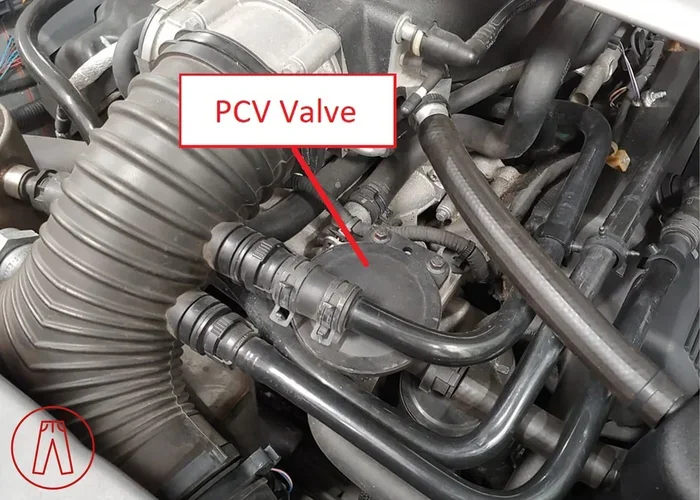
The PCV valve is a small but critical part of your engine’s emissions system. It regulates the flow of blow-by gases from the crankcase back into the intake manifold. These gases contain unburned fuel and moisture that would otherwise build up pressure inside the engine. A working valve maintains proper crankcase pressure and prevents oil leaks.
When the valve opens and closes in response to engine vacuum, it creates a controlled recycle of fumes. This process improves fuel efficiency and keeps the emissions system clean. A stuck-open valve creates a vacuum leak, while a stuck-closed valve causes pressure to build and push oil past seals.
Signs Your PCV Valve Is Failing
Recognizing bad PCV valve symptoms early saves you from expensive repairs. Watch for these common warning signs:
- Rough idle or stalling, especially at idle
- Check engine light with codes related to fuel trim or misfires
- Oil leaking around the valve cover gasket or dipstick tube
- Increased oil consumption or a smoky exhaust
- Sluggish engine performance and reduced gas mileage
- A hissing or whistling noise from the engine bay
If you notice any of these, a PCV valve test can confirm the issue. Many mechanics will inspect the valve and hoses during a routine oil change. Catching the problem early keeps the PCV valve cost low.
PCV Valve Cost Breakdown: Parts and Labor
OEM vs Aftermarket PCV Valve Price
The biggest factor in your PCV valve cost is whether you choose an OEM or aftermarket part. OEM stands for Original Equipment Manufacturer, meaning the part matches exactly what the dealer installed from the factory. Aftermarket parts are made by third-party suppliers and often cost less.
| Type | Price Range | Quality | Best For |
|---|---|---|---|
| OEM PCV Valve | $20 – $50 | Exact factory spec, high durability | Long-term reliability, warranty coverage |
| Aftermarket PCV Valve | $10 – $30 | Varies by brand; premium brands match OEM | Budget repairs, older vehicles |
| Valve + Hose Kit | $25 – $60 | Complete replacement set | High-mileage vehicles with brittle hoses |
A premium aftermarket valve from brands like Standard Motor Products or Dorman often costs $15–$25 and lasts just as long as the OEM part. For most PCV valve replacement jobs, a quality aftermarket valve is the smart choice.
Labor Costs at Dealerships vs Independent Shops
Labor rates vary dramatically depending on where you go. A dealership typically charges $100–$200 per hour, while independent shops range from $70–$130 per hour. Some independent mechanics offer a flat-rate labor price that bundles the job into one fixed fee.
Replacing a PCV valve usually takes 0.5 to 1.5 hours of labor. That means you can expect labor charges of $50 to $200 depending on the shop and your vehicle’s engine layout. The total PCV valve cost at a dealership often lands between $100 and $250, while an independent shop may charge $60 to $150.
Quick Tips to Lower Parts Cost
- Always compare the OEM part number with aftermarket cross-references before buying.
- Buy from reputable online auto parts stores that offer free shipping over a certain amount.
- Ask the shop if they can use your own purchased part—many will, and it saves on markup.
- Check if your vehicle’s maintenance schedule includes PCV valve inspection; some models need replacement every 30,000–50,000 miles.
Key Takeaways
The PCV valve price for the part itself is rarely the big expense. Labor and the choice between OEM and aftermarket drive the final number. Shopping around and knowing your vehicle’s specific requirements keeps the total PCV valve cost low.
Factors That Affect the Total PCV Valve Cost
Vehicle Make and Model
Your car’s engine design heavily influences the PCV valve cost. A simple inline-four engine often has an easily accessible valve that takes 30 minutes to replace. A complex V6 or V8 engine with the valve buried under intake components can double the labor time. Luxury and performance vehicles typically have higher labor rates at dealerships, pushing the total cost upward.
Location of the Valve
Some engines place the PCV valve on top of the valve cover, making it a five-minute job. Others route it down into the engine block or behind the intake manifold. The harder the access, the more labor you pay. Always ask the shop to show you the valve’s location before they start the repair.
Additional Repairs Needed
A failing PCV valve can cause secondary damage that inflates the bill. Common related repairs include:
- Valve cover gasket replacement if oil has seeped from excess pressure
- Replacement of cracked or brittle crankcase ventilation hoses
- Cleaning or replacing a clogged intake manifold passage
- Addressing a vacuum leak that has damaged the throttle body
These extra jobs can add $100–$400 to the total PCV valve replacement cost. Always ask for a full inspection before authorizing work.
Expert Insight
“I see many customers come in with a check engine light and rough idle. Nine times out of ten, a $25 PCV valve solves the problem. The key is catching it before the vacuum leak damages the engine misfire sensors or burns out the valve cover gasket.” — ASE-certified master technician
DIY vs Professional Replacement: Which Saves More?
Tools You’ll Need for a DIY Job
Replacing a PCV valve is one of the easiest DIY repairs you can do at home. You’ll need:
- A socket set and ratchet
- A screwdriver (Phillips or flat, depending on the engine)
- A new PCV valve and any accompanying gaskets or hoses
- A clean rag and gloves
No special diagnostic tools are required. The job typically takes 20–45 minutes for a home mechanic.
Step-by-Step Overview
- Locate the PCV valve using your vehicle’s service manual or a quick online search for your model.
- Disconnect the vacuum hose and electrical connector if equipped.
- Remove the valve from its grommet or mounting bracket.
- Install the new valve, ensuring the gasket seals properly.
- Reconnect the hose and start the engine to check for smooth idle.
Doing it yourself eliminates labor costs entirely, making the total PCV valve cost just the price of the part. For most vehicles, that’s $10–$30.
When to Call a Mechanic
There are times when professional help is the better choice. If the valve is located in a tight spot where you lack clearance or tools, a mechanic can save you frustration. Also, if you already have a check engine light with multiple codes, a professional diagnosis ensures you don’t miss a related issue like a bad PCV valve causing an engine misfire.
Common Mistakes That Increase PCV Valve Cost
Ignoring Early Symptoms
The biggest money mistake is waiting too long to replace a failing PCV valve. A stuck valve creates excessive crankcase pressure, which pushes oil past seals and gaskets. What starts as a $20 valve replacement can turn into a $300 valve cover gasket job if you ignore the oil leak and rough idle.
Buying the Wrong Part
Not all PCV valves are the same. Some vehicles use a combination valve that also serves as a crankcase ventilation separator. Installing the wrong part means returns, extra trips, and potential damage. Always verify the part number against your vehicle’s year, make, model, and engine size.
Skipping the Hoses
Many shops and DIYers replace only the valve and forget the rubber hoses. Cracked hoses create the same vacuum leak symptoms as a bad valve. Replacing the hoses at the same time prevents a repeat PCV valve cost in a few months. A complete crankcase ventilation kit often costs $25–$60 and saves future headaches.
How to Reduce Your PCV Valve Replacement Cost
Shop Around for Parts
Prices for the same PCV valve can vary by 50% between online retailers and local parts stores. Use comparison sites to find the best PCV valve price. Look for free shipping, bulk discounts, or coupons. Some online stores offer warranty-backed parts that cost only a few dollars more than the cheapest option but provide peace of mind.
Ask About Flat-Rate Labor
Many independent repair shops publish a flat-rate labor guide. Ask the service advisor for the flat-rate time for a PCV valve replacement. You’ll know the labor cost upfront and can compare it with the hourly rate. Shops that advertise a flat-rate labor policy often provide transparent pricing and avoid surprise add-ons.
Bundle with Other Maintenance
If your vehicle needs an oil change, spark plug replacement, or air filter change, ask the shop to do the PCV valve job at the same time. Many shops offer discounted labor when you combine services. This approach reduces the effective PCV valve cost per repair and keeps your car in top shape.
Final Thoughts
The PCV valve cost is a small investment that protects your engine’s health and performance. Whether you choose a DIY repair or visit a trusted shop, understanding the breakdown of parts and labor empowers you to make smart decisions. A functioning positive crankcase ventilation valve improves fuel economy, reduces emissions, and prevents costly secondary damage.
Next time you see rough idle or a mysterious oil leak, don’t ignore it. Check the PCV valve first. A few dollars and a little time can save you hundreds and keep your car running smoothly for years to come.
Frequently Asked Questions
Can I drive with a bad PCV valve?
You can drive short distances, but it’s not recommended. A stuck PCV valve creates a vacuum leak that causes rough idle, poor fuel economy, and potential engine misfire. Prolonged driving may damage the valve cover gasket or trigger a check engine light with codes that require expensive sensor replacements.
How often should a PCV valve be replaced?
Most manufacturers recommend inspecting the PCV valve at every oil change and replacing it every 30,000–50,000 miles. However, vehicles driven in stop-and-go traffic or extreme heat may need replacement sooner. Following the maintenance schedule in your owner’s manual prevents unexpected failures.
Is it cheaper to replace a PCV valve yourself?
Yes, doing it yourself eliminates labor fees entirely. A quality aftermarket PCV valve costs $10–$30, and the job takes under an hour with basic tools. You’ll save $50–$150 in shop labor, making it one of the most cost-effective DIY repairs available.
What happens if I don’t replace a faulty PCV valve?
A neglected bad PCV valve can cause oil leaks, increased emissions, and reduced engine performance. Over time, the excess crankcase pressure can blow out valve cover gaskets and damage the emissions system. The eventual PCV valve cost rises significantly when secondary repairs are needed.
Does a PCV valve replacement fix a check engine light?
Often yes. A faulty PCV valve creates a vacuum leak that triggers fuel trim codes and check engine light warnings. Replacing the valve usually clears the codes and restores normal engine performance. If the light persists, a scan tool can confirm whether the PCV valve was the root cause.
Can a clogged PCV valve cause oil consumption?
Absolutely. When the PCV valve is clogged, crankcase pressure builds and pushes oil past piston rings and seals. This leads to blue smoke, oil residue on spark plugs, and increased oil consumption. Replacing the valve and cleaning the crankcase ventilation passages resolves the issue and prevents further engine misfire or oil leak damage.