Dyed Auto Tint: Pros and Cons Every Driver Should Know
Dyed auto tint is one of the most popular and affordable window tinting options on the market today. It offers great privacy, UV protection, and a sleek look for your vehicle. However, it also has some drawbacks, like limited heat rejection and fading over time. This guide covers every pro and con you need to know. By the end, you will have a clear idea of whether dyed tint is the right choice for your car.
Every driver wants a cooler, more comfortable ride. Tinting your car windows is one of the best ways to achieve that. But with so many tint types on the market, it can be hard to pick the right one. Dyed auto tint is a popular choice for good reason. It is affordable, looks great, and gets the job done for most drivers. However, it is not perfect for everyone. In this guide, we will walk through the dyed auto tint pros and cons in detail. By the time you finish reading, you will know exactly what to expect.
Whether you are tinting your first car or replacing old film, this article has you covered. We will look at how dyed tint works, what it does well, and where it falls short. We will also compare it to other tint types so you can make a smart decision. Let us dive in and explore everything you need to know about dyed auto tint.
Key Takeaways
- Affordable Option: Dyed auto tint is the most budget-friendly tint type available.
- Great Privacy: It darkens your windows and keeps prying eyes away from your car interior.
- UV Protection: Dyed film blocks a good amount of harmful ultraviolet rays.
- Fading Risk: Over time, dyed tint can fade, bubble, or peel, especially in hot climates.
- Less Heat Rejection: Compared to ceramic or carbon tint, dyed film does not reject heat as effectively.
- Easy to Install: It is a forgiving film to work with, making DIY installation possible for many drivers.
- Legal Compliance Matters: Always check your local tint laws before choosing any shade percentage.
📑 Table of Contents
What Is Dyed Auto Tint?
Dyed auto tint is a type of window film that uses layers of dye to darken your car windows. It is the most common and widely used tint type in the automotive world. The dye layer sits between an adhesive backing and a protective top coating. This simple construction makes it lightweight and easy to produce. That is also why it costs less than other tint options.
Dyed film works by absorbing sunlight. The dark dye layer soaks up heat and light before it enters your car. It also blocks a portion of ultraviolet rays. This helps protect your skin and your car interior from sun damage. Many drivers love the look of dyed tint because it gives windows a smooth, dark, and uniform appearance. It is a classic choice that has been around for decades.
How Is Dyed Tint Different from Other Tint Types?
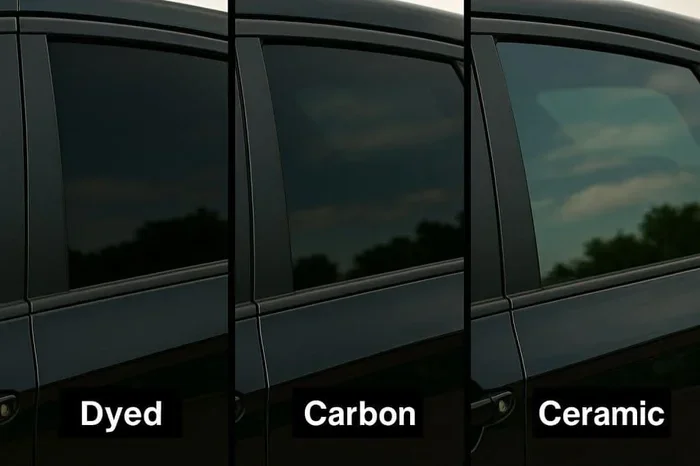
Dyed tint is different from ceramic and carbon tint in a few key ways. Ceramic tint uses tiny ceramic particles to block heat. It is more advanced and more expensive. Carbon tint uses carbon fibers and offers a matte finish. Dyed tint, on the other hand, relies on a simple dye layer. This makes it the most basic and affordable option. It also means it does not perform as well in extreme heat or over long periods of time.
The Pros of Dyed Auto Tint
Dyed auto tint has a lot to offer. It is not just about the price tag. There are several real benefits that make it a go-to choice for many drivers. Let us look at the biggest advantages.
1. Affordable Price Point
The biggest advantage of dyed auto tint is its low cost. It is the most budget-friendly tint option available. If you are on a tight budget, dyed tint gives you great value for your money. You can tint all your windows for a fraction of what ceramic or carbon tint would cost. This makes it an excellent choice for first-time tint buyers or anyone who wants a quick upgrade without spending a lot.
2. Excellent Privacy and Glare Reduction
Dyed tint darkens your windows significantly. This gives you and your passengers more privacy. People on the outside cannot easily see into your car. That is a big plus if you often park in busy areas or leave valuables in your vehicle. Dyed tint also reduces glare from the sun and headlights at night. This makes driving more comfortable and safer, especially on bright, sunny days.
3. Good UV Protection
Even though dyed tint is basic, it still does a solid job blocking ultraviolet rays. UV rays can cause skin damage and fade your car seats, dashboard, and trim. Dyed film absorbs a large portion of UV radiation. This helps keep your car interior looking newer for longer. It also protects you and your passengers from harmful sun exposure during long drives.
4. Easy to Install and Replace
Dyed tint is one of the easiest films to work with. It is forgiving during installation, which means fewer bubbles and wrinkles. If you are a DIY enthusiast, dyed film is a great starting point. It is also easier to replace if the tint gets damaged. You do not need special tools or advanced skills to handle dyed tint. This simplicity adds to its overall appeal.
5. Sleek and Uniform Appearance
Dyed auto tint gives your car a clean, dark, and polished look. The color is consistent across the film, which means no uneven patches or rainbow effects. Many drivers prefer this smooth, classic appearance. It enhances the look of any vehicle without being too flashy. Whether you drive a sedan, SUV, or truck, dyed tint can give your car a more refined and finished look.
The Cons of Dyed Auto Tint
Now let us talk about the downsides. Every tint type has its weaknesses, and dyed tint is no exception. Understanding these drawbacks is just as important as knowing the benefits.
1. Limited Heat Rejection
Dyed tint absorbs heat, but it does not block it as well as advanced tint types. In very hot climates, dyed film may not keep your car cool enough. The dye layer can actually transfer some absorbed heat into the car over time. This means your interior may still get warm on a scorching summer day. If you live in a place with extreme heat, dyed tint alone may not be enough.
2. Fading and Discoloration Over Time
One of the most common complaints about dyed tint is fading. The dye layer breaks down when exposed to direct sunlight for long periods. Over months and years, the tint can turn purple, change color, or develop a blotchy look. This is especially true for lower-quality dyed films. Fading not only looks bad but also reduces the tint’s ability to block UV rays and glare.
3. Bubbling and Peeling
Dyed tint is more prone to bubbling and peeling compared to higher-end films. Heat and humidity can cause the adhesive to weaken. Air bubbles may form between the film and the glass. In some cases, the edges of the tint can start to peel up. This not only looks unsightly but can also trap dirt and moisture underneath. Replacing bubbled or peeled tint can be frustrating and costly.
4. Shorter Lifespan
Compared to ceramic or carbon tint, dyed film does not last as long. Most dyed tints last between three to five years before showing significant wear. Higher-quality dyed films can last a bit longer, but they still do not match the durability of premium options. If you want a tint that will last many years without issues, dyed tint may not be the best long-term investment.
5. Not the Best for Heat Control
We mentioned this earlier, but it deserves its own spotlight. Dyed tint is not the best choice for controlling cabin temperature. The dye layer absorbs solar energy but does not reflect it. This means the heat still enters your car to some degree. If you live in a very hot area or spend a lot of time driving in the sun, you may want to consider a more advanced tint type for better heat rejection.
Dyed Auto Tint vs. Other Tint Types
To really understand dyed tint, it helps to compare it side by side with other popular options. Here is a quick comparison of the most common tint types on the market.
Dyed vs. Ceramic Tint
Ceramic tint is the premium option. It uses nano-ceramic particles to block heat without interfering with electronic signals. Ceramic tint offers superior heat rejection and does not fade. However, it costs significantly more than dyed tint. If budget is your main concern, dyed tint wins. If performance is your priority, ceramic tint is the clear winner.
Dyed vs. Carbon Tint
Carbon tint offers a matte finish and better heat rejection than dyed film. It is also more durable and does not fade as quickly. Carbon tint is a middle-ground option in terms of price. It costs more than dyed tint but less than ceramic tint. Many drivers choose carbon tint as a balance between performance and affordability.
Dyed vs. Hybrid Tint
Hybrid tint combines dyed and metalized layers. It offers better heat rejection than pure dyed tint while still being more affordable than ceramic. Hybrid tint is a good compromise if you want better performance than dyed film but do not want to spend a lot. It is a solid option for drivers who want a step up without breaking the bank.
Comparison Table
| Feature | Dyed Tint | Ceramic Tint | Carbon Tint |
|---|---|---|---|
| Price | Low | High | Medium |
| Heat Rejection | Moderate | Excellent | Good |
| UV Protection | Good | Excellent | Good |
| Durability | Low to Medium | High | Medium to High |
| Fading Risk | High | Very Low | Low |
| Signal Interference | None | None | Minimal |
| Lifespan | 3-5 years | 10+ years | 5-8 years |
| Appearance | Dark, glossy | Neutral, dark | Matte, dark |
How to Choose the Right Dyed Tint for Your Car
If you have decided that dyed auto tint is right for you, here are some tips to help you choose the best product and installation.
Check Your Local Tint Laws
Every state and country has its own rules about how dark your tint can be. These rules are based on visible light transmission (VLT) percentages. Before you buy any tint, check your local laws. Choosing a tint that is too dark can result in fines or even having to remove the tint. Always make sure your tinted windows comply with legal requirements.
Choose a Reputable Brand
Not all dyed tint films are created equal. Some brands use better dyes and stronger adhesives. Look for well-known brands with good reviews. A higher-quality dyed film will last longer and fade less than a cheap alternative. Spending a little more on a reputable brand can save you money and headaches in the long run.
Consider Your Climate
Where you live matters a lot when choosing tint. If you live in a hot, sunny area, dyed tint alone may not be enough. You might want to pair it with a reflective coating or consider a different tint type altogether. If you live in a cooler climate, dyed tint will serve you well and keep your car looking great.
Decide Between DIY and Professional Installation
Dyed tint is one of the easiest films to install yourself. If you are handy and patient, a DIY kit can save you money. However, professional installation ensures a bubble-free, long-lasting finish. If you are not confident in your skills, it is worth paying a professional. A good installation makes a huge difference in how the tint looks and how long it lasts.
Common Mistakes to Avoid with Dyed Auto Tint
Even with a great product, mistakes can happen. Here are some common errors drivers make when tinting their windows with dyed film.
- Skipping the research: Not all dyed tint is the same. Cheap films fade fast and bubble easily. Do your homework before buying.
- Ignoring tint laws: Tinting your windows too dark can lead to tickets. Always check local regulations first.
- Choosing the wrong shade: Too dark and you lose visibility at night. Too light and you do not get the privacy or UV benefits. Find the right balance.
- DIYing without practice: If you are new to tinting, practice on a spare piece of glass first. Rushing the process leads to bubbles and wrinkles.
- Neglecting aftercare: After installation, avoid rolling down your windows for at least a few days. This gives the adhesive time to cure properly.
Expert Insights on Dyed Auto Tint
We asked a few automotive tinting professionals for their thoughts on dyed auto tint. Here is what they had to say.
“Dyed tint is a great entry-level option for drivers who want an affordable upgrade,” says Jake Morrison, a veteran window tint installer with over 15 years of experience. “It does the job well for privacy and UV protection. But I always tell my customers that if they live in a really hot area, they should consider stepping up to ceramic or carbon tint for better heat rejection.”
“The biggest mistake I see with dyed tint is people buying the cheapest film they can find,” adds Maria Chen, a car care specialist. “A mid-range dyed film will last much longer and look better than a super cheap one. Spending a little extra upfront saves you from replacing it in a year or two.”
Final Thoughts: Is Dyed Auto Tint Worth It?
So, is dyed auto tint worth it? The answer depends on your needs, budget, and climate. If you want an affordable way to add privacy, reduce glare, and protect your car interior from UV rays, dyed tint is a solid choice. It looks great, installs easily, and gets the job done for most everyday drivers.
However, if you live in a very hot climate or want the longest-lasting, highest-performing tint available, you may want to look at ceramic or carbon options instead. Dyed tint has its limitations, and understanding them is key to making a smart decision.
At the end of the day, dyed auto tint remains one of the most popular tint choices for a reason. It is affordable, effective, and widely available. Just be sure to buy a quality product, follow proper installation steps, and check your local laws. With the right approach, dyed tint can give your car a refreshed look and a more comfortable driving experience for years to come.
Take your time, do your research, and choose the tint that fits your lifestyle. Whether you go with dyed tint or another type, the most important thing is that you make an informed decision. Your car and your comfort will thank you.
Frequently Asked Questions
How long does dyed auto tint last?
Dyed auto tint typically lasts between three to five years. The lifespan depends on the quality of the film, how much sun exposure your car gets, and how well it is maintained. Higher-quality dyed films can last closer to five years, while cheaper films may fade and bubble within two to three years.
Is dyed auto tint legal everywhere?
Tint laws vary by state, country, and even region. Some areas allow darker dyed tints on rear windows while restricting front side windows. Always check your local regulations before tinting your car. Driving with illegal tint can result in fines and mandatory removal.
Can I install dyed auto tint myself?
Yes, dyed tint is one of the easiest films to install yourself. It is forgiving and does not require special tools. However, if you are a beginner, it helps to watch tutorials and practice on a spare piece of glass first. Professional installation will always give you the best results.
Does dyed auto tint fade?
Yes, dyed auto tint can fade over time, especially when exposed to direct sunlight. The dye layer breaks down, which can cause the tint to turn purple or develop a blotchy appearance. Choosing a higher-quality dyed film and keeping your car parked in the shade when possible can slow down this process.
How does dyed tint compare to ceramic tint for heat rejection?
Ceramic tint is significantly better at rejecting heat than dyed tint. Dyed tint absorbs heat but does not reflect it, so some heat still enters the car. Ceramic tint uses nano-particles to block heat more effectively and does not fade over time. It is a premium option that costs more but delivers superior performance.
Can dyed auto tint be removed easily?
Yes, dyed auto tint can be removed relatively easily compared to some other tint types. The adhesive on dyed film is designed to be removable, which makes replacement straightforward. However, if the tint has been on the car for many years, the removal process may take more effort and patience.
=== CONCLUSION ===
Dyed auto tint is a practical, affordable, and stylish choice for drivers who want to upgrade their car windows without spending a fortune. It offers solid privacy, good UV protection, and a sleek dark look that enhances any vehicle. The cons, such as limited heat rejection, fading, and a shorter lifespan, are real but manageable, especially if you choose a quality film and get it installed properly.
Weighing the dyed auto tint pros and cons carefully will help you make the best decision for your car and your budget. Whether you go with dyed tint or explore other options like ceramic or carbon tint, the key is to do your homework and choose a product that fits your needs. With the right approach, you will enjoy a cooler, more comfortable, and more stylish ride for years to come.