Car Wont Start After Overheating Try These Fixes Today
When your car won’t start after overheating, it can be scary and frustrating. The most common culprits include a blown head gasket, low coolant, or a damaged starter motor. In this guide, we walk you through the top causes, easy fixes, and warning signs so you can get back on the road safely.
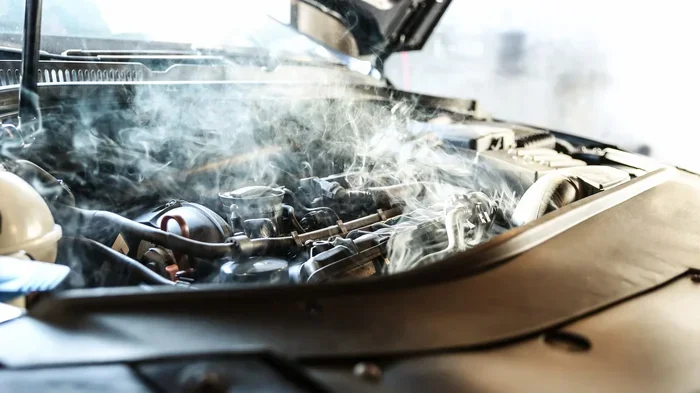
It happens to the best of us. You are driving along, minding your own business, and then you notice the temperature gauge climbing. Before you know it, steam is rising from the hood. You pull over, turn off the engine, and wait. But when you try to start the car again, nothing happens. Your car won’t start after overheating. It is a scary moment, and one that many drivers face every year.
The good news is that you are not alone, and this problem is often fixable. Whether the issue is a simple coolant leak or something more serious like a blown head gasket, understanding the root cause is the first step. This guide breaks down everything you need to know about why your car overheats and then refuses to start. We will cover the common causes, the signs to watch for, and the fixes you can try right now. Let us get into it.
Key Takeaways
- Engine overheating is the #1 reason a car won’t start afterward, and it can cause serious internal damage if ignored.
- Low coolant levels, a blown head gasket, and a faulty thermostat are the most common overheating causes.
- You can try simple fixes like checking coolant, inspecting the starter, and letting the engine cool before attempting to restart.
- Ignoring overheating symptoms can lead to costly engine repairs or even a complete engine replacement.
- Regular maintenance of your cooling system is the best way to prevent overheating and no-start problems.
- Knowing when to call a mechanic can save you money and keep you safe on the road.
📑 Table of Contents
- Why Does Your Car Won’t Start After Overheating?
- Common Causes of Overheating That Lead to a No-Start Condition
- How to Diagnose Why Your Car Won’t Start After Overheating
- Step-by-Step Fixes You Can Try Right Now
- When to Call a Professional Mechanic
- How to Prevent Overheating and No-Start Problems in the Future
- Key Takeaways
Why Does Your Car Won’t Start After Overheating?
When an engine overheats, it does not just stop. The heat can damage several critical parts inside the engine bay. Overheating affects the cooling system, the engine block, and even the electrical components that help your car start. Understanding how overheating causes a no-start condition helps you take the right action quickly.
Here is what happens inside your engine when temperatures spike too high. The metal parts expand from the heat. Gaskets can warp or blow. Coolant can boil and turn into steam. All of these things can interfere with the engine’s ability to turn over. Sometimes the damage is minor and easy to fix. Other times, it signals a much bigger problem that needs a mechanic’s attention.
How Overheating Damages Your Engine
Your engine runs best within a specific temperature range. When it goes above that range, bad things start to happen fast. The coolant boils and loses its ability to absorb heat. The head gasket, which sits between the engine block and the cylinder head, can fail under extreme heat. Once the head gasket blows, coolant can leak into the cylinders or oil passages. This creates a mess and can prevent the engine from starting at all.
Overheating can also warp the cylinder head or even crack the engine block. These are serious problems that require major engine repair. The longer you drive an overheating car, the worse the damage gets. That is why it is so important to pull over and shut off the engine the moment you notice overheating signs.
The Role of the Cooling System in Engine Start-Ups
Your cooling system does more than just keep the engine from getting too hot. It also plays a role in how well the engine starts. When the cooling system fails, the engine temperature rises, and that heat affects the battery, the starter motor, and the fuel system. In some cases, the extreme heat can cause the fuel to vaporize inside the lines, which is called vapor lock. This stops fuel from reaching the engine, and your car will not start.
A healthy cooling system keeps everything running at the right temperature. That includes the radiator, the water pump, the thermostat, and the hoses. If any one of these parts fails, the whole system suffers. And a suffering cooling system often leads to overheating, which can then lead to a car that won’t start.
Common Causes of Overheating That Lead to a No-Start Condition
Not all overheating problems are the same. Different causes lead to different symptoms, and knowing what went wrong helps you choose the right fix. Here are the most common reasons your car overheats and then refuses to start.
Low Coolant Levels
Coolant, also called antifreeze, is the lifeblood of your engine’s cooling system. When coolant levels drop too low, the engine cannot stay cool. This is the number one cause of overheating in most cars. Coolant can leak from the radiator, the hoses, the water pump, or the radiator cap. Even a small leak can cause big problems over time.
When the coolant runs low, the engine heats up fast. And as we mentioned above, extreme heat can damage the head gasket and other parts. That damage can then prevent the engine from starting. If you check your car and find the coolant reservoir empty, that is likely the culprit.
Blown Head Gasket
A blown head gasket is one of the most serious causes of a car that won’t start after overheating. The head gasket seals the connection between the engine block and the cylinder head. It keeps coolant and oil in their proper channels. When the gasket fails, coolant can leak into the combustion chambers or the oil system.
Signs of a blown head gasket include white smoke from the exhaust, a milky look under the oil cap, and bubbles in the coolant reservoir. If you notice any of these signs after your car overheated, the head gasket is likely the problem. This is a repair that usually requires a mechanic, but catching it early can save you from even worse engine damage.
Faulty Thermostat
The thermostat controls how much coolant flows through the engine. When the engine is cold, the thermostat stays closed to help the engine warm up quickly. When the engine gets hot, the thermostat opens to let coolant flow and cool things down. If the thermostat gets stuck closed, coolant cannot circulate, and the engine overheats.
A stuck thermostat is a relatively simple and cheap fix compared to a blown head gasket. But if you ignore it, the overheating can still cause serious damage. Replacing a thermostat is one of the first things a mechanic checks when diagnosing an overheating car that won’t start.
Water Pump Failure
The water pump is responsible for moving coolant through the engine and the radiator. Without a working water pump, the coolant just sits still, and the engine heats up fast. Water pump failure can happen from old age, a leaking seal, or a broken impeller.
Signs of a failing water pump include coolant leaks near the front of the engine, a whining noise, and steam coming from under the hood. If the water pump fails completely, the engine can overheat within minutes. And as we have seen, overheating can lead to a no-start condition.
Cracked or Damaged Radiator
The radiator releases heat from the coolant as it flows through the system. If the radiator is cracked or clogged, it cannot do its job. Coolant overheats, the engine overheats, and eventually the car may not start. Radiator problems can come from old age, road debris, or corrosion.
A damaged radiator is another common reason for overheating. Checking the radiator for leaks, cracks, or blockages is an important step in diagnosing why your car won’t start after overheating.
How to Diagnose Why Your Car Won’t Start After Overheating
Before you start throwing parts at the problem, take a step back and diagnose what is actually going wrong. A little detective work can save you time and money. Here is how to figure out what caused the no-start condition after overheating.
Check the Temperature Gauge and Warning Lights
Start by looking at the dashboard. Was the temperature gauge in the red zone before the car stopped? Did the check engine light come on? These are strong clues that overheating was the cause. If the temperature gauge was normal and the car still would not start, the problem might be unrelated to overheating.
Take note of any warning lights or unusual sounds before the car died. This information can help a mechanic diagnose the problem faster. Write it down or take a photo of the dashboard if you can.
Inspect the Coolant System
Open the hood and look at the coolant reservoir. Is the coolant level low? Is there a visible leak? Do you smell sweet antifreeze? A coolant leak is one of the easiest overheating causes to spot. Also, check the radiator hoses for cracks, swelling, or soft spots.
Be careful when you open the coolant cap. If the engine is still hot, pressurized coolant can spray out and burn you. Wait at least 30 minutes after the engine has cooled before you open anything.
Test the Battery and Starter Motor
Sometimes overheating damages the electrical system. The battery provides the power to start the engine, and the starter motor turns the engine over. If the battery is dead or the starter is faulty, the car will not start even if the engine is cool.
You can test the battery with a multimeter. A healthy battery should read around 12.6 volts when the engine is off. If it reads below 12 volts, the battery may be dead or weak. The starter motor is harder to test at home, but you can listen for a clicking sound when you turn the key. Clicking usually means the starter is failing.
Look for White Smoke or Coolant in the Oil
White smoke from the exhaust after the car overheated is a strong sign of a blown head gasket. You can also check the oil dipstick. If the oil looks milky or frothy, coolant has mixed with the oil. This is a serious problem that needs immediate attention.
Do not try to drive the car if you see white smoke or milky oil. Continuing to drive can cause even more engine damage. Call a tow truck and have the car taken to a repair shop.
Step-by-Step Fixes You Can Try Right Now
Once you know what might be causing the problem, you can start trying fixes. Some are simple enough to do at home, while others need a professional. Here are the steps to take when your car won’t start after overheating.
Step 1: Let the Engine Cool Completely
This is the most important first step. Wait at least 30 to 60 minutes before you do anything else. Opening a hot radiator system can cause burns and release hot steam. Give the engine plenty of time to cool down before you check anything.
While you wait, roll down the windows and turn on the heater to help the engine cool faster. Do not try to open the hood or touch any engine parts until the temperature gauge reads normal.
Step 2: Check and Refill the Coolant
Once the engine is cool, open the coolant reservoir and check the level. If it is low, add the right type of coolant for your car. You can also use a 50/50 mix of distilled water and antifreeze as a temporary fix.
After refilling, start the engine and watch the temperature gauge. If the gauge stays in the normal range, the low coolant was likely the cause. If the gauge climbs again, there is a leak or another problem that needs to be fixed.
Step 3: Inspect the Radiator Cap and Hoses
A faulty radiator cap can cause coolant to leak and pressure to drop. Check the cap for cracks or damage and replace it if needed. Also, squeeze the radiator hoses gently. They should feel firm but not hard or soft and squishy. Replace any hoses that look damaged or feel spongy.
Step 4: Check the Oil Level and Condition
Pull out the dipstick and look at the oil. It should be amber or brown and smooth. If it is dark, gritty, or looks milky, you have a problem. Milky oil means coolant has leaked into the oil system, which is a sign of a blown head gasket or a cracked engine block.
Low oil can also cause overheating. Oil lubricates the engine parts and helps carry away heat. If the oil level is low, add the right type of oil for your car and see if that helps.
Step 5: Try Jump-Starting the Battery
If the engine turns over but will not fire, the battery might be the issue. Overheating can drain the battery or damage the electrical connections. Try jump-starting the car with jumper cables or a portable jump starter.
If the car starts after a jump, the battery was likely the problem. Have the battery tested at an auto parts store. Most stores test batteries for free. If the battery is old or weak, replace it.
Quick Tips for Common Overheating No-Start Situations
- Never open the radiator cap when the engine is hot. Pressurized coolant can cause severe burns.
- Keep a spare bottle of coolant in your trunk. It can save you in a pinch.
- Turn the heater to full blast if the engine starts to overheat. This can help pull heat away from the engine temporarily.
- Do not keep restarting the car if it will not start. Each attempt drains the battery and can cause more damage.
- Keep a safe distance from steam or smoke coming from the hood. Hot steam can cause burns and eye injuries.
Common Mistakes to Avoid When Your Car Won’t Start After Overheating
When you are stressed and frustrated, it is easy to make mistakes. Here are the most common errors drivers make in this situation.
- Opening the radiator cap too soon. This is the number one mistake. Hot coolant under pressure can spray out and cause serious burns.
- Ignoring the problem and trying to drive the car. Driving an overheating car can turn a small repair into a massive engine replacement.
- Adding water instead of coolant as a permanent fix. Water works in a pinch, but it does not protect against freezing or boiling as well as coolant does.
- Skipping the diagnostic step and replacing parts randomly. This wastes money and time. Always diagnose first, then fix.
- Waiting too long to call a mechanic. Some overheating problems get worse fast. Early action saves money and prevents total engine failure.
When to Call a Professional Mechanic
Not every overheating problem can be fixed at home. Some issues need the skills and tools of a trained mechanic. Here are the signs that it is time to call for professional help.
Signs You Need a Mechanic Right Away
- The car overheats again shortly after you refill the coolant.
- You see white smoke coming from the exhaust.
- The oil looks milky or frothy.
- The engine makes knocking or pinging sounds.
- The car will not start at all, even after cooling down and refilling coolant.
- The check engine light stays on after the engine cools.
What to Expect at the Repair Shop
A mechanic will start by scanning the car for error codes with an OBD2 scanner. This tool reads the data from the car’s computer and can point to the exact problem. The mechanic will also check the cooling system for leaks, test the head gasket with a chemical test kit, and inspect the water pump and thermostat.
Overheating repair costs can vary widely. A new thermostat might cost $100 to $300. A water pump replacement can run $300 to $750. A head gasket repair is more expensive, often between $1,000 and $2,000. The cost depends on the car model, the extent of the damage, and the labor rates in your area.
Expert Insight: Why Early Action Matters
According to experienced automotive technicians, the biggest mistake drivers make is ignoring early overheating signs. “A car that overheats once and is fixed quickly might only need a $50 thermostat,” says one veteran mechanic. “But a car that keeps overheating for weeks can end up needing a $3,000 engine replacement.” The takeaway is clear. Do not ignore overheating. Address it immediately, and you will save a lot of money and headaches.
How to Prevent Overheating and No-Start Problems in the Future
The best fix is prevention. You can avoid the nightmare of a car that won’t start after overheating by taking a few simple steps. Regular maintenance keeps your cooling system healthy and your engine running smoothly.
Routine Cooling System Maintenance
- Check coolant levels monthly. Low coolant is the most common cause of overheating.
- Replace coolant on schedule. Most cars need a coolant flush every 30,000 to 50,000 miles.
- Inspect hoses and belts for cracks or wear. Replace any that look old or damaged.
- Test the thermostat regularly. A stuck thermostat can cause overheating without warning.
- Keep the radiator clean. Flush the radiator and remove any debris or bugs from the front grille.
Watch for Early Warning Signs
Your car gives you clues before a big problem happens. Pay attention to these early signs of overheating:
- The temperature gauge creeping into the yellow zone.
- Steam or smoke coming from under the hood.
- A sweet smell coming from the engine area.
- Coolant puddles under the car.
- The heater blowing hot air when it should not.
Spotting these signs early and taking action can prevent the engine from overheating to the point where it will not start again.
Comparison: Overheating Causes and Repair Costs
| Cause | Common Symptoms | Estimated Repair Cost |
|---|---|---|
| Low Coolant | Temperature gauge in red, steam from hood | $20 to $80 for coolant refill |
| Thermostat Failure | Gauge reads high, heater not working | $100 to $300 |
| Water Pump Failure | Coolant leak, whining noise, steam | $300 to $750 |
| Blown Head Gasket | White smoke, milky oil, bubbles in coolant | $1,000 to $2,000 |
| Radiator Leak | Puddle under car, coolant level drops | $150 to $500 |
| Starter Motor Damage | Clicking sound, no cranking | $200 to $600 |
As you can see, the cost of fixing an overheating problem varies a lot depending on the cause. The cheapest fix is refilling coolant. The most expensive is a head gasket or engine replacement. This is why it pays to catch overheating problems early and deal with them right away.
Key Takeaways
- Car overheating is the leading cause of a car that won’t start afterward, and it can damage the engine, head gasket, and electrical system.
- Common causes include low coolant, a blown head gasket, a faulty thermostat, water pump failure, and radiator problems.
- Always let the engine cool completely before you open the hood or check the coolant system.
- Simple fixes like refilling coolant, replacing the radiator cap, or jump-starting the battery can solve the problem in many cases.
- Signs like white smoke, milky oil, or a sweet smell mean you need a mechanic right away.
- Regular cooling system maintenance is the best way to prevent overheating and no-start problems in the future.
Dealing with a car that won’t start after overheating is stressful, but it is usually manageable if you act quickly and stay calm. The key is to understand what went wrong, check the obvious things first, and know when to call for help. Most overheating problems are fixable, especially when you catch them early. Whether it is a simple coolant refill or a head gasket replacement, the right fix gets you back on the road. Take care of your cooling system, watch for warning signs, and your engine will thank you for it.
Remember, overheating is not something you should ignore. Every time your car runs too hot, it risks serious and expensive damage. Stay proactive, keep up with maintenance, and you will avoid the frustration of a car that won’t start after overheating.
Frequently Asked Questions
Can a car overheat and then not start again?
Yes, this is a common problem. Overheating can damage the head gasket, warp engine parts, or cause vapor lock, all of which can prevent the engine from starting again. Let the car cool down completely and check the coolant level first.
How long should I wait before trying to start my car after it overheats?
Wait at least 30 to 60 minutes. The engine needs time to cool down to avoid burns and further damage. Do not try to open the radiator cap or touch hot engine parts until the temperature gauge reads normal.
Is it safe to drive a car that has overheated once?
It is not recommended. Driving an overheating car can make the damage worse. If the car overheated and stopped, have it towed to a repair shop. Continuing to drive can lead to a blown head gasket or a cracked engine block.
What does white smoke from the exhaust mean after overheating?
White smoke usually means coolant is leaking into the combustion chambers. This is a strong sign of a blown head gasket. You should have a mechanic inspect the car as soon as possible to prevent more engine damage.
How much does it cost to fix a car that won’t start after overheating?
The cost depends on the cause. A simple coolant refill might cost less than $50. A thermostat replacement runs $100 to $300. A head gasket repair can cost $1,000 to $2,000. Always get a diagnosis first to know the exact cost.
Can low coolant cause a car not to start?
Low coolant alone usually does not prevent starting. But if the engine overheats due to low coolant, it can damage the head gasket or other parts, which then prevents the car from starting. Always keep coolant at the proper level to avoid overheating.
=== CONCLUSION ===
A car that won’t start after overheating is a problem you can solve. The key is to stay calm, check the cooling system first, and understand what caused the overheating in the first place. Whether it was low coolant, a blown head gasket, a faulty thermostat, or a damaged water pump, each cause has a fix. The sooner you address the problem, the less damage you will have to deal with. Use the steps in this guide to diagnose and fix the issue, and remember that regular maintenance is your best defense against overheating in the future. Take action today, and your car will run better and last longer.