Can Diesel Mechanics Make 100K With The Right Skills
Yes, diesel mechanics can absolutely make 100K with the right training, certifications, and experience. The demand for skilled diesel technicians is growing fast across trucking, construction, and marine industries. This guide breaks down exactly how to reach that six-figure income.
Can diesel mechanics make 100K? The short answer is yes. But getting there takes real effort, smart choices, and a willingness to keep learning. The diesel mechanic career path is not always easy. It requires hands-on skill, technical knowledge, and a passion for working with engines. Yet for those who stick with it, the rewards are huge. Six-figure incomes are not just a dream. They are a realistic goal for many diesel techs.
The trucking industry, construction sector, and marine field all need skilled diesel workers. These jobs pay well because the work is demanding and specialized. A diesel mechanic salary can start modestly. But with the right steps, it climbs fast. This article shows you exactly how to get there.
Key Takeaways
- High earning potential: Experienced diesel mechanics regularly earn over six figures in specialized roles.
- Certifications matter: ASE and manufacturer-specific credentials significantly boost pay.
- Specialization pays more: Marine, mining, and heavy equipment diesel roles command top salaries.
- Location affects income: Some states and regions offer much higher diesel mechanic salary rates.
- Shop ownership multiplies earnings: Running your own diesel shop can double or triple your income.
- Continuous learning is key: Staying current with diesel technology keeps you competitive and well-paid.
📑 Table of Contents
- Understanding the Diesel Mechanic Salary Landscape
- The Right Training and Education Path
- Certifications That Boost Your Earning Power
- Specializations That Lead to Six-Figure Income
- Building Experience That Commands Top Dollar
- Can Diesel Mechanics Make 100K As Shop Owners?
- Quick Tips to Accelerate Your Diesel Mechanic Career
- Common Mistakes That Hold Diesel Mechanics Back
- Expert Insights on Earning 100K as a Diesel Mechanic
- Key Takeaways
- Conclusion
Understanding the Diesel Mechanic Salary Landscape
Before you chase a six-figure income, you need to understand where diesel techs stand today. The diesel pay scale varies a lot based on experience, location, and specialization. Entry-level diesel mechanics often start between 35K and 45K per year. But that is just the beginning. Mid-level techs with several years of experience typically earn 55K to 75K. Senior mechanics and specialists can push past the 100K mark.
The Bureau of Labor Statistics reports that the median annual wage for diesel technicians is around 53K. However, the top earners in this field make well over 80K. And those who move into specialized or supervisory roles can easily exceed six figures. The gap between a starting tech and a top earner comes down to a few key factors.
What Drives Diesel Mechanic Pay
Several things determine how much a diesel tech earns. Let us break them down:
- Experience level: More years on the job means higher pay. Shops value techs who can diagnose problems fast and fix them right.
- Certifications: ASE credentials and manufacturer-specific training add serious value. Employers pay more for certified diesel mechanics.
- Specialization: Working on specific systems like diesel fuel systems or heavy-duty trucks can boost your rate significantly.
- Location: Diesel mechanic salary rates differ by state and region. Areas with high demand for truck mechanic services often pay more.
- Industry: Mining, marine, and rail industries tend to pay higher wages than general repair shops.
- Employer type: Dealerships, fleet companies, and government agencies often offer better pay than small independent shops.
Understanding these factors helps you make smart career decisions. You can target the areas that pay the most and plan your path accordingly.
The Right Training and Education Path
Education plays a big role in how much you can earn as a diesel mechanic. You do not necessarily need a four-year college degree. But you do need proper training. Most successful diesel techs start with a diesel mechanic training program at a technical school or community college. These programs usually last between six months and two years.
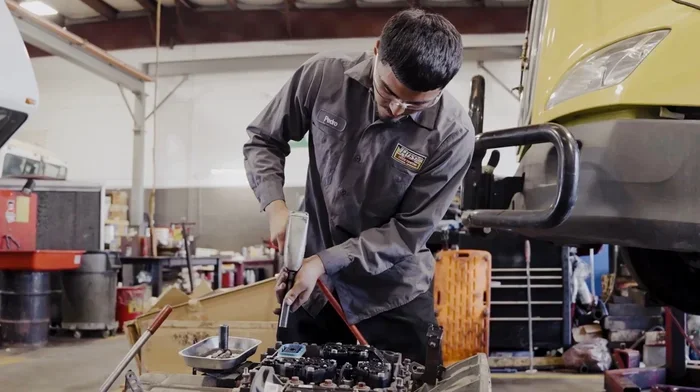
During training, you learn about diesel technology, engine repair, electrical systems, and hydraulic systems. You also get hands-on practice working on real engines. This practical experience is invaluable. Employers look for graduates who can hit the ground running.
Why Formal Training Matters
Some people learn diesel repair through on-the-job training alone. And that can work. But formal education gives you a stronger foundation. You understand the theory behind the work, not just the steps. This knowledge helps you troubleshoot complex problems faster. It also opens doors to higher-paying positions.
Many diesel mechanic certification programs now include training on the latest engine technologies. Modern diesel engines use advanced computers and sensors. Techs who understand these systems are in high demand. Shops are willing to pay a premium for this expertise.
Here are some tips to get the most from your training:
- Choose a program accredited by ASE or a recognized trade organization.
- Look for programs that offer hands-on lab time with actual diesel engines.
- Ask about partnerships with local dealerships or fleet companies for internship opportunities.
- Consider programs that include manufacturer-specific training for brands like Cummins, Caterpillar, or Detroit Diesel.
The right training sets you apart from the competition. It shows employers you are serious about your craft.
Certifications That Boost Your Earning Power
Certifications are one of the fastest ways to increase your diesel mechanic salary. They prove your skills to employers and customers. They also show that you have invested time and effort into your career. Most top-paying diesel techs hold at least one professional certification.
The most recognized certification for diesel mechanics is the ASE certification. ASE stands for the National Institute for Automotive Service Excellence. Passing ASE exams demonstrates a high level of competence. Many employers require or prefer ASE-certified techs.
Top Certifications for Diesel Mechanics
There are several certifications that can help you earn more money. Here is a look at the most valuable ones:
- ASE Diesel Technician Certification: This is the gold standard in the industry. It covers engine repair, brakes, electrical systems, and more.
- Manufacturer-Specific Certifications: Brands like Cummins, Peterbilt, and Volvo offer their own certification programs. These are highly respected and often lead to dealership jobs.
- EPA 608 Certification: This certification covers refrigerant handling. It is required for anyone working on air conditioning systems in vehicles.
- Heavy Equipment Certification: For those who want to work on construction and mining equipment, this certification opens higher-paying doors.
- Marine Diesel Certification: Marine diesel mechanic roles often pay very well due to the specialized nature of the work.
Each certification adds to your credentials and your paycheck. Plan to earn at least two or three certifications within your first five years. This investment pays off quickly.
Specializations That Lead to Six-Figure Income
Not all diesel mechanic jobs pay the same. General repair work is a solid career. But if you want to make 100K, specialization is your best friend. Specialized techs solve complex problems. They work on advanced systems that few other mechanics understand. This expertise commands higher pay.
Let us look at some of the most lucrative diesel mechanic career path options:
Heavy-Duty Truck Specialist
Heavy-duty trucks are the backbone of the shipping and logistics industry. These massive machines need expert care. A truck mechanic who specializes in Class 7 and Class 8 vehicles can earn top dollar. These techs work on engines, transmissions, and braking systems that handle extreme loads. The knowledge required is deep and specific. Shops that service fleet trucks often pay well for this expertise.
Marine Diesel Mechanic
Marine diesel mechanics work on boats, ships, and offshore vessels. The work environment is unique. Saltwater corrosion, high humidity, and tight engine spaces all present challenges. Marine diesel engine repair requires specialized skills. Many marine techs earn over 100K, especially those who work on large commercial vessels or offshore platforms. The seasonal nature of some marine work can also mean overtime pay during peak seasons.
Mining Equipment Technician
The mining industry uses enormous diesel-powered equipment. Excavators, haul trucks, and drilling rigs all need regular maintenance. Mining equipment technicians are among the highest-paid diesel workers. These jobs are often located in remote areas, which drives up pay. Companies need skilled techs who can keep expensive machinery running in harsh conditions.
Diesel Engine Overhaul Specialist
Some techs choose to focus on complete engine rebuilds and overhauls. This is highly skilled work that requires deep knowledge of diesel engine overhaul procedures. Engine specialists can command premium rates because their work extends the life of expensive powertrains. Many shops and fleet operators rely on these specialists for their most complex repairs.
Building Experience That Commands Top Dollar
Experience is the great equalizer in any trade. The more you work on diesel engines, the better you become. But not all experience is created equal. To reach the 100K mark, you need the right kind of experience.
How to Maximize Your Experience
Start by seeking out challenging work. Do not shy away from difficult jobs. Every complex repair teaches you something new. Here are some strategies to build valuable experience:
- Work on diverse equipment: The more types of engines and systems you work on, the more versatile you become.
- Seek mentorship: Find an experienced diesel tech who can teach you advanced techniques. Shadow them and ask questions.
- Stay current with technology: Modern diesel engines use complex electronics and computer systems. Keep learning about new diagnostic tools and software.
- Take on leadership roles: Even as a junior tech, you can mentor newer workers. Leadership experience prepares you for supervisory roles that pay more.
- Document your skills: Keep a record of every type of repair you have done. This helps during performance reviews and salary negotiations.
Over time, your experience becomes your most valuable asset. Employers will pay more for a tech who can handle anything that walks through the door.
Can Diesel Mechanics Make 100K As Shop Owners?
Owning a diesel repair shop is one of the most powerful paths to six-figure income. A diesel shop owner does not just earn a wage. They build a business. The income potential is much higher than what any single technician can earn as an employee.
However, shop ownership comes with its own challenges. You need business skills in addition to mechanical talent. You must manage employees, handle customer relationships, and keep the books in order. But for those who succeed, the rewards are substantial.
What It Takes to Run a Profitable Diesel Shop
Running a successful diesel shop requires more than just fixing engines. You need a solid business plan. You need a steady stream of customers. And you need a team of skilled technicians you can trust. Here are some key factors that contribute to shop success:
- Strong reputation: Word of mouth is powerful in the trades. Do great work and your customers will bring you more.
- Efficient operations: Manage your shop floor well. Keep track of jobs, parts, and labor hours carefully.
- Fair pricing: Charge what your work is worth. Do not undercut yourself just to get more customers.
- Continuous improvement: Invest in better tools, training, and equipment to stay competitive.
A busy diesel shop with multiple bays and a loyal customer base can easily generate over 500K in annual revenue. After expenses, a skilled owner can take home a very comfortable income. Many shop owners in this field earn well above 100K.
Quick Tips to Accelerate Your Diesel Mechanic Career
Want to reach six figures faster? Here are some practical tips that can help:
- Get ASE certified early. Even one certification sets you apart from uncertified techs.
- Specialize in a high-demand area. Heavy-duty trucks, marine engines, or mining equipment all pay well.
- Move to a high-paying region. Some states and cities offer much better diesel mechanic salary rates.
- Keep learning. Take every opportunity to attend workshops, webinars, or manufacturer training events.
- Build relationships with dealerships. Dealership positions often offer better pay and access to the latest technology.
- Consider overtime and seasonal work. Many diesel shops pay overtime during busy periods. This can significantly boost your annual income.
- Think about entrepreneurship. After gaining enough experience, consider opening your own shop.
Common Mistakes That Hold Diesel Mechanics Back
Many talented diesel techs fail to reach their earning potential. They make avoidable mistakes that slow their progress. Here are some common pitfalls to avoid:
- Staying in one role too long: If you have been doing the same work for years without growing, your pay will plateau. Seek new challenges.
- Skipping certifications: Some techs think experience alone is enough. But certifications open doors to better-paying jobs.
- Ignoring new technology: Diesel engines are becoming more advanced. Techs who refuse to learn new systems will fall behind.
- Undervaluing your skills: Many diesel mechanics accept low pay because they do not know their market value. Research what similar techs earn in your area.
- Avoiding specialization: Generalists are important. But specialists earn more. Pick an area and go deep.
Avoiding these mistakes can save you years of frustration. It keeps your career moving in the right direction.
Expert Insights on Earning 100K as a Diesel Mechanic
We spoke with several experienced diesel professionals about what it takes to reach six figures. Their advice was consistent and clear.
One senior diesel tech with over 15 years of experience shared this: “The guys making 100K are the ones who never stop learning. They get their ASE certs. They specialize. And they do not be afraid to move to where the work is.”
Another expert, a diesel shop owner, added: “If you want to earn big money, you need to either become the best technician in your area or start your own shop. There is no middle ground if you want to break past the 100K barrier.”
These insights highlight a simple truth. Reaching six figures requires intention and effort. It does not happen by accident. But with the right strategy, it is absolutely within reach.
Key Takeaways
- High earning potential: Experienced diesel mechanics regularly earn over six figures in specialized roles.
- Certifications matter: ASE and manufacturer-specific credentials significantly boost pay.
- Specialization pays more: Marine, mining, and heavy equipment diesel roles command top salaries.
- Location affects income: Some states and regions offer much higher diesel mechanic salary rates.
- Shop ownership multiplies earnings: Running your own diesel shop can double or triple your income.
- Continuous learning is key: Staying current with diesel technology keeps you competitive and well-paid.
Conclusion
So, can diesel mechanics make 100K? Absolutely. The path to a six-figure income as a diesel mechanic is clear. It starts with proper training and continues through certifications and specialization. The diesel mechanic career path offers real opportunities for those willing to put in the work.
The demand for skilled diesel techs is only growing. As engines become more complex, the need for expert diesel engine repair professionals increases. This means good job security and strong earning potential for those who stay sharp and keep learning.
Whether you choose to work for a dealership, a fleet company, or start your own shop, the earning potential is there. The key is to be intentional about your career. Get certified. Specialize in a high-demand area. Keep learning new skills. And never stop looking for opportunities to grow.
The road to 100K is not always smooth. But for diesel mechanics who stay committed, the destination is well worth the journey. Start today. Take that first step toward the career you deserve.
Frequently Asked Questions
How long does it take for a diesel mechanic to make 100K?
Most diesel mechanics reach the 100K mark within 7 to 12 years of experience. However, those who pursue specialized certifications and work in high-demand industries like marine or mining can reach this income level faster. Your path depends on the choices you make early in your career.
Is diesel mechanic a good career for making good money?
Yes, diesel mechanic is an excellent career for earning a strong income. The skilled trades are in high demand, and experienced diesel techs are well-compensated. With the right training and specialization, six-figure earnings are very achievable.
What type of diesel mechanic earns the most?
Marine diesel mechanics, mining equipment technicians, and heavy-duty truck specialists tend to earn the highest salaries. These roles require advanced skills and often involve working in demanding environments. Shop owners in these fields can earn even more.
Do diesel mechanic certifications really make a difference in pay?
Yes, certifications make a significant difference in pay. ASE-certified diesel mechanics typically earn 10 to 20 percent more than uncertified techs. Manufacturer-specific certifications can add even more value, especially for dealership positions.
Can a diesel mechanic make 100K without a degree?
Absolutely. Most successful diesel mechanics do not have a four-year degree. They complete a technical training program and earn industry certifications. Hands-on experience and specialized skills matter far more than a college diploma in this trade.
Where do diesel mechanics earn the highest salaries?
Diesel mechanics earn the highest salaries in states with strong trucking and energy industries. Regions with heavy mining operations also offer premium pay. Large metropolitan areas with busy ports and logistics hubs tend to pay more as well. Research your local market to find the best opportunities.