Car Window UV Protection Film Protects Your Car Interior
Car window UV protection film is one of the best ways to protect your car interior from sun damage. It blocks harmful rays, reduces heat, and keeps your dashboard and seats looking new for years. This guide covers everything you need to know about choosing, installing, and maintaining car window UV protection film for long-lasting results.
Every day, the sun beats down on your car. You park it outside. You drive with the windows cracked. You think the glass keeps you safe. But here is the truth. Standard car glass lets in a surprising amount of UV radiation. Over time, this radiation causes serious damage. Your dashboard fades. Your seats crack. Your steering wheel feels like sandpaper. The good news is that car window UV protection film solves all of these problems. It is a simple, affordable upgrade that makes a huge difference. In this article, we will explore everything you need to know about UV protection film for car windows. By the end, you will understand why this small investment pays off big time.
If you have ever stepped into a hot car and felt that burning steering wheel, you already know the problem. The sun heats up your car interior like a greenhouse. But heat is not the only issue. Invisible ultraviolet rays cause most of the long-term damage. They break down materials. They discolor surfaces. They weaken plastics and fabrics. A good car window UV protection film blocks these rays before they ever reach your interior. It also reduces glare, improves privacy, and adds a layer of safety. Let us dive deeper into why this matters so much.
Key Takeaways
- UV protection film blocks up to 99% of harmful UV rays, preventing interior fading and cracking.
- It significantly reduces cabin heat, making your car cooler and more comfortable in summer.
- Multiple types of film are available, including dyed, metallic, ceramic, and carbon options.
- Proper installation matters, and DIY mistakes can lead to bubbles, peeling, and poor performance.
- Maintenance is simple, but using the wrong cleaners can damage the film over time.
- UV protection film also protects your skin, reducing exposure during daily driving.
- Investing in quality film saves money by extending the life of your car interior.
📑 Table of Contents
- Why Car Window UV Protection Film Matters
- How Car Window UV Protection Film Works
- Benefits of Installing UV Protection Film
- Types of Car Window UV Protection Film Available
- How to Choose the Right Film for Your Vehicle
- Installation Tips and Maintenance Guide
- Final Thoughts on Car Window UV Protection Film
Why Car Window UV Protection Film Matters
Most car owners do not think about sun damage until they see the damage. By then, it is too late. The dashboard is cracked. The leather seats have faded unevenly. The vinyl trim feels brittle. This kind of deterioration happens slowly. It happens every single day you drive without protection. Car window UV protection film acts as a shield. It stops the damage before it starts. Think of it like sunscreen for your car. Just as you protect your skin, you should protect your car interior.
The Hidden Danger of UV Rays
Ultraviolet rays are invisible. You cannot see them. But they are always there on sunny days. They penetrate through glass and hit every surface inside your car. Over months and years, this adds up fast. The American Skin Association warns that UV exposure through car windows can cause skin damage over time. Your car interior faces the same problem. Dashboards made of PVC and vinyl are especially vulnerable. They discolor and warp when exposed to prolonged sunlight. UV protection for car windows is the most effective way to prevent this.
Here is a quick look at what UV rays do inside your car:
- Dashboard and console fading — The center console turns white or bleached out.
- Seat material degradation — Leather and fabric lose their color and texture.
- Steering wheel damage — It becomes hard, cracked, and uncomfortable to touch.
- Cracking and peeling of trim — Plastic pieces start to flake apart.
- Carpet and upholstery staining — Sun bleaching creates uneven patches.
All of this damage is preventable. A quality car window UV protection film blocks the majority of these rays. It keeps your interior looking newer, longer. The return on investment is excellent. You avoid costly repairs and replacements. More importantly, your car retains its value better.
How Car Window UV Protection Film Works
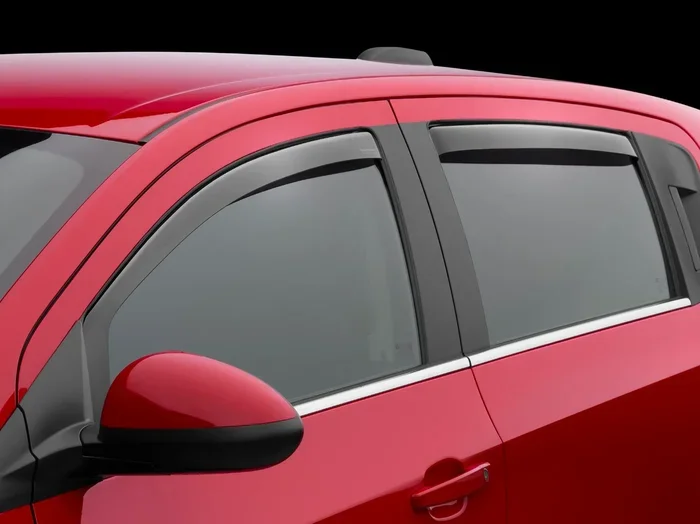
Understanding how window UV film works helps you appreciate its value. The film is a thin, multi-layered material applied directly to your car windows. It uses advanced technology to filter out harmful light. Not all light is blocked. The film is designed to be selective. It targets specific wavelengths of light that cause the most damage.
The Science Behind UV Rejection
Most UV protection window film products reject up to 99 percent of ultraviolet rays. They do this using special dyes, metals, or ceramic particles embedded in the film. These materials absorb or reflect UV radiation. The radiation never passes through to your interior. At the same time, the film allows visible light to pass through. This means your car stays bright and open. You do not lose visibility. You just lose the damaging rays.
Here is how the process works step by step:
- Sunlight hits the window. The film is already in place on the glass surface.
- The film layers absorb UV rays. Special particles within the film capture the harmful energy.
- Infrared heat is also rejected. Many films block heat-producing infrared light as well.
- Visible light passes through. Your car interior stays well-lit and clear.
- Your dashboard, seats, and trim stay protected. The damage cycle is broken.
This is why car window UV protection film is so effective. It works silently in the background. You do not have to think about it. It just does its job every time you drive.
Heat Rejection and Cabin Cooling
One of the biggest benefits of UV protection film for car windows is heat rejection. A good quality film can reject up to 70 percent of solar heat. This is a game changer. Your car stays much cooler on hot days. You spend less time blasting the air conditioning. That saves fuel too. The cabin becomes more comfortable for everyone. Passengers, pets, and even your electronic devices all benefit from lower temperatures inside the car.
Benefits of Installing UV Protection Film
The advantages of installing car window UV protection film go far beyond just blocking rays. Let us look at the full range of benefits. Each one adds real value to your daily driving experience.
1. Preserves Your Car Interior
This is the number one reason people install UV window film for cars. It preserves the look and feel of your interior. Your dashboard stays smooth. Your seats keep their color. Your trim pieces do not crack or peel. Over a five-year period, the difference is dramatic. Cars without film show significant wear. Cars with film look almost new by comparison.
2. Protects Your Skin
Did you know that the left side of your body gets more sun exposure while driving? Studies show that drivers experience more skin aging and sun damage on their left side. Car window UV protection film reduces this exposure significantly. It blocks the rays that pass through your side and rear windows. This is especially important for people who spend a lot of time behind the wheel. Long-haul truck drivers, delivery workers, and commuters all benefit greatly.
3. Reduces Glare for Safer Driving
Sun glare is a real safety hazard. It blinds you during golden hour. It makes it hard to see the road ahead. UV protection window film reduces glare without making your windows too dark. You can see clearly. You drive more safely. Your eyes stay comfortable during long trips.
4. Improves Fuel Efficiency
When your car interior stays cooler, you use less air conditioning. Less AC means less engine load. Less engine load means better fuel economy. It is a small improvement, but it adds up over time. Drivers who install car window UV protection film often notice a slight but steady improvement in gas mileage.
5. Adds an Extra Layer of Safety
Most window UV protection films also hold glass together if it breaks. In the event of an accident or impact, the film keeps shattered glass from scattering. This reduces the risk of injury from flying glass shards. It is an added safety benefit that many people overlook.
6. Enhances Privacy
A darker window film gives you more privacy. People cannot see into your car easily. This protects your belongings. It also reduces the temptation for break-ins. You park with more confidence knowing your valuables are less visible.
Types of Car Window UV Protection Film Available
Not all car window UV protection film products are the same. There are several types on the market. Each has its own strengths and weaknesses. Understanding the differences helps you make the best choice for your needs and budget.
Dyed Window Film
Dyed film is the most affordable option. It uses layers of dye to absorb heat and block UV rays. It works well for basic UV protection. However, dyed film tends to fade over time. It may turn purple after a few years. It also offers less heat rejection than other options. If you are on a tight budget, dyed film is a decent starting point.
Metallic Window Film
Metallic film contains tiny metal particles that reflect heat and UV radiation. It offers better performance than dyed film. It also has a sleek, shiny appearance. However, metallic film can interfere with electronic signals. It may block GPS, phone signals, and toll transponder readings. This is an important consideration for many drivers.
Carbon Window Film
Carbon film uses carbon particles to block heat and UV rays. It does not fade over time. It has a matte, non-reflective finish that many car owners prefer. Carbon UV protection film offers excellent heat rejection without signal interference. It is a popular middle-ground option that balances performance and price.
Ceramic Window Film
Ceramic film is the premium option. It uses nano-scale ceramic particles to block heat and UV radiation. It offers the highest level of UV rejection available. It does not interfere with electronics. It does not fade or change color. Ceramic window UV protection film is the best choice for long-term performance. It costs more upfront, but it lasts longer and performs better.
| Film Type | UV Rejection | Heat Rejection | Signal Interference | Durability | Price Range |
|---|---|---|---|---|---|
| Dyed | Good | Moderate | None | Lower | Budget |
| Metallic | Very Good | High | Yes | Moderate | Mid-Range |
| Carbon | Excellent | High | None | High | Mid-Range |
| Ceramic | Excellent | Very High | None | Highest | Premium |
Choosing the right car window UV protection film depends on your priorities. If you want the best performance, go with ceramic. If you want a balance of cost and quality, carbon is a great choice. Avoid cheap dyed films if you want long-lasting results.
How to Choose the Right Film for Your Vehicle
Selecting the right UV protection film for car windows requires some thought. Not every film works for every car. You need to consider your climate, your driving habits, and your local laws. Let us walk through the key factors.
Check Your Local Tint Laws
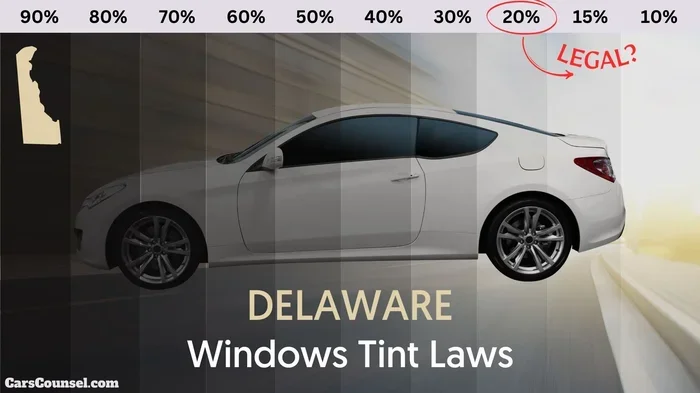
Every state and country has different laws about how dark window film can be. Some areas restrict the front side windows. Others limit the percentage of light that can pass through. Before you buy any car window UV protection film, check your local regulations. You do not want to get pulled over or fined. Look up the legal visible light transmission limits for your area. Choose a film that complies with those limits.
Consider Your Climate
Where you live matters a lot. If you live in a hot, sunny climate, you need maximum heat rejection. Ceramic or carbon film works best in these conditions. If you live in a cooler climate, you may prioritize UV protection over heat rejection. Dyed or carbon films may be sufficient. Think about what problem you want to solve most.
Think About Your Driving Habits
Do you drive long commutes every day? Do you park outdoors or in a garage? If you spend hours driving with the sun beating through your windows, invest in high-quality window UV protection film. Long-term exposure causes cumulative damage. The better the film, the more protection you get over the years.
Set a Realistic Budget
Professional installation costs more than DIY kits. But professional work delivers better results. The film adheres more smoothly. There are fewer bubbles and wrinkles. It lasts longer. If you are handy and patient, a DIY kit can save you money. But for the best results, consider paying a professional to install your car window UV protection film.
Read Reviews and Compare Brands
Not all film brands are created equal. Some are known for durability. Others excel at UV rejection. Read reviews from real car owners. Look for brands with strong warranties. A good warranty shows the manufacturer stands behind their product. Brands like 3M, Llumar, and SunTek are well respected in the industry. Do your homework before you buy.
Installation Tips and Maintenance Guide
Getting the most out of your car window UV protection film depends on proper installation and care. A poorly installed film bubbles, peels, and looks terrible. A well-maintained film lasts for years. Here is everything you need to know.
DIY vs. Professional Installation
You can install UV protection window film yourself. DIY kits are widely available and affordable. But installation is tricky. You need a dust-free environment. You need the right tools and cleaning solutions. You need patience and steady hands. Many first-time DIYers end up with bubbles and misaligned edges. If you are not experienced, professional installation is the safer choice.
Professional installers have the experience and equipment to do it right. They use climate-controlled rooms. They use premium application solutions. They know how to avoid common mistakes. The result is a smooth, bubble-free finish that looks great and performs well.
Common Installation Mistakes to Avoid
- Installing in direct sunlight. The film dries too fast and you cannot reposition it.
- Skipping the cleaning step. Dust and debris under the film cause bumps and bubbles.
- Cutting the film too small. Leave a small margin around the edges for a clean fit.
- Using the wrong squeegee. A soft squeegee prevents scratching the film surface.
- Not letting the film cure properly. Give it at least 48 hours before rolling down the windows.
How to Maintain Your UV Protection Film
Once your car window UV protection film is installed, maintenance is easy. Follow these simple tips to keep it looking great:
- Wait at least 30 days before cleaning the windows. Let the film fully cure first.
- Use a soft microfiber cloth. Avoid abrasive materials that can scratch the surface.
- Choose ammonia-free cleaners. Ammonia breaks down the film adhesive over time.
- Wipe gently. Do not scrub aggressively. Gentle pressure is all you need.
- Avoid high-pressure car washes. The force can peel the edges of the film.
With proper care, quality car window UV protection film lasts 5 to 10 years or more. Some premium films come with warranties of 10 years or longer. Check the warranty details before you purchase. A strong warranty gives you peace of mind and protects your investment.
When to Replace Your UV Protection Film
Over time, even the best film shows signs of wear. You may notice bubbling, peeling, or discoloration. The film may start to separate from the glass. If you see these issues, it is time for a replacement. Replacing the film is much cheaper than replacing a damaged interior. Stay on top of it and your car stays protected.
Final Thoughts on Car Window UV Protection Film
Car window UV protection film is one of the smartest upgrades you can make for your vehicle. It protects your interior from sun damage. It keeps your cabin cooler. It shields your skin from harmful rays. It adds safety, privacy, and comfort. The benefits are clear and the cost is reasonable. Whether you choose a budget-friendly dyed film or a premium ceramic option, you are making a smart investment in your car’s longevity.
Do not wait until the damage is done. Your dashboard is already showing signs of wear. Your seats are already fading. Every sunny day without protection makes the problem worse. Take action today. Install UV protection film for car windows and enjoy a cooler, safer, better-looking interior for years to come. Your car will thank you every time you get behind the wheel.
Start by researching the best car window UV protection film options for your vehicle. Compare types, read reviews, and find a trusted installer. This small step makes a massive difference. Protect your car. Protect your investment. Protect yourself. Car window UV protection film is the answer.
Frequently Asked Questions
How long does car window UV protection film last?
Most quality films last between 5 and 10 years with proper care. Premium ceramic films can last even longer. The lifespan depends on the film type, installation quality, and how well you maintain it. Always check the manufacturer’s warranty for specific details.
Can I install UV protection film myself?
Yes, you can install it yourself using a DIY kit. However, professional installation delivers better results with fewer bubbles and wrinkles. If you are new to window film, consider hiring a professional for your first installation. It saves time and frustration.
Does UV protection film darken my car windows?
Some films do darken the windows, but many clear or nearly clear options are available. These clear films block UV rays without significantly changing the appearance of your windows. Check the visible light transmission percentage before you buy.
Is car window UV protection film legal everywhere?
Tint laws vary by location. Some areas restrict how dark the film can be, especially on front side windows. Always check your local regulations before purchasing and installing any film. Choosing a legal film keeps you safe from fines.
Does UV film block heat from the car?
Yes, most car window UV protection film also blocks a significant amount of solar heat. Ceramic and carbon films offer the best heat rejection. This keeps your car interior cooler and reduces your reliance on air conditioning.
How much does it cost to install UV protection film?
Costs vary depending on the film type and your vehicle size. DIY kits start around $20 to $50 per window. Professional installation ranges from $100 to $400 for the entire car. Premium ceramic films cost more but offer the best long-term performance.
=== CONCLUSION ===
Car window UV protection film is a simple yet powerful way to protect your car interior from sun damage. It blocks harmful UV rays, reduces cabin heat, and preserves the look and value of your vehicle. With so many film types available, there is an option for every budget and every need. Whether you choose DIY or professional installation, the results speak for themselves. Take the step today and give your car the protection it deserves. Your future self will thank you when your interior still looks great years from now.