Why Car Window Tint Film Is a Game Changer for Your Ride
Car window tint film is one of the simplest and most effective upgrades you can make to your vehicle. It blocks harmful UV rays, reduces heat, cuts glare, and adds privacy. This guide covers everything you need to know about car window tint film, from types and benefits to installation tips. You will learn how to choose the right tint and avoid common mistakes. Read on to discover why car window tint film is worth every penny.
Car window tint film is one of the simplest and most effective upgrades you can make to your vehicle. Whether you want to stay cooler in summer, protect your skin, or add a sleek look to your car, window tint film delivers. In this guide, we will walk you through everything you need to know about car window tint film. You will learn about the benefits, the different types available, and how to choose the right one for your ride.
More drivers than ever are choosing window tinting for their cars. And it is easy to see why. The right car window film can transform your daily driving experience. It offers real, practical advantages that go far beyond looks. Let us dive into the world of tinted windows and explore what makes car window tint film such a smart investment.
Installing car window tint film is not just about style. It is about protection, comfort, and safety. The sun emits harmful UV rays that can damage your skin and fade your car’s interior. Glare from the sun and other vehicles can make driving dangerous. Heat rejection technology in modern tint films solves all of these problems and more. Let us break down the top benefits of car window tint film.
Key Takeaways
- UV Protection: Car window tint film blocks up to 99% of harmful UV rays, protecting your skin and your car’s interior.
- Heat Rejection: Quality tint film can reduce cabin heat by up to 70%, making your drive more comfortable.
- Glare Reduction: Tinted windows cut down on sun and headlight glare, improving driving safety.
- Privacy and Security: Darker tints keep prying eyes out and deter potential thieves.
- Interior Preservation: Window film helps prevent faded upholstery and cracked dashboards caused by sun exposure.
- Multiple Options: Ceramic, carbon, dyed, and metallic tints offer different benefits for different needs and budgets.
📑 Table of Contents
What Is Car Window Tint Film and Why Does It Matter?
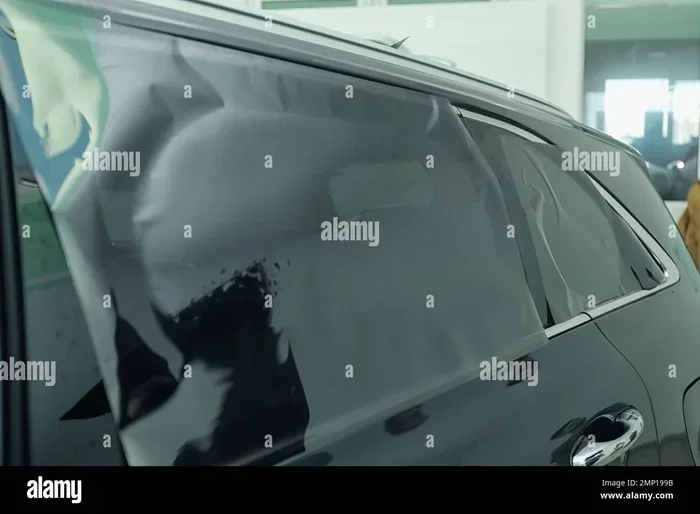
Car window tint film is a thin, multilayer laminate applied to the interior surface of your vehicle’s glass. It is made from durable polyester and coated with various materials that give it unique properties. The film acts as a shield between your car’s interior and the outside environment.
What Exactly Is Window Tint Film?
Window tinting involves applying a transparent or semi-transparent film to your car’s windows. The film contains layers that filter out specific wavelengths of light. This means it can block UV radiation, reduce solar heat, and minimize glare without completely darkening your view. Auto tint technology has come a long way. Modern films are virtually invisible yet incredibly effective.
The tint percentage refers to how much light the film allows through. A 5% tint is very dark and lets in only 5% of visible light. A 70% tint is nearly clear. Different states have different window tint laws, so it is important to check your local regulations before purchasing.
Why More Drivers Are Choosing Tinted Windows
Tinted windows are no longer just for luxury cars or celebrities. Everyday drivers are discovering the real benefits of car window tint film. Here are some reasons why window tinting has become so popular:
- Affordability: Tinting is one of the most cost-effective car upgrades available.
- Quick Installation: Most installations take less than two hours for a full car.
- Immediate Results: You will notice the difference right after installation.
- Low Maintenance: Tint film requires very little upkeep. Just wash it like your regular windows.
- Long Lifespan: Quality films can last 5 to 10 years with proper care.
The growing awareness of UV protection has also driven demand. People now understand that sun exposure is not just a skin concern. It also damages your car’s interior over time. Car window tint film addresses both of these concerns at once.
The Top Benefits of Car Window Tint Film
The benefits of car window tint film go well beyond aesthetics. Let us explore each advantage in detail so you understand exactly what you are getting.
UV Protection for You and Your Passengers
This is one of the most important benefits of car window tint film. The sun emits ultraviolet radiation that can cause skin damage and increase the risk of skin cancer. Car window tint film blocks up to 99% of UV-A and UV-B rays. This means you and your passengers are protected during every drive.
Think about how much time you spend in your car. You drive to work, run errands, take road trips, and carpool your kids. All of that sun exposure adds up. Window film acts as a constant shield. It is especially important for drivers who spend long hours on the road.
Skin protection is a major concern for many people. Even on cloudy days, UV rays can penetrate through your car windows. Car window tint film ensures you are covered regardless of the weather. This is a benefit that many people overlook until it is too late.
Heat Rejection for a Cooler Cabin
Have you ever sat in a parked car on a hot summer day? The interior can reach extreme temperatures. Solar heat builds up quickly through your windows. Car window tint film dramatically reduces this heat buildup through heat rejection technology.
Quality car window tint film can block up to 70% of solar energy. This means your cabin stays significantly cooler. You do not have to blast the air conditioning as hard. This leads to better fuel efficiency and a more comfortable driving experience.
Driving comfort improves immediately after installation. You can get into your car without waiting for it to cool down. Your passengers stay more comfortable too, especially on long trips. Heat reduction is one of the top reasons people invest in window tinting.
Glare Reduction for Safer Driving
Glare from the sun and other vehicles is a serious safety hazard. It can impair your vision and cause accidents. Car window tint film significantly reduces glare, making your driving experience safer and more pleasant.
Whether it is the low morning sun or the bright headlights of the car behind you, glare reduction makes a real difference. You will notice improved visibility during dawn, dusk, and nighttime driving. This is especially helpful on long highway drives where glare can be exhausting.
Glare reduction also reduces eye strain. You will feel less fatigued after long drives. This is a subtle but powerful benefit that many car window tint film users appreciate the most.
Privacy and Security Benefits
Privacy film is one of the most sought-after benefits of car window tint film. Tinted windows make it harder for people outside to see into your vehicle. This gives you peace of mind when you leave personal items in your car.
Window tinting also adds a layer of security. In the event of an accident or break-in, the film helps hold shattered glass together. This reduces the risk of injury from flying glass shards. Many auto tint products are designed with safety and security in mind.
Parents and pet owners especially value the privacy that car window tint film provides. It keeps the interior of your car out of sight from passersby. This simple feature can deter potential thieves who might target your vehicle.
Types of Car Window Tint Film Available
Not all car window tint film is created equal. There are several types available, each with its own advantages. Understanding the differences will help you make the best choice for your needs and budget.
Ceramic Tint Film
Ceramic tint is the premium option in the world of car window tint film. It uses nano-ceramic particles that block heat and UV rays without interfering with electronic signals. This means your GPS, phone connectivity, and toll transponders will work perfectly.
Ceramic films offer the highest level of heat rejection without darkening your view. They are also the most durable and fade-resistant. However, they come at a higher price point. If you want the best performance, ceramic is the way to go.
Carbon Tint Film
Carbon tint is a popular mid-range option for car window tint film. It provides excellent heat rejection and a matte, non-reflective finish. Carbon films do not fade over time like some cheaper alternatives. They also block a significant amount of UV radiation.
The matte finish of carbon tint gives your car a sleek, modern look. It does not have the shiny, reflective appearance of metallic films. Carbon tint is a great balance of performance and affordability for most drivers.
Dyed Tint Film
Dyed tint is the most budget-friendly option for car window tint film. It uses dye layers to absorb solar energy and reduce heat. Dyed films provide basic UV protection and a dark, polished look.
However, dyed tint has some drawbacks. It tends to fade over time and may bubble with prolonged sun exposure. It also offers less heat rejection compared to ceramic or carbon films. If you are on a tight budget, dyed tint can still be a good starting point.
Metallic Tint Film
Metallic tint contains tiny metal particles that reflect heat away from your car. It offers strong heat rejection and a mirror-like reflective appearance. Metallic tint is durable and provides good UV protection.
The downside of metallic tint is that it can interfere with electronic signals. Your GPS and cell phone reception may be affected. It also has a more reflective look that some people find too bold. Metallic tint is a solid choice if signal interference is not a concern for you.
Comparison Table: Types of Car Window Tint Film
| Type | Heat Rejection | UV Protection | Signal Interference | Durability | Price Range |
|---|---|---|---|---|---|
| Ceramic | Excellent | Excellent | None | Very High | $$$$ |
| Carbon | Very Good | Very Good | Minimal | High | $$$ |
| Dyed | Moderate | Good | None | Low to Moderate | $ |
| Metallic | Very Good | Good | Moderate | High | $$ |
As you can see from the comparison, each type of car window tint film has its strengths. Your choice should depend on your budget, your priorities, and your local window tint laws.
How to Choose the Right Tint for Your Vehicle
Choosing the right car window tint film can feel overwhelming with so many options. But it does not have to be complicated. Here is a simple guide to help you decide.
Understanding Tint Percentage
The tint percentage determines how dark the film is. Lower percentages mean darker tints. Most states allow a 70% tint on front side windows and 35% or lower on rear windows. Check your local window tint laws before making a purchase.
Here is a quick guide to common tint percentages:
- 5-20%: Very dark. Maximum privacy and heat rejection. Often used on rear windows.
- 25-35%: Medium dark. Good balance of privacy and visibility. Popular choice for sedans and SUVs.
- 50-70%: Light tint. Subtle look with basic heat and UV protection. Great for front windows.
Matching Tint to Your Goals
Think about what you want from car window tint film. Are you primarily concerned about heat? Then ceramic or carbon is your best bet. Do you want maximum privacy? Go for a darker percentage. Is UV protection your top priority? Most quality films offer excellent UV blocking regardless of type.
Quick Tips for choosing the right tint:
- Consider your climate. Hotter climates benefit from higher heat rejection films.
- Think about your driving habits. Long commutes need better glare reduction.
- Set a realistic budget. Quality car window tint film is an investment.
- Ask for professional advice. A reputable installer can recommend the best option for your car.
Common Mistakes to Avoid When Installing Tint Film
Even with the best car window tint film, mistakes during installation can ruin the results. Here are the most common errors to avoid.
Mistake 1: Picking the Wrong Tint Percentage. Choosing a tint that is too dark for your needs or illegal in your state can lead to tickets and dissatisfaction. Always verify your local window tint laws first.
Mistake 2: Ignoring Local Regulations. Every state has different rules about tint darkness and reflectivity. Violating these laws can result in fines and mandatory removal. Do your research before buying.
Mistake 3: Choosing Cheap Film. Budget dyed tint may seem appealing, but it often fades and bubbles within a year or two. Investing in quality car window tint film saves you money in the long run.
Mistake 4: Skipping Professional Installation. While DIY kits are available, professional installation ensures a bubble-free, long-lasting result. Trained installers have the right tools and experience for a perfect finish.
Expert Insight: According to industry professionals, the biggest mistake people make is not researching the type of film that suits their specific needs. Not all car window tint film works the same way. A film that is great for heat rejection may not be the best for privacy, and vice versa. Always match the film to your priorities.
Is Car Window Tint Film Worth the Investment?
The short answer is yes. Car window tint film offers a remarkable return on investment. Let us break down the cost versus value to help you decide.
The average cost of full-car window tinting ranges from $100 to $400 depending on the film type and your vehicle size. Compare this to the cost of replacing faded upholstery, cracked dashboards, or dealing with skin damage from UV exposure. The investment pays for itself many times over.
Long-term value is a key advantage of car window tint film. Quality films last 5 to 10 years. During that time, you enjoy cooler cabin temperatures, better fuel efficiency, and protected interiors. The comfort and safety benefits are ongoing and tangible.
Expert Insight: Automotive professionals consistently recommend car window tint film as one of the top five car upgrades. It is affordable, non-invasive, and delivers immediate results. Whether you are buying a new car or upgrading an older one, tint film is a smart addition.
Car window tint film is more than a cosmetic upgrade. It is a practical investment in your comfort, safety, and vehicle longevity. From UV protection and heat rejection to glare reduction and privacy, the benefits are clear and compelling. No matter what type of car you drive or what your budget is, there is a car window tint film option that fits your needs.
Take the time to research your options. Choose the right film type and percentage for your goals. Work with a reputable installer to ensure a flawless result. Your car and your driving experience will thank you every single day. Car window tint film is truly a game changer for your ride.
Frequently Asked Questions
How long does car window tint film last?
Quality car window tint film typically lasts between 5 and 10 years. Ceramic and carbon films tend to last longer than dyed films. Proper care and maintenance can extend the lifespan of your tint significantly.
Is car window tint film legal?
Tint laws vary by state and country. Most places allow a certain level of darkness on rear windows but have stricter rules for front side windows. Always check your local window tint laws before purchasing and installing car window tint film.
Can I install car window tint film myself?
Yes, DIY kits are available, but professional installation is recommended for the best results. Professionals have the right tools, experience, and clean environments to ensure a bubble-free finish. A professional install also often comes with a warranty.
Does car window tint film affect GPS and phone signals?
Metallic and some hybrid films can interfere with electronic signals. Ceramic and carbon films are specifically designed to avoid signal interference. If you rely heavily on GPS and phone connectivity, choose a non-metallic car window tint film.
How much does car window tint film cost?
The cost of car window tint film ranges from $100 to $400 for a full car. Ceramic films cost more but offer the best performance. Dyed films are the most affordable option. The price depends on the film type, your vehicle size, and the installer you choose.
How do I care for car window tint film after installation?
Wait at least 48 hours before rolling down your windows after installation. Clean your tinted windows with a soft cloth and ammonia-free cleaner. Avoid using harsh chemicals or abrasive materials. Proper care will keep your car window tint film looking great for years.