Do All Gas Caps Lock or Is It Something to Worry About
Do All Gas Caps Lock? is an essential topic that provides valuable insights.
Key Takeaways
- Understanding Do All Gas Caps Lock?: Provides essential knowledge
📑 Table of Contents
- What Is a Gas Cap and Why Does It Matter?
- Do All Gas Caps Lock?
- What Happens When Your Gas Cap Does Not Lock?
- How to Tell If Your Gas Cap Is the Problem
- When Should You Replace Your Gas Cap?
- Quick Tips for Gas Cap Maintenance
- Common Mistakes People Make With Gas Caps
- Expert Insights on Gas Cap Locking Systems
- Key Takeaways
- Conclusion
What Is a Gas Cap and Why Does It Matter?
Before we answer whether all gas caps lock, it helps to understand what a gas cap actually does. On the surface, it looks like a simple cover for your fuel filler neck. But underneath, it is doing some important work that affects your entire vehicle.
The Role of Your Gas Cap in the Fuel System
Your gas cap seals the fuel tank to maintain proper pressure. This seal is part of what automotive experts call the EVAP system, which stands for Evaporative Emission Control. The EVAP system captures fuel vapors and routes them back into the engine to be burned off, rather than releasing them into the air.
When your gas cap is working properly, it keeps the fuel tank at the right pressure level. A worn or damaged cap can cause a vapor leak, which leads to fuel loss, poor fuel economy, and even failed emissions tests. That is why even something as small as a gas cap deserves your attention.
Why Gas Caps Are Not One-Size-Fits-All
Different vehicles need different types of gas caps. Automakers design caps based on the fuel system, the emissions standards the vehicle must meet, and the security features they want to include. This is why you will see several different styles of caps on the road today. Some twist on and off, some push in and click, and some require a key to remove.
Do All Gas Caps Lock?
Here is the direct answer: do all gas caps lock? No, they do not. Many modern vehicles use a non-locking gas cap that simply screws on by hand. You tighten it until it clicks, and that is all you need to do. Other vehicles, especially trucks, SUVs, and luxury models, come equipped with a locking gas cap that requires a key or a special tool to remove.
Non-Locking Gas Caps
Non-locking gas caps are the most common type on the road today. You will find them on the majority of passenger cars, sedans, and crossovers. These caps use a simple threaded design that screws onto the fuel filler neck. When you turn them tight enough, they click into place.
The benefit of a non-locking cap is simplicity. There are no extra parts to buy, no keys to lose, and no mechanism to break. They are easy to remove when you need to refuel, and they are generally less expensive to replace. If your vehicle came with a non-locking cap from the factory, there is no reason to upgrade to a locking version unless you want the extra security.
Locking Gas Caps
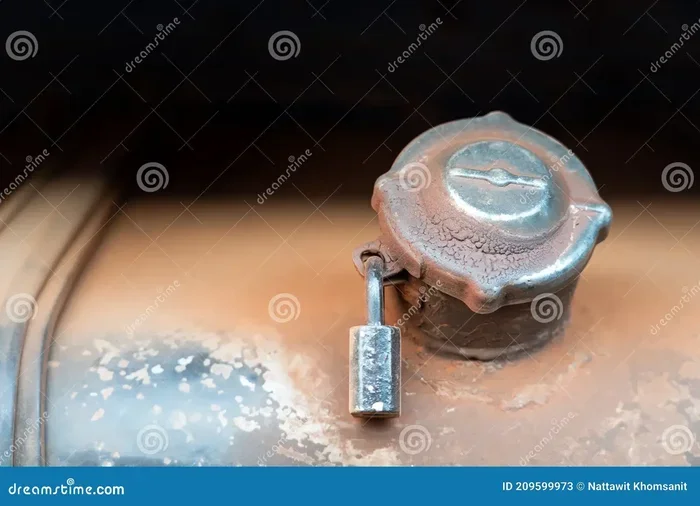
Locking gas caps are more common on trucks, SUVs, and vehicles that come with a tonneau cover or other security accessories. These caps have a built-in locking mechanism that requires a key to open. They are designed to prevent fuel theft and tampering.
Some people choose to install aftermarket locking caps on their vehicles even if the factory did not include one. This is especially common among truck owners who park in public areas or leave their vehicles unattended for long periods. A locking cap adds a layer of protection that can deter casual thieves from siphoning fuel.
Push-In and Twist Caps
There is also a third category worth mentioning. Some vehicles use a push-in cap that you press down until it clicks. These are common on certain European and Asian models. They do not lock in the traditional sense, but they do create a secure seal. You can remove them by pressing a release button or pulling them up with a bit of force.
What Happens When Your Gas Cap Does Not Lock?
If your gas cap does not lock, should you be worried? In most cases, the answer is no. A non-locking cap still does the job of sealing your fuel system. However, there are a few situations where the lack of a locking mechanism could cause problems or concern.
Fuel Evaporation and Loss
One of the biggest risks of a faulty gas cap, locking or not, is fuel evaporation. When the seal is not tight, fuel vapors can escape from the tank. Over time, this adds up. You might notice that you need to fill up more often than usual, even though your driving habits have not changed.
A loose gas cap is the most common cause of fuel vapor loss. If your cap does not lock, make sure it is tightening properly and clicking into place each time you refuel. If it feels loose or wobbly, it might be time for a replacement.
The Check Engine Light
Here is something that trips up a lot of drivers. If your gas cap is loose, damaged, or not sealing properly, your vehicle’s check engine light may come on. This happens because the OBD scanner detects a pressure leak in the fuel system. The car’s computer sees this as a fault and triggers the warning light.
Many people panic when their check engine light comes on, thinking something is seriously wrong with the engine. But in a surprising number of cases, the culprit is simply a gas cap that needs to be tightened or replaced. Before you rush to the mechanic, try tightening your cap and see if the light goes away after a few drive cycles.
Emissions Test Failures
If your gas cap is not sealing properly, your vehicle could fail an emissions test. The EVAP system relies on a tight seal to keep fuel vapors contained. A bad cap lets those vapors escape into the atmosphere, which not only hurts the environment but also causes your car to register a fault code during testing.
Security Concerns
The main reason people worry about a non-locking gas cap is security. Without a lock, anyone can open your fuel tank. This is not a huge concern for most drivers, but if you live in an area where fuel theft is common, or if you park on the street overnight, a locking cap can give you peace of mind.
How to Tell If Your Gas Cap Is the Problem
Sometimes the symptoms of a bad gas cap are obvious, and sometimes they are not. Here are some common signs that your gas cap might be causing issues.
Common Gas Cap Symptoms
- Check engine light stays on after refueling
- Fuel smell around the vehicle, especially near the rear
- Decreased fuel economy without any obvious cause
- Cap feels loose or does not click when tightened
- Visible damage to the cap or the rubber seal
- Failed emissions test with no other clear cause
Quick Check You Can Do at Home
Want to check if your gas cap is the issue? Here is a simple test you can do right now. After you fill up, tighten the cap until it clicks. Then, try to twist it open by hand. If it opens very easily without much resistance, the seal might be worn out. A good cap should require a firm twist to loosen.
Another quick check is to look at the rubber gasket on the underside of the cap. If it is cracked, brittle, or missing pieces, it is no longer creating a proper seal. In this case, replacing the cap is an easy and inexpensive fix.
When Should You Replace Your Gas Cap?
Gas caps do not last forever, even though they are built to be durable. Over time, the rubber seal wears down, the threads can strip, and the locking mechanism (if your cap has one) can become weak or stiff.
Signs You Need a New Gas Cap
- The cap no longer clicks when you tighten it
- You notice fuel vapors or smells near the rear of the car
- The check engine light comes on and goes away after tightening
- The cap is visibly cracked, warped, or damaged
- The rubber gasket is dry, cracked, or deformed
- Your vehicle has failed an emissions test more than once
How Much Does a Gas Cap Replacement Cost?
The good news is that replacing a gas cap is one of the cheapest repairs you can do. A standard non-locking cap costs between $10 and $25. A locking cap will run you between $20 and $50, depending on the brand and your vehicle model. If you go the aftermarket route, you can find caps with keyed locks, ratcheting mechanisms, and even LED fuel level indicators for a few extra dollars.
Most auto parts stores carry a wide selection of caps, and many are universal fit, meaning they work with multiple vehicle models. If you are not sure which cap you need, check your owner’s manual or ask the parts store associate for help.
Can You Use Any Gas Cap on Your Vehicle?
While it might be tempting to grab any cap that fits, it is best to use one that matches your vehicle’s specifications. The wrong cap might not create a proper seal, which can trigger the check engine light and affect your fuel economy. Look for a cap that matches the size and thread type of your fuel filler neck. Most caps list compatible vehicle models on the packaging.
Quick Tips for Gas Cap Maintenance
Taking care of your gas cap is easy and only takes a few seconds. Here are some simple habits that can extend the life of your cap and keep your fuel system working properly.
Daily Habits That Help
- Always tighten the cap until you hear it click
- Do not overtighten, as this can damage the seal and threads
- Wipe the cap and gasket clean during routine car washes
- Check the gasket for cracks or wear every few months
- Replace the cap if you notice any of the symptoms listed above
Seasonal Considerations
Extreme temperatures can affect your gas cap seal. In very hot weather, fuel vapors expand and put more pressure on the cap. In cold weather, the rubber gasket can become stiff and less flexible. If you live in an area with harsh temperature swings, inspect your cap more frequently and replace it at the first sign of wear.
Common Mistakes People Make With Gas Caps
Even though a gas cap is a simple part, people make mistakes with it more often than you would think. Here are a few common errors to avoid.
Driving Off Without Tightening the Cap
This is the most common mistake. If you leave the cap loose or off entirely, fuel vapors will escape, the check engine light will come on, and you could lose fuel over time. Always make it a habit to tighten the cap after every fill-up.
Using a Damaged Cap
Some drivers keep using a cracked or warped cap because it still seems to fit. But a damaged cap cannot create a proper seal, and that means your fuel system is not working as it should. Replace the cap as soon as you notice any damage.
Ignoring the Check Engine Light
Many people assume the check engine light means something serious and expensive. While it can indicate major problems, a loose or faulty gas cap is one of the most common triggers. Before you spend money on diagnostics, check your gas cap first.
Buying the Wrong Replacement Cap
Not all caps are the same. A cap that is too large or too small will not seal properly. Always match the replacement cap to your vehicle’s specifications to avoid ongoing issues.
Expert Insights on Gas Cap Locking Systems
Automotive professionals agree that the type of gas cap your vehicle uses is less important than the condition of the cap itself. Whether it locks or not matters far less than whether it seals properly and keeps the fuel system intact.
According to most mechanics, the average lifespan of a gas cap is about five years. After that, the rubber gasket begins to degrade, and the seal weakens. Replacing the cap on a regular schedule is a smart preventive maintenance step that can save you from bigger problems down the road.
If you are ever unsure about your gas cap, a quick visit to an auto parts store or a mechanic can set your mind at ease. Most professionals will check the cap for free and let you know if it needs replacing. It is one of the simplest and most affordable maintenance tasks you can do for your vehicle.
Key Takeaways
- Not all gas caps lock: Many vehicles use simple non-locking caps that twist on by hand.
- Locking caps are optional: They add security but are not required for proper fuel system function.
- A loose or damaged cap can trigger the check engine light: This is one of the most common causes of the warning light.
- Fuel economy suffers with a bad cap: A poor seal leads to vapor loss and more frequent trips to the gas station.
- Replacement is cheap and easy: A new gas cap costs between $10 and $50 and takes seconds to install.
- Always tighten until it clicks: This ensures a proper seal and keeps the EVAP system working as designed.
- Inspect your cap regularly: Look for cracks, wear on the gasket, and any signs of damage every few months.
Conclusion
So, do all gas caps lock? The answer is clearly no, and for most drivers, that is perfectly fine. Your gas cap does not need to lock to do its job. What matters most is that it seals properly, keeps the fuel system pressurized, and protects against vapor leaks. Whether your cap locks or not, the key is to keep it in good condition and replace it when it shows signs of wear.
Next time you fill up, take a moment to check your gas cap. Make sure it clicks tight, feels secure, and shows no visible damage. This tiny habit can save you from unexpected repair bills, failed emissions tests, and wasted fuel. Your gas cap might be small, but taking care of it makes a big difference in how your car runs.
Remember, a healthy gas cap means a healthy fuel system, better fuel economy, and fewer trips to the mechanic. Keep it tight, keep it clean, and keep your vehicle running smoothly for miles to come.
Frequently Asked Questions
Why Does My Gas Cap Keep Coming Loose?
Over time, the threads on the fuel filler neck or the cap itself can wear down, causing the cap to feel loose. The rubber gasket may also degrade, reducing the friction that helps the cap stay tight. Try replacing the cap first, and if the problem continues, have a mechanic inspect the fuel filler neck for damage.
Can a Loose Gas Cap Cause the Check Engine Light to Come On?
Yes, a loose or improperly sealed gas cap is one of the most common reasons the check engine light illuminates. The vehicle’s computer detects a pressure leak in the EVAP system and triggers the warning. Tightening the cap or replacing it often resolves the issue within a few drive cycles.
Is It Safe to Drive Without a Gas Cap?
It is not recommended. Driving without a gas cap allows fuel vapors to escape, which reduces fuel economy and releases harmful emissions into the air. It can also let dirt and debris enter the fuel tank, potentially causing damage to the fuel system over time.
How Do I Know If My Gas Cap Is Universal Fit?
Most aftermarket gas caps are designed as universal fit and come with adjustable threads or multiple gasket sizes. Check the product description to confirm compatibility with your vehicle model. If you are unsure, measure the diameter of your fuel filler neck and compare it to the cap specifications.
Do Locking Gas Caps Really Prevent Fuel Theft?
Locking gas caps add a layer of security that can deter casual fuel thieves. However, a determined thief with the right tools can still bypass most locks. That said, a locking cap makes your vehicle a harder target and is a worthwhile investment if you park in high-risk areas frequently.
How Often Should I Replace My Gas Cap?
Most automotive experts recommend replacing your gas cap every five years or sooner if you notice any damage or wear. The rubber gasket is the component that wears out first, and once it degrades, the cap can no longer maintain a proper seal. Replacing it proactively is a low-cost way to protect your fuel system.
=== FEATURED IMAGE PLACEHOLDER ===
[FEATURED_IMAGE_PLACEHOLDER]