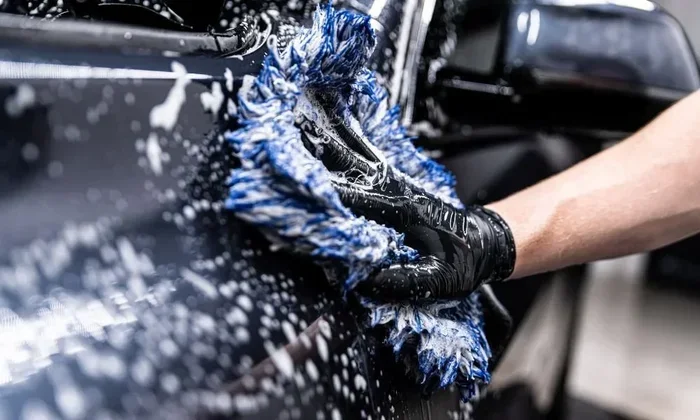
Can You Use Dish Soap to Wash Your Car Without Damage
Many car owners wonder: can you use dish soap to wash your car? The short answer is yes, but it comes with real risks. Dish soap strips away protective wax and can dull your paint over time. While it works in a pinch, it is not designed for your vehicle’s delicate surface. Using a proper car wash soap protects your clear coat and keeps your ride looking great for years.
You just got done with a long week. Your car is covered in dust, bird droppings, and road grime. You walk to the garage, grab the dish soap, and start squirting it on the hood. It seems like a quick fix. But wait. Can you use dish soap to wash your car without causing damage? That is the question every car owner should ask before reaching for the kitchen bottle.
The truth is, dish soap is designed to cut through grease on your plates. It is not made for your car’s delicate paint. Using it regularly can strip away wax, dull the clear coat, and even cause fine scratches over time. But that does not mean every wash with dish soap will destroy your vehicle. There is a lot to understand about how soap interacts with your car’s surface. Let us break it all down.
In this guide, we will explore why dish soap is risky for your vehicle. We will compare it to proper car wash soap. We will also share safer alternatives and the right way to wash your car. By the end, you will know exactly what to do the next time your car needs a clean.
Key Takeaways
- Dish soap can damage your car’s paint: It strips wax and sealant layers that protect your vehicle’s exterior.
- It works in emergencies only: A quick wash with dish soap is fine if you have no other option, but do not make it a habit.
- pH balance matters: Car wash soaps are pH balanced, while dish soap is too harsh for automotive paint.
- Safer alternatives exist: Dedicated car wash products like foam cannon soap and pH balanced wash solutions work much better.
- Proper washing techniques help: The two-bucket method, microfiber mitts, and soft drying all protect your car’s finish.
- Wax and sealant need replacing: If you have used dish soap, consider reapplying wax to restore protection.
- Prevention is easy: Keep a dedicated car wash soap on hand to avoid reaching for the dish soap ever again.
📑 Table of Contents
- Why People Reach for Dish Soap When Washing Their Car
- Can You Use Dish Soap to Wash Your Car? The Truth About Paint Damage
- Dish Soap vs. Car Wash Soap: A Side-by-Side Comparison
- When Dish Soap Might Be Okay (And When It Is Not)
- How to Wash Your Car the Right Way
- Common Mistakes People Make When Washing Their Car
- Key Takeaways
Why People Reach for Dish Soap When Washing Their Car
The Appeal of Dish Soap
Let us be honest. Dish soap is everywhere. It sits right next to the kitchen sink. It is cheap. It cuts through grease like magic. When your car looks dirty and you do not have car wash soap nearby, the dish soap bottle seems like the easiest solution. Most people have done it at least once. And most people have wondered if it is really that bad.
The truth is, dish soap works well on its intended purpose. It removes food grease, oil, and stuck-on residue from plates and pots. That same cleaning power sounds great on a dirty car. But here is the problem. That cleaning power does not know the difference between kitchen grease and your car’s protective wax layer.
Many car owners assume all soaps are the same. They think soap is soap. But the chemistry behind dish soap and car wash soap is very different. Understanding this difference is the first step to protecting your vehicle.
What Is Actually in Dish Soap?
Dish soap contains strong surfactants. These are chemicals that break up grease and oil. They lift dirt away from surfaces so water can rinse it off. Sounds helpful, right? But on your car, these same surfactants go to work on the protective coatings you have carefully applied.
Most dish soaps also contain fragrances, dyes, and harsh detergents. These ingredients are fine for your kitchen dishes. They are not ideal for your vehicle’s paint job. Your car has a clear coat that protects the base paint underneath. Dish soap can slowly wear this clear coat down. Over time, that leads to a dull, faded look.
Some dish soaps also have antibacterial agents and moisturizing additives. These are designed for your hands, not for automotive surfaces. They leave behind a residue that can attract dirt faster after you wash.
Can You Use Dish Soap to Wash Your Car? The Truth About Paint Damage
How Dish Soap Affects Your Car’s Clear Coat
The clear coat is the outermost layer of your car’s paint. It is a transparent protective shell that gives your car its shine. It also shields the base color from UV rays, bird droppings, tree sap, and other contaminants.
When you wash with dish soap, the strong chemicals break down this clear coat over time. You might not notice it after one wash. But after several washes, the damage adds up. Your car may start to look washed out. The deep shine fades. The paint feels rough instead of smooth.
Here is what happens at a microscopic level. Dish soap strips away the oils and resins in the clear coat. These oils keep the paint flexible and protected. Without them, the clear coat becomes brittle. It is more prone to micro scratches, water spots, and oxidation. That is why your car looks duller after repeated washes with kitchen soap.
The Stripping Effect on Wax and Sealant
If you have ever waxed or sealed your car, you know how much work goes into it. A good wax job protects the paint and adds a beautiful gloss. But dish soap is designed to remove exactly that kind of protection.
Wax and sealant are hydrophobic. They repel water and create a barrier between your paint and the environment. Dish soap breaks this barrier down. It strips the wax away with every wash. This means you will need to reapply wax more often. That costs you time and money.
Some car owners do not even realize they are losing their wax. They just notice the water no longer beads up on the surface. They think the wax wore off naturally. But more often than not, the dish soap they used is the real culprit.
Pro Tip: If you have been using dish soap and notice your wax is not lasting as long, it is time to switch to a proper car wash soap and reapply a quality wax or sealant.
Dish Soap vs. Car Wash Soap: A Side-by-Side Comparison
So what makes car wash soap different? The answer lies in the formulation. Car wash soaps are specifically designed for automotive paint. They are pH balanced. They are gentle on clear coats. They clean effectively without stripping away protection.
Let us look at how they compare side by side.
| Feature | Dish Soap | Car Wash Soap |
|---|---|---|
| Purpose | Cuts kitchen grease | Cleans automotive paint safely |
| pH Level | Alkaline (harsh) | pH balanced (gentle) |
| Wax Protection | Strips wax and sealant | Preserves wax and sealant |
| Clear Coat Safety | Can cause long-term damage | Safe for clear coat |
| Residue | Leaves soap film | Rinses clean with no residue |
| Cost | Very cheap | Moderate cost |
| Suds | Thick but harsh | Rich, lubricating foam |
| Best Use | Kitchen dishes only | Vehicle exterior wash |
The comparison makes it clear. Car wash soap is the better choice every single time. It costs a little more, but it protects your car’s finish. That alone saves you money on wax, paint correction, and clear coat repairs down the road.
Why pH Balance Matters for Your Vehicle
pH balance is a key factor in soap safety. Dish soap has a high alkaline pH. It is built to dissolve tough grease. Car wash soap has a neutral or slightly acidic pH. It cleans without attacking the paint or protective layers.
Think of it like this. You would not use a steel scrubber on a nonstick pan. The harshness would ruin the coating. Dish soap is the steel scrubber of car washing. It gets the job done, but it causes damage over time.
pH balanced car wash soap cleans just as effectively as dish soap. It lifts dirt, removes road grime, and rinses away clean. The difference is it does so without harming your car’s finish.
When Dish Soap Might Be Okay (And When It Is Not)
We have established that dish soap is not ideal for regular car washing. But what about those times when you really need to wash your car and nothing else is available? Is it ever okay to use dish soap?
Emergency Situations
There are a few scenarios where using dish soap is acceptable. If your car is covered in mud after a off-road trip and you have no car wash soap available, a quick wash with dish soap will not destroy your paint instantly. The key word is quick. A single emergency wash is not going to ruin your clear coat.
The problem starts when emergency washes become a habit. If you find yourself reaching for dish soap every weekend, that is when the real damage begins. One or two washes will not strip your wax completely. But dozens of washes over months will take a serious toll.
Pre-Wash Rinse Only
Another situation where dish soap is less risky is during a pre-wash rinse. If you spray your car with a soapy solution before the main wash, the contact time is short. The soap does not sit on the paint for long. This reduces the chance of damage.
However, even in this case, a dedicated pre-wash product is a much better choice. Products like foam cannon solutions are designed to loosen dirt without touching the paint surface aggressively.
Quick Tip: If you must use dish soap, keep the contact time as short as possible. Rinse thoroughly and dry immediately. This minimizes the damage, but it does not eliminate it entirely.
What About Washing a New Car?
If you just bought a new car, you might be tempted to use whatever soap is handy. But new cars have a factory clear coat that is still in its best condition. Using dish soap on a new car can dull that fresh finish right from the start.
New car owners should always use a gentle car wash soap. It keeps the paint in pristine condition and preserves the factory protection. Think of it as an investment. A proper wash soap keeps your new car looking new for longer.
How to Wash Your Car the Right Way
Now that you know dish soap is not the best choice, let us talk about how to wash your car properly. The right technique makes a huge difference in keeping your paint clean and protected.
Choosing the Right Soap
Start by picking a quality car wash soap. Look for a product that is pH balanced and designed for automotive use. Many popular brands offer excellent options. Some are concentrated, so a little goes a long way. Others are ready to use right out of the bottle.
Consider what type of car wash soap fits your needs. Here are a few options:
- pH balanced wash: Safe for all paint types and wax coatings.
- Foam cannon soap: Creates thick foam that lifts dirt gently.
- Synthetic wash: Adds a layer of protection while cleaning.
- Wax-infused soap: Adds a light layer of shine with every wash.
Each option has its benefits. The best soap is one that cleans effectively without harming your paint or stripping your wax.
The Two-Bucket Method
The two-bucket method is one of the most important car washing techniques. It prevents swirl marks and scratches. Here is how it works.
- Fill one bucket with soapy water.
- Fill the second bucket with clean rinse water.
- Dip your wash mitt into the soapy water.
- Wash one section of the car.
- Rinse the mitt in the clean water bucket.
- Repeat the process section by section.
This method keeps dirty water and grit away from your paint. It is simple but incredibly effective. Combined with a soft microfiber wash mitt, it is the gold standard for a safe car wash.
Drying and Protecting Your Car
Washing is only half the battle. How you dry your car matters just as much. Never let your car air dry. Water spots will form and they can be very hard to remove.
Use a clean microfiber drying towel. Gently pat the surface dry. Do not rub aggressively. A soft touch keeps the paint safe.
After drying, consider applying a quick detailer or spray wax. These products add a layer of protection between washes. They make your car shine and help repel water and dirt.
Expert Insight: Professional detailers always emphasize the importance of proper drying. A good microfiber towel and a gentle touch can prevent more damage than most people realize.
Common Mistakes People Make When Washing Their Car
Even with the right soap, bad washing habits can still hurt your car. Here are some common mistakes to avoid.
Using the Wrong Tools
Not all wash mitts and towels are created equal. Abrasive sponges and rough towels can leave fine scratches on your paint. Always use a soft microfiber wash mitt and plush drying towels.
Avoid using old household rags or dish towels. They may contain tiny particles of food grease or fabric fibers that scratch the surface. Keep a set of towels dedicated just for your car.
Washing in Direct Sunlight
Washing your car in direct sunlight might feel convenient, but it is a bad idea. The sun dries the soap and water too quickly. This leaves behind water spots and soap residue. The heat can also cause the soap to bake onto the paint.
Always wash your car in the shade or on a cloudy day. If that is not possible, work in small sections and rinse each section quickly before the soap dries.
Washing Too Frequently or Too Rarely
There is a balance when it comes to car washing. Wash too often and you risk wearing down the wax. Wash too rarely and contaminants build up and damage the paint.
A good rule of thumb is to wash your car every two weeks. If you live in an area with heavy salt, pollution, or tree sap, you may need to wash more often. Use your judgment and always inspect your car’s surface before washing.
Skipping the Rinse
Many people jump straight into soaping their car without rinsing first. This is a big mistake. Rinsing removes loose dirt and debris that could scratch the paint during the wash. Always rinse your car thoroughly before applying any soap.
A good pre-rinse also softens up stuck-on grime like bug splatter and bird droppings. This makes the wash safer and more effective.
Key Takeaways
- Dish soap is not safe for regular car washing: It strips wax, damages the clear coat, and leaves residue behind.
- Car wash soap is pH balanced and gentle: It cleans effectively without harming your paint or protective layers.
- Emergency use is okay but not ideal: A single wash with dish soap will not ruin your car, but repeated use causes real damage.
- The right tools matter: Use microfiber wash mitts, soft towels, and proper car wash products for the best results.
- Proper technique prevents damage: The two-bucket method, shade washing, and thorough rinsing all protect your car’s finish.
- Protect your investment: A quality car wash soap costs very little compared to paint correction or clear coat repair.
The bottom line is simple. Can you use dish soap to wash your car without damage? Technically, a single emergency wash is unlikely to cause major harm. But for regular car cleaning, dish soap is the wrong choice. It is too harsh, it strips protection, and it dulls your paint over time.
Investing in a good car wash soap takes minutes and costs very little. The payoff is a cleaner, safer, and shinier vehicle. Your car works hard for you every day. It deserves a soap that treats it right.
So the next time you are standing in front of your dirty car with a bottle of dish soap in hand, put it back. Grab the right car wash soap instead. Your paint will thank you for it.