Can You Turn Steering Assist Off And Why It Matters
Yes, you can turn steering assist off in most modern vehicles, but doing so changes how your car responds to steering input. Steering assist is an electronic or hydraulic system that reduces the effort needed to turn the wheel, and disabling it gives you a more direct, manual feel. Whether you want to turn steering assist off for towing, racing, or troubleshooting, this guide covers everything you need to know.
Have you ever wondered whether you can turn steering assist off? Maybe your steering feels too light, or perhaps you are towing a trailer and want more control. Whatever the reason, steering assist is a feature that many drivers interact with every day without fully understanding it. The good news is that in most vehicles, you can turn steering assist off. But the process, the reasons, and the consequences depend on your car, truck, or SUV.
Steering assist is designed to make driving easier. It reduces the amount of effort you need to turn the steering wheel, especially at low speeds like when parking. But sometimes, drivers want a heavier, more connected feel. They may want to turn steering assist off for better control, to fix a warning light, or simply out of curiosity. This guide will walk you through everything you need to know about disabling steering assist, why you might want to, and what happens when you do.
Key Takeaways
- Steering assist can be turned off: Most vehicles allow you to disable steering assist through settings, a physical switch, or by removing certain fuses.
- It affects vehicle handling: Turning off steering assist makes the steering wheel heavier and less responsive at low speeds.
- Reasons to disable it vary: Towing, off-roading, racing, and troubleshooting are common reasons drivers want to turn steering assist off.
- There are risks: Driving without steering assist can cause fatigue, reduce safety at low speeds, and make parking much harder.
- Check your owner manual: The process to turn steering assist off varies by make, model, and year.
- Electric power steering systems are different: EPS systems are easier to disable than traditional hydraulic setups.
- Re-enabling is simple: You can usually reactivate steering assist just as easily as you turned it off.
📑 Table of Contents
- What Is Steering Assist and How Does It Work?
- Can You Turn Steering Assist Off?
- Why Would You Want to Turn Steering Assist Off?
- How to Disable Steering Assist in Different Vehicles
- Risks and Downsides of Turning Steering Assist Off
- Expert Tips for Managing Steering Assist Settings
- Common Mistakes People Make With Steering Assist
- How Steering Assist Relates to Modern Driver Assistance Features
- When to See a Professional About Steering Assist Issues
- Conclusion
What Is Steering Assist and How Does It Work?
Before you can turn steering assist off, it helps to understand what it actually is. Steering assist is a technology built into your vehicle that adds extra power to your steering system. It makes turning the wheel easier and more responsive. Without it, you would need to use much more arm strength to navigate a tight parking spot or make a slow U-turn.
There are two main types of steering assist systems found in vehicles today. The first is hydraulic power steering. This older system uses a pump filled with fluid to push power to the steering rack. You have probably seen the belt-driven pump under the hood of older cars. The second type is electric power steering, also called EPS. This modern system uses an electric motor mounted on the steering column or rack to provide assistance. Most new vehicles today use electric power steering because it is more efficient and easier to integrate with driver assistance features.
How Electric Power Steering Provides Assist
Electric power steering works through sensors that detect how much force you are applying to the steering wheel. The system then adds the right amount of motor assistance based on your input and your vehicle speed. At low speeds, the assist is high, making parking a breeze. At highway speeds, the assist reduces, giving you a firmer, more stable feel. This variable assist is one reason steering assist is so popular in modern vehicles.
Some advanced systems also adjust assist levels based on driving mode. For example, if you select a sport mode, the steering may feel heavier and more responsive. If you select comfort mode, the steering becomes lighter. These electronic adjustments are all part of the steering assist ecosystem in your vehicle.
The Role of the Steering Column and Rack
The steering column connects your steering wheel to the steering rack. In a power-assisted system, the electric motor or hydraulic pump adds force at this connection point. The rack and pinion mechanism then converts that rotational force into the linear motion that turns your wheels. Steering assist works hand in hand with these components to deliver a smooth, effortless driving experience.
Can You Turn Steering Assist Off?
The short answer is yes, you can turn steering assist off in most vehicles. But the method varies depending on the make, model, and year of your car. Some vehicles have a simple button or switch. Others require you to access the infotainment settings. And a few older models may need a more hands-on approach involving fuses or modules.
Vehicles With a Steering Assist Toggle
Some manufacturers include a dedicated steering assist setting that drivers can toggle on or off. For example, certain Ford and Chevrolet models allow you to adjust or disable electric power steering through the vehicle settings menu. You can usually find this option under the steering or driving settings section. In some trucks, there is a physical button on the steering column or dashboard that lets you turn steering assist off with a single press.
If your vehicle has this option, it is usually very straightforward. You go into the settings, find the steering section, and toggle the assist off. The steering wheel will immediately feel heavier, especially at low speeds. This is your cue that the system has been successfully disabled.
Vehicles Without a Direct Toggle
Not every car gives you a simple on-off switch for steering assist. In many vehicles, the assist level is integrated into the overall driving mode system. To turn steering assist off in these cars, you may need to switch to a manual or sport driving mode. Some vehicles do not allow you to fully disable steering assist at all. In these cases, the system is always active to ensure safety and compliance with regulations.
For vehicles with hydraulic power steering, turning off the assist is not as simple as pressing a button. You would need to disconnect the hydraulic pump or the power steering fluid line, which is not recommended for everyday driving. This type of modification is usually only done in racing or specialized applications.
Can You Turn Steering Assist Off Using a Diagnostic Tool?
Yes, in many modern vehicles, you can use an OBD-II diagnostic scanner to access steering assist settings. Professional mechanics and advanced DIYers sometimes use these tools to turn steering assist off for troubleshooting or modification purposes. A diagnostic tool can read and clear steering-related fault codes, reset the electronic power steering module, and in some cases, change the assist level. However, this method requires some technical knowledge and the right equipment.
Why Would You Want to Turn Steering Assist Off?
There are several legitimate reasons why a driver might want to turn steering assist off. While most people drive comfortably with steering assist enabled, certain situations make disabling it a practical choice. Understanding these reasons can help you decide whether turning off steering assist is right for you.
Towing and Hauling
One of the most common reasons drivers want to turn steering assist off is when towing a heavy trailer or hauling a large load. When your vehicle is under significant weight, the steering dynamics change. Some drivers prefer a heavier steering feel because it gives them more feedback and control. With steering assist fully on, the wheel can feel too light when towing, which may make it harder to sense what the front wheels are doing on the road.
Towing also puts extra stress on the steering system. If your power steering pump or electric motor is already working hard, reducing or turning off steering assist can sometimes help prevent overheating or premature wear. However, this is more relevant for hydraulic systems than for modern electric power steering setups.
Off-Road Driving
Off-road enthusiasts often prefer to turn steering assist off when navigating rough terrain. When you are driving over rocks, mud, or sand, you need precise control over your steering inputs. A light steering feel can make it easy to overcorrect, which could send your vehicle in the wrong direction. A heavier, more direct steering response gives you better feedback about the terrain and helps you make smoother, more deliberate turns.
Racing and Track Driving
On a racetrack or during spirited driving, many enthusiasts want to turn steering assist off to get a more authentic, manual feel. Racing steering systems are typically designed to be stiff and responsive. When steering assist is active, it can mask the true handling characteristics of the vehicle. By disabling it, drivers can feel the road better through the steering wheel and make more precise inputs at high speeds.
Troubleshooting Warning Lights
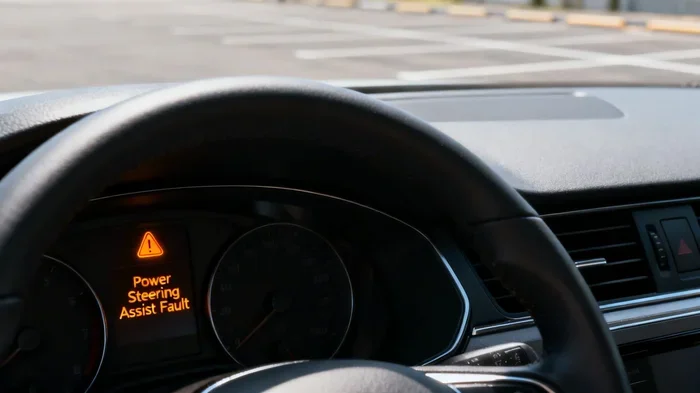
Sometimes the power steering warning light comes on, and a driver wants to turn steering assist off to see if the issue resolves itself. In some cases, a glitch in the electronic power steering module can cause the light to stay on even after the problem is fixed. Turning the system off and back on may reset the module and clear the warning. This is a common troubleshooting step that many mechanics recommend before replacing expensive components.
Personal Preference and Steering Feel
Some drivers simply do not like the way steering assist feels. They may find it too artificial or disconnected. They prefer the natural resistance of a manual steering system where every input feels direct and intentional. For these drivers, turning steering assist off restores a more traditional driving experience. It is a matter of personal preference and what makes them feel most comfortable behind the wheel.
How to Disable Steering Assist in Different Vehicles
The process to turn steering assist off varies widely across different vehicle brands and models. Here is a general overview of how to do it in the most common types of vehicles.
Ford Vehicles
Many Ford models, especially trucks like the F-150 and Super Duty, allow you to adjust steering assist through the vehicle settings. You can also find some models that have a steering mode selector on the steering wheel. Pressing the mode button cycles through options that change the steering weight and responsiveness. In some cases, switching to a sport or track mode effectively reduces the steering assist to near-zero levels.
Chevrolet and GMC Vehicles
Chevrolet and GMC trucks often include a steering assist adjustment in the infotainment system. Look for a steering or handling section under the vehicle settings menu. Some models also offer a driver-selectable steering mode that changes the assist level. For certain older models with hydraulic power steering, the assist level is fixed and cannot be adjusted or turned off by the driver.
Toyota and Lexus Vehicles
Toyota and Lexus vehicles typically use electric power steering with variable assist. While there is no direct toggle to turn steering assist off, switching to sport mode or selecting a different drive mode can significantly increase steering weight. Some Toyota models also allow you to fine-tune the steering feel through the vehicle dynamics settings.
BMW and Luxury European Brands
BMW and other European luxury brands often feature advanced steering systems with multiple assist levels. Many BMW models include a steering wheel button that lets you switch between comfort, sport, and sport+ modes. In sport+ mode, the steering assist is minimized, giving you the heaviest and most direct feel available. Some BMW models also offer a speed-dependent steering boost that can be adjusted through the iDrive system.
Aftermarket Solutions
If your vehicle does not have a built-in option to turn steering assist off, aftermarket solutions are available. Steering assist controllers and electronic modules can be installed to override the stock system. These devices allow you to adjust or completely disable the assist level. However, installing aftermarket steering components should be done carefully and ideally by a professional to avoid damaging the steering system or voiding your warranty.
Risks and Downsides of Turning Steering Assist Off
While turning steering assist off can be useful in certain situations, it is not without risks. Understanding these downsides is important before you decide to disable the system.
Increased Steering Effort
The most obvious effect of turning steering assist off is that the steering wheel becomes significantly heavier. At low speeds, such as in parking lots or tight city streets, this can be exhausting. You may find yourself straining your arms and shoulders, especially on long trips or in stop-and-go traffic. For some drivers, this increased effort makes daily driving uncomfortable and tiring.
Reduced Low-Speed Maneuverability
Steering assist is specifically designed to make low-speed maneuvering easier. When you turn it off, parallel parking, three-point turns, and navigating tight spaces become much more difficult. The steering wheel requires more force to turn, and the response can feel sluggish. This can be a safety concern in crowded urban environments where quick, precise steering inputs are often needed.
Loss of Integration With Driver Assistance Systems
Modern steering assist systems are often integrated with other driver assistance features like lane keeping assist, adaptive steering, and electronic stability control. When you turn steering assist off, you may also disable or interfere with these related systems. Lane keeping assist, for example, relies on the steering motor to make subtle corrections. If the assist is off, lane keeping may not function properly, which could reduce your safety on the highway.
Potential for Steering System Damage
In some vehicles, turning off steering assist incorrectly or for extended periods can put extra stress on the steering components. The steering rack, column, and associated parts are designed to work with the assist system active. Running the system without assist for long periods may accelerate wear and lead to premature failure of expensive components.
Warning Lights and Error Codes
Disabling steering assist in some vehicles can trigger warning lights on the dashboard. The power steering warning light, the check engine light, or a steering system fault indicator may illuminate. While these lights do not always indicate a real problem, they can be confusing and may cause unnecessary trips to the mechanic.
Expert Tips for Managing Steering Assist Settings
If you are considering turning steering assist off or adjusting your current settings, here are some expert tips to help you get the best results.
- Start by reading your owner manual. Every vehicle is different. The manual will tell you exactly how to access and adjust steering assist settings for your specific model.
- Test drive with assist off in a safe area. Before you turn steering assist off on a busy highway or in a crowded parking lot, test it in a quiet, open space. This lets you get used to the heavier steering feel without any risk.
- Use driving modes wisely. Many vehicles let you switch between driving modes that change the steering assist level. Sport and track modes reduce assist, while comfort and eco modes increase it. Use these modes to match your driving conditions.
- Do not turn off assist for extended periods. If you turn steering assist off for towing or off-roading, remember to re-enable it when you return to normal driving. Extended use without assist can cause fatigue and increase wear on the steering system.
- Keep your power steering fluid topped off. If you have a hydraulic system, low fluid levels can affect steering assist performance. Check the fluid regularly and top it off as needed.
- Address warning lights promptly. If you see a power steering warning light, do not ignore it. Have the system diagnosed by a qualified mechanic as soon as possible. Turning off assist may clear the light temporarily, but it does not fix the underlying problem.
- Consider your driving environment. If you mostly drive in the city with lots of parking and stop-and-go traffic, keeping steering assist on is probably the best choice. If you drive on open highways or tow heavy loads, adjusting or turning off assist may make sense.
Common Mistakes People Make With Steering Assist
There are a few common mistakes that drivers make when dealing with steering assist. Avoiding these pitfalls can help you get the most out of your vehicle and stay safe on the road.
The first mistake is assuming that turning off steering assist is a permanent change. In most vehicles, it is not. You can usually re-enable assist just as easily as you turned it off. The second mistake is ignoring warning lights. If your power steering light comes on after you turn assist off, do not assume it is normal. Have the system checked to rule out any real issues. The third mistake is driving without assist in conditions where you need it most, like heavy rain, icy roads, or tight parking situations. The reduced steering feedback can make these scenarios more dangerous.
Another common mistake is confusing steering assist with the electronic stability control system. These are two different systems that work together but serve different purposes. Steering assist helps you turn the wheel easily. Electronic stability control helps you maintain control during skids and slides. Turning off one does not necessarily turn off the other, and you should understand the difference between them.
How Steering Assist Relates to Modern Driver Assistance Features
Steering assist is not just about making the wheel easier to turn. It is also a key component of many modern driver assistance technologies. Systems like lane centering, adaptive cruise control with steering input, and automated parking all rely on the electric power steering motor to function. When you turn steering assist off, you may inadvertently affect the performance of these features.
For example, lane keeping assist uses the steering motor to make small adjustments that keep your vehicle centered in the lane. If steering assist is off, the motor may not have enough power to make these corrections. Similarly, some adaptive cruise control systems can adjust your steering slightly to maintain your lane position. These features work best when the steering assist system is fully active and functioning as designed.
This is why many manufacturers recommend keeping steering assist enabled for normal driving. The benefits of reduced driver fatigue, improved safety, and better integration with advanced driver assistance features far outweigh the desire for a heavier steering feel in most everyday driving situations.
When to See a Professional About Steering Assist Issues
If you are having trouble with your steering assist system, it may be time to visit a professional. Signs that your steering assist needs attention include a stiff or unresponsive steering wheel, a whining noise when you turn the wheel, fluid leaks under the vehicle, or a persistent power steering warning light. These issues should not be ignored, as they can affect your ability to steer safely.
A qualified mechanic can diagnose the problem using specialized tools and expertise. They can check the electric motor, the steering rack, the sensors, and the control module to identify the root cause. In many cases, steering assist issues can be resolved with a simple reset, a software update, or a minor repair. But in more serious cases, components like the steering rack or electric motor may need to be replaced.
Attempting to turn steering assist off or modify the system yourself without proper knowledge can lead to further problems. If you are unsure about how to proceed, it is always best to consult a professional. They can help you understand your options and make the right decision for your vehicle and your driving needs.
Conclusion
So, can you turn steering assist off? The answer is yes, in most vehicles. Whether you want to turn steering assist off for towing, off-roading, racing, or troubleshooting, the ability to do so exists in many modern cars and trucks. However, it is important to understand the implications of disabling this feature. A heavier steering wheel, reduced low-speed maneuverability, and potential interference with driver assistance systems are all factors to consider.
Steering assist is a valuable technology that makes driving easier, safer, and more comfortable for millions of people every day. If you do decide to turn steering assist off, do so with caution and only in appropriate situations. Always remember to re-enable it when you return to normal driving conditions. By understanding how steering assist works and how to manage it, you can get the best of both worlds: effortless driving when you need it and a more connected feel when you want it.
Take the time to explore your vehicle settings, consult your owner manual, and if needed, talk to a trusted mechanic. The more you know about your steering assist system, the better equipped you are to make smart decisions behind the wheel. Safe driving starts with understanding your vehicle, and steering assist is one of the most important systems to get to know.
Frequently Asked Questions
Can you turn steering assist off on all vehicles?
Not all vehicles allow you to turn steering assist off. Many modern cars integrate the assist level into driving modes and do not offer a direct toggle. Some vehicles keep steering assist permanently active for safety reasons. Check your owner manual to see if your specific model supports disabling the feature.
What happens when you turn steering assist off while driving?
When you turn steering assist off while driving, the steering wheel becomes significantly heavier, especially at low speeds. The vehicle does not stop steering, but you will need more physical effort to turn the wheel. It is best to turn it off when the vehicle is stationary or moving at very low speeds in a safe area.
Does turning off steering assist save battery life?
In vehicles with electric power steering, turning off steering assist does reduce the electrical load on the battery. However, the savings are minimal in most cases. The electric motor used for steering assist draws relatively little power compared to other vehicle systems like air conditioning or the audio system.
Can turning off steering assist damage the steering system?
Turning off steering assist temporarily is unlikely to cause damage. However, driving for extended periods without assist can put extra stress on the steering rack and column. The components are designed to work with assist active, so prolonged use without it may accelerate wear over time.
Is it legal to turn off steering assist?
In most cases, yes, it is legal to turn off steering assist if your vehicle provides the option. Manufacturers include these settings knowing drivers may want to adjust them. However, intentionally disabling safety systems in ways that could endanger others may raise legal concerns in some jurisdictions.
How do I know if my steering assist is turned off?
You can usually tell if steering assist is off because the steering wheel will feel noticeably heavier, especially at low speeds. Some vehicles also display a steering assist indicator on the dashboard or information screen. If you are unsure, check your vehicle settings to confirm the assist status.
=== CONCLUSION ===
Turning steering assist off is something most drivers can do, but it should be done with care and intention. Whether you are towing, off-roading, or simply prefer a heavier steering feel, understanding how to manage your steering assist system gives you more control over your driving experience. Always prioritize safety, know your vehicle, and remember that steering assist exists to make your time on the road easier and more enjoyable.