Can a Car Be Totaled Due to Mechanical Failure Alone
Yes, a car can be totaled due to mechanical failure alone, but it depends on several key factors. Insurance companies typically total a vehicle when repair costs exceed its actual cash value. Mechanical issues like engine failure or transmission breakdown can push a car past that tipping point, especially in older or high-mileage vehicles. Understanding how this process works helps car owners make informed decisions and avoid costly surprises.
Imagine this. You are driving your car, and suddenly the engine dies. You pull over. You call a tow truck. The mechanic gives you a quote. And then it hits you. The repair cost is more than the car is worth. Can a car be totaled due to mechanical failure alone? The short answer is yes. But the full story is a lot more nuanced than most people think.
When a vehicle suffers a major mechanical breakdown, the road ahead can feel confusing and stressful. Insurance companies, repair shops, and state laws all play a role in deciding what happens next. Whether your car has a blown engine, a failed transmission, or a catastrophic electrical failure, understanding the total loss process is essential. This article breaks it all down in simple, practical terms.
We will cover how insurance companies decide if a car is a total loss, what mechanical failures commonly lead to write-offs, and what steps you should take if your vehicle faces this situation. By the end, you will have a clear picture of your rights, your options, and what to expect. Let us dive in.
Key Takeaways
- Mechanical failure can total a car: When repair costs exceed the vehicle’s value, insurance companies may declare it a total loss regardless of the cause.
- Insurance total loss rules vary by state: Each state has a total loss threshold that determines when a vehicle is considered a write-off.
- Pre-existing conditions matter: If the mechanical failure existed before the policy started, the insurance company may deny the claim.
- Salvage title is common: A totaled car often receives a salvage title, which affects its resale value and insurability.
- Get a professional vehicle appraisal: Knowing your car’s actual cash value helps you negotiate a fair total loss payout.
- Lemon laws may apply: In some cases, repeated mechanical failures could qualify for protection under state lemon laws.
- Act quickly after a total loss: Filing your claim promptly and understanding your coverage options leads to better outcomes.
📑 Table of Contents
- What Does It Mean When a Car Is Totaled?
- Common Mechanical Failures That Can Total a Car
- How Mechanical Failure Differs from Accident Damage
- What Happens to a Car Totaled Due to Mechanical Failure?
- Does Your Insurance Cover Mechanical Failure?
- What to Do If Your Car Is Totaled Due to Mechanical Failure
- Common Mistakes to Avoid When Dealing With a Totaled Car
- Expert Insights on Total Loss and Mechanical Failure
- Key Takeaways
- Conclusion
What Does It Mean When a Car Is Totaled?
When an insurance company declares a vehicle a total loss, it means the cost to repair the car exceeds its actual cash value. This is called the total loss threshold. Every state sets its own threshold, usually ranging from 70% to 100% of the vehicle’s value.
For example, if your car is worth $5,000 and the repair estimate comes in at $4,000, your state might consider that a total loss. The insurance company pays you the vehicle’s market value instead of paying for repairs. This process is called a total loss claim.
But here is the key question many car owners ask. Does the cause of the damage matter? In most cases, no. Whether the damage comes from a car accident, a flood, a fire, or a mechanical failure, the same total loss rules apply. The insurance adjuster looks at the numbers. They do not care how the damage happened. They care about the cost of repair versus the vehicle’s worth.
How Insurance Companies Calculate Total Loss
Insurance companies use a specific formula to decide if a car should be totaled. They compare the estimated repair cost to the vehicle’s actual cash value. The actual cash value is not what you paid for the car. It is what the car is worth right now, factoring in depreciation, mileage, and overall condition.
Here is how the process typically works:
- The insurance adjuster inspects the vehicle or reviews the damage report.
- The adjuster estimates the total cost of repairs.
- The adjuster determines the vehicle’s actual cash value using market data and appraisal tools.
- If the repair cost exceeds the state’s total loss threshold, the car is declared a total loss.
Mechanical failures fit right into this process. A failed engine, a destroyed transmission, or a cracked engine block all count as damage. The insurance company does not treat mechanical failure differently from collision damage. The math stays the same.
Common Mechanical Failures That Can Total a Car
Not all mechanical problems are created equal. Some are minor and inexpensive to fix. Others can be so severe that they push a vehicle past the total loss threshold. Understanding which mechanical failures are most likely to result in a total loss helps car owners prepare and respond wisely.
Engine Failure
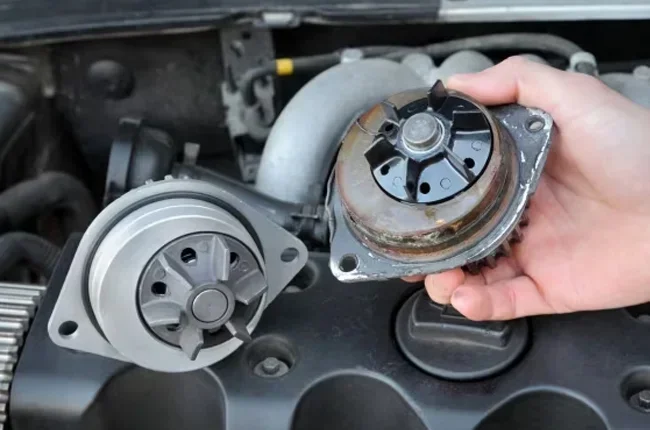
A blown engine is one of the most expensive repairs a car owner can face. Replacing or rebuilding an engine can cost anywhere from $4,000 to $10,000 or more. For older vehicles or cars with high mileage, this cost often exceeds the vehicle’s actual cash value. In these situations, the insurance company will likely total the car.
Engine failure can happen for many reasons. Lack of regular oil changes, overheating, timing belt failure, or simply old age can all cause an engine to seize or crack. If the engine fails suddenly and catastrophically, the repair cost is almost always high enough to trigger a total loss on an older vehicle.
Transmission Failure
A failed transmission is another mechanical problem that can total a car. Transmission repairs or replacements are notoriously expensive. A full transmission rebuild can cost between $3,000 and $7,000. For a car that is already worth less than that amount, the math is simple. The insurance company totals the vehicle.
Transmission failure often comes with warning signs. Slipping gears, strange noises, fluid leaks, or delayed shifting are all red flags. Ignoring these signs can lead to a complete transmission breakdown. And a complete breakdown almost always means a very expensive repair bill.
Cracked or Warped Engine Block
A cracked engine block is a nightmare scenario for any car owner. This type of damage often results from severe overheating or freezing. Repairing a cracked engine block usually means replacing the entire engine. The cost is substantial, and for many vehicles, it pushes the repair estimate past the total loss threshold.
Electrical System Failure
Modern cars rely heavily on complex electrical systems. When the main computer, wiring harness, or electrical module fails, the repair costs can be staggering. Diagnosing electrical problems alone can cost hundreds of dollars. Replacing a damaged control module or wiring harness can run into thousands more.
For older vehicles with outdated electrical systems, these repairs often do not make financial sense. The insurance company will likely declare the car a total loss and pay out the actual cash value instead.
How Mechanical Failure Differs from Accident Damage
You might wonder if there is any difference between a car totaled in a crash and a car totaled due to a mechanical failure. The short answer is no. The total loss process is the same either way. But there are some important differences that car owners should understand.
When a car is damaged in an accident, the cause is usually clear. There is visible damage, police reports, and witness statements. Mechanical failure, on the other hand, can be harder to prove. The insurance company may investigate whether the failure was sudden and unexpected or whether it resulted from long-term neglect.
Sudden vs. Gradual Mechanical Failure
Insurance policies typically cover sudden and accidental mechanical failures. If your engine blows out without warning, that is usually covered under comprehensive or collision coverage, depending on your policy.
But if the mechanical failure was gradual, the situation changes. If you ignored warning signs for months, the insurance company might argue that the failure was not sudden or accidental. In that case, they could deny the claim. This is why paying attention to your car and addressing problems early is so important.
Pre-Existing Conditions and Mechanical Failure
Insurance companies also look at pre-existing conditions. If your car had a known mechanical issue before the policy started or before the failure occurred, the insurer may refuse to pay. For example, if you knew the transmission was slipping and did not fix it, and then the transmission fails completely, the claim could be denied.
This is why honesty matters when dealing with insurance. Always disclose known issues. Trying to hide pre-existing conditions can backfire and result in a denied claim.
What Happens to a Car Totaled Due to Mechanical Failure?
Once a car is declared a total loss, a specific process kicks in. Understanding this process helps car owners navigate the situation with confidence and avoid common pitfalls.
The Total Loss Payout Process
After the insurance company declares your car a total loss, they will offer you a payout. This payout is based on the vehicle’s actual cash value at the time of the loss. The adjuster will consider factors like the car’s age, mileage, condition, and local market prices for similar vehicles.
Here is what typically happens next:
- The insurance company inspects the vehicle or reviews the damage assessment.
- The adjuster determines the actual cash value using industry tools and market data.
- The company offers you a settlement amount.
- If you accept, you sign over the title and receive the payout.
- The car is sent to a salvage yard or auction.
You have the right to dispute the payout if you believe the offer is too low. Getting an independent vehicle appraisal can strengthen your case and help you negotiate a fairer settlement.
Salvage Titles and Rebuilt Titles
When a car is totaled, it usually receives a salvage title. This title indicates that the vehicle was declared a total loss by an insurance company. A salvage title significantly reduces the car’s resale value and makes it difficult to insure.
In some cases, a car owner can apply for a rebuilt title. This requires repairing the vehicle, passing a safety inspection, and proving that the car is roadworthy again. Once the rebuilt title is issued, the car can be legally driven and sold. However, it will always carry a rebuilt title, which affects its value and insurance rates.
Keep in mind that a car totaled due to mechanical failure may not always be eligible for a rebuilt title. Some states have specific rules about what types of total losses qualify for rebuilding. Check your state’s regulations before pursuing this option.
Does Your Insurance Cover Mechanical Failure?
This is one of the most important questions car owners ask. The answer depends on your insurance policy and the type of coverage you have.
Most standard auto insurance policies include liability coverage, collision coverage, and comprehensive coverage. Collision coverage pays for damage from accidents. Comprehensive coverage pays for damage from non-accident events like theft, vandalism, fire, and natural disasters.
But here is the catch. Neither collision nor comprehensive coverage is specifically designed to cover mechanical breakdowns. These coverages pay for damage, not for wear and tear or mechanical failure. However, if a mechanical failure causes an accident or results in damage covered by your policy, the claim may be approved.
For example, if your engine fails and you lose control, hitting another car or a guardrail, the collision coverage would pay for the accident damage. But the engine failure itself would not be covered. This is where mechanical breakdown insurance or an extended warranty can help.
Mechanical Breakdown Insurance
Mechanical breakdown insurance, also called extended car warranty coverage, is an optional add-on that covers repair costs for mechanical failures. This type of coverage is different from standard auto insurance. It specifically addresses breakdowns that are not caused by accidents.
Mechanical breakdown insurance can cover repairs to the engine, transmission, electrical system, and other major components. It is especially valuable for older vehicles that are no longer under the original manufacturer’s warranty.
Extended Warranties and Service Contracts
An extended warranty or service contract is another way to protect yourself from costly mechanical failures. These plans are offered by dealerships, third-party companies, or manufacturers. They cover repair costs for specific components over a defined period or mileage range.
Before purchasing an extended warranty, read the fine print carefully. Some plans have exclusions, deductibles, and limits that can reduce their value. Compare multiple options and choose a plan that fits your budget and vehicle needs.
What to Do If Your Car Is Totaled Due to Mechanical Failure
If you find yourself facing a totaled car due to mechanical failure, taking the right steps can make a big difference in the outcome. Here is a practical guide to help you navigate the process.
Step 1: Document Everything
Start by documenting the mechanical failure thoroughly. Take photos of the vehicle and the damage. Keep all repair estimates and invoices. Write down the date, time, and circumstances of the failure. This documentation will support your insurance claim and protect your interests.
Step 2: Contact Your Insurance Company
Report the incident to your insurance company as soon as possible. Provide all the documentation you gathered. Ask the adjuster to explain the total loss process and what to expect next. Being proactive and responsive helps speed up the claim process.
Step 3: Understand Your Vehicle’s Actual Cash Value
Research your vehicle’s actual cash value before the insurance company makes you an offer. Use online tools like Kelley Blue Book, Edmunds, or NADA Guides to get an estimate. If the offer seems low, present your research and request a reassessment.
Step 4: Consider Your Options
Once you receive the total loss payout, you have a few options. You can use the money to buy a replacement vehicle. You can try to buy back the salvage vehicle and repair it yourself. Or you can simply move on and purchase a new car. Choose the option that best fits your financial situation and needs.
Common Mistakes to Avoid When Dealing With a Totaled Car
Navigating a total loss claim can be tricky. Many car owners make mistakes that cost them money or delay the process. Here are some common pitfalls to avoid.
- Accepting the first offer without question. Insurance companies often start with a low offer. Negotiating can result in a significantly higher payout.
- Delaying the claim filing. The sooner you file, the faster the process moves. Delays can complicate things and raise questions from the insurer.
- Failing to remove personal belongings. Before the insurance company tows the vehicle, make sure you remove all personal items. They are not responsible for anything left inside.
- Ignoring your state’s specific rules. Each state has different regulations for total loss claims. Understanding your state’s rules ensures you get a fair deal.
- Not understanding gap insurance. If you owe more on your car loan than the vehicle is worth, gap insurance covers the difference. Without it, you could be stuck paying for a car you no longer have.
Expert Insights on Total Loss and Mechanical Failure
Insurance professionals and automotive experts agree on one thing. The total loss process is driven by numbers, not emotions. When repair costs exceed the vehicle’s value, the decision to total the car is a financial one. It is not a reflection of the car’s history or the owner’s care.
Industry experts also emphasize the importance of regular maintenance. Cars that are well-maintained are less likely to suffer catastrophic mechanical failures. Simple habits like changing the oil on schedule, checking fluid levels, and addressing warning signs early can prevent the kind of damage that leads to a total loss.
Additionally, experts recommend reviewing your insurance policy at least once a year. Make sure your coverage matches your current vehicle value and needs. A policy that worked fine when you bought the car may not provide adequate protection years later as the vehicle depreciates.
Key Takeaways
- Mechanical failure can total a car: When repair costs exceed the vehicle’s actual cash value, insurance companies will declare it a total loss, regardless of the cause.
- Engine and transmission failures are the most common culprits: These repairs are among the most expensive and frequently push older vehicles past the total loss threshold.
- Insurance coverage matters: Standard policies do not typically cover mechanical breakdowns directly, but collision and comprehensive coverage may apply if the failure leads to an accident.
- Salvage and rebuilt titles affect resale value: A totaled car usually receives a salvage title, which lowers its value and complicates future insurance and sale.
- Negotiate your total loss payout: You have the right to dispute a low offer. Independent appraisals and market research strengthen your negotiation position.
- Pre-existing conditions can void claims: Always be honest with your insurance company about known mechanical issues to avoid claim denial.
- Act quickly and stay organized: Prompt reporting and thorough documentation lead to smoother claims and better outcomes.
Conclusion
So, can a car be totaled due to mechanical failure alone? Absolutely. When a major mechanical issue like engine failure, transmission breakdown, or electrical system collapse drives repair costs beyond the vehicle’s actual cash value, insurance companies have no choice but to declare it a total loss. The cause of the damage does not change the math.
Understanding how the total loss process works empowers you as a car owner. You know what to expect, what to document, and how to advocate for a fair settlement. Whether your car suffers a sudden engine failure or a gradual mechanical decline, being prepared makes all the difference.
Take the time to review your insurance coverage, maintain your vehicle properly, and stay informed about your rights. These simple steps protect your wallet and give you peace of mind. Mechanical failures are stressful, but with the right knowledge, you can navigate the situation confidently and come out on the other side in strong shape.
Frequently Asked Questions
Can I keep my car if it is totaled due to mechanical failure?
In most cases, yes. You can buy back the salvage vehicle from the insurance company. However, the car will receive a salvage or rebuilt title, which affects its resale value and insurability. Check your state’s specific rules about rebuilt titles before deciding.
Will my insurance pay for a mechanical breakdown?
Standard auto insurance policies do not typically cover mechanical breakdowns. However, if the mechanical failure leads to an accident, collision or comprehensive coverage may apply. Mechanical breakdown insurance or an extended warranty can provide coverage specifically for mechanical failures.
How is the actual cash value of a totaled car determined?
The actual cash value is calculated based on the vehicle’s market value at the time of the loss. Insurance adjusters use industry tools, local market data, the car’s age, mileage, and overall condition to determine this value. You can also research this value yourself using online appraisal tools.
What is the difference between a salvage title and a rebuilt title?
A salvage title means the car was declared a total loss and cannot be driven or sold legally in its current state. A rebuilt title means the car has been repaired, passed a safety inspection, and is roadworthy again. A rebuilt title still affects the vehicle’s value and insurance rates.
Does a car’s age affect whether it gets totaled due to mechanical failure?
Yes, age plays a significant role. Older vehicles have lower actual cash values, so even moderately expensive repairs can push them past the total loss threshold. Newer cars with higher values are less likely to be totaled for the same mechanical repair cost.
Can I dispute a total loss payout offer from my insurance company?
Yes, you absolutely can. If you believe the offer is too low, gather evidence like independent appraisals, comparable vehicle listings, and maintenance records. Present this information to the adjuster and request a reassessment. You can also file a complaint with your state’s insurance regulator if the dispute is not resolved.