Can You Travel by Car With Medical Marijuana Safely
Can you travel by car with medical marijuana? The answer depends on where you live, where you are going, and the laws in each state. Medical marijuana patients can legally transport their medicine in many states, but the rules vary significantly. This guide covers everything you need to know about cannabis transportation laws, safe storage, interstate travel risks, and what to do if a law enforcement officer stops you.
Traveling with medical marijuana by car is something thousands of patients do every day. But the process is not as simple as tossing your medicine in the glove box and hitting the road. Can you travel by car with medical marijuana without running into legal trouble? The short answer is yes, but only if you follow the rules carefully. The longer answer involves understanding state laws, proper storage methods, and knowing what to do during a traffic stop. This article breaks it all down so you can travel with confidence and stay on the right side of the law.
Whether you are driving across town to a new dispensary or taking a road trip to visit family in another state, cannabis transportation comes with real risks. Medical marijuana is legal in many states, but it remains illegal under federal law. This creates a confusing patchwork of rules that every patient should understand. A single mistake could lead to a citation, a vehicle search, or even criminal charges. The good news is that with the right knowledge, you can avoid most problems entirely.
The purpose of this guide is to give you clear, practical advice. You will learn about the laws that affect your drive, how to store your medicine safely, what happens if you get pulled over, and the common mistakes that put patients at risk. By the end, you will feel much more prepared for your next trip behind the wheel.
Key Takeaways
- State laws differ: Medical marijuana rules vary from state to state, so always check local regulations before traveling.
- Proper storage matters: Keep your cannabis in a sealed, odor-proof container in the trunk or locked compartment.
- Interstate travel is risky: Even if both states allow medical marijuana, federal law does not recognize it.
- Know your rights during a traffic stop: You do not have to consent to a search without a warrant.
- Keep documents handy: Carry your medical card, prescription, and proof of purchase at all times.
- Edibles and concentrates have extra rules: Some states treat these differently than flower or dried cannabis.
- Never consume while driving: DUI laws apply to cannabis just like alcohol.
📑 Table of Contents
- Understanding Medical Marijuana and Car Travel
- State Laws and Regulations You Need to Know
- How to Safely Transport Medical Marijuana in Your Car
- Interstate Travel: What You Need to Watch Out For
- What Happens If You Get Pulled Over
- Common Mistakes to Avoid When Traveling With Medical Marijuana
- Key Takeaways
- Conclusion
Understanding Medical Marijuana and Car Travel
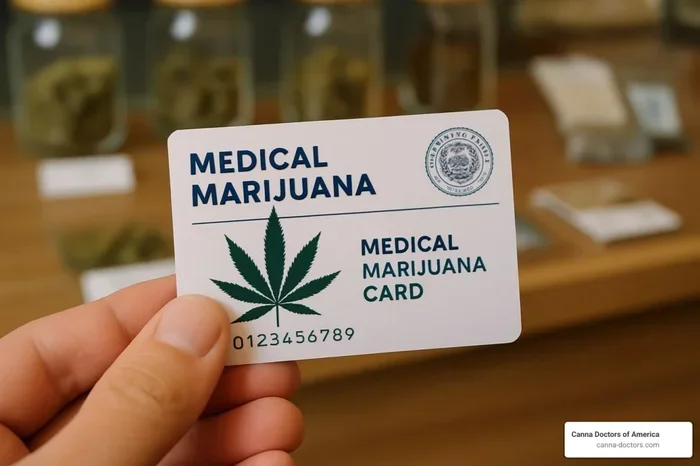
Before you get behind the wheel, it helps to understand the legal landscape. Medical marijuana laws exist at the state level, which means each state sets its own rules. A medical marijuana card gives you the right to possess and use cannabis in your home state. But that card does not protect you everywhere you go.
Under federal law, marijuana is still classified as a Schedule I substance. This means it is illegal at the national level, regardless of state laws. When you drive, you are subject to both state and federal regulations. Most law enforcement officers enforce state law, but federal agencies like the DEA can take action in certain situations. Understanding this dual legal framework is the first step in protecting yourself.
What Does “Medical Marijuana” Mean Legally?
Medical marijuana refers to cannabis products recommended by a licensed healthcare provider for treating specific medical conditions. These conditions can include chronic pain, epilepsy, cancer, multiple sclerosis, and PTSD, among others. Each state maintains a list of qualifying conditions that patients must meet to obtain a medical cannabis card.
Once you have your card, you are allowed to purchase, possess, and use medical marijuana within your home state. However, the moment you cross a state border, you enter a new legal environment. What is legal in your state may be illegal in the next state over. This is why cannabis transportation rules demand your full attention before any trip.
How Do Car Travel Laws Apply to Cannabis Patients?
Every state that has legalized medical marijuana also sets rules for how patients can transport their medicine. Most states require that cannabis be stored in a sealed container. Some states mandate that the container be kept in the trunk or a locked compartment. Others prohibit open containers of cannabis inside the passenger area.
Driving under the influence of cannabis is illegal in every state. Even if you are a registered medical marijuana patient, you can be charged with a DUI if your ability to drive is impaired. THC levels in your blood can be measured through a blood draw, and any amount above the legal limit can result in a DUI charge. This is one of the most important facts to keep in mind before you drive after using your medicine.
State Laws and Regulations You Need to Know
The rules for traveling with medical marijuana by car depend heavily on where you are and where you are going. No single set of laws applies everywhere. This is why researching the regulations in each state on your route is essential.
States With Medical Marijuana Protections
As of now, most states in the U.S. have some form of medical marijuana program. States like California, New York, Florida, and Illinois have well-established programs with clear rules for patients. In these states, you can generally transport medical marijuana as long as you follow the storage guidelines and keep your card with you.
However, even within states that allow medical marijuana, the rules can differ. Some states limit the amount of cannabis you can carry. Others restrict the types of products you can transport. For example, some states allow flower but ban certain edibles or concentrates. Always check the specific regulations of each state before you travel.
States Where Medical Marijuana Is Not Legal
This is where things get serious. If you drive through a state where medical marijuana is not legal, you could face criminal charges even if you are a patient in your home state. Some states treat any amount of cannabis as a misdemeanor, while others impose felony charges for possession.
Even states with medical programs that do not recognize out-of-state cards can create problems. Law enforcement officers may not be familiar with your home state’s medical marijuana laws. If they stop you and find cannabis, you could be arrested and charged under local law. This is the biggest risk for patients who travel by car with their medicine.
How to Research State Laws Before Your Trip
Start by visiting the official government website for each state on your route. Look for the department of health or the state attorney general’s page on cannabis laws. You can also check with your dispensary for travel guidance, as many are experienced with interstate questions.
Make a list of the states you will pass through and note the following:
- Is medical marijuana legal in that state?
- Do they accept out-of-state medical cards?
- What are the possession limits?
- Are there specific storage requirements?
- What are the penalties for cannabis possession?
Taking thirty minutes to research your route can save you from serious legal trouble. It is one of the most important steps you can take before any road trip.
How to Safely Transport Medical Marijuana in Your Car
Proper storage is the foundation of safe cannabis transportation. How you carry your medicine can make the difference between a smooth trip and a legal headache. Follow these guidelines to keep your medical marijuana secure and legal during your drive.
Use a Sealed, Odor-Proof Container
Never leave your cannabis in a bag, box, or any container that can be smelled from outside the vehicle. A sealed, odor-proof storage container is the best choice. These containers are designed to lock in smell and keep your medicine discreet. They are widely available at dispensaries and online retailers.
Make sure the container is completely sealed before placing it in your car. Even a slightly open bag can raise suspicion during a traffic stop. If an officer smells cannabis coming from your vehicle, they have probable cause to search your car. An odor-proof container helps prevent this situation.
Keep Your Medicine in the Trunk or a Locked Compartment
Most states require that cannabis be stored out of the driver’s reach. The trunk is the safest place to keep your medicine. If your vehicle does not have a trunk, such as a hatchback or SUV, use a locked compartment or a locked container behind the last seat.
Never keep cannabis in the glove box, center console, or cup holder. These areas are considered part of the passenger compartment, and having your medicine in reach can be interpreted as possession while driving. Keeping your supply in the trunk or a locked area shows that you are treating your medicine responsibly.
Carry Your Medical Documents With You
Always keep your medical marijuana card, your doctor’s recommendation, and proof of purchase in your vehicle. These documents prove that you are a legal patient and that your medicine was obtained lawfully. If you are stopped by law enforcement, having these documents ready can help clarify your situation quickly.
Store your documents in a folder or envelope in the glove box so they are easy to find. Some patients also keep a digital copy of their card on their phone. This can be helpful if your physical card is lost or damaged.
Know the Amount Limits for Your State
Every state sets a limit on how much medical marijuana a patient can possess at one time. These limits vary widely. Some states allow up to 2.5 ounces, while others limit patients to just a few grams. Know your state’s limit and do not carry more than allowed.
If you are traveling and need to purchase more medicine along the way, do so at a licensed dispensary in that state. Make sure the total amount you carry does not exceed the limit of the state you are currently in. Keeping accurate records of your purchases can help if you ever need to prove compliance.
Quick Tips for Safe Transport
- Always use a sealed, odor-proof container.
- Store cannabis in the trunk or a locked compartment.
- Keep your medical card and documents accessible.
- Never carry more than your state’s legal limit.
- Make sure all caps and seals are tight on edibles and cartridges.
- Keep your vehicle clean and free of visible cannabis products.
- Purchase from licensed dispensaries only.
Interstate Travel: What You Need to Watch Out For
Driving from one state to another introduces a whole new set of challenges for medical marijuana patients. The rules that protect you in your home state do not follow you across the border. This makes interstate travel one of the riskiest situations for cannabis transportation.
Why Interstate Travel Is Risky
The federal government considers marijuana illegal, and this applies to interstate travel. When you cross a state line with cannabis, you are technically moving a controlled substance across state borders. Federal law enforcement could theoretically take action, even if both states allow medical marijuana.
In practice, most interstate stops are handled by state police who enforce state law. But the risk is still real, especially in states where medical marijuana is not legal. If you are stopped in a state that does not recognize your medical card, you could be arrested and charged with possession.
Which States Accept Out-of-State Medical Cards?
A growing number of states now accept out-of-state medical marijuana cards. States like Arizona, Nevada, and New Hampshire have reciprocity agreements that allow visiting patients to purchase and possess cannabis. However, the rules for these programs vary. Some states limit the amount you can buy, and others require you to register with the state before you arrive.
Before your trip, check whether your destination state has a reciprocity program. If it does, follow all of that state’s rules carefully. If it does not, do not bring your medical marijuana into that state. The risk is simply not worth it.
Planning Your Route Carefully
When planning a road trip, map out your route and identify every state you will pass through. For each state, check whether medical marijuana is legal and whether they accept out-of-state cards. If you must drive through a state where cannabis is not legal, consider whether you can avoid that state entirely.
Some patients choose to leave their medicine at home when traveling through non-legal states. This is the safest option if you do not need your medicine during the trip. If you must bring your medicine, plan your route to minimize time spent in non-legal states and never leave your cannabis unattended in the vehicle.
What to Do If You Are Stopped in a Non-Legal State
If you are stopped by law enforcement in a state where medical marijuana is not legal, stay calm and polite. You do not have to answer questions about your medicine beyond identifying yourself. You also do not have to consent to a search of your vehicle without a warrant.
If the officer asks to search your car, you can respectfully decline. Say something like, “I do not consent to a search.” This does not guarantee they will not search, but it protects your legal rights. If they do search and find cannabis, your refusal to consent can be used as part of your defense later.
What Happens If You Get Pulled Over
Getting pulled over while carrying medical marijuana can be stressful, but knowing what to expect can help you handle the situation calmly. Preparation is your best tool.
Your Rights During a Traffic Stop
When an officer pulls you over, you have the right to remain silent beyond providing your license, registration, and proof of insurance. You do not have to answer questions about where you are going or what is in your vehicle. You also have the right to refuse a search of your car without a warrant.
If the officer asks to see your medical marijuana card, you can provide it. This shows that you are a legal patient in your home state. However, the officer may still choose to investigate further. Stay respectful and cooperative, but do not volunteer extra information.
What to Say and What Not to Say
Keep your answers short and polite. You can say, “I have a valid medical marijuana card from my home state,” and then stop talking. Avoid admitting to consuming cannabis or volunteering details about your medicine. Anything you say can be used against you in court.
If the officer asks you to step out of the car or performs a field sobriety test, comply calmly. Refusing a chemical test (such as a blood or breath test) can lead to automatic license suspension in many states. Know your state’s implied consent laws before you travel.
When to Contact a Lawyer
If you are arrested or cited during a traffic stop, contact a lawyer as soon as possible. A lawyer experienced in cannabis law can help you understand your rights and build a strong defense. Do not answer questions from law enforcement without your attorney present.
Many states have legal aid organizations that help medical marijuana patients with these types of situations. Keep the contact information for a local attorney in your phone before you travel, especially if you are driving through unfamiliar territory.
Common Mistakes to Avoid When Traveling With Medical Marijuana
Even well-meaning patients can make mistakes that lead to serious legal problems. Avoid these common errors to keep your trip safe and stress-free.
Leaving Cannabis Visible in the Car
This is one of the most common mistakes. A bag of cannabis on the passenger seat or a vape pen on the dashboard is an open invitation for trouble. Even if you are a legal patient, an officer can use visible cannabis as probable cause to search your vehicle.
Always keep your medicine out of sight. Store it in a sealed container in the trunk or locked compartment. This simple step can prevent most unwanted encounters with law enforcement.
Consuming Cannabis While Driving
Never consume any form of cannabis while driving. This includes smoking, vaping, and eating edibles. Driving under the influence of cannabis is illegal in every state and can result in a DUI charge, fines, license suspension, and even jail time.
If you need to use your medicine, pull over in a safe, legal location and wait until you are fully sober before getting back on the road. This applies to both medical and recreational users.
Not Knowing the Laws of Every State on Your Route
Many patients assume that because medical marijuana is legal in their home state, they are protected everywhere. This is not true. Failing to research the laws of each state on your route is a mistake that can lead to arrest and criminal charges.
Take the time to study the laws of every state you will pass through. Pay special attention to states that are not medical marijuana states. If you are unsure about a particular state’s laws, contact a local attorney or a patient advocacy group for guidance.
Carrying More Than the Legal Limit
It can be tempting to carry extra medicine, especially on long trips. But exceeding your state’s possession limit is illegal and can result in a charge of illegal possession. Even if your home state allows a larger amount, the state you are driving through may have a much lower limit.
Stick to the legal limit of the state you are currently in. If you need more medicine at your destination, purchase it from a licensed dispensary in that state.
Forgetting to Secure Your Medicine Properly
A loose bag of cannabis in the back seat or an open package of edibles in the center console can lead to serious legal issues. Always use a sealed, odor-proof container and store it in the trunk or locked compartment.
Check your storage before you start driving. Make sure all products are sealed and all containers are locked tight. A few extra minutes of preparation can save you hours of legal trouble.
Expert Insight: The Importance of Being Prepared
According to cannabis law experts, preparation is the single most important factor in safe travel by car with medical marijuana. Patients who research their route, store their medicine properly, and carry the right documents are far less likely to encounter legal problems. The key is to treat your medicine with the same care and attention you would give to any other prescription medication.
Key Takeaways
- State laws vary widely: Always research the regulations of every state on your route before traveling with medical marijuana.
- Proper storage is non-negotiable: Use sealed, odor-proof containers and store cannabis in the trunk or a locked compartment.
- Interstate travel carries unique risks: Federal law does not recognize medical marijuana, and non-legal states can charge you for possession.
- Know your rights during a stop: You can refuse a search without a warrant and should limit what you say to law enforcement.
- Never consume while driving: DUI laws apply to cannabis, and impairment while driving can lead to serious charges.
- Keep your documents ready: Carry your medical card, prescription, and purchase receipts at all times.
- Plan ahead and stay informed: Being prepared is the best way to protect yourself and your medicine during any car trip.
Conclusion
Can you travel by car with medical marijuana safely? Yes, but only if you do your homework and follow the rules. The legal landscape for medical marijuana is complex and constantly changing, which makes preparation essential. Every patient who travels with their medicine should understand the laws of their home state, the states they will pass through, and the proper way to store and transport their products.
The most important steps you can take are to research your route, use proper storage, keep your documents handy, and never consume cannabis while driving. These simple actions can protect you from legal trouble and give you peace of mind on the road. Remember that every state has its own rules, and what is legal in one place may not be legal in another. Respect those differences and plan accordingly.
Traveling with medical marijuana does not have to be scary or confusing. With the right knowledge and preparation, you can drive confidently knowing you are following the law and protecting your rights. Stay informed, stay prepared, and always put safety first. Your health and your freedom depend on it.
Frequently Asked Questions
Is it legal to travel by car with medical marijuana?
It is legal in most states that have medical marijuana programs, as long as you follow their storage and possession rules. However, it is illegal under federal law, and traveling through states where medical marijuana is not legal can result in criminal charges. Always research the laws of every state on your route.
What happens if I get pulled over with medical marijuana in my car?
If you are pulled over, stay calm and polite. You can provide your medical card if asked, but you do not have to answer questions beyond providing your license and registration. You have the right to refuse a search without a warrant. If you are arrested, contact a lawyer immediately.
Can I drive after using my medical marijuana?
No. Driving under the influence of cannabis is illegal in every state, even for registered medical marijuana patients. Wait until you are fully sober before getting behind the wheel. If you need to use your medicine, do so only after you have reached your destination and are parked in a safe location.
How should I store my medical marijuana while driving?
Store your cannabis in a sealed, odor-proof container in the trunk or a locked compartment. Never keep it in the passenger area, glove box, or any place within easy reach. Make sure all edibles and cartridges are tightly sealed and out of sight.
Do all states accept out-of-state medical marijuana cards?
No. Only a growing number of states have reciprocity agreements that accept out-of-state cards. Many states do not recognize cards from other states at all. Before your trip, check whether your destination state accepts out-of-state medical cards and what rules apply.
What is the penalty for traveling with medical marijuana in a non-legal state?
Penalties vary by state but can include fines, jail time, and a criminal record. Some states treat any amount of cannabis as a misdemeanor, while others impose felony charges. The safest approach is to avoid bringing medical marijuana into states where it is not legal.