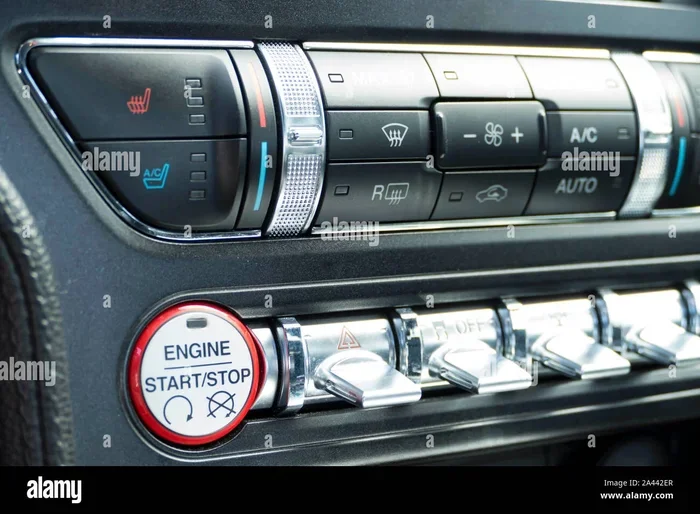
Can You Hotwire a Push-to-Start Car Yes Heres How
Many people wonder if you can hotwire a push-to-start car. The short answer is that modern vehicles make it extremely difficult. Push-to-start systems use advanced encryption, immobilizer technology, and smart key authentication that traditional hotwiring methods simply cannot bypass. Understanding how these systems work helps car owners protect their vehicles and respond wisely if they ever get locked out.
Can you hotwire a push-to-start car? It is a question that crosses a lot of minds, especially when someone finds themselves locked out of their vehicle. The truth is that modern push-to-start technology has made traditional hotwiring almost obsolete. These cars use sophisticated electronic systems that are designed to prevent exactly this kind of unauthorized access. In this article, we will walk you through everything you need to know about hotwiring a push-to-start vehicle, how the security systems work, and what you should actually do if you ever get locked out.
Push-to-start cars have been around for over two decades now. They offer convenience and a modern feel that many drivers love. But with that convenience comes a whole new set of security challenges. Whether you are a curious car owner, a DIY enthusiast, or someone who just got locked out of their car, this guide has you covered. We will break down the technology, explore the methods people try, and give you practical advice you can actually use.
Let us start with the basics. Understanding how these systems work is the first step toward understanding why hotwiring them is so difficult. And trust us, once you see what goes on inside a push-to-start ignition, you will appreciate just how far automotive security has come.
Key Takeaways
- Push-to-start cars use advanced security: These vehicles rely on encrypted key fobs, transponder chips, and immobilizer systems that make traditional hotwiring nearly impossible.
- Older models may have vulnerabilities: Cars made before 2010 sometimes lack the same level of encryption, making them slightly more susceptible to bypass methods.
- Relay attacks are a real threat: Thieves can use relay devices to capture your key fob signal from inside your home and unlock your car nearby.
- Always call a professional locksmith: If you are locked out of your push-to-start vehicle, a licensed locksmith is the safest and most effective solution.
- Prevention is the best defense: Simple habits like storing your key fob away from doors and windows can dramatically reduce theft risk.
- Knowledge is power: Understanding how your car’s ignition system works helps you make smarter security decisions and avoid common mistakes.
📑 Table of Contents
How Push-to-Start Cars Work
Before we dive into whether you can hotwire these vehicles, it helps to understand what is happening under the hood. Push-to-start cars use a completely different ignition process than traditional vehicles. Instead of turning a physical key, you press a button after the system recognizes your key fob.
The Role of the Key Fob
Your key fob is basically a small computer. It sends a unique encrypted signal to your car when you are nearby. The car’s computer reads that signal and verifies it before allowing the engine to start. This is called the smart key system. Without the correct fob signal, the car simply will not start, no matter what you do with the ignition button.
The fob communicates through radio frequency identification, or RFID. This is the same basic technology used in access cards for buildings. But car manufacturers have added layers of encryption on top of it to make it much harder to fool.
The Immobilizer System
Every modern push-to-start car has an immobilizer system. This is a security feature that prevents the engine from running unless the correct key fob is detected. Even if someone manages to connect the right wires in the ignition switch, the immobilizer will block the starter motor from engaging. This alone makes traditional hotwiring useless on most newer vehicles.
The immobilizer works by comparing a unique code from your key fob with the code stored in the car’s computer. If the codes do not match, the system stays locked. This is why simply connecting wires will not get a push-to-start car running.
The Steering Column Lock
Older cars had a mechanical steering column lock that could be broken or bypassed. Push-to-start cars still have steering locks, but they are electronic. The lock is controlled by the car’s computer and will not release unless the correct fob is authenticated. This adds another layer of protection that makes unauthorized access even harder.
Can You Actually Hotwire a Push-to-Start Car?
Now let us get to the big question. Can you hotwire a push-to-start car? The honest answer is that it is extremely difficult, and in most cases, practically impossible on modern vehicles. Let us break down why.
Why Traditional Hotwiring Does Not Work
Traditional hotwiring involves bypassing the ignition switch by connecting the starter wire and the ignition wire directly. This worked on older cars because the ignition system was purely mechanical. There was no computer involved, no encryption, and no immobilizer.
Push-to-start cars have no mechanical ignition switch to bypass. The button you press is just a input device. The real brain of the system is the car’s computer, which sits behind layers of encryption and security protocols. You cannot simply jump wires and expect the engine to turn over.
The Encryption Factor
Modern push-to-start systems use rolling encryption codes. This means that the code your fob sends changes every time you use it. Even if someone intercepted the code, it would be useless the next time you started your car. This is called a rolling code system, and it is one of the main reasons why hotwiring these vehicles is so challenging.
Some car thieves have tried to clone fob signals, but the encryption makes this very difficult. The computational power needed to break the encryption in real time is far beyond what a typical thief would have access to.
What About Older Push-to-Start Models?
Cars made between 2005 and 2015 that had push-to-start features may have slightly weaker security than newer models. Some of these vehicles still used basic transponder technology without advanced encryption. However, even these older models are much harder to hotwire than traditional key-start cars.
If you own an older push-to-start vehicle, it is still worth knowing that the immobilizer and transponder chip provide strong protection. The days of easily hotwiring any car are long gone.
Methods People Try to Bypass Push-to-Start Systems
Even though hotwiring does not work, some people still try to bypass push-to-start security. Let us look at the most common methods and why they are risky or ineffective.
Relay Attacks
A relay attack is one of the most talked-about methods for stealing push-to-start cars. In a relay attack, a thief uses two devices. One device captures the signal from your key fob inside your home. The second device relays that signal to the car parked outside. The car thinks your fob is nearby, and it unlocks and starts.
This method does not involve hotwiring at all. It exploits the fact that key fob signals can travel through walls and windows. Relay attacks work on some older push-to-start models that do not require the fob to be inside the car for starting.
However, newer models have improved their vehicle security by requiring the fob to be inside the cabin before the engine can start. This makes relay attacks much less effective on recent models.
Onboard Diagnostics Exploits
Some thieves have tried using the onboard diagnostics port, or OBD-II port, to start a push-to-start car. The OBD-II port is located under the dashboard and is meant for mechanics to diagnose problems. In theory, a device plugged into this port could communicate with the car’s computer and mimic a key fob signal.
In practice, this is very difficult. Modern cars require authentication before allowing the OBD-II port to control critical systems like the starter motor. And most thieves do not have the specialized equipment needed to pull this off.
Key Fob Cloning
Key fob cloning involves copying the signal from your original fob onto a blank one. This works on some older vehicles that use fixed encryption codes. But as we mentioned, modern push-to-start systems use rolling codes that change constantly, making cloning almost impossible.
Even if someone could clone your fob, they would still need to deal with the immobilizer system. Cloning alone does not give them the full access they need.
The Steering Column Bypass
Some people try to physically break the steering column lock to gain access to the wiring. This is a destructive method that damages the car and is very noticeable. It also does not bypass the immobilizer or the encrypted fob authentication system.
In most cases, breaking the steering column will not get a push-to-start car running. The electronic systems simply will not allow it.
| Method | Works on Push-to-Start? | Difficulty Level | Risk Level |
|---|---|---|---|
| Traditional Hotwiring | No | Easy | High (illegal) |
| Relay Attack | Sometimes (older models) | Medium | High (illegal) |
| OBD-II Exploit | Rarely | Very Hard | High (illegal) |
| Key Fob Cloning | No (modern systems) | Hard | High (illegal) |
| Steering Column Bypass | No | Medium | High (illegal + destructive) |
Why Modern Push-to-Start Cars Are So Secure
Automotive security has come a long way in the past 20 years. Push-to-start cars are designed with multiple layers of protection that work together to prevent unauthorized access. Let us look at why these systems are so hard to beat.
Multi-Layer Authentication
Modern push-to-start systems do not rely on just one security check. They use a combination of methods to verify your identity. The key fob must be detected, the encrypted code must match, and the immobilizer must be satisfied before the engine can start. This multi-layer approach makes it incredibly hard for anyone to trick the system.
Think of it like a bank vault. One lock is not enough. You need the right key, the right code, and the right biometric scan. Push-to-start cars work the same way, just with electronic locks instead of physical ones.
Advanced Transponder Technology
The transponder key or smart fob in your push-to-start car contains a tiny chip that communicates with the car’s computer. This chip sends a unique identification code every time you try to start the vehicle. If the code is not recognized, the car will not start.
This technology is very different from the simple metal keys used in older cars. A metal key can be copied relatively easily. A transponder chip cannot be duplicated without specialized equipment and access to the manufacturer’s programming system.
Real-Time Monitoring
Some high-end push-to-start vehicles include real-time monitoring systems. These systems can detect unusual activity, such as someone trying to access the wiring or use unauthorized devices. If a threat is detected, the system may lock down entirely and alert the owner through a mobile app.
This level of automotive security was unheard of 15 years ago. Today, it is becoming standard in many new vehicles.
Quick Tips
- Always keep your key fob in a signal-blocking pouch when you are at home overnight.
- Never leave your fob near windows, doors, or in clear view from outside.
- Update your car’s software when manufacturers release security patches.
- Use a steering wheel lock as an extra physical deterrent.
- Park in well-lit areas and close your garage if you have one.
What to Do If You Are Locked Out of a Push-to-Start Car
If you find yourself locked out of your push-to-start car, the worst thing you can do is try to hotwire it. Not only will it almost certainly not work, but you could also damage your vehicle’s electronic systems. Here is what you should do instead.
Call a Professional Locksmith
A licensed automotive locksmith is your best friend in a lockout situation. They have the tools, training, and access to manufacturer databases to program a new key fob or unlock your car safely. Most locksmiths can handle push-to-start vehicles and can often be at your location within 30 minutes.
Make sure to call a reputable locksmith. Check reviews, verify their license, and ask about their experience with push-to-start cars specifically. A good locksmith will never damage your vehicle during the process.
Use Your Roadside Assistance Plan
If you have roadside assistance through your insurance company or car manufacturer, now is the time to use it. Many newer cars come with built-in roadside assistance that includes lockout service. Check your membership benefits before calling a third-party locksmith.
Check for a Spare Key
Do you have a spare key fob at home? Many people keep one in their house or with a family member. If so, have someone bring it to you. This is the fastest and cheapest solution to a lockout.
Some push-to-start cars allow you to start the vehicle with a physical backup key hidden inside the fob. Check your owner’s manual to see if yours has this feature.
Contact Your Dealership
If you have lost your key fob entirely, your car dealership can help. They can program a new fob using your vehicle identification number, or VIN. This process usually takes a few hours and may cost more than a locksmith, but it guarantees factory-level compatibility.
Common Mistakes
- Trying to hotwire the car: It will not work on modern push-to-start systems and could damage the electronics.
- Breaking a window: This is expensive and dangerous. Always try professional help first.
- Leaving the car unlocked: If you cannot get in, do not leave the car in an unlocked state. This invites theft.
- Ignoring the problem: The longer you leave a car unattended, the higher the risk of theft or vandalism.
How to Prevent Car Theft in Push-to-Start Vehicles
Prevention is always better than cure. While push-to-start cars are very secure, no system is completely foolproof. Taking a few simple precautions can dramatically reduce your risk of becoming a victim of car theft.
Store Your Key Fob Safely
The easiest way to prevent a relay attack is to block your key fob’s signal. You can buy signal-blocking pouches, also called Faraday bags, for just a few dollars. Keep your fob in one of these pouches when you are at home, especially overnight.
Another simple trick is to place your fob near your router or other electronic devices at night. The competing signals can confuse relay attackers and make it harder for them to capture your fob’s signal.
Keep Your Software Updated
Car manufacturers regularly release software updates that patch security vulnerabilities. Check with your dealership or use the manufacturer’s app to make sure your car’s software is up to date. These updates often address newly discovered security vulnerability issues that thieves could exploit.
Use Additional Physical Security
A steering wheel lock is a visible deterrent that makes your car a less attractive target. Thieves prefer easy targets, and a visible lock signals that your car is not an easy mark. You can also consider GPS tracking devices that help police recover stolen vehicles quickly.
Be Aware of Your Surroundings
Simple awareness goes a long way. Park in well-lit areas, keep your car locked at all times, and never leave your fob in the car. These basic habits can prevent most opportunistic theft attempts.
Expert Insights
Automotive security experts recommend treating your key fob like you would treat your house keys. Never leave it in an accessible place, never share it with strangers, and always report a lost fob immediately. The car theft prevention community also advises using a layered approach to security. No single method is perfect, but combining a signal-blocking pouch, a steering lock, and a GPS tracker gives you the strongest protection possible.
Conclusion
So, can you hotwire a push-to-start car? The answer is a clear no for modern vehicles. The advanced encryption, immobilizer systems, and multi-layer authentication make traditional hotwiring completely ineffective. Even the alternative methods that thieves try, like relay attacks and OBD-II exploits, are becoming less effective as manufacturers continue to improve their push-to-start ignition security.
If you ever find yourself locked out of your push-to-start car, the best thing you can do is call a professional locksmith or use your roadside assistance plan. Trying to bypass the system yourself is not only ineffective but could also cause expensive damage to your vehicle.
Understanding how your car’s security system works empowers you to make better decisions. From storing your key fob safely to keeping your software updated, every small step adds up to stronger vehicle security. The more you know about your car’s systems, the better equipped you are to protect it and respond wisely in any situation.
Stay informed, stay proactive, and remember that modern automotive security is designed to work for you, not against you. Your push-to-start car is one of the most secure vehicles on the road today, and with a few smart habits, it will stay that way.
Frequently Asked Questions
Can a locksmith hotwire a push-to-start car?
No, a locksmith cannot hotwire a push-to-start car in the traditional sense. What a locksmith can do is program a new key fob, unlock your car using specialized tools, and help you regain access safely. They work with the car’s existing security systems, not around them.
How do thieves steal push-to-start cars if they Cannot hotwire them?
Thieves often use relay attacks, where they capture the signal from your key fob and relay it to the car. They may also use OBD-II exploits or stolen key fob data from the dark web. These methods are different from hotwiring and exploit vulnerabilities in the fob’s signal rather than the ignition system.
Is it illegal to try to hotwire any car?
Yes, attempting to hotwire a car that does not belong to you is illegal in every state. It is considered unauthorized access to a vehicle and can result in serious criminal charges. Even if you own the car, attempting to bypass its security system may void your warranty and insurance coverage.
Can an old push-to-start car be hotwired more easily?
Older push-to-start models from 2005 to 2012 may have slightly weaker security than newer ones. However, even these vehicles use transponder chips and immobilizer systems that make traditional hotwiring ineffective. The security gap between older and newer models is significant but still favors the manufacturer.
What should I do if my push-to-start car will not start?
If your push-to-start car will not start, first check that your key fob has a working battery. Try holding the fob directly against the start button, as some cars have a backup reader for low-battery fobs. If that does not work, call a locksmith or your dealership for assistance.
Are push-to-start cars more expensive to insure?
Push-to-start cars may have slightly higher insurance premiums due to their higher value and the cost of replacing key fobs. However, their advanced security features can also qualify you for discounts. Check with your insurance provider to understand how your specific vehicle affects your rates.