Can You Bug Bomb a Car Here Is What You Need To Know
Bug bombing a car is possible but comes with serious risks and safety concerns. Before you grab a fogger and head to your vehicle, you need to understand the dangers of chemical exposure, residue contamination, and potential damage to your car interior. This guide covers everything you need to know about can you bug bomb a car, including safer alternatives and expert tips.
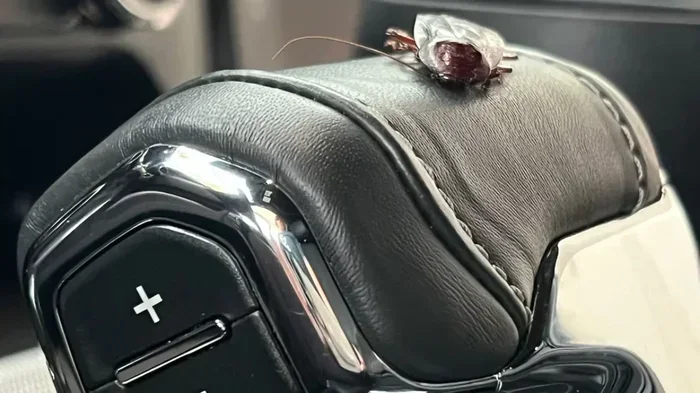
Have you ever opened your car door and been hit with an unwelcome wave of something crawling or flying? That moment is frustrating and even a little scary. Whether it is ants marching across your dashboard or roaches scurrying under the seats, a car pest infestation can ruin your day. Many people wonder if a simple bug bomb from the hardware store can fix the problem fast.
The short answer is yes, you can use a bug bomb in your car. But the real question is whether you should. Bug bombs, also called foggers, release a cloud of insecticide into an enclosed space. They work well for homes and apartments. Cars are much smaller and more sealed. That changes everything about how the chemicals behave and how safe the process is.
This guide walks you through everything you need to know. We will cover how bug bombs work, the real risks involved, and what you can do instead. By the end, you will have a clear picture of the best path forward for your situation.
Key Takeaways
- Bug bombs can be used in cars, but it is risky: The chemicals can cling to surfaces and pose health hazards if not handled properly.
- Proper preparation is essential: You must remove all food, personal items, and protect sensitive areas before fogging.
- Ventilation is critical after treatment: Your car needs thorough airing out before it is safe to drive or sit in.
- Safer alternatives exist: Natural sprays, professional detailing, and targeted pest control methods are often better options.
- Call a professional if the infestation is severe: Experts have the right tools and treatments for deep pest problems.
- Prevention is the best strategy: Regular cleaning and sealing entry points keep pests out of your car for good.
📑 Table of Contents
- What Is a Bug Bomb and How Does It Work
- Can You Bug Bomb A Car Safely
- Risks and Dangers of Bug Bombing Your Car
- Step-by-Step Guide If You Decide To Bug Bomb Your Car
- Safer Alternatives to Bug Bombing Your Car
- When To Call a Professional Exterminator
- How To Prevent Pest Infestations in Your Car
- Conclusion
What Is a Bug Bomb and How Does It Work
A bug bomb is a pressurized canister that releases a fine mist of insecticide into the air. You set it off in a closed room or space. The mist settles on every surface it touches. It kills bugs on contact and leaves behind a residue that continues to work for days.
Most bug bombs use pyrethrin or permethrin as the active ingredient. These are synthetic versions of natural compounds found in chrysanthemum flowers. They target the nervous system of insects. The chemicals are designed to be effective against roaches, ants, fleas, and other common pests.
How Bug Bombs Fill a Space
When you activate a fogger, it releases a large amount of mist very quickly. The mist fills the entire area. In a home, this means the chemicals reach cracks, crevices, and hidden spots where bugs live. In a car, the same thing happens but on a much smaller scale.
Because a car interior is compact, the concentration of chemicals is much higher than in a room. Every square inch of your car cabin gets coated. That includes your steering wheel, seats, dashboard, and even the air vents. This is exactly why the process needs careful planning.
Common Types of Bug Bombs
Not all foggers are the same. Here are the most common types you will find at the store:
- Total release foggers: These are the classic bug bombs. They release all their contents at once and are meant for sealed rooms.
- Continuous spray foggers: These can be used while you stay in the area. They are better for targeted treatment.
- Aerosol sprays with residual action: These leave a longer-lasting residue on surfaces but do not fill the space the same way.
For a car, most people use a total release fogger because it is the fastest option. But that speed comes with trade-offs, which we will discuss next.
Can You Bug Bomb A Car Safely
The short answer is that you can, but safety is not guaranteed. Bug bombing a car is different from fogging a room. The smaller space means higher chemical concentration. The materials inside a car, like plastic, fabric, and rubber, can absorb the insecticide. This creates long-term exposure risks.
Is It Legal to Bug Bomb a Car
There is no specific law that says you cannot use a bug bomb in your car. However, the product label on most foggers will say they are only for indoor use in homes and buildings. Using them in a vehicle may void the manufacturer’s guidelines. This is not a legal issue in most places, but it does mean you are using the product outside its intended purpose.
What the Experts Say
Most pest control professionals do not recommend bug bombing a car. They point out that the chemicals are too strong for such a small, enclosed area. The residue left behind can be difficult to fully remove. Even after airing out the car, traces of insecticide can linger on soft surfaces and in the HVAC system.
That said, many people have successfully used bug bombs in their vehicles with no major issues. The key is preparation, timing, and thorough cleaning afterward. If you decide to go this route, you need to do it right.
When Bug Bombing Makes Sense
There are situations where a bug bomb might be the most practical option. If you have a mild infestation and you are on a tight budget, a fogger can be a quick fix. If the car is a secondary vehicle or a work truck that you use less often, the risks are lower. But if your car is your daily driver, you should think twice.
Here are a few scenarios where bug bombing might be considered:
- You found a small number of ants or roaches and want to act fast.
- You recently picked up a used car with a known pest problem.
- You have tried other methods and nothing has worked.
- The car is parked in a garage or outdoor area, not your daily living space.
Risks and Dangers of Bug Bombing Your Car
Understanding the risks is just as important as knowing the process. Bug bombs are pesticides, and they carry real dangers if not used correctly. Being aware of these risks helps you make a smart decision.
Chemical Exposure and Health Hazards
The biggest concern with car fumigation using a bug bomb is chemical exposure. The insecticide mist settles on every surface. When you sit on the seats or touch the dashboard, those chemicals transfer to your skin. Over time, repeated exposure can cause health issues.
Common symptoms of insecticide exposure include:
- Headaches and dizziness
- Nausea and stomach discomfort
- Eye and throat irritation
- Skin rashes or allergic reactions
- Difficulty breathing in sensitive individuals
Children, pets, and people with asthma or allergies are especially vulnerable. Even a small amount of residue can trigger a reaction in these groups.
Damage to Car Interior and Materials
The chemicals in bug bombs can damage the materials inside your car. Plastic dashboards can become discolored or brittle over time. Fabric seats may absorb the insecticide and hold onto the smell for weeks. Rubber seals and gaskets can degrade faster with repeated chemical exposure.
Beyond physical damage, the chemical smell can be very hard to remove. Even after multiple washings and airing sessions, some car owners report a lingering odor for months. This is especially true in cars with cloth interiors or older leather that has already absorbed substances over time.
Residue in Air Vents and HVAC System
One of the hidden dangers is the residue that gets into your car’s air vents and heating system. When you turn on the air conditioning or heat, those chemicals can circulate through the cabin. This means you are breathing in low levels of insecticide every time you drive.
Cleaning the HVAC system thoroughly after a bug bomb treatment is essential. But it is not always easy to remove all traces. This is another reason many pest control experts advise against using foggers in cars.
Fire and Explosion Risk
Bug bombs use propellants to release the mist. In a hot car, especially one sitting in direct sunlight, the pressure inside the canister can build up. There is a small but real risk of the canister rupturing or even exploding if left in extreme heat. Always store foggers in a cool place and never leave them in a parked car.
Step-by-Step Guide If You Decide To Bug Bomb Your Car
If you have weighed the risks and still want to use a bug bomb, here is how to do it as safely as possible. Following these steps carefully will reduce the danger to you and your vehicle.
Step 1: Remove Everything from the Car
Before you do anything, take everything out of the car. This includes:
- All food items and snacks
- Personal belongings like bags, clothes, and electronics
- Floor mats and removable seat covers
- Any children’s car seats or pet carriers
- Trash and debris
The fewer items left inside, the less surface area the chemicals will cling to. Removing soft materials like floor mats is especially important because they absorb insecticide deeply.
Step 2: Protect Sensitive Areas
Cover any sensitive electronics or surfaces you want to protect. Use plastic bags or cling wrap over the:
- Infotainment screen
- Dashboard controls
- Air vents (you can remove the vent covers if possible)
- Any exposed electrical connections
This step is not foolproof, but it reduces the amount of direct chemical contact on delicate parts.
Step 3: Choose the Right Bug Bomb
Not all foggers are created equal. Look for a bug bomb that is labeled for indoor use and targets the specific pests you are dealing with. If you have roaches, choose a roach-specific formula. If ants are the problem, find one that targets ants. Using a general-purpose fogger is fine for mild infestations.
One fogger is usually enough for a standard car. Using more than one increases the chemical load significantly and raises the risk of residue buildup.
Step 4: Place the Bug Bomb in the Center of the Car
Set the fogger on a flat surface in the middle of the car, ideally on the floor behind the front seats. Make sure it is stable and will not tip over. Pull the trigger or activate the device according to the instructions on the label.
Once activated, get out of the car immediately and close all doors and windows. The car needs to remain sealed for the time stated on the product label, usually a few hours.
Step 5: Ventilate Thoroughly After Treatment
After the recommended wait time, open all doors and windows wide. If you have a garage with open doors, move the car outside. Let it air out for at least several hours, preferably a full day. Use fans to blow fresh air into the cabin.
Do not sit in the car or drive it until the smell is completely gone. If you can still smell the insecticide, the chemicals are still present and you are breathing them in.
Step 6: Clean Every Surface
Once the car has aired out, wipe down every surface with a damp cloth. Use a mild cleaning solution. Pay special attention to:
- Dashboard and center console
- Steering wheel and gear shift
- Seat surfaces and crevices
- Floor and carpet areas
- Door panels and handles
Remove and wash the floor mats separately. If you have removable seat covers, wash those too. This step is critical for removing the insecticide residue before you use the car again.
Quick Tips for Bug Bombing Your Car
- Always read the product label before use and follow the instructions exactly.
- Never use more than one fogger in a car at a time.
- Do not bug bomb a car that is parked in an enclosed garage.
- Keep pets and children away from the treated vehicle for at least 24 hours.
- Wash your hands thoroughly after cleaning the car interior.
Safer Alternatives to Bug Bombing Your Car
If the risks of bug bombing feel too high, you have other options. Many of these alternatives are safer, more targeted, and just as effective for most pest problems.
Natural and DIY Pest Sprays
You can make your own pest spray using natural ingredients. A mixture of water, white vinegar, and a few drops of essential oils like peppermint or tea tree oil can repel ants and roaches. Spray this directly into cracks, crevices, and under seats.
These natural sprays do not kill pests on contact the way a fogger does, but they create a barrier that discourages bugs from entering. They are safe for your car interior and do not leave behind harmful residue.
Professional Car Detailing and Pest Treatment
Many car detailing services now offer pest removal treatments as part of their package. These treatments use professional-grade products that are more targeted than a consumer bug bomb. The technicians know exactly how to treat a car interior without causing damage.
Professional car pest treatment is more expensive than buying a fogger at the store, but it is far safer. You also get the benefit of a thorough cleaning that removes the root cause of the infestation.
Targeted Pest Control Products
Instead of fogging the entire car, you can use targeted products that treat specific problem areas. Gel baits placed under the dashboard attract and kill roaches. Ant stations placed near entry points eliminate the colony. Sticky traps in hidden corners catch fleas and other crawling insects.
These methods use far less chemical and are much safer for daily use. They take a little longer to work but produce better long-term results.
Vacuuming and Deep Cleaning
Sometimes the best treatment is simply a very thorough cleaning. Vacuum every inch of the car, including under the seats, in the trunk, and along the edges of the floor. Use a crevice tool to reach tight spaces. Empty the vacuum outside immediately after you finish.
After vacuuming, wipe down all surfaces with a solution of water and mild dish soap. This removes pheromone trails and food residue that attract pests in the first place. Keeping your car clean is one of the most effective forms of pest prevention.
When To Call a Professional Exterminator
There are times when a DIY approach is not enough. If the infestation is severe or keeps coming back, it is time to call in a professional.
Signs You Need Professional Help
Look for these warning signs that your pest problem is beyond a simple bug bomb:
- You see large numbers of roaches or ants every day.
- Pests keep returning even after treatment.
- You find bugs in the engine bay or under the car.
- The infestation is in a vehicle you use daily and you cannot risk chemical exposure.
- You have tried multiple methods and nothing has worked.
A professional exterminator has access to industrial-grade treatments that are far more effective than consumer foggers. They also know how to apply them safely in a car environment without damaging your vehicle or putting your health at risk.
What to Expect from a Professional Treatment
Most pest control companies will inspect your car first. They identify the type of pest and the severity of the infestation. Then they apply a treatment that is appropriate for the situation. This might include a targeted spray, bait stations, or a professional-grade fogger designed for vehicles.
The cost varies depending on your location and the severity of the problem. But most treatments range from $100 to $300. It is a worthwhile investment compared to the cost of replacing a damaged car interior or dealing with health issues from chemical exposure.
How To Prevent Pest Infestations in Your Car
The best way to deal with pests in your car is to prevent them from getting there in the first place. A few simple habits can save you a lot of trouble down the road.
Keep Your Car Clean
Do not eat in your car if you can avoid it. Crumbs and food scraps are the number one attraction for ants, roaches, and other pests. If you do eat in the car, vacuum up any crumbs right away and wipe down surfaces.
Seal Entry Points
Check the weather stripping on your doors and windows. If it is worn or damaged, pests can easily sneak in. Replace any damaged seals and make sure your trunk closes tightly. Even small gaps can let in ants and other small insects.
Store Items Properly
If you keep groceries, pet food, or other items in your car, store them in sealed containers. Open bags of food are an open invitation for pests. The same goes for trash. Take out your car trash regularly and do not let it sit for days.
Regular Inspections
Make it a habit to check under your seats and in the trunk once a week. Look for signs of pests like droppings, nests, or live bugs. Catching a problem early makes it much easier to deal with before it becomes a full-blown infestation.
Conclusion
So, can you bug bomb a car? Yes, you can. But should you? That depends on your situation. If the infestation is mild and you take the right safety precautions, a bug bomb can work in a pinch. However, the risks of chemical exposure, residue contamination, and interior damage are real and should not be ignored.
For most people, safer alternatives like targeted sprays, professional detailing, and deep cleaning are the better choice. They are effective, they are safer, and they do not leave behind a chemical mess that lingers for weeks. If the problem is serious, calling a professional exterminator is the smartest move you can make.
Remember that pest prevention is always easier than pest removal. Keep your car clean, seal entry points, and stay on top of regular maintenance. Your car will stay pest-free, and you will not have to worry about the dangers of bug bombs in such a small space.
Take action today. Whether you choose a bug bomb, a natural spray, or a professional service, the most important step is to address the problem before it gets worse. A pest-free car is a safer, cleaner, and more comfortable car for everyone.
Frequently Asked Questions
Can you bug bomb a car while it is parked in a garage?
No, you should never use a bug bomb in an enclosed space like a garage. The chemicals can build up to dangerous levels and pose a serious health risk. Always treat your car outside or in a well-ventilated area with open doors on both sides.
How long should you wait before driving a bug-bombed car?
Wait at least 24 hours before driving or sitting in a car that has been bug bombed. Open all doors and windows and use fans to speed up ventilation. Only get in the car once the insecticide smell is completely gone.
Are bug bombs safe for pets that ride in cars?
No, bug bombs are not safe for pets. The chemicals can irritate their lungs, skin, and eyes. Remove all pets from the car before treatment and keep them away from the vehicle for at least 24 hours after fogging.
Will a bug bomb kill all the pests in my car?
A bug bomb can kill many pests on contact, but it may not reach bugs hiding deep in crevices or the HVAC system. For severe infestations, a targeted treatment or professional service is more effective than a single fogger.
How do you get the bug bomb smell out of a car?
To remove the smell, wash all surfaces with a mild cleaning solution, remove and wash floor mats and seat covers, and leave the car open and ventilated for several days. Baking soda on the seats and carpet can also help absorb lingering odors.
Is it cheaper to bug bomb a car or hire a professional?
A bug bomb costs around $5 to $10 at most stores, making it the cheaper option upfront. However, professional pest treatment costs $100 to $300 but is safer and more effective. The long-term savings from avoiding interior damage and health issues often make professional treatment the better value.