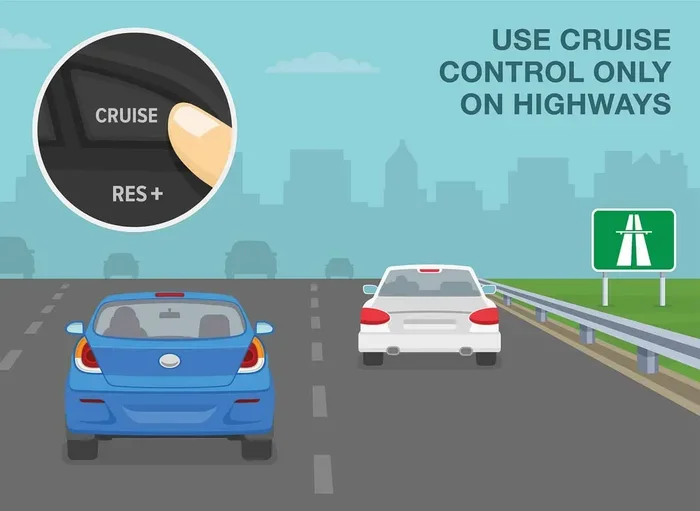
Do You Set Cruise Control While Driving and Why It Matters
Do you set cruise control while driving? The answer depends on road conditions, traffic, and your comfort level. Using cruise control the right way can save fuel, reduce fatigue, and make long trips more enjoyable. However, knowing when to turn it off is just as important as knowing when to use it. This guide covers everything you need to make confident decisions behind the wheel.
Have you ever been on a long highway drive and thought, “My foot is so tired”? That is where cruise control comes in. But here is the real question — do you set cruise control while driving? Many drivers use it every single day without thinking twice. Others avoid it completely because they are not sure how it works or when it is safe.
The truth is, cruise control is one of the most useful features in modern cars. It can make driving easier, save you gas, and help you stay at a steady speed. But it is not magic. There are right ways and wrong ways to use it. And some situations call for you to keep your foot on the pedal at all times.
In this article, we will walk through everything you need to know about using cruise control while driving. We will cover when it helps, when it hurts, and how to get the most out of this handy feature. Whether you are a new driver or someone who has been on the road for decades, there is something here for you.
Key Takeaways
- Cruise control works best on open highways with steady speed limits and light traffic.
- Avoid using cruise control in rain, snow, fog, or winding roads.
- Adaptive cruise control adjusts your speed automatically based on traffic flow.
- Using cruise control can improve fuel economy by maintaining a consistent speed.
- Always stay alert even when cruise control is active — it is not self-driving.
- Know how to cancel and resume cruise control quickly for safety.
- Set cruise control at or near the speed limit for the safest and most legal driving experience.
📑 Table of Contents
- What Is Cruise Control and How Does It Work?
- When Should You Set Cruise Control While Driving?
- When Should You NOT Use Cruise Control?
- Benefits of Using Cruise Control on the Road
- Common Cruise Control Mistakes Drivers Make
- Cruise Control vs. Adaptive Cruise Control: What Is the Difference?
- Tips for Using Cruise Control Safely and Effectively
- Key Takeaways
- Conclusion
What Is Cruise Control and How Does It Work?
Cruise control is a system in your car that lets you set a specific speed without pressing the gas pedal. Once you activate it, the car maintains that speed on its own. You can adjust the speed up or down using buttons on your steering wheel or column stalk.
The system works through your car’s electronic control unit. It talks to the engine and the throttle to keep your vehicle moving at the pace you choose. When you want to slow down, you either tap the brake pedal or press the cancel button. To speed back up, you use the resume function.
Most cars made after 2010 come with cruise control as a standard or optional feature. Older vehicles may have it as an add-on or not at all. The basic system is simple. But newer cars offer adaptive cruise control, which does even more. We will get to that later.
How Do You Activate Cruise Control?
Activating cruise control is usually very straightforward. Here is the general process:
- Drive at the speed you want to maintain.
- Press the “set” or “cruise” button on your steering wheel or stalk.
- You will see a light or icon on your dashboard turn on.
- Now you can take your foot off the gas pedal.
That is it. Your car is now holding your speed for you. To increase or decrease the speed, use the plus and minus buttons. To cancel, press the brake or the cancel button. To return to your set speed, press resume.
When Should You Set Cruise Control While Driving?
Do you set cruise control while driving in all situations? Absolutely not. But there are plenty of moments when it makes perfect sense. Let us look at the best times to use it.
On Long Highway Drives
This is the number one reason people use cruise control. If you are driving on a long, straight highway with steady traffic flow, setting your speed and relaxing your foot feels amazing. It is especially helpful on road trips where you might be driving for hours.
Highway driving at a constant speed is actually better for your engine than constantly speeding up and slowing down. Your car does not have to work as hard. This leads to smoother fuel efficiency and less wear on your engine over time.
On Flat or Gently Rolling Terrain
Cruise control works great on flat roads and gentle hills. The system can handle small inclines without you needing to touch the gas. On flat interstate highways, it is almost effortless to maintain your chosen speed.
However, steep mountain passes are a different story. We will talk about that in a moment. The key idea is that cruise control shines when the road is predictable and open.
During Light Traffic with a Steady Speed Limit
If you are on a highway and traffic is flowing steadily at the speed limit, cruise control can help you stay consistent. It prevents you from unintentionally speeding up or slowing down. This is actually a safety benefit because it keeps you from drifting above the limit without noticing.
When Should You NOT Use Cruise Control?
This is where things get important. Knowing when to turn cruise control off is just as valuable as knowing when to turn it on. There are several situations where using this feature can be dangerous or simply a bad idea.
In Bad Weather Conditions
Rain, snow, ice, and fog are all reasons to keep your foot on the pedal. When roads are wet or slippery, you need the ability to slow down quickly. Cruise control does not know the road conditions. It will keep pushing the car forward at your set speed, even if you need to slow down immediately.
In fact, using cruise control on icy roads can cause a loss of traction. If your wheels start to slip, the system may actually make things worse by continuing to apply throttle. Always turn it off when weather is anything less than perfect.
In Heavy or Stop-and-Go Traffic
Cruise control is designed for steady driving. It does not work well in heavy traffic where you need to constantly speed up and slow down. The system will not bring you to a complete stop in most vehicles. You would need to cancel it manually every time traffic slows, which defeats the purpose.
Some newer cars have adaptive cruise control that can handle stop-and-go traffic. But even then, it is not always smooth or reliable in heavy congestion. For standard cruise control, save it for open roads.
On Winding or Mountain Roads
Curvy roads and steep grades are not a good match for cruise control. When you are navigating turns, your speed needs to change constantly. The cruise control system will keep trying to maintain your set speed, which can be dangerous on sharp bends.
On mountain descents, cruise control can actually cause you to gain speed. The system may apply throttle on a downhill slope because it wants to maintain your set speed. This takes away your ability to control your speed manually, which is risky.
When You Are Tired or Drowsy
This might sound surprising. You might think cruise control helps when you are tired. And it can take some pressure off your foot. But it does not replace your attention. In fact, relying too much on cruise control can make you more drowsy because you feel less engaged with the driving task.
If you are tired, the best thing to do is pull over and rest. Cruise control is a helper, not a replacement for an alert driver. Never use it as a reason to push through fatigue.
Benefits of Using Cruise Control on the Road
When used correctly, cruise control offers some real advantages. Let us look at the main benefits that make this feature worth using.
Improved Fuel Efficiency
One of the biggest perks of cruise control is better gas mileage. When you maintain a steady speed, your engine does not have to work as hard. Constantly accelerating and braking wastes fuel. By keeping a consistent pace, you can save anywhere from 7 to 14 percent on fuel during highway driving.
This adds up fast over long trips. If you are driving hundreds of miles, those fuel savings can be significant. It is one of the simplest ways to make your car more efficient without buying a new vehicle.
Reduced Driver Fatigue
Long drives can wear you out. Keeping your foot on the gas pedal for hours puts strain on your leg and foot muscles. Cruise control takes that burden away. You can shift your position, stretch slightly, and stay more comfortable behind the wheel.
Less physical fatigue means you arrive at your destination feeling better. It also means you are less likely to make mistakes caused by a tired leg or foot cramping up. For long road trips, this is a real game changer.
Better Speed Consistency
Humans are not perfect speed regulators. We tend to speed up without noticing and then brake a little too hard. Cruise control keeps your speed steady and predictable. This is not just good for fuel — it is also safer because other drivers can anticipate your speed.
Consistent speed also means fewer speed-related tickets. If you set cruise control at or just below the speed limit, you are less likely to accidentally exceed it. Of course, you should always watch your speed and adjust as needed.
Common Cruise Control Mistakes Drivers Make
Even experienced drivers make mistakes with cruise control. Let us go over the most common errors so you can avoid them.
Forgetting It Is On
This happens more often than you might think. You set cruise control on the highway and then take an exit ramp without realizing it is still active. The car keeps trying to maintain speed on a road that requires slowing down. This can be very dangerous.
Always double-check your dashboard display. Make sure cruise control is off before you exit the highway or enter any area with changing speed limits. Get in the habit of checking before every turn or exit.
Setting the Speed Too High
Some drivers set cruise control above the speed limit because they think it will save time. This is a bad habit. Not only is it illegal, but it also increases your risk of a crash. The faster you go, the longer your stopping distance and the harder any impact will be.
Set your cruise control at the speed limit or just a few miles below it. This keeps you safe, legal, and in control at all times.
Relying on It Too Much
Cruise control is a tool, not an autopilot. Some drivers get so comfortable that they stop paying full attention to the road. This is extremely dangerous. You still need to watch for brake lights ahead, changing traffic patterns, road signs, and unexpected obstacles.
Always keep both hands near the wheel and your eyes on the road. Cruise control should make driving more comfortable — not make you less alert.
Cruise Control vs. Adaptive Cruise Control: What Is the Difference?
You have probably seen the term adaptive cruise control on newer cars. It is becoming more common, and it works differently from standard cruise control. Let us break it down.
Standard cruise control maintains a fixed speed. It does not react to other vehicles around you. If the car ahead slows down, you are responsible for braking. Adaptive cruise control uses radar, cameras, or sensors to detect vehicles in front of you. When the car ahead slows, your car automatically slows down too.
When the road clears and the car ahead speeds back up, your car resumes your set speed. This makes adaptive cruise control much safer in moderate traffic. It is a great feature for highway driving, especially in areas with frequent merging or congestion.
However, adaptive cruise control is not perfect either. It may not always detect smaller vehicles like motorcycles or bicycles. It can also struggle in heavy rain or snow when sensors get blocked. Always stay alert and be ready to take control.
Which One Should You Use?
If your car has adaptive cruise control, you have more flexibility. You can use it in light to moderate traffic where standard cruise control would not work. But even with adaptive cruise control, you should not take your hands off the wheel or stop paying attention.
For the best of both worlds, many drivers use adaptive cruise control on highways and standard cruise control on open, flat roads. Knowing the difference helps you choose the right tool for the right situation.
Tips for Using Cruise Control Safely and Effectively
Want to get the most out of cruise control without any headaches? Here are some practical tips to keep in mind.
- Practice in safe conditions first. Try using cruise control on a quiet highway before relying on it in heavy traffic. Get comfortable with how it feels and how to cancel or adjust it quickly.
- Keep your speed reasonable. Set cruise control at or slightly below the posted speed limit. This keeps you safe and legal.
- Stay alert at all times. Cruise control does not drive the car for you. Keep your eyes on the road, your hands on the wheel, and your mind on driving.
- Check your dashboard often. Make sure cruise control is on or off as needed. A quick glance at your instrument cluster can prevent mistakes.
- Cancel before wet or icy roads. If weather changes while you are driving, turn off cruise control immediately. Your safety comes first.
- Use the brake pedal to slow down. Tapping the brake automatically cancels cruise control in most vehicles. Get used to this so you can react quickly.
- Combine cruise control with good posture. Sitting in the same position for hours can cause stiffness. Adjust your seat, shift your weight, and take breaks every couple of hours.
These tips may seem simple, but they make a big difference. The goal is to use cruise control as a helpful assistant — not a replacement for good driving habits.
Quick Tips for Beginners
If you are new to cruise control, start with these easy steps:
- Read your car’s owner manual to find where the cruise control buttons are.
- Practice on a familiar, open highway during light traffic.
- Set a moderate speed and practice canceling and resuming.
- Gradually build confidence before using it on longer trips.
- Always remember that you are still the driver and in full control.
Key Takeaways
- Cruise control works best on open highways with steady speed limits and light traffic.
- Avoid using cruise control in rain, snow, fog, or winding roads.
- Adaptive cruise control adjusts your speed automatically based on traffic flow.
- Using cruise control can improve fuel economy by maintaining a consistent speed.
- Always stay alert even when cruise control is active — it is not self-driving.
- Know how to cancel and resume cruise control quickly for safety.
- Set cruise control at or near the speed limit for the safest and most legal driving experience.
Conclusion
So, do you set cruise control while driving? The answer is yes — when it makes sense. Cruise control is a fantastic feature that can make your drives more comfortable, more fuel-efficient, and more consistent. But it is not right for every situation. Bad weather, heavy traffic, winding roads, and moments of fatigue all call for you to keep your foot on the pedal.
The key is understanding how cruise control works and when to use it wisely. Treat it as a helpful tool, not a replacement for your attention and judgment. With the right approach, you can enjoy the benefits of cruise control without any of the risks.
Next time you get behind the wheel, think about the road ahead. If conditions are right, go ahead and set that cruise control. If they are not, keep it off and stay in full control. Either way, you are making a smart choice for safer, more comfortable driving.
Drive smart, stay alert, and let cruise control do the heavy lifting when the road is ready for it. You will feel the difference on your next long trip.
Frequently Asked Questions
Can cruise control save me money on gas?
Yes, it can. Maintaining a steady speed with cruise control prevents unnecessary acceleration and braking. This consistency helps your engine run more efficiently, which can improve your fuel economy by several percentage points over long highway drives.
Is cruise control the same as self-driving?
No, absolutely not. Cruise control only manages your vehicle’s speed. You are still responsible for steering, braking when needed, and staying aware of road conditions. Think of it as a helpful assistant, not a replacement for you as the driver.
Can I use cruise control in the rain?
You should not. Wet roads reduce traction, and you need the ability to slow down quickly. Cruise control does not adjust for slippery conditions and can actually increase the risk of losing control. Always turn it off when driving in rain, snow, or ice.
What happens if I press the brake while cruise control is on?
Pressing the brake pedal automatically cancels cruise control in almost all vehicles. This is a safety feature designed to give you immediate control. Your set speed is usually saved, so you can press resume to return to it once conditions are safe.
Can I set cruise control below the speed limit?
Yes, you can. In fact, setting cruise control at or slightly below the speed limit is a smart and safe practice. It helps you avoid accidentally speeding and gives you more time to react to changes in traffic or road conditions.
Does adaptive cruise control work in all traffic?
Adaptive cruise control works well in light to moderate traffic but may struggle in very heavy congestion or sudden stop-and-go situations. It also may not detect all objects, such as motorcycles or stationary vehicles in some cases. Always stay alert and be ready to take manual control.