Can I Add Coolant If Its Empty And What You Need To Know
Yes, you can add coolant if the system is empty, but you must do it the right way to protect your engine. Adding coolant to an empty system requires bleeding air pockets, choosing the correct type, and following safety steps. This guide walks you through everything you need to know about refilling your coolant when it is completely empty and keeping your car running safely.
Have you ever popped the hood and realized your coolant reservoir is completely empty? It is a scary moment for any car owner. Your engine relies on coolant to stay at the right temperature. Without it, things can go wrong very fast. The good news is that you can add coolant if it is empty. But there are some important steps you need to follow. Doing it wrong can damage your engine or even hurt you.
In this guide, we will walk you through everything. You will learn whether it is safe, what type to use, and how to avoid common mistakes. We will also cover why your coolant might be empty in the first place. Whether you are a beginner or a seasoned DIYer, this article has you covered. Let us get into it.
Key Takeaways
- You can add coolant to an empty system: It is safe as long as the engine is cool and you use the right type.
- Never add coolant to a hot engine: This can cause serious burns and engine damage.
- Air bleeding is critical: Skipping this step can lead to overheating and costly repairs.
- Mix coolant with distilled water: Pure coolant actually cools less effectively than a proper 50/50 mix.
- Check for leaks first: An empty coolant system often signals a leak that needs attention.
- Use the correct coolant type: Mixing incompatible coolants can cause blockages and corrosion.
- Regular maintenance prevents empty coolant situations: Routine checks save money and keep your engine healthy.
📑 Table of Contents
- Can I Add Coolant If Its Empty: The Short Answer
- What Happens When Your Coolant Is Empty
- How to Safely Add Coolant When the System Is Empty
- What Type of Coolant Should You Use?
- Common Mistakes When Adding Coolant to an Empty System
- When to See a Mechanic Instead of DIY
- Preventing Future Coolant Loss
- Key Takeaways
- Conclusion
Can I Add Coolant If Its Empty: The Short Answer
The short answer is yes. You can add coolant if the system is completely empty. But the longer answer is that it depends on a few things. First, you need to make sure the engine is completely cool. Second, you need to use the right type of coolant. Third, you need to know how to properly refill and bleed the system. Skipping any of these steps can cause problems.
When your coolant level is empty, air has filled the cooling system. This air needs to be removed after you refill. If air pockets remain, they can create hot spots inside the engine. These hot spots can lead to overheating. Overheating can cause serious engine damage. So yes, you can add coolant when it is empty. But you need to do it carefully and correctly.
Why This Matters
Your engine generates a lot of heat. The combustion process produces extreme temperatures. Coolant absorbs that heat and carries it away through the radiator. Without coolant, the heat has nowhere to go. Engine parts can warp, crack, or seize up. Repairing a damaged engine can cost thousands of dollars. That is why knowing how to properly refill coolant when it is empty is such an important skill.
What Happens When Your Coolant Is Empty
Before we dive into the how-to, let us talk about what happens when your engine coolant is empty. Understanding the risks helps you appreciate the importance of doing this right.
Overheating Risk
The most immediate danger is overheating. Coolant circulates through the engine block and head. It absorbs heat and transfers it to the radiator. Without coolant, the engine temperature rises fast. Within minutes, you can see the temperature gauge climb into the red zone. If you keep driving, the engine can overheat completely.
Overheating can cause:
- Cracked cylinder head: This is an expensive repair that can sideline your car.
- Blown head gasket: Coolant can leak into the cylinders, causing white smoke.
- Warped engine block: In severe cases, the engine block itself can become damaged.
- Piston damage: Extreme heat can cause pistons to seize or break.
Coolant Warning Signs
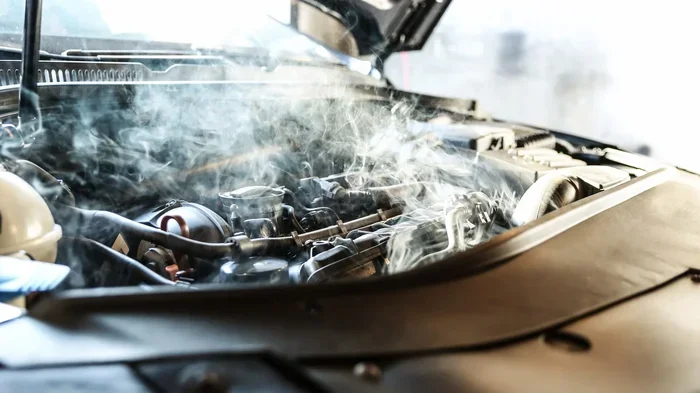
Most modern cars have warning systems. The coolant warning light on your dashboard will come on. You might also see steam rising from the hood. A sweet smell near the engine is another sign. If you notice any of these, pull over safely and turn off the engine. Do not keep driving if the engine is overheating.
Why Coolant Levels Drop
Understanding why your coolant went empty helps you prevent it from happening again. Here are the most common reasons:
- Leaks in the system: Hoses, the radiator, or the water pump can develop leaks over time. A small drip can become a big problem fast.
- Blown head gasket: This pushes coolant into the combustion chambers or oil system.
- Evaporation: In older vehicles, coolant can slowly evaporate through small cracks or loose caps.
- Radiator cap failure: A bad cap can let coolant escape under pressure.
- Overheating history: Previous overheating incidents can burn off coolant quickly.
How to Safely Add Coolant When the System Is Empty
Now let us get into the step-by-step process. This is the most important part of the article. Follow these steps carefully to add coolant safely to an empty system.
Step 1: Let the Engine Cool Completely
This is the most important rule. Never open the radiator cap or coolant reservoir on a hot engine. The system is under pressure. Hot coolant can spray out and cause severe burns. Wait at least 2 to 3 hours after driving. Better yet, check the coolant level in the morning before you start the car. The engine coolant temperature should be at or near ambient.
Step 2: Gather Your Supplies
Before you start, make sure you have everything ready. Here is what you will need:
- The correct coolant type for your vehicle (check your owner manual)
- Distilled water if you are mixing coolant yourself
- A clean funnel
- Clean rags or paper towels
- Safety gloves and eye protection
- A container to catch any old fluid (if draining)
Step 3: Locate the Coolant Reservoir
Find the coolant reservoir under your hood. It is usually a translucent plastic tank with MIN and MAX markings. Some vehicles have a dedicated radiator cap instead. Check your owner manual if you are not sure where it is. Never open the radiator cap until you are sure the engine is cool.
Step 4: Open the Reservoir Cap Slowly
Even on a cool engine, there might be slight residual pressure. Turn the cap slowly. Listen for any hissing sound. If you hear air escaping, wait a few seconds and try again. Once the cap is off, set it aside safely.
Step 5: Fill the Reservoir Gradually
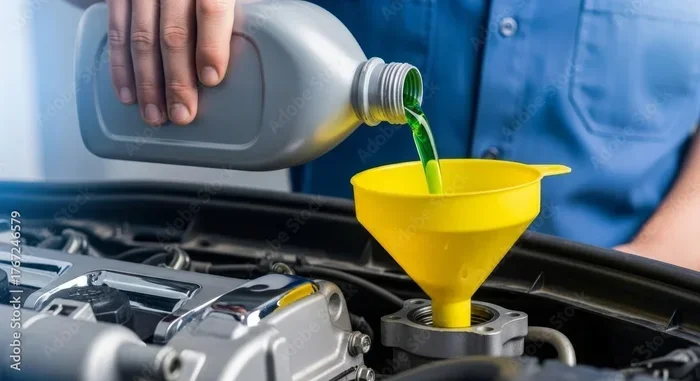
This is where many people make mistakes. Do not just pour coolant in quickly. When the system is empty, air fills the passages. Pour coolant slowly into the reservoir. Let it settle. Keep adding small amounts until you reach the MAX line. Using a funnel helps prevent spills.
Step 6: Bleed the Air from the System
Bleeding air is the step most people skip. And it is the step that causes the most problems later. Air trapped in the cooling system creates hot spots. These hot spots can cause your engine to overheat even with coolant in the reservoir.
Here is how to bleed air:
- Start the engine and let it idle.
- Turn the heater to maximum heat and the fan to full speed.
- Watch the coolant reservoir. You will see bubbles as air escapes.
- Add more coolant as the level drops.
- Continue until the bubbles stop and the level stabilizes.
- Some vehicles have a dedicated bleed screw on the radiator or thermostat housing. Check your manual.
This process can take 15 to 30 minutes. Be patient. Rushing this step can leave air pockets that cause real problems.
Step 7: Check the Coolant Level After Driving
After bleeding the system, take a short test drive. Then let the engine cool again and check the reservoir level. Top off if needed. Repeat the bleed process if you still see bubbles. A properly bled system will have a stable coolant level and no air bubbles.
What Type of Coolant Should You Use?
Not all coolants are the same. Using the wrong type can damage your cooling system. Here is what you need to know about choosing the right coolant for an empty system.
Coolant Types Explained
There are several types of coolant on the market. Each uses different chemical formulas. Here are the main ones:
- Inorganic Additive Technology (IAT): This is the traditional green coolant. It uses silicates and phosphates for protection. It typically needs replacement every 2 years or 24,000 miles.
- Organic Acid Technology (OAT): This is often orange, red, or purple. It uses organic acids for corrosion protection. It lasts longer, typically 5 years or 150,000 miles.
- Hybrid Organic Acid Technology (HOAT): This combines elements of IAT and OAT. It is usually yellow or turquoise. It offers a balance of protection and longevity.
- Phosphate Organic Acid Technology (POAT): This is a newer formula often found in Asian vehicles. It is typically pink or blue.
Why Mixing Coolant Types Is Dangerous
Never mix different coolant types. The chemicals can react with each other. This reaction can create gel-like substances that clog your cooling system. A clogged system cannot circulate coolant properly. This leads to overheating. Always use the same type that was originally in your vehicle. If you are unsure, a coolant flush and full replacement is the safest option.
Pre-Mixed vs. Concentrated Coolant
Pre-mixed coolant comes ready to use. You pour it straight into the reservoir. Concentrated coolant needs to be mixed with distilled water first. The standard ratio is 50/50. This mixture protects against freezing down to about -34°F and boiling up to 265°F. Using pure concentrate actually reduces cooling efficiency. Always dilute concentrated coolant properly.
Common Mistakes When Adding Coolant to an Empty System
Even well-meaning car owners make mistakes. Here are the most common ones and how to avoid them.
Adding Coolant to a Hot Engine
This is the number one mistake. A hot engine means the cooling system is under pressure. Opening it can release a blast of scalding coolant. The burn risk is very real. Always wait for the engine to cool completely. This is non-negotiable.
Using Tap Water Instead of Distilled Water
Tap water contains minerals that can form deposits inside your cooling system. These deposits reduce heat transfer and can clog small passages. Always use distilled water when mixing coolant. It is cheap and available at any gas station.
Overfilling the Reservoir
Coolant expands when it heats up. If you overfill the reservoir, the excess has nowhere to go. It can leak out onto your engine bay. It can also cause pressure buildup. Always fill to the MAX line, not beyond it.
Skipping the Air Bleeding Process
We mentioned this earlier, but it deserves repeating. Skipping air bleeding is the fastest way to experience overheating after a refill. Air pockets act as insulation inside the engine. They prevent coolant from touching hot surfaces. The result is localized overheating and potential damage.
Ignoring the Root Cause
If your coolant went empty, something caused it. A leak, a blown gasket, or a faulty component. Simply refilling without finding the cause means you will be back here again. Always investigate why the coolant was empty in the first place. Check for visible leaks under the car. Look for coolant stains around hoses and connections. If you cannot find the source, have a mechanic inspect the system.
When to See a Mechanic Instead of DIY
Adding coolant to an empty system is a task most people can handle at home. But there are times when you should call a professional. Here are the situations where professional help is the smart choice.
- You cannot find the source of the leak: Internal leaks, like a blown head gasket, need professional diagnosis.
- The engine has overheated before the coolant went empty: Overheating can cause hidden damage that only a mechanic can properly assess.
- You are not comfortable working under the hood: There is no shame in that. A professional can do the job safely and correctly.
- You notice white smoke from the exhaust after refilling: This could indicate coolant entering the combustion chamber. This is a serious issue that needs immediate attention.
- Your vehicle has a complex cooling system: Some modern cars have advanced cooling systems with electronic controls. These can be tricky to bleed properly without the right tools and knowledge.
A mechanic can also perform a pressure test on the cooling system. This test identifies leaks that are not visible to the naked eye. It is a quick and inexpensive way to rule out serious problems. If the test comes back clean, you can refill with confidence.
Preventing Future Coolant Loss
Once you have successfully refilled your system, you want to keep it that way. Prevention is always better than cure. Here are some tips to keep your coolant system healthy and your engine running cool.
Regular Coolant Checks
Make it a habit to check your coolant level once a month. It only takes a minute. With the engine cool, open the reservoir and look at the level. It should be between the MIN and MAX marks. If it is low, top it off and investigate why. Catching a slow leak early can save you from a major repair later.
Schedule Regular Coolant Flushes
Over time, coolant breaks down. It loses its ability to prevent corrosion and transfer heat. Most manufacturers recommend a coolant flush every 2 to 5 years, depending on the type. Check your owner manual for the specific interval. A flush removes old, contaminated coolant and replaces it with fresh fluid.
Inspect Hoses and Connections
Coolant hoses are rubber and degrade over time. They can crack, swell, or develop weak spots. Inspect them regularly for signs of wear. Replace any hose that looks brittle, cracked, or soft. Also check all clamps and connections. A loose clamp can cause a slow leak that gradually empties your system.
Keep Your Radiator Clean
Your radiator releases heat into the air. If it is clogged with dirt, bugs, or debris, it cannot do its job efficiently. Use a soft brush or compressed air to clean the fins. Never use high-pressure water directly on the radiator fins. This can bend them and reduce airflow.
Replace the Radiator Cap When Needed
The radiator cap maintains pressure in the cooling system. A weak cap can cause coolant to overflow and escape. Most caps last about 5 years. Consider replacing yours as part of routine maintenance. It is a cheap part that prevents big problems.
Key Takeaways
- You can add coolant to an empty system: It is safe as long as the engine is cool and you use the correct type.
- Always let the engine cool completely: This prevents burns and pressure-related injuries.
- Bleed the air from the system: Air pockets cause hot spots and can lead to overheating.
- Use the right coolant type: Check your owner manual and never mix different coolant formulas.
- Mix concentrated coolant with distilled water: A 50/50 ratio provides the best protection.
- Investigate the root cause of empty coolant: A leak or other issue is usually the culprit.
- Regular maintenance prevents problems: Routine checks and flushes keep your cooling system in top shape.
Conclusion
So, can you add coolant if it is empty? Absolutely yes. But doing it the right way matters. You need a cool engine, the correct coolant type, and patience during the air bleeding process. Rushing through any of these steps can lead to overheating, engine damage, or even personal injury.
Your cooling system is the unsung hero of your vehicle. It works hard every time you drive. Taking care of it with proper coolant maintenance pays off in the long run. A well-maintained cooling system keeps your engine at the right temperature and prevents costly repairs.
If you ever find yourself with an empty coolant reservoir, do not panic. Follow the steps in this guide. Take your time. And if something does not feel right, do not hesitate to see a professional. Your engine will thank you for it. Stay safe, stay cool, and keep your car running strong.
Frequently Asked Questions
Can I add coolant to an empty engine right after driving?
No, you should never add coolant to a hot engine. The system is under pressure and the coolant is extremely hot. Wait at least 2 to 3 hours after driving, or check the coolant level in the morning before starting the car. Adding coolant to a hot engine can cause severe burns and engine damage.
What happens if I drive with an empty coolant reservoir?
Driving with empty coolant is very dangerous for your engine. Without coolant, the engine cannot regulate its temperature. It will overheat quickly, which can cause cracked cylinder heads, blown head gaskets, or even a seized engine. If you notice your coolant is empty, refill it before driving and check for leaks.
Do I need to bleed the air after adding coolant to an empty system?
Yes, bleeding air is essential when refilling an empty cooling system. Air pockets trapped in the system create hot spots that can cause localized overheating. The bleeding process involves running the engine with the heater on full and watching for bubbles in the reservoir. This can take 15 to 30 minutes but is well worth the effort.
Can I use water instead of coolant in an emergency?
Water can work as a temporary emergency substitute. It will help cool the engine short-term. However, water does not protect against corrosion or freezing. It also boils at a lower temperature than coolant. If you use water in an emergency, get to a shop as soon as possible to properly flush and refill with the correct coolant.
How do I know what type of coolant my car needs?
The best way is to check your owner manual. It will specify the exact coolant type and color for your vehicle. You can also check under the hood for a coolant label on the radiator or reservoir. If you are unsure, ask a mechanic or bring a sample of your current coolant to an auto parts store for matching.
Why does my coolant keep going empty even after refilling?
Recurring empty coolant almost always points to a leak. Common sources include cracked hoses, a leaking radiator, a faulty water pump, or a blown head gasket. Check under your car for puddles, inspect hoses for dampness, and look for coolant stains around connections. A mechanic can perform a pressure test to find hidden leaks.