Can a Water Pump Cause a Car to Overheat Without Warning
Yes, a water pump can absolutely cause a car to overheat without any obvious warning signs. The water pump is the heart of your vehicle’s cooling system, and when it fails, your engine can quickly reach dangerous temperatures. Understanding the early signs of water pump failure can save you from costly repairs and a stranded roadside experience.
You’re driving down the road, everything seems fine, and then — poof — steam starts billowing from under your hood. Your temperature gauge is in the red zone, and your engine is overheating. You pull over, confused. You just had your car serviced. What went wrong?
More often than not, the culprit is a water pump failure. And here’s the frustrating part: it can happen without any clear warning. One day your car runs perfectly, and the next, your engine is cooking itself from the inside out.
In this article, we’re going to answer the big question: can a water pump cause a car to overheat without warning? We’ll break down exactly how the water pump works, why it fails, what signs to watch for, and what you can do to avoid getting stranded. Whether you’re a car enthusiast or just someone who wants to understand their vehicle better, this guide has you covered.
The cooling system is one of the most important systems in your car. It keeps your engine running at the right coolant temperature and prevents catastrophic damage. When a key component like the water pump goes bad, the entire system suffers. Let’s dive into the details.
Key Takeaways
- A failing water pump is one of the top causes of engine overheating. It stops circulating coolant, leading to rapid temperature spikes.
- Water pump failure can happen suddenly or gradually. Sometimes there are no warning signs until the engine is already overheating.
- Common symptoms include coolant leaks, unusual noises, and steam from the hood. Catching these early can prevent major engine damage.
- Replacing a water pump typically costs between $300 and $750. The exact cost depends on your vehicle model and labor rates.
- Regular coolant flushes and inspections help prevent water pump problems. Simple maintenance goes a long way toward engine longevity.
- Driving with a bad water pump risks severe engine damage. Head gasket failure and warped engine parts are real possibilities.
- The serpentine belt and water pump bearing often fail together. Checking both during routine service saves time and money.
📑 Table of Contents
- How the Water Pump Keeps Your Engine Cool
- Can a Water Pump Cause a Car to Overheat Without Warning?
- Common Causes of Water Pump Failure
- Warning Signs Your Water Pump Is Going Bad
- What Happens When Your Engine Overheats Due to a Bad Water Pump
- Water Pump Replacement Cost and What to Expect
- How to Prevent Water Pump Failure and Overheating
- Expert Insights on Water Pump and Overheating Issues
- Conclusion
How the Water Pump Keeps Your Engine Cool
To understand why a water pump causes overheating, you need to know what it does. The water pump is the central component of your car’s cooling system. It circulates coolant through the engine block, the radiator, and the hoses that connect them all together.
Think of it like the heart in your body. Just as your heart pumps blood to keep you alive, the water pump pushes coolant to keep your engine from overheating. Without it working properly, heat builds up fast.
The Role of the Water Pump Impeller
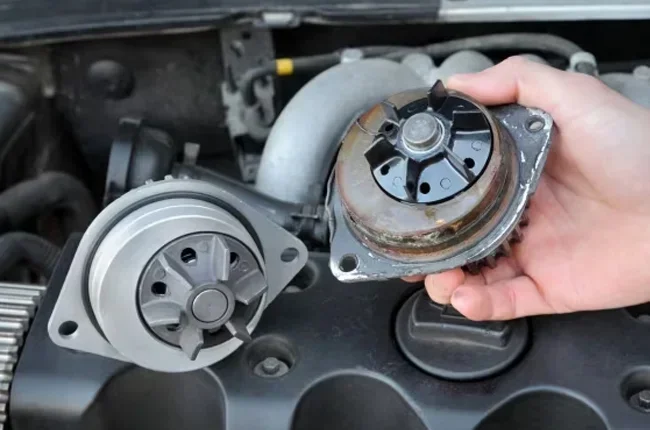
Inside the water pump is a small device called the water pump impeller. This is the part that actually moves the coolant. It spins at engine speed and creates the pressure needed to push fluid through the system.
If the impeller becomes worn, corroded, or damaged, it can’t move coolant efficiently. Even if the pump is still spinning, the flow rate drops. This means your engine isn’t getting the cooling it needs, and temperatures start to climb.
This is one reason a water pump failure can happen without obvious warning. The pump might still spin and look fine on the outside, but internally, it’s not doing its job. By the time you notice overheating, the damage may already be done.
How the Cooling System Works Together
The cooling system isn’t just the water pump. It includes several components that work as a team:
- The radiator — dissipates heat from the coolant
- The thermostat — regulates coolant flow based on temperature
- The cooling fan — pulls air through the radiator at low speeds
- The coolant hoses — carry fluid between components
- The water pump — drives the entire circulation process
When one part of this system fails, the others have to work harder. If the water pump goes bad, the radiator can’t release heat properly, the thermostat gets confused, and the whole system breaks down. That’s why a bad water pump can cause your car to overheat so quickly.
Can a Water Pump Cause a Car to Overheat Without Warning?
Here’s the short answer: yes, absolutely. A water pump can fail suddenly, leaving you with no time to react. But in many cases, there are subtle signs that most drivers miss until it’s too late.
Sudden Water Pump Failure
Sometimes the water pump fails completely and without any prior symptoms. This is more common than most people think. The most common cause of sudden failure is a broken serpentine belt or a seized pump bearing.
When the serpentine belt snaps, the water pump stops spinning entirely. No coolant moves. No heat gets transferred. Your engine temperature skyrockets within minutes. You might be driving along fine one moment and then see steam pouring from your hood the next.
This type of failure is especially dangerous because it happens at highway speeds or in heavy traffic. There’s no gradual decline — it’s an instant breakdown. This is why regular belt inspections are so important.
Gradual Water Pump Degradation
In other cases, the water pump doesn’t fail all at once. Instead, it degrades slowly over time. The internal seals wear out. The impeller becomes less effective. Coolant starts to seep past the water pump seal.
During this gradual phase, you might notice small symptoms. A tiny coolant puddle under your car. A slight whining noise from the front of the engine. A barely visible coolant leak. These signs are easy to ignore, especially if you’re busy or not paying close attention.
But here’s the thing: even a small leak means the coolant level is dropping. And a low coolant level means less cooling. Less cooling means your engine runs hotter. And hotter temperatures lead to overheating engine problems. So the failure isn’t really “without warning” — the warning is just very subtle.
Why the Warning Signs Are Often Missed
Most drivers don’t check their coolant levels regularly. They don’t listen for unusual noises from the engine bay. And they don’t pay attention to the engine temperature gauge until it’s already in the red.
By the time the temperature gauge spikes, the damage has often started. The overheating warning signs people tend to notice are:
- Steam or smoke coming from the hood
- A sweet smell from the engine area
- The temperature gauge climbing into the red zone
- The heater blowing hot air instead of cool air
- Coolant warning light on the dashboard
Unfortunately, by the time these signs appear, the water pump may have already stopped working entirely. That’s why preventive maintenance is so critical.
Common Causes of Water Pump Failure
Understanding why water pumps fail helps you prevent problems before they start. Several factors can lead to water pump failure, and some are completely avoidable.
Worn Out Bearings
The water pump bearing is what allows the impeller to spin smoothly. Over time, this bearing wears down. When it does, the pump makes a grinding or whining noise. Eventually, the bearing seizes up completely, and the pump stops working.
Worn bearings are one of the most common reasons water pumps fail. They’re also one of the easiest to detect if you listen carefully. A rhythmic grinding noise from the front of the engine is a telltale sign.
Corroded Impeller
If you use old or contaminated coolant, it can corrode the water pump impeller from the inside. The impeller blades become thin, cracked, or completely broken off.
A corroded impeller spins but doesn’t move coolant effectively. This creates a situation where the pump looks fine on the outside but fails on the inside. It’s one of the sneakiest reasons a car overheats without obvious warning.
Leaking Seals
The water pump seal prevents coolant from leaking out of the pump housing. Over time, this seal can harden, crack, or wear away. When it does, coolant seeps out, reducing the fluid level in the system.
A small leak might not cause immediate overheating. But over days or weeks, the coolant level drops enough to cause problems. By the time you notice the leak, the engine may already be running hotter than normal.
Bad Thermostat or Radiator Issues
Sometimes the water pump isn’t the real problem — it’s just part of the chain reaction. A stuck thermostat can block coolant flow, causing the pump to work harder and overheat. A clogged radiator can’t release heat properly, which puts extra stress on the entire cooling system.
When multiple components fail at once, it can be hard to pinpoint the exact cause of overheating causes. A mechanic needs to test each part of the system to find the root problem.
Warning Signs Your Water Pump Is Going Bad
While a water pump can fail without warning, there are usually some early clues. Knowing these signs gives you a better chance of fixing the problem before your engine overheats.
Coolant Leaks Near the Front of the Engine
If you see a green, orange, or pink puddle under your car, that’s coolant. And if it’s pooling near the front of the engine, the water pump seal is a likely culprit. Don’t ignore even a small leak — it will only get worse over time.
Whining or Grinding Noises
Unusual sounds from the front of the engine are never a good sign. A high-pitched whine or a low grinding noise often points to a water pump bearing that’s wearing out. The noise usually gets louder as you accelerate.
Steam Coming From the Hood
This is the most obvious sign of overheating. If you see steam, pull over safely and turn off the engine immediately. Continuing to drive with an overheating engine can cause catastrophic damage.
Temperature Gauge Reading Higher Than Normal
Your engine temperature gauge should sit in the normal range during regular driving. If it starts creeping into the upper zone, pull over and check your coolant level. A rising temperature is your car’s way of telling you something is wrong.
Heater Not Working Properly
This might seem like a comfort issue, but it’s actually a useful diagnostic clue. If your heater suddenly blows hot air when it shouldn’t, it could mean the coolant isn’t circulating properly. A failing water pump is one possible explanation.
Quick Tips to Catch Water Pump Problems Early
- Check your coolant level once a month
- Listen for unusual noises from the front of the engine
- Look for coolant leaks under your parked car
- Watch your temperature gauge during every drive
- Follow the manufacturer’s recommended coolant flush schedule
- Replace the serpentine belt at regular intervals
What Happens When Your Engine Overheats Due to a Bad Water Pump
Driving with a failing water pump is risky. The damage that comes from overheating engine problems can be severe and expensive.
Head Gasket Failure
The most common serious consequence of overheating is a blown head gasket. The head gasket sits between the engine block and the cylinder head. When the engine gets too hot, this gasket can fail, allowing coolant and oil to mix.
A blown head gasket is a major repair. It often requires removing the cylinder head, which is labor-intensive and costly. In many cases, the damage is preventable with timely water pump replacement.
Warped Cylinder Head
Excessive heat can warp the cylinder head, which changes the seal between the head and the engine block. A warped head causes compression loss, poor engine performance, and continued overheating. In severe cases, the cylinder head needs to be replaced entirely.
Cracked Engine Block
In the worst cases, extreme overheating can crack the engine block itself. A cracked block means the engine needs to be replaced or rebuilt. This is the most expensive outcome of ignoring a bad water pump.
Damaged Catalytic Converter
Overheating doesn’t just affect engine internals. Excessive heat can also damage the catalytic converter, which is an expensive emissions component. Replacing a catalytic converter can cost over $1,000 on its own.
Water Pump Replacement Cost and What to Expect
If your mechanic tells you the water pump needs to be replaced, you’re probably wondering about the cost. Understanding what goes into the repair helps you make informed decisions.
Average Replacement Costs
The water pump replacement cost typically ranges from $300 to $750, depending on your vehicle. The parts themselves usually cost between $50 and $150. The rest is labor, which can take one to three hours depending on the engine design.
On some vehicles, the water pump is easy to access. On others, it’s buried behind other components, which increases labor time and cost. Luxury and performance vehicles tend to be on the higher end of the price range.
Should You Replace Other Parts at the Same Time?
Many mechanics recommend replacing the serpentine belt and the thermostat at the same time as the water pump. These parts are relatively inexpensive, and they’re often in the same area of the engine. Replacing them together saves you money on labor if you need to do the work again later.
This is a smart approach. It prevents comebacks and gives you peace of mind that your entire cooling system is fresh and reliable.
Common Mistakes to Avoid
- Ignoring small coolant leaks. A tiny leak today becomes a big problem tomorrow.
- Driving with an overheating engine. Even a few minutes of overheating can cause permanent damage.
- Using the wrong coolant type. Mixing coolant types can cause corrosion inside the water pump.
- Skipping coolant flushes. Old coolant loses its protective properties and can damage pump seals.
- Delaying belt replacement. A worn serpentine belt can snap and destroy the water pump instantly.
How to Prevent Water Pump Failure and Overheating
The good news is that preventing water pump problems is straightforward. A little maintenance goes a long way toward keeping your engine cool and your wallet happy.
Follow the Coolant Flush Schedule
Most manufacturers recommend flushing and replacing the coolant every 30,000 to 60,000 miles. Check your owner’s manual for the specific interval. Fresh coolant contains inhibitors that protect the water pump seal and prevent internal corrosion.
Inspect the Serpentine Belt Regularly
The serpentine belt drives the water pump. When the belt is worn, cracked, or loose, it can slip or break, which stops the pump from working. Have your mechanic check the belt condition during every oil change.
Monitor Your Coolant Level
Get in the habit of checking your coolant reservoir once a month. If the level is dropping, you have a leak somewhere. Catching it early gives you time to fix the problem before the engine overheats.
Address Overheating Immediately
If your temperature gauge starts climbing, don’t ignore it. Pull over safely, turn off the engine, and let it cool down. Continuing to drive when the engine is overheating is the fastest way to turn a minor repair into a major one.
Choose Quality Replacement Parts
When it’s time to replace your water pump, choose a quality part. OEM (original equipment manufacturer) parts are designed specifically for your vehicle. High-quality aftermarket parts can also be a good option, but avoid the cheapest alternatives — they often fail sooner.
Expert Insights on Water Pump and Overheating Issues
We asked experienced mechanics about the most common water pump problems they see on the road. Here’s what they had to say.
Most water pump failures aren’t sudden — they’re the result of neglect. Drivers who skip coolant flushes and ignore small leaks end up with seized pumps and blown head gaskets. A little attention goes a long way.
The water pump bearing often gives away before the pump itself fails. A whining or grinding noise from the front of the engine is your early warning system. If you hear it, get it checked before it turns into a breakdown.
On many modern cars, the water pump is driven by the timing chain. This means a water pump failure can also affect your timing, which causes even more serious engine problems. If your car uses this design, stay especially vigilant about coolant maintenance.
Overheating doesn’t always mean the water pump is bad. Sometimes it’s the thermostat, the radiator fan, or a clogged hose. A proper diagnosis from a qualified mechanic is essential before you start replacing parts.
Conclusion
So, can a water pump cause a car to overheat without warning? The answer is a clear yes. Whether it fails suddenly from a broken belt or gradually from a worn seal, a bad water pump is one of the most common reasons engines overheat. And because the warning signs are often subtle or easy to miss, many drivers find themselves stranded with a steaming hood and a damaged engine.
The good news is that water pump failure is largely preventable. Regular coolant flushes, belt inspections, and coolant level checks can catch problems early. And if you do notice symptoms like leaks, noises, or rising temperatures, getting them checked promptly can save you from expensive repairs.
Your car’s cooling system is designed to protect your engine from heat damage. The water pump is the engine of that system — literally. Treat it well, maintain it properly, and it will keep your engine running cool for years to come. Don’t wait for steam to pour from your hood to start paying attention. Your engine will thank you for it.
Stay proactive, stay informed, and keep your car running strong. A few minutes of attention today can save you thousands of dollars in repairs tomorrow.
Frequently Asked Questions
Can a water pump fail without any warning signs?
Yes, it can. In some cases, the water pump fails suddenly due to a broken serpentine belt or a seized bearing. This leaves no time for gradual warning signs. However, in many cases, there are subtle signs like small coolant leaks or unusual noises that get missed until the engine starts overheating.
How long can you drive a car with a bad water pump?
You should not drive a car with a known bad water pump. Even a short drive can cause the engine to overheat and suffer serious damage. If you suspect your water pump is failing, have your car towed to a repair shop instead of driving it.
What is the average lifespan of a car water pump?
Most water pumps last between 60,000 and 100,000 miles. However, the lifespan depends on the quality of the pump, the type of coolant used, and how well the cooling system is maintained. Regular coolant flushes can significantly extend the life of your water pump.
Can a low coolant level cause overheating even if the water pump is fine?
Yes, absolutely. Low coolant means there’s not enough fluid to absorb and carry heat away from the engine. Even with a perfectly working water pump, a low coolant level will cause overheating. Always check your coolant level if you notice your engine running hot.
Is it safe to replace a water pump yourself?
Replacing a water pump is a moderately difficult repair that requires mechanical skill and the right tools. If you have experience with engine work, it can be done at home. However, if you’re not comfortable working on your car’s cooling system, it’s best to leave it to a professional mechanic.
Can a bad water pump cause the check engine light to come on?
Yes, it can. When the engine overheats due to a failing water pump, the onboard diagnostics system may trigger the check engine light. However, the check engine light can also come on for many other reasons, so a proper diagnostic scan is needed to determine the exact cause.