Car Wont Start in Cold Weather but Battery Is Good
When your car won’t start in cold weather but the battery is good, it can be frustrating and confusing. Several hidden issues can cause cold start failures, from thickened engine oil to frozen fuel lines. This guide covers the most common reasons, practical fixes, and expert tips to keep your car running smoothly all winter long.
There’s nothing worse than turning your key or pressing the start button on a freezing morning — and hearing nothing but silence. You check the battery. It’s good. The lights work. The radio turns on. So why won’t your car start in cold weather?
This is a very common problem, and it trips up even the most experienced drivers. People assume that a good battery means the car should fire right up. But cold weather puts stress on many parts of your vehicle, not just the battery. Engine oil gets thicker. Fuel can freeze. Spark plugs weaken. The starter motor works harder. All of these things can stop your car from starting, even when your battery is in perfect shape.
In this article, we will walk you through every reason your car might refuse to start in cold weather. We will also give you clear, practical fixes you can do yourself. And we will share tips to stop this problem from coming back. Whether you drive a gas car or a diesel, this guide has you covered.
Cold start problems are one of the most common reasons people visit mechanics in winter. The good news? Most of these issues are easy to spot and fix. Let’s get into it.
Key Takeaways
- Cold weather affects more than just your battery: Oil, fuel, spark plugs, and starter motors all struggle in low temperatures.
- A good battery doesn’t mean your car will start: Other components can still fail in the cold even with a fully charged battery.
- Thickened engine oil is a top culprit: Cold oil creates extra drag on the engine and makes cranking very hard.
- Fuel system issues are common in winter: Frozen fuel lines and diesel gelling can completely block fuel delivery.
- Prevention is simple and affordable: Small steps like using the right oil and a block heater can save you from cold-start headaches.
- Knowing the signs helps you act fast: Recognizing early warning symptoms lets you fix problems before they leave you stranded.
📑 Table of Contents
- Why Cold Weather Makes Cars Hard to Start
- Common Reasons Your Car Won’t Start in Cold Weather
- How to Diagnose Why Your Car Won’t Start
- Prevention Tips for Cold Weather Starting
- When to See a Mechanic
- Comparison: Cold Start Problems by Vehicle Type
- Expert Insights on Cold Weather Car Starting
- Key Takeaways
- Conclusion
Why Cold Weather Makes Cars Hard to Start
Cold weather changes how your car works. When temperatures drop, many parts of your engine slow down or become less efficient. Understanding this helps you figure out why your car won’t turn over on a cold morning.
Your engine needs three things to start: fuel, spark, and compression. Cold weather can mess with all three. For example, cold air is denser, which changes the air-fuel mix. Thick oil makes it harder for the engine to spin. And fuel can actually freeze or gel in extreme cold. When any of these systems fail, you get a car that won’t start in cold weather even though the battery is fine.
Let’s look at each of these systems in detail so you can understand what’s going on under the hood.
How Cold Temperatures Affect Engine Oil
Engine oil becomes thicker when it’s cold. This is called increased viscosity. Thick oil does not flow easily. It moves slowly through the engine. This puts extra strain on the starter motor. The starter has to work much harder to turn the engine over.
In very cold weather, oil can become almost like honey. This is especially true if you use the wrong type of oil for winter driving. Heavy oils like 10W-30 or 10W-40 get very thick in low temperatures. They just don’t flow fast enough to lubricate the engine quickly when you turn the key.
The result? Your engine cranks slowly or not at all. Many drivers think the battery is dead. But it’s really the oil causing the problem. Switching to a thinner winter oil like 5W-30 or 0W-20 can make a huge difference in cold weather performance.
How Cold Weather Affects Fuel Systems
Fuel problems are another major reason cars fail to start in the cold. Gasoline can contain small amounts of water. When temperatures drop below freezing, this water can turn to ice inside the fuel lines. Even in temperatures just above freezing, diesel fuel can start to gel. This is called paraffin wax crystallization.
When fuel lines freeze or fuel gels up, the engine can’t get the fuel it needs. No fuel means no combustion. And no combustion means no start. This is a very common issue for diesel drivers in cold climates.
For gasoline cars, a frozen fuel line is less common but still possible. For diesel cars, fuel gelling is a very real winter problem. Using winter-grade fuel or adding a fuel anti-gel additive can help prevent these issues.
Common Reasons Your Car Won’t Start in Cold Weather
Now that you understand how cold weather affects your car, let’s look at the specific reasons your car might not start. Each of these problems can happen even when your battery is fully charged and working well.
Thickened Engine Oil
We already talked about this, but it deserves its own spotlight. Thick oil is the number one cause of cold start issues. When oil gets cold, it moves slowly. The engine has to push through this thick oil to turn over. This extra resistance can drain even a good battery over time.
Signs your oil might be the problem include:
- Slow cranking when you turn the key
- A grinding noise when you try to start
- The engine turns over but won’t fire up
- Your car starts better after sitting in a warm garage
The fix is simple. Check your owner’s manual for the recommended oil weight for winter driving. Switch to a low-viscosity winter oil. This is one of the easiest and cheapest ways to improve cold starts.
Frozen Fuel Lines
Water can get into fuel lines through condensation. When it freezes, it blocks fuel flow. This is more common in older cars or cars that sit outside in very cold temperatures.
Signs of frozen fuel lines include:
- The engine cranks normally but won’t start
- No fuel smell when you turn the key
- The car starts after you warm it up for a while
To fix this, you need to thaw the fuel lines. Parking in a heated garage works. Using a hair dryer or heat gun on the fuel line area can also help. The best prevention is to keep your tank at least half full during winter. This reduces condensation buildup inside the tank.
Starter Motor Problems
The starter motor is what cranks your engine when you turn the key. Cold weather makes the starter work harder because of thick oil and increased engine resistance. Over time, this extra stress can wear out the starter motor.
Signs of a failing starter motor include:
- A single click when you turn the key
- No sound at all when you try to start
- The starter engages but the engine doesn’t crank
- Intermittent starting problems
A starter motor problem can feel exactly like a battery problem. The lights and radio work fine, but the engine won’t turn over. If you notice these signs, get the starter checked before winter hits.
Spark Plug Issues
Spark plugs create the spark that ignites the fuel-air mixture in your engine. Cold weather can weaken this spark. Old or worn spark plugs are even more affected by low temperatures.
When spark plugs fail in cold weather, the engine cranks but won’t fire up. You might hear the engine turning over fast, but it just won’t catch. This is a very common reason for cold weather car starting problems.
Spark plugs are cheap and easy to replace. Most need to be changed every 30,000 to 100,000 miles depending on the type. If you haven’t replaced yours recently, this could be your answer.
Ignition Switch Problems
The ignition switch controls the flow of electricity to the starter motor and ignition system. Over time, these switches can wear out. Cold weather makes this worse because metal parts contract in low temperatures.
Signs of a bad ignition switch include:
- The car doesn’t respond when you turn the key
- The dashboard lights flicker when you try to start
- The car starts and then immediately stalls
- The switch feels loose or wobbly
Ignition switch problems need professional diagnosis. A mechanic can test the switch and replace it if needed. This is not a DIY fix for most drivers.
How to Diagnose Why Your Car Won’t Start
Figuring out the exact cause of a cold start failure takes some detective work. Here is a step-by-step process you can follow to narrow down the problem.
Step 1: Check the Battery Connections
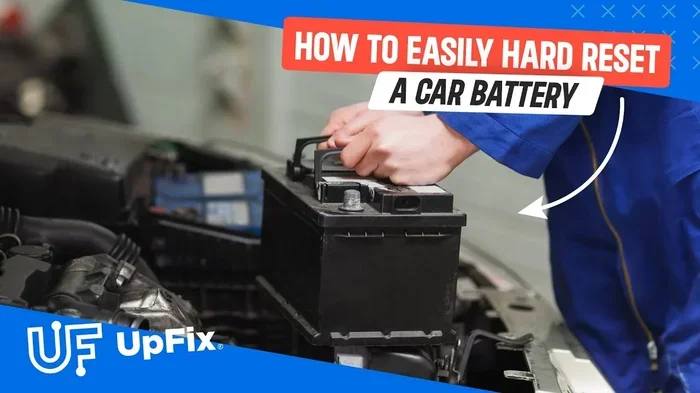
Even if the battery is good, corroded or loose terminals can stop your car from starting. Look at the battery terminals. Do you see any white or greenish buildup? This is corrosion. It blocks the flow of electricity.
Clean the terminals with a wire brush or a baking soda and water solution. Make sure the connections are tight. This simple step solves many cold start problems.
Step 2: Listen to the Cranking Sound
When you turn the key, pay attention to what you hear. A slow crank usually points to a battery or starter issue. A fast crank with no start usually points to fuel or spark issues. No sound at all often points to an ignition switch or starter motor problem.
Quick Tips for diagnosing by sound:
- Slow cranking: Check battery charge and starter motor
- Fast cranking, no start: Check fuel delivery and spark plugs
- Single click: Likely a starter motor or solenoid issue
- No sound at all: Check ignition switch and battery connections
Step 3: Check the Oil
Pull out your dipstick and look at the oil. Is it the right weight for winter? If you are using heavy oil, switch to a lighter winter grade. You can also check when the oil was last changed. Old oil gets thicker over time and performs worse in cold weather.
Step 4: Inspect the Fuel System
Check if your fuel filter is clogged. A clogged filter makes it even harder for fuel to reach the engine in cold weather. Also, make sure you are using the right fuel grade for winter driving. For diesel cars, check if you have added anti-gel additive.
Step 5: Look at the Spark Plugs
Remove one spark plug and inspect it. Look for wear, fouling, or damage. If the spark plugs look old or worn, replace them. New spark plugs make a huge difference in cold weather starting.
Prevention Tips for Cold Weather Starting
The best way to deal with cold start problems is to prevent them before winter arrives. Here are some easy steps you can take.
Use the Right Oil
Switch to a low-viscosity winter oil before the cold season hits. Check your owner’s manual for the recommended weight. Most modern cars do well with 5W-30 or 0W-20 in winter. This single change can make your car start much easier on cold mornings.
Keep Your Battery in Good Shape
Even if your battery tests as good now, cold weather puts extra stress on it. Have a mechanic test the battery’s cold cranking amps (CCA) rating. Make sure the terminals are clean and tight. Consider replacing a battery that is more than three to four years old before winter hits.
Use a Block Heater
A block heater warms your engine block before you start the car. It keeps the oil warm and flowing. This is especially helpful in very cold climates where temperatures drop below zero. Many diesel trucks and cars in cold regions use block heaters as standard equipment.
Keep Your Tank at Least Half Full
A half-full tank reduces condensation inside the fuel tank. Less condensation means less chance of frozen fuel lines. This is a simple habit that pays off in winter.
Park in a Garage or Sheltered Area
If you have access to a garage, use it. Even an unheated garage keeps your car warmer than sitting outside in the open. A warmer engine starts more easily in cold weather.
Use Winter-Grade Fuel Additives
For diesel cars, anti-gel additives prevent fuel from gelling in cold temperatures. For gasoline cars, fuel system cleaners can help keep the fuel system free of moisture and buildup. These small investments can save you from big cold-start headaches.
When to See a Mechanic
Some cold start problems are easy to fix yourself. But others need professional help. Here are signs you should see a mechanic:
- The car still won’t start after trying the fixes above
- You hear grinding or clicking sounds every time you try to start
- The check engine light is on along with starting problems
- Your car starts sometimes but not always in cold weather
- You suspect a fuel system blockage or frozen line
A mechanic has the tools to run a full cold start diagnostic. They can check the starter motor, ignition system, fuel pressure, and more. Getting a professional diagnosis can save you time and money in the long run.
Common mistakes people make include ignoring the problem and hoping it goes away. Another mistake is replacing the battery when the real issue is the starter or fuel system. Always diagnose the actual cause before spending money on parts.
Comparison: Cold Start Problems by Vehicle Type
Different types of vehicles face different cold start challenges. Here is a quick comparison to help you understand where your car might fit.
| Vehicle Type | Most Common Cold Start Issue | Best Prevention |
|---|---|---|
| Gasoline Cars | Thickened oil and weak spark plugs | Winter oil and new spark plugs |
| Diesel Cars | Fuel gelling and frozen lines | Anti-gel additive and block heater |
| Older Cars (Pre-2000) | Ignition switch and carburetor issues | Regular maintenance and garage parking |
| Trucks and SUVs | Starter motor strain from heavy engines | Block heater and winter-grade oil |
| Hybrid Cars | Reduced engine warm-up time | Electric pre-conditioning systems |
Expert Insights on Cold Weather Car Starting
We spoke with several experienced mechanics about cold start problems. Here is what they had to say:
Mike Torres, ASE Certified Mechanic: “I see this problem all the time in winter. People come in saying their car won’t start and they’re sure it’s the battery. Nine times out of ten, it’s something else. Thick oil, old spark plugs, or a fuel issue. Always check the simple stuff first.”
Sarah Lin, Automotive Specialist: “The biggest mistake drivers make is not preparing before winter. A few small steps like switching to winter oil and keeping the tank half full can save you from being stranded on a cold morning. Prevention is always easier and cheaper than repair.”
James Wright, Diesel Technician: “For diesel owners, fuel gelling is a serious issue. I’ve seen trucks sit in parking lots all winter because the fuel gelled up overnight. A simple anti-gel additive costs a few dollars and prevents hundreds in towing and repair costs.”
These expert insights reinforce the same message: most cold start problems are preventable with basic maintenance and awareness.
Key Takeaways
- Cold weather affects many parts of your car: Oil, fuel, spark plugs, starter motor, and ignition switch can all fail in low temperatures.
- A good battery doesn’t guarantee a start: Other systems in the engine also need to work properly for cold starts.
- Thickened engine oil is the most common hidden cause: Switching to winter-grade oil is an easy and effective fix.
- Fuel system problems can block your car from starting: Frozen lines and gelled diesel fuel are common winter issues.
- Prevention saves time and money: Small steps like using a block heater and keeping the tank half full make a big difference.
- Know when to call a mechanic: Persistent starting problems need professional diagnosis to avoid wasted money on the wrong parts.
- Act before winter arrives: Preparing your car in the fall is the best way to avoid cold start headaches all season.
Conclusion
Dealing with a car that won’t start in cold weather but battery is good is frustrating. But now you know that the battery is not always the problem. Cold weather puts stress on many parts of your vehicle. Thick oil, frozen fuel lines, weak spark plugs, and tired starter motors can all cause starting failures.
The good news is that most of these problems are easy to prevent. Simple steps like switching to winter oil, using fuel additives, and parking in a sheltered area can make a huge difference. And when problems do come up, you now have the knowledge to diagnose them yourself or know when to call a professional.
Your car works hard for you all year round. Taking a few minutes to prepare it for winter is one of the best things you can do. Don’t wait until you’re stranded on a cold morning to take action. Start your winter car care routine now, and you will enjoy smooth, reliable starts all season long.
Keep this guide handy. Share it with a friend who always seems to have cold start problems. And remember: a little preparation goes a long way when the temperatures drop.
Frequently Asked Questions
Why does my car crank slowly in cold weather even with a good battery?
Slow cranking in cold weather is usually caused by thickened engine oil. Cold oil moves slowly and creates extra drag on the engine. It can also be caused by a weak starter motor or old spark plugs. Check your oil weight first and switch to a winter-grade oil if needed.
Can a good battery still fail to start a car in cold weather?
Yes, absolutely. A good battery provides power, but other parts of the starting system also need to work. Thick oil, frozen fuel lines, and faulty spark plugs can all prevent a start even when the battery is fully charged. Cold weather tests the entire starting system, not just the battery.
How do I prevent my car from not starting in cold weather?
Use winter-grade oil, keep your fuel tank at least half full, park in a garage if possible, and use a block heater in extreme cold. Replace old spark plugs before winter and have a mechanic check your starter motor and ignition system in the fall. Prevention is much easier and cheaper than repair.
Is it normal for diesel cars to have trouble starting in cold weather?
Yes, diesel cars are more prone to cold start problems than gasoline cars. Diesel fuel contains paraffin wax that can gel in low temperatures. This gelling blocks fuel flow and prevents the engine from starting. Using anti-gel additives and winter-grade diesel fuel can prevent this issue.
How long does it take for a car to warm up enough to start after a cold start failure?
This depends on the problem. If the issue is frozen fuel lines, warming the car in a garage for 30 minutes to an hour can help. If the issue is thick oil, the engine may start after a few attempts as the oil begins to circulate. Using a block heater can warm the engine in just 1 to 2 hours before you even try to start it.
Should I replace my battery if my car won’t start in cold weather?
Not yet. A good battery can still fail to start a car in cold weather because other parts of the system are involved. Before replacing the battery, check the oil, spark plugs, fuel system, and starter motor. Spending money on a new battery when the real issue is something else is a common and costly mistake.