16 Litre Engine Cars That Offer Great Value And Performance
1.6 litre engine cars deliver a perfect balance of power and economy for everyday drivers. These small displacement engines offer excellent fuel efficiency, lower running costs, and reliable performance for both city and highway driving. Whether you are a first-time buyer or looking for a cost effective daily driver, a 1.6 litre engine could be your ideal match.
Key Takeaways
- Great Fuel Economy: 1.6 litre engine cars typically deliver 30-45 MPG, saving you money at the pump every week.
- Lower Running Costs: Smaller engines mean cheaper insurance, maintenance, and fuel expenses compared to larger displacement options.
- Strong Performance Options: Many 1.6 litre engines now come turbocharged, offering surprising power without sacrificing efficiency.
- Ideal Daily Drivers: These engines are perfectly sized for city driving, commuting, and family transport.
- Wide Availability: Nearly every major car manufacturer offers a 1.6 litre engine variant in their lineup.
- Long Engine Lifespan: With proper car maintenance, a 1.6 litre engine can easily last 200,000+ miles.
📑 Table of Contents
- Why 1.6 Litre Engine Cars Are Worth Your Consideration
- Fuel Efficiency and Running Costs of 1.6 Litre Engines
- Popular 1.6 Litre Engine Car Models to Consider
- Comparing 1.6 Litre Engine Options: Petrol vs Turbocharged
- Maintenance Tips for Keeping Your 1.6 Litre Engine Healthy
- The Real-World Driving Experience of 1.6 Litre Engine Cars
- Final Thoughts on 1.6 Litre Engine Cars
Why 1.6 Litre Engine Cars Are Worth Your Consideration
If you are shopping for a new or used car, you have probably noticed that 1.6 litre engine cars show up everywhere in the market. And there is a good reason for that. These engines hit a sweet spot between too small and too big. They give you enough power for daily driving while keeping fuel costs low and maintenance simple.
For years, a 1.6 litre engine was the standard choice for families and commuters around the world. Today, these engines have evolved with new technology like turbocharging and direct injection. That means even better performance from a small displacement engine than ever before.
In this guide, we will walk you through everything you need to know about 1.6 litre engine cars. We will cover how they work, which models to look at, what to expect for fuel consumption, and how to keep your engine running strong for years. Whether you are a first-time car buyer or just curious about petrol engine cars in this size range, you will find practical advice here.
What Does 1.6 Litre Actually Mean?
Before we dive deeper, let us quickly explain engine size explained in simple terms. The “1.6 litre” number refers to the total volume of all the cylinders in the engine. This is also called displacement. A 1.6 litre engine has roughly 1,600 cubic centimetres of space for air and fuel to mix and burn.
Smaller engines like this one are called small displacement engines. They tend to be lighter, which helps the overall vehicle feel nimble and responsive. They also burn less fuel than bigger engines. That is why so many people choose a 1.6 litre engine car as their daily driver car.
Do not confuse engine size with engine power, though. Modern turbocharged 1.6 engine setups can produce as much power as older 2.5 litre engines. Technology has changed the game completely.
Who Are 1.6 Litre Engine Cars Best For?
These engines work well for a wide range of drivers. Here are some examples of who benefits most from a 1.6 litre engine car:
- First-time car buyers looking for an affordable and easy-to-manage vehicle.
- City commuters who want great fuel economy for stop-and-go traffic.
- Small families who need a reliable cost effective vehicle for school runs and errands.
- Young professionals who want a lightweight vehicle that is fun to drive.
- Used car shoppers on a budget who still want solid engine performance.
If any of these sound like you, a 1.6 litre engine car deserves a serious look in your car buying guide research.
Fuel Efficiency and Running Costs of 1.6 Litre Engines
One of the biggest reasons people choose 1.6 litre engine cars is the fuel savings. A smaller engine simply needs less fuel to do its job. Let us break down what you can realistically expect.
Real-World Fuel Consumption Numbers
Fuel economy depends on many factors, including driving style, road conditions, and vehicle weight. But here are some general numbers for 1.6 litre engine cars:
- City driving: Around 28-35 MPG depending on the model.
- Highway mileage: Typically 38-48 MPG for most setups.
- Combined average: Most 1.6 litre engine cars fall in the 32-42 MPG range.
Compare that to a 2.0 litre or 2.5 litre engine, and the savings add up fast. Over a year of average driving, a 1.6 litre engine car can save you several hundred pounds on fuel alone.
How Running Costs Compare
Lower fuel costs are just the start. Here is how 1.6 litre engine cars save you money in other areas too:
- Car insurance costs are usually lower for smaller engine vehicles. Insurers see them as less risky.
- Engine oil changes cost less because the engine holds less oil.
- Replacement parts tend to be more affordable since these are common, mass-produced engines.
- Road tax and emissions are often lower for cost effective vehicles with smaller displacement.
Over the lifetime of the car, these savings can add up to thousands of pounds. That is a big reason why 1.6 litre engine cars remain so popular in the affordable cars market.
Popular 1.6 Litre Engine Car Models to Consider
The market offers a wide range of 1.6 litre engine cars from different manufacturers. Let us look at some of the most well-known options and what makes each one stand out.
Honda Civic 1.6
The Honda Civic with a 1.6 litre engine has long been a favourite among drivers who want engine reliability and a polished driving experience. Honda engines are known for lasting well beyond 200,000 miles with basic car maintenance.
The Civic 1.6 offers a smooth ride, good engine performance, and excellent build quality. It is a great daily driver car that also feels enjoyable on open roads.
Ford Focus 1.6 EcoBoost
Ford’s 1.6 EcoBoost engine is a turbocharged 1.6 engine that punches above its weight. It delivers strong torque and responsive acceleration despite its small size.
The Focus 1.6 is a fun-to-drive lightweight vehicle that handles well in both city driving and on the motorway. It is a strong contender in the affordable cars category.
Hyundai i30 1.6
Hyundai has built a strong reputation for offering great value. The i30 1.6 comes with a solid engine, a long warranty, and plenty of standard features. It is an excellent choice for anyone building a car buying guide shortlist.
Fuel consumption is competitive, and the cabin feels more premium than you might expect at this price point.
Mazda 3 1.6
Mazda focuses on driving feel, and the 1.6 litre engine in the Mazda 3 is no exception. It offers a sporty character and excellent engine tuning that makes the most of every drop of fuel.
If you enjoy being behind the wheel, the Mazda 3 1.6 is worth serious consideration.
Comparing 1.6 Litre Engine Options: Petrol vs Turbocharged
When shopping for a 1.6 litre engine car, you will come across two main types: naturally aspirated petrol engines and turbocharged versions. Both have their strengths.
| Feature | Naturally Aspirated 1.6 | Turbocharged 1.6 |
|---|---|---|
| Power Output | 100-120 HP | 150-180 HP |
| Fuel Efficiency | Higher in city driving | Slightly lower but still good |
| Maintenance Cost | Lower | Moderate |
| Driving Feel | Smooth and predictable | Sporty and responsive |
| Best For | City commuting and easy driving | Performance and highway cruising |
| Engine Reliability | Very high | High with proper care |
Your choice between these two types depends on your priorities. If you want maximum fuel efficiency and simplicity, go with the naturally aspirated option. If you want more engine performance and a sporty feel, the turbocharged 1.6 litre engine car is the better pick.
Quick Tips for Choosing Between Them
- Think about your driving style. Do you prefer relaxed cruising or spirited driving?
- Consider where you drive most. City roads favour naturally aspirated engines.
- Check the warranty and service plan offered with each engine variant.
- Read real-world owner reviews for long-term engine lifespan insights.
Maintenance Tips for Keeping Your 1.6 Litre Engine Healthy
A 1.6 litre engine car is generally low-maintenance, but regular care makes a huge difference. Here is what you need to know to keep your engine running strong.
Essential Maintenance Tasks
Follow these simple steps to protect your small displacement engine and extend its engine lifespan:
- Change your engine oil regularly. Most manufacturers recommend an oil change every 7,500 to 10,000 miles. Check your owner’s manual for the exact interval.
- Replace the air filter at least once a year. A clean air filter helps the engine breathe properly and improves fuel consumption.
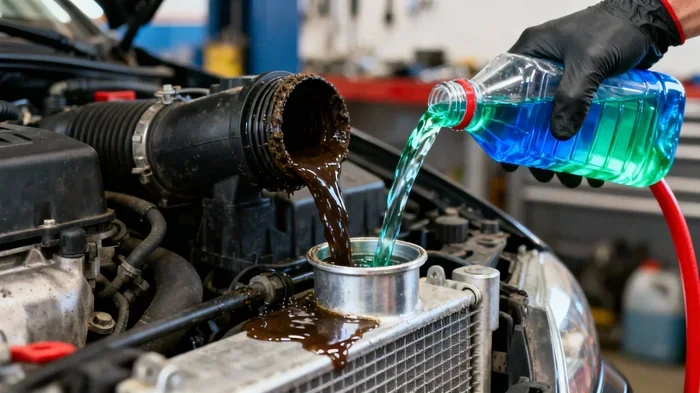
- Check your coolant levels monthly. Overheating is one of the fastest ways to damage any engine.
- Stay on top of spark plug replacements. Worn spark plugs reduce engine performance and increase fuel waste.
- Listen for unusual noises. Knocking, ticking, or grinding sounds should never be ignored. Get them checked early.
Common Mistakes Owners Make
Even with a reliable 1.6 litre engine car, owners can make mistakes that shorten the engine’s life. Here are a few to avoid:
- Skipping oil changes. This is the number one killer of engines. Dirty oil causes friction and wear.
- Ignoring warning lights. That check engine light exists for a reason. Address it promptly.
- Driving on low fuel regularly. This can damage the fuel pump over time.
- Using the wrong oil grade. Always use the oil type recommended by the manufacturer.
- Neglecting belt and hose inspections. These small parts can cause big problems if they fail.
Expert Insights on Engine Longevity
According to automotive experts, 1.6 litre engine cars can easily surpass 200,000 miles when properly maintained. The key is consistency. Do not skip scheduled services, and address small issues before they become big repairs.
Regular engine tuning also helps. A well-tuned engine runs more efficiently, produces fewer emissions, and delivers better engine performance over time. It is a small investment that pays off significantly.
One thing many owners overlook is the importance of gentle warm-up driving. After starting a cold engine, avoid revving it hard for the first few minutes. Let the oil circulate fully before pushing the engine hard.
The Real-World Driving Experience of 1.6 Litre Engine Cars
So what is it actually like to drive a 1.6 litre engine car? Let us talk about the real-world experience.
In city driving conditions, a 1.6 litre engine feels responsive and easy to handle. The smaller engine size means the car is lighter and more manoeuvrable in tight spaces. Parking, merging, and navigating through traffic all feel natural and effortless.
On the highway, most 1.6 litre engine cars cruise comfortably at legal speeds. The highway mileage is excellent, and the engine does not struggle to maintain speed. A turbocharged 1.6 engine really shines here, offering strong overtaking power when you need it.
One thing to keep in mind is that fully loaded vehicles or those towing trailers may feel the smaller engine more. For normal family use with passengers and luggage, a 1.6 litre engine car handles the task with ease.
Is a 1.6 Litre Engine Enough Power?
This is one of the most common questions buyers ask. The answer is almost always yes. For most daily driving scenarios, a 1.6 litre engine car provides more than enough power.
Modern engines in this class produce between 100 and 180 horsepower depending on the configuration. That is plenty for highway merging, hill climbing, and quick acceleration when needed.
If you regularly carry heavy loads or tow a trailer, you might want to consider a slightly larger engine. But for the vast majority of drivers, a 1.6 litre engine car is perfectly adequate and often more enjoyable to drive than a bigger, thirstier alternative.
Final Thoughts on 1.6 Litre Engine Cars
1.6 litre engine cars remain one of the smartest choices for car buyers who want value, efficiency, and reliability. These engines offer a proven formula that has worked well for decades and continues to improve with modern technology.
Whether you choose a naturally aspirated petrol engine or a turbocharged variant, you are getting a cost effective vehicle that will serve you well for years. The key is to do your research, pick a model that fits your needs, and commit to regular car maintenance.
Use this guide as part of your car buying guide process. Compare models, test drive several options, and pay attention to how each 1.6 litre engine car feels on the road. Trust your instincts and choose the car that makes you feel confident and comfortable behind the wheel.
With the right 1.6 litre engine car, you will enjoy lower running costs, strong engine performance, and the peace of mind that comes from owning a well-chosen vehicle. Happy car shopping.
Frequently Asked Questions
Is a 1.6 litre engine good for highway driving?
Yes, absolutely. Most 1.6 litre engine cars cruise comfortably on highways and deliver excellent highway mileage. A turbocharged variant offers even more confidence when overtaking and climbing hills at speed.
How often should I service a 1.6 litre engine?
Follow the manufacturer’s recommended service schedule, which is typically every 7,500 to 10,000 miles. Regular engine oil changes and timely car maintenance are the best ways to ensure a long engine lifespan.
Are 1.6 litre engine cars expensive to insure?
Generally, no. 1.6 litre engine cars fall into lower insurance groups than larger engine vehicles. This makes them a smart choice for keeping car insurance costs down, especially for younger or less experienced drivers.
Can a 1.6 litre engine handle a family of four?
Yes. While the engine is small, modern 1.6 litre engine cars produce enough power for everyday family use. They handle school runs, shopping trips, and weekend getaways with ease. Just avoid overloading the vehicle regularly.
What is the difference between a 1.6 litre and a 2.0 litre engine?
A 2.0 litre engine has about 25% more displacement, which usually means more power and lower pulling effort. However, a turbocharged 1.6 engine can match or even exceed a naturally aspirated 2.0 litre in terms of engine performance while using less fuel.
Which 1.6 litre engine car has the best fuel efficiency?
Models with naturally aspirated engines and manual transmissions tend to offer the best fuel consumption figures. The Honda Civic 1.6 and Hyundai i30 1.6 are both strong contenders for the top spot in the affordable cars category.
=== CONCLUSION ===
1.6 litre engine cars continue to be one of the best choices for drivers who want a reliable, efficient, and enjoyable vehicle. They offer the perfect balance of engine performance and fuel efficiency, making them ideal for daily commuting, family transport, and weekend adventures alike.
With so many great models available and lower running costs than larger engines, there has never been a better time to consider a 1.6 litre engine car. Do your homework, take test drives, and pick the car that fits your lifestyle and budget best. Your wallet and the environment will thank you.