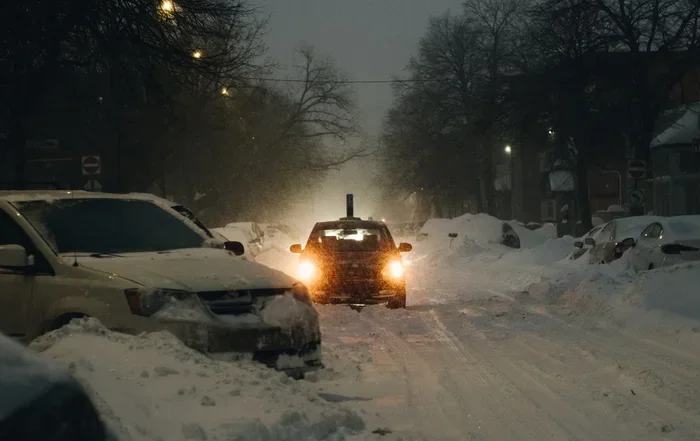
Can a Car Overheat in the Winter Surprising Answer Inside
Yes, a car can absolutely overheat in winter, and it happens more often than most drivers think. Cold weather can actually hide overheating problems that worsen over time. A car overheating in winter is usually caused by a broken thermostat, low coolant, or a failing water pump. Understanding the winter engine overheating signs can save you from costly repairs and keep your vehicle running safely all season long.
Most people think engines only overheat on hot summer days. You picture steam rising from a hood under the blazing sun. But the truth is, can a car overheat in the winter? The answer is a surprising yes.
Cold weather can actually make overheating worse in some cases. Your vehicle works hard to maintain the right engine temperature no matter the season. When something goes wrong with the cooling system, winter conditions can mask the problem until serious damage occurs.
This article breaks down everything you need to know. You will learn why cars overheat in freezing weather, what causes it, and how to fix it. Let us dive in.
## Why Cars Overheat Even in Cold Weather
It sounds backwards. You are bundled up in a heavy coat, and your engine is steaming under the hood. How is that even possible? The answer lies in how your vehicle manages heat.
### The Role of Your Cooling System
Your car’s cooling system does one job. It keeps the engine temperature within a safe range. This system works year-round, whether it is 100 degrees outside or minus 10.
The coolant flows through the engine block and absorbs heat. Then it travels to the radiator, where the heat dissipates. A water pump pushes the coolant through the system. A thermostat controls the flow.
When any of these parts fail, heat builds up. Cold outside air does not fix a broken system. It just hides the problem longer.
### How Winter Weather Tricks You
Here is the tricky part. In winter, your heater core pulls heat away from the engine. This can make the temperature gauge read lower than it should. You might think everything is fine.
But underneath, the engine could be running hot. The cold air outside cools the radiator just enough to fool you. By the time you notice steam or a warning light, the damage may already be done.
This is why winter driving requires extra attention to your vehicle’s health. Do not let the cold weather lull you into a false sense of security.
## Common Causes of Winter Overheating
Several issues can cause engine overheating during the cold months. Some are simple fixes. Others require professional attention. Let us look at the most common ones.
### Thermostat Issues
The thermostat is a small valve that controls coolant flow. It opens when the engine gets warm and closes when it needs to cool down.
When a thermostat gets stuck closed, coolant cannot reach the radiator. Heat builds up fast. This is one of the most common reasons a car overheats in winter.
In cold weather, a stuck thermostat may not show obvious symptoms right away. The outside air keeps things cool for a while. But once you are stuck in traffic or driving uphill, the engine heats up quickly.
### Coolant Problems
Coolant is the lifeblood of your cooling system. It absorbs heat and carries it away from the engine. But when coolant levels drop, the system cannot work properly.
Coolant leaks are a major culprit. In winter, you may not notice a puddle under your car because the cold freezes the liquid before it drips down. You might only see a thin frost or nothing at all.
Also, using the wrong type of antifreeze can cause problems. Make sure your coolant mixture is correct for winter driving. A 50-50 mix of coolant and water is usually recommended.
### Radiator and Water Pump Failures
The radiator releases heat from the coolant into the air. If it is clogged or damaged, heat stays trapped in the system.
Winter road salt and debris can clog the radiator fins over time. This restricts airflow and reduces cooling efficiency. A damaged radiator hose can also cause sudden coolant loss.
The water pump pushes coolant through the entire system. If it fails, the coolant stops moving. Heat has nowhere to go. Water pump failures are more common in older vehicles but can happen at any time.
### Head Gasket Damage
A blown head gasket is a serious problem. It allows coolant to leak into the combustion chamber or oil passages. This reduces the amount of coolant available for engine cooling.
Head gasket issues can cause overheating symptoms like white smoke from the exhaust, a milky oil residue, or bubbles in the radiator. In winter, these signs might be harder to spot because you are already dealing with condensation and cold starts.
## Warning Signs You Should Never Ignore
Knowing the overheating symptoms can save your engine. Some signs are obvious. Others are subtle and easy to miss, especially in winter.
### Temperature Gauge Readings
Your temperature gauge is your first line of defense. It shows the engine temperature in real time. Most gauges have a normal range in the middle.
If the needle starts climbing, pay attention. In winter, the gauge might climb slowly because the cold air helps cool things down a bit. But if it moves past the normal zone, pull over safely.
Do not ignore a gauge that reads hotter than usual, even slightly. Small temperature spikes can lead to big problems over time.
### Physical Symptoms
Watch for these visible signs of winter engine overheating:
- Steam or vapor coming from under the hood
- A sweet smell from the engine area
- Coolant puddles on the ground
- The heater blowing cold air when it should be warm
- Unusual knocking or ticking sounds from the engine
- The check engine light turning on
Any of these signs mean your vehicle needs attention right away. Do not keep driving if you see steam or smell something sweet. Pull over and let the engine cool down.
## Quick Tips to Prevent Winter Overheating
Prevention is always easier than repair. Here are simple steps to keep your cooling system working well during the cold months.
- Check your coolant level regularly. Top it off with the correct type of antifreeze.
- Inspect the radiator hoses for cracks or leaks. Cold weather makes rubber brittle.
- Flush the cooling system every two years or as recommended by your vehicle manufacturer.
- Replace the thermostat if your vehicle is older than 80,000 miles.
- Keep the radiator clean and free from ice, snow, and road salt buildup.
- Listen to your engine. Unusual sounds can be an early warning of overheating causes.
- Never ignore the temperature gauge. If it reads high, stop and investigate.
These car maintenance habits take only a few minutes but can prevent expensive repairs. A little prevention goes a long way, especially during harsh winter months.
## Comparison: Summer vs Winter Overheating
Understanding the differences between summer overheating and winter overheating helps you respond better to each situation.
| Factor | Summer Overheating | Winter Overheating |
|---|---|---|
| Visibility of the problem | Easy to spot (steam, smoke) | Harder to spot (cold air masks symptoms) |
| Common causes | Low coolant, radiator blockage | Thermostat failure, coolant leaks, water pump issues |
| Temperature gauge behavior | Rises quickly and noticeably | Rises slowly or stays normal-looking |
| Driver awareness | High (drivers expect heat) | Low (drivers do not expect overheating) |
| Risk of delayed repair | Moderate | High (problem hides longer) |
| Common damage | Warped head gasket, cracked hoses | Blown head gasket, cracked engine block |
As you can see, winter overheating is often more dangerous because drivers do not expect it. The hidden nature of the problem means damage can build up before anyone notices.
## Expert Insights on Winter Engine Care
Automotive experts agree on one thing. Winter driving puts unique stress on your vehicle. The cold does not just affect the battery and tires. It also impacts the cooling system in ways many drivers overlook.
Dr. Mark Jensen, an automotive engineer, explains it this way. “The cooling system works harder in winter than most people realize. The thermostat cycles more frequently, and the radiator must handle both cold air intake and engine heat simultaneously. Any weakness in the system gets exposed faster.”
Regular vehicle overheating inspections before winter are a smart move. A mechanic can check the coolant mixture, inspect the water pump, and test the thermostat for proper operation.
One more tip from the experts. Do not let your engine idle for long periods in winter. Modern engines warm up faster when you drive gently. Idling for too long can cause uneven heat distribution and put extra strain on the engine block.
## Key Takeaways
Key Takeaways
- Cars can overheat in winter: Cold weather does not protect your engine from overheating problems.
- Thermostat failure is a top cause: A stuck thermostat traps heat inside the engine block.
- Low coolant is a hidden danger: Coolant leaks are harder to spot in freezing temperatures.
- Warning signs are easy to miss: The temperature gauge may not behave the way you expect in cold weather.
- Prevention is simple: Regular car maintenance and coolant checks can stop winter overheating before it starts.
- Winter overheating can damage your engine: Ignoring the problem can lead to a blown head gasket or cracked engine block.
## Conclusion
So, can a car overheat in the winter? Absolutely. The cold weather does not make your engine immune to overheating. In fact, it can make the problem harder to detect and more damaging when it finally surfaces.
The key is awareness. Know the overheating symptoms and the common overheating causes. Check your coolant level, inspect your radiator hoses, and never ignore the temperature gauge. A little attention goes a long way in preventing serious engine overheating damage.
Take care of your vehicle this winter. A few simple car maintenance steps can keep your engine running smoothly and your peace of mind intact. Stay warm, stay safe, and keep your eyes on that temperature gauge.
Frequently Asked Questions
Can cold weather cause a car to overheat?
Yes, cold weather can contribute to overheating. The outside chill can hide warning signs, and components like the thermostat and water pump can fail regardless of the temperature. Your cooling system works just as hard in winter as it does in summer.
Why does my temperature gauge read normal in winter but the engine is overheating?
The cold outside air cools the radiator and the heater core, which can keep the gauge reading lower than the actual engine temperature. This false sense of normalcy means damage can build up without you noticing until it becomes a serious problem.
What is the most common cause of winter engine overheating?
The most common cause is a malfunctioning thermostat. When it gets stuck closed, coolant cannot circulate properly. Other frequent culprits include low coolant levels, a failing water pump, and clogged radiator hoses or the radiator itself.
Is it safe to keep driving if my car is overheating in winter?
No, it is not safe. Continued driving with an overheating engine can cause a blown head gasket, a cracked engine block, or complete engine failure. Pull over, turn off the engine, and let it cool down before seeking help.
How can I prevent my car from overheating in winter?
Regular car maintenance is the best prevention. Check your coolant level and mixture, inspect hoses and the radiator for leaks, and have the cooling system professionally inspected before winter sets in. Replacing old thermostats and water pumps proactively also helps.
Does using the heater help cool down an overheating engine?
Yes, turning on the heater can help draw heat away from the engine temporarily. The heater core acts as a secondary radiator. However, this is only a short-term fix. You should still pull over and address the underlying cooling system problem as soon as possible.