Where Do I Find My Locking Wheel Nut Key Right Now
Your locking wheel nut key is a small but essential tool that keeps your car wheels secure. Most manufacturers hide it in a predictable spot inside your vehicle, such as the glove box, spare tire compartment, or tool kit. If you have lost yours, you can still get a replacement through your car dealer, a locksmith, or a specialized wheel lock removal service.
Your locking wheel nut key is one of those small items you rarely think about until you need it. Maybe you just got a flat tire on a quiet road. Maybe you are trying to remove a wheel for cleaning or maintenance. Whatever the reason, the panic sets in fast when you cannot find that tiny key. The good news is that finding your locking wheel nut key is usually much easier than you think. Most car manufacturers follow a few standard hiding spots, and once you know where to look, the search takes just minutes.
This guide walks you through every possible location where your locking wheel nut key might be hiding. We also cover what to do if the key is truly lost, how to get a replacement, and simple tips to avoid this problem in the future. Whether you drive a sedan, SUV, or truck, the advice here applies to almost every vehicle on the road today.
Let us start with the basics so you understand exactly what a locking wheel nut key does and why it matters.
Key Takeaways
- Check the glove box first: This is the most common hiding spot for a locking wheel nut key in most vehicles.
- Look in the spare tire compartment: Many cars store the key inside the wheel well or beneath the spare tire.
- Consult your vehicle owner’s manual: The manual often includes a diagram showing exactly where the key is stored.
- Contact your car dealer: They can provide a replacement locking wheel nut key using your vehicle identification number.
- Keep a spare key at home: Storing a backup locking wheel nut key prevents future headaches during emergencies.
- Call a professional if needed: A locksmith or wheel lock removal specialist can help without damaging your wheels.
📑 Table of Contents
What Is a Locking Wheel Nut Key?
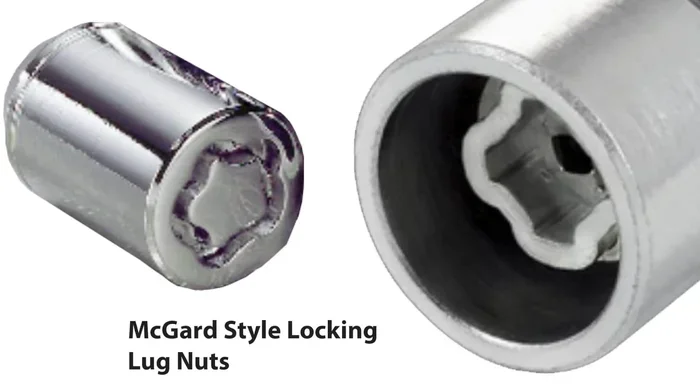
A locking wheel nut key is a small tool that works with special lug nuts on your car wheels. These locking lug nuts have a unique pattern on the top that only matches a specific key. The purpose is simple: it prevents thieves from stealing your wheels or tires. Without the correct locking wheel nut key, nobody can remove those nuts with a standard wheel wrench.
Almost every car brand uses locking wheel nuts in some form. Manufacturers like BMW, Mercedes, Audi, Ford, Toyota, and many others include them as standard or optional equipment. The locking wheel nut key usually comes as a small set that includes the key itself and sometimes a special socket or adapter.
How Locking Wheel Nuts Work
Each locking lug nut has a slightly different pattern, groove, or shape on its top. The matching locking wheel nut key fits into this pattern and locks into place. Once locked, you need the key to loosen the nut. This makes it nearly impossible for someone to walk up to your car with a regular socket wrench and steal a wheel.
The key itself is usually small enough to fit in your pocket or purse. It often looks like a short metal rod with a unique shape on one end. Some keys are more complex and look like a small tool with multiple grooves or a ball-shaped end.
Common Places to Find Your Locking Wheel Nut Key
Manufacturers know that people lose things. That is why they design the storage spots to be logical and easy to check. Here are the most common places to find your locking wheel nut key.
The Glove Box
The glove box is the number one spot for a locking wheel nut key. Open the small storage compartment on the passenger side of your dashboard. Look inside the compartment carefully. Some glove boxes have a small removable tray or a hidden pocket on the side wall. Slide your hand inside and feel around for a small plastic bag, a metal case, or a pouch.
Many car owners do not realize the key is there because it gets buried under registration papers, maps, or other items. Clear everything out and look closely. The locking wheel nut key often comes in a small branded bag with your car brand’s logo on it.
The Spare Tire Compartment
Your spare tire compartment is another very common hiding spot. Depending on your vehicle, this could be under the trunk floor, inside a well in the floor, or beneath the rear seats in some SUVs and hatchbacks.
To check this spot, you usually need to remove the trunk carpet or the spare tire itself. Look underneath the tire for a small bag, a metal case, or a plastic container. Some cars bolt the locking wheel nut key directly to the spare tire jack or the tool kit. Feel around the area with your hands. The key should be easy to spot once you remove the tire.
The Tool Kit or Jack Kit
Many vehicles store the locking wheel nut key inside the tool kit that comes with the car jack. Look for a small metal or plastic case near the jack. It might be clipped to the jack itself or stored in a separate compartment in the trunk.
Some car brands, especially European models, include a dedicated storage compartment near the jack. Check the area around the jack tools carefully. The key might be tucked into a small slot or Velcro pocket designed specifically for it.
The Vehicle Owner’s Manual
Your vehicle owner’s manual is a goldmine of information about your locking wheel nut key. Flip through the manual and look for a section on wheels, tires, or emergency equipment. Most manuals include a diagram that shows exactly where the key is stored. Some even include a picture of the key itself so you know what to look for.
If you do not have the physical manual anymore, you can usually find a digital version on your car manufacturer’s website. Simply enter your vehicle model and year, and download the PDF. Search the document for “locking wheel nut” or “wheel lock key.”
The Trunk Liner or Trim Panels
Some car manufacturers hide the locking wheel nut key behind removable trunk trim panels or under the trunk liner. Check the sides and corners of the trunk area. Look for any panels that can be pulled off or unscrewed. The key might be clipped to the inside of a panel or tucked into a small recessed area.
This spot is less obvious than the glove box or spare tire compartment, but it is still a standard location for many vehicle models. Run your fingers along the edges of the trunk panels and feel for anything unusual.
The Door Pocket or Seat Pockets
In some vehicles, the locking wheel nut key ends up in the door pocket or one of the seat pockets. Check the pockets on the doors, especially the passenger side door. Also look inside the seat-back pockets on the back of the front seats.
This is less common than the other spots, but it does happen. People sometimes move things around when cleaning the car and place the key in an unexpected location.
The Dealer or Service Records
If you bought a used car, the previous owner might have removed the locking wheel nut key. Check any paperwork, service records, or receipts that came with the vehicle. Some dealerships include the key in a small envelope with the other documents at the time of sale.
If you still have the contact information for the dealership where you bought the car, call them. They may be able to tell you whether a locking wheel nut key was included with the vehicle.
What If You Cannot Find Your Locking Wheel Nut Key?
Sometimes the key is simply not there. Maybe it was never included with the car. Maybe a previous owner took it. Or maybe you genuinely lost it somewhere. Do not panic. You still have several options to remove a locking wheel nut and get back on the road.
Call Your Car Dealer
Your car dealer is the best first call when you cannot find your locking wheel nut key. They have access to your vehicle’s specific locking wheel nut code. Using your vehicle identification number, they can look up the exact key pattern and provide a replacement.
Some dealers will provide the replacement key for free, especially if the car is still under warranty. Others may charge a small fee. Either way, this is the most reliable and safest method. The dealer will ensure the replacement locking wheel nut key matches your existing locking lug nuts perfectly.
Contact a Professional Locksmith
A certified automotive locksmith can help you with a lost locking wheel nut key. Many locksmiths specialize in car key replacement and can create a new key on the spot. They will need your vehicle details and sometimes the locking wheel nut code to make the correct replacement.
Locksmiths are often faster than dealers and may come to your location. This is a great option if you are stranded with a flat tire and need immediate help. Always choose a licensed and insured locksmith with experience in automotive services.
Use a Wheel Lock Removal Service
Specialized wheel lock removal services exist for exactly this situation. These professionals have the tools and expertise to remove locking lug nuts without damaging your wheels. They can also provide a new locking wheel nut key set for future use.
This option is slightly more expensive than a dealer or locksmith, but it is worth it if you are worried about damaging your wheels. A professional wheel lock removal service knows exactly how to handle different types of locking wheel nuts without causing scratches or dents.
Try a Universal Locking Wheel Nut Key Set
Some aftermarket companies sell universal locking wheel nut key sets. These kits include a selection of keys that fit many common locking nut patterns. They are inexpensive and available online or at auto parts stores.
However, universal sets do not guarantee a perfect fit for every vehicle. The key may work for removal but might not lock properly. Use this option only as a temporary solution and order a manufacturer-specific replacement key as soon as possible.
Check Online Marketplaces and Forums
If you have a common car model, someone else with the same car may have an extra locking wheel nut key for sale. Check online marketplaces, car forums, and community groups dedicated to your vehicle brand. You might find a replacement key at a fraction of the dealer price.
Just make sure the key matches your specific locking lug nut pattern. Ask the seller for the key code or a photo of the key before purchasing.
How to Replace a Lost Locking Wheel Nut Key
Replacing a lost locking wheel nut key is a straightforward process once you know the steps. Here is what you need to do.
- Find your locking wheel nut code. This code is usually stamped on the locking wheel nut itself or listed in your vehicle owner’s manual. The code is a series of numbers or letters that identifies the exact key pattern.
- Contact your car dealer or locksmith. Provide them with the code and your vehicle identification number. They will order or create the correct replacement key for you.
- Wait for the replacement key. This usually takes a few days if ordered through a dealer. Some locksmiths can cut the key while you wait.
- Test the new key. Once you receive the replacement locking wheel nut key, test it on all four locking lug nuts to make sure it works properly.
- Store the new key safely. Find a permanent, obvious storage spot for the key so you never lose it again.
How Much Does a Replacement Key Cost?
The cost of a replacement locking wheel nut key varies depending on your car brand and where you get it replaced. Here is a quick comparison of typical costs.
| Replacement Source | Estimated Cost | Wait Time |
|---|---|---|
| Car Dealer | $10 to $50 | 1 to 5 business days |
| Automotive Locksmith | $15 to $40 | Same day or next day |
| Wheel Lock Removal Service | $20 to $60 | Same day |
| Universal Key Set (Aftermarket) | $5 to $15 | Immediate (online or store) |
| Online Marketplace (Used Key) | $5 to $20 | Varies by seller |
Keep in mind that these prices are estimates and can vary by region and vehicle model. European luxury brands like BMW, Mercedes, and Audi tend to cost more for replacement keys than economy brands like Ford or Toyota.
Tips to Avoid Losing Your Locking Wheel Nut Key Again
Losing your locking wheel nut key is frustrating, but it is also preventable. Follow these simple tips to keep your key safe and accessible.
Designate a Permanent Storage Spot
Choose one specific spot in your car where the locking wheel nut key will always live. The glove box is the best choice because it is easy to access and hard to forget. Place the key in a small bag or case and leave it there permanently.
Never put the key loose in your trunk or glove box where it can shift around and get lost among other items. A small labeled pouch makes a big difference.
Make a Copy and Keep It at Home
Consider keeping a backup locking wheel nut key at your home. Store it in your garage tool box or with your other car maintenance supplies. If you ever lose the key in the car, you will have a reliable backup ready to go.
Just make sure the backup key is clearly labeled so you do not confuse it with other tools or keys.
Add It to Your Emergency Car Kit
Your emergency car kit is the perfect place for your locking wheel nut key. Alongside your flashlight, jumper cables, and first aid supplies, the key should have a dedicated spot in the kit.
Review your emergency car kit every few months to make sure nothing has shifted or been removed. This habit keeps all your essential items organized and easy to find.
Take a Photo of the Key
This is a simple trick that many people overlook. Take a clear photo of your locking wheel nut key with your phone and save it in your camera roll. If the key is ever lost, the photo can help a locksmith or dealer identify the exact pattern and create a replacement faster.
You can also take a photo of the locking lug nuts themselves so you have a record of the unique pattern on each nut.
Label the Key Clearly
If your locking wheel nut key came in a generic case or bag, consider labeling it clearly with a piece of tape or a small tag. Write “Locking Wheel Nut Key” on it so there is no confusion about what it is or where it belongs.
This small step makes a huge difference when you are rummaging through a messy glove box or tool kit in a hurry.
Be Careful During Car Cleanings and Tire Changes
Whenever you get your car detailed, cleaned, or have your tires changed, pay attention to where the locking wheel nut key is. Cleaning crews and tire technicians sometimes move things around without realizing it. Check that the key is back in its designated spot after any service.
This is one of the most common ways people lose their keys without even noticing. A quick check after any service can save you a lot of trouble.
When to Call a Professional for Help
There are times when calling a professional is the smartest choice. If you have tried all the common hiding spots and the key is truly gone, do not keep searching endlessly. You need the key to drive safely, and spending hours looking for it is not productive.
Also call a professional if you notice any damage to your locking lug nuts. If a previous attempt to remove the nuts without the key has stripped or damaged them, a professional has the right tools to fix the problem without causing further harm to your wheels.
Another good time to call for help is when you are in an unsafe location. If you are on a busy highway or in an unfamiliar area at night, do not try to change your tire or remove a wheel yourself. Call roadside assistance and let the professionals handle the situation safely.
Common Mistakes People Make When Looking for Their Locking Wheel Nut Key
Many car owners make the same mistakes when searching for their locking wheel nut key. Here are a few to avoid.
- Not checking the spare tire area thoroughly: People often remove the tire but forget to look underneath it where the key is commonly stored.
- Assuming the key is not in the car: Before giving up, make sure you have checked every single compartment, pocket, and panel. The key is almost always inside the vehicle.
- Buying the wrong replacement key: Always use your locking wheel nut code or vehicle identification number when ordering a replacement. A universal key may not fit properly.
- Trying to force the nut off without the key: This can damage the locking lug nut, the wheel, or the brake rotor. Always use the correct key or call a professional.
- Not keeping records: If you do not save the key code or the vehicle manual, finding a replacement becomes much harder later on.
Expert Insights on Locking Wheel Nut Key Management
Automotive experts agree that managing your locking wheel nut key is a small effort that pays off big time. According to experienced mechanics, the vast majority of drivers who lose their key find it within the first three spots they check. The glove box and spare tire compartment account for over 80 percent of all found keys.
Experts also recommend making the locking wheel nut key part of your regular car maintenance routine. Just like checking your tire pressure or oil level, a quick check of the key’s location every few months keeps you prepared for any situation. A few seconds of attention now can save you hours of stress later.
One seasoned mechanic shared a simple rule: “If you buy a new car, find the locking wheel nut key on the same day. Know exactly where it is before you ever need it. That one habit changes everything.”
Key Takeaways
- Your locking wheel nut key is almost always inside the vehicle: Check the glove box, spare tire compartment, tool kit, and trunk panels first.
- Your vehicle owner’s manual is your best friend: It contains a diagram showing the exact storage location for the key.
- Replacement options are readily available: Car dealers, locksmiths, and wheel lock removal services can all provide a new key quickly.
- Keep a backup key at home: This simple step eliminates the stress of a lost key entirely.
- Avoid common mistakes: Do not try to force nuts off without the key, and always label and store the key in a designated spot.
- Professional help is always an option: If you are unsure or uncomfortable, a trained technician can handle the job safely and efficiently.
Conclusion
Finding your locking wheel nut key does not have to be a stressful experience. With the right knowledge and a systematic approach, you can locate the key in most cases within just a few minutes. Start with the glove box, then check the spare tire compartment, the tool kit, and the trunk panels. Your vehicle owner’s manual is an invaluable resource that shows you exactly where to look.
If the key is truly lost, you have multiple paths to a replacement. Your car dealer, a trusted locksmith, or a specialized wheel lock removal service can all provide a new locking wheel nut key tailored to your vehicle. The process is simpler and more affordable than most people expect.
Take a few minutes today to locate your locking wheel nut key and make it part of your regular car care routine. Store it in a permanent spot, consider keeping a backup at home, and take a photo of it for quick reference. These small habits give you peace of mind and ensure you are always prepared for a flat tire, a wheel change, or any other situation where you need that key.
Your car works hard for you every day. Taking care of the small details, like knowing where your locking wheel nut key is, is a simple way to return the favor. Stay prepared, stay safe, and enjoy the confidence that comes with being ready for anything on the road.
Frequently Asked Questions
Can I drive without a locking wheel nut key?
Yes, you can drive without the key, but you cannot remove or install a wheel that has locking lug nuts without it. If you need to change a flat tire and do not have the key, you will need roadside assistance or a professional to help remove the locking wheel nut.
How much does it cost to replace a lost locking wheel nut key?
Replacement costs typically range from $10 to $60 depending on your car brand and where you get the key replaced. Car dealers usually charge between $10 and $50, while locksmiths and wheel lock removal services may charge slightly more for the convenience of on-site service.
What should I do if my locking wheel nut key is stuck in the nut?
If the key is stuck inside the locking lug nut, do not try to force it out with pliers or other tools. This can damage the nut and make removal much harder. Instead, take your car to a mechanic or locksmith who has the proper tools to extract the key safely.
Are all locking wheel nut keys the same?
No, each locking wheel nut key has a unique pattern that matches a specific set of locking lug nuts. This is what makes them effective against theft. You must get the exact replacement key that matches your vehicle’s locking wheel nut pattern.
Where can I find the locking wheel nut code for my car?
The locking wheel nut code is usually stamped directly on the locking lug nut or found in your vehicle owner’s manual. Some manufacturers also include the code on a sticker or card inside the glove box or tool kit compartment.
Can I remove a locking wheel nut without the key?
It is possible but not recommended. Specialized tools exist that can remove locking lug nuts without the key, but they risk damaging the wheel, the nut, or the brake rotor. Always try to get the correct replacement key or call a professional instead of attempting removal without it.