Idaho Window Tint Law Guide Everything You Need to Know
The Idaho window tint law sets clear rules for how dark you can tint your car windows. This guide covers legal VLT limits for sedans, SUVs, and vans, plus windshield tint rules. You’ll learn about medical exemptions, reflection limits, and how to avoid a tint ticket.
Have you ever driven a car with tinted windows and felt the harsh sun just melt away? That cool, comfortable ride is something every Idaho driver dreams about. But before you roll down the window tinting shop, you need to know the Idaho window tint law. The rules are clear, and they protect both you and other drivers on the road.
Tinting your windows can boost privacy, cut glare, and keep your car cooler in the summer heat. However, going too dark or adding reflective tint can lead to a costly ticket. The Idaho window tint law sets specific limits on how much light must pass through each window. This guide breaks down every rule, from sedan limits to medical exemptions. You’ll learn exactly what is legal, what is not, and how to stay compliant.
We will walk through each vehicle type, explain visible light transmission (VLT) percentages, and share practical tips. By the end, you will feel confident choosing the right tint for your car. Let’s dive into everything you need to know about the Idaho window tint law.
Key Takeaways
- Know Your VLT Limits: Front side windows must allow more than 70% light in for all vehicles.
- Windshield Rules Are Strict: Only non-reflective tint on the top 6 inches is allowed.
- Medical Exemptions Exist: You can get a darker tint with a doctor’s note and a special permit.
- Reflection Is Banned: No mirrored or metallic finishes on any window.
- Tickets Are Costly: A tint violation can mean a fine and a ticket that stays on your record.
- Professional Installation Helps: A reputable tint shop ensures you stay within legal limits.
📑 Table of Contents
What the Idaho Window Tint Law Covers
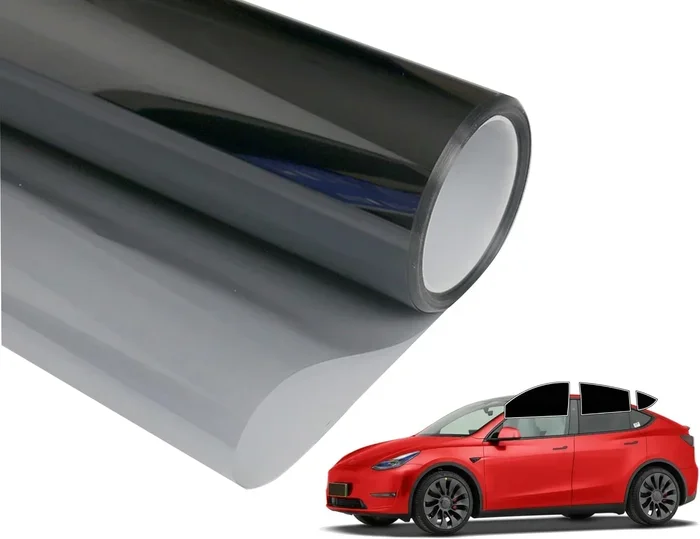
The Idaho window tint law is part of the Idaho Vehicle Code. It controls how dark or reflective your window tint can be. The law focuses on two main measurements: tint darkness and tint reflection. Darkness is measured by Visible Light Transmission, or VLT. This tells you the percentage of light that can pass through the glass. A lower VLT means a darker tint. Reflection measures how much light the tint bounces back. Idaho bans any tint that acts like a mirror.
These rules apply to passenger cars, SUVs, vans, and light trucks. The law also covers the windshield, side windows, and rear windows separately. Each window has its own legal limit. The goal is to keep drivers visible to law enforcement and other motorists. Safety is the top priority. When you understand these basics, you can pick a tint that looks great and stays legal.
Understanding Visible Light Transmission (VLT)
VLT is the heart of the Idaho window tint law. It is a simple percentage. For example, a VLT of 70% means 70% of outside light gets through the window. A VLT of 50% means only half the light passes. The rest is blocked. The law sets a minimum VLT for each window. You cannot tint below that limit. The Idaho statute uses VLT to define legal tint darkness. When you visit a tint shop, they will measure your current tint or recommend a film based on VLT.
Here is a quick look at how VLT works:
- 70% VLT: Very light tint. Barely noticeable. Still blocks some UV rays.
- 50% VLT: Medium tint. Reduces glare and heat significantly.
- 35% VLT: Dark tint. Offers more privacy and a sleek look.
- 20% VLT: Very dark. Often used for rear windows.
- 5% VLT: Limo tint. Almost no light passes. Illegal on most windows in Idaho.
Remember, the legal limit depends on which window you are tinting. Always check the VLT before you buy film.
Which Windows Can You Tint?
In Idaho, you can tint the side windows and rear window. The windshield has special rules. You cannot tint the entire windshield. The law allows a non-reflective tint strip at the top, but only above the AS-1 line. This line is usually marked by the manufacturer. Tinting below this line on the windshield is illegal. The front side windows also have strict VLT limits. The Idaho window tint law ensures that drivers can see out clearly, especially at night.
Quick Tip: Ask your tint shop to show you the AS-1 line on your windshield. They can mark the exact spot where the tint strip must end. This simple step keeps you legal from day one.
Legal Tint Darkness Limits by Vehicle Type
The Idaho window tint law groups vehicles into categories. Passenger sedans have different limits than SUVs and vans. The rules are designed to balance style with safety. Darker tints can reduce a driver’s ability to see pedestrians and other cars. That is why the front windows have higher VLT requirements. Below you will find the exact limits for each vehicle type.
Sedan Tint Rules
For a standard sedan, the front side windows must allow more than 70% of light in. This means the tint VLT must be above 70%. The rear side windows and rear window can be darker. You can use any tint darkness on the back windows, as long as the tint is not reflective. The windshield can only have a non-reflective strip at the top. This rule keeps the driver’s view clear during the day and at night.
SUV and Van Tint Rules
SUVs and vans follow a similar pattern but with a small difference. The front side windows still need over 70% VLT. The rear side windows and rear window can be tinted to any darkness. This gives SUV owners more flexibility. Many people like a dark rear window for privacy and to protect cargo from sun damage. The Idaho window tint law allows this. Just remember, no reflective or mirrored finish is allowed on any window.
Comparison Table: Tint Darkness Limits
| Vehicle Type | Front Side Windows | Rear Side Windows | Rear Window | Windshield |
|---|---|---|---|---|
| Sedan | Over 70% VLT | Any darkness allowed | Any darkness allowed | Non-reflective tint above AS-1 line only |
| SUV / Van | Over 70% VLT | Any darkness allowed | Any darkness allowed | Non-reflective tint above AS-1 line only |
This table makes it easy to see the rules at a glance. Keep a copy in your glove box if you ever need to show it to law enforcement.
Windshield Tint Rules and the AS-1 Line
The windshield is the most important safety glass in your car. The Idaho window tint law treats it with extra care. You cannot apply a dark tint to the entire windshield. The only allowed tint is a non-reflective strip at the very top. This strip must sit above the AS-1 line. The AS-1 line is a marking found on most windshields, usually 4 to 6 inches from the top edge. It is often printed or etched into the glass by the manufacturer.
Why this rule? The windshield provides a clear view of the road ahead. Dark tint below the AS-1 line would block sunlight and reduce visibility. It could also reflect glare into the driver’s eyes. A non-reflective tint strip helps block sun glare at the top of the windshield without obstructing your view. The tint must not be mirrored or shiny. It must allow plenty of light to pass through.
Quick Tip: If your windshield does not have a visible AS-1 line, hold a ruler 4 inches down from the top edge. That area is where the tint strip can go. Always keep the tint non-reflective and light in color.
Medical Exemptions and Special Permits
Some people need darker window tint for health reasons. The Idaho window tint law includes a medical exemption. This allows drivers and passengers with certain conditions to use tint that is darker than the legal limit. The exemption is not automatic. You must apply and receive approval from the Idaho Department of Motor Vehicles (DMV). A licensed physician must provide documentation of your medical need.
How to Apply for a Medical Exemption
Applying for a medical exemption involves a few steps. First, visit your doctor and explain why you need darker tint. Your doctor will fill out a medical certification form. This form states your condition and why standard tint limits are not enough. Next, submit the form to the Idaho DMV. You may need to pay a small fee. Once approved, you will receive a special permit sticker or certificate. You must keep this document in your vehicle at all times. Law enforcement can check it during a traffic stop.
Approved Medical Conditions
The Idaho DMV recognizes several conditions that qualify for a tint exemption. Common conditions include lupus, porphyria, and severe photosensitivity. These conditions make the skin or eyes extremely sensitive to sunlight. Even brief exposure can cause severe burns or other health issues. The exemption allows you to protect yourself while driving. It is a sensible compromise between safety and health needs.
Expert Insight: If you have a medical condition, do not just tint your windows darker on your own. Always get the official exemption. Driving without a permit can still result in a ticket, even with a medical reason.
Reflection, Color, and Metallic Restrictions
The Idaho window tint law goes beyond darkness. It also controls how your tint looks and reflects light. Two key restrictions are reflection and tint color. These rules keep your windows safe and legal. They also prevent the distracting glare that can blind other drivers.
Why Reflective Tint Is Illegal
Reflective tint acts like a mirror. It bounces sunlight back instead of letting it pass through. This can blind other drivers, especially during sunrise and sunset. Idaho bans any tint that has a reflective finish. The law applies to all windows, front and rear. The tint must have a matte or soft finish. It cannot look like a mirror from the outside. If your tint reflects light like a chrome surface, it is illegal.
Prohibited Tint Colors
Not all tint colors are allowed. The Idaho statute restricts certain colors that can distort the light or create glare. Red, amber, and blue tints are not permitted on any vehicle window. These colors can interfere with emergency vehicle signals and confuse other drivers. Allowed tint colors are typically neutral shades like charcoal, gray, or bronze. Some shops offer ceramic tint in these neutral tones. Ceramic tint blocks heat well without adding color distortion. Always choose a color that meets the Idaho window tint law.
Common Mistake: Many people assume any dark tint is legal if it is black. But black tint that is too dark or has a reflective finish will get you pulled over. Stick to neutral colors and legal VLT levels.
Avoiding Tickets and Common Mistakes
Even with good intentions, it is easy to make a tint mistake. The Idaho window tint law is strict, and law enforcement takes violations seriously. A tint ticket can cost you money and add points to your driving record. Understanding the most common errors helps you stay out of trouble.
DIY vs Professional Installation
Some car owners try to tint their windows at home. DIY tint kits are cheap and easy to find online. But they often lead to bubbles, peeling, and uneven coverage. More importantly, you cannot easily measure the exact VLT of a DIY job. A professional tint shop uses precision tools to measure the film’s light transmission. They can guarantee that your tint meets the Idaho window tint law. A professional install also comes with a warranty. If the tint bubbles or peels, they will fix it for free.
Quick Tip: Always ask your tint shop for a written VLT certificate. This document proves your tint is legal. Keep it in your glove box with your registration and insurance.
What Happens During a Traffic Stop
If a police officer pulls you over for a tint violation, they will use a tint meter. This device measures the VLT of your windows on the spot. If your tint is too dark, you will receive a citation. The fine for a tint ticket in Idaho can be several hundred dollars. In some cases, you may be ordered to remove the illegal tint. Repeated violations could lead to higher fines or a court appearance. The best way to avoid this is to stay informed and choose legal tint from the start.
Expert Insight: Law enforcement officers in Idaho are trained to spot illegal tint. They often check tint darkness during routine stops, especially at night when windows are harder to see through. Do not assume your tint looks light enough. Get it measured by a professional.
Benefits of Legal Window Tinting
Staying within the Idaho window tint law does not mean you miss out on the benefits of tinting. Legal tint still offers excellent UV protection, heat rejection, and glare reduction. You can enjoy a cooler, more comfortable ride without breaking the law. The key is choosing the right film and VLT.
UV Protection and Heat Rejection
Window tint blocks harmful ultraviolet rays. UV rays can cause skin damage and fade your car’s interior. A legal tint with 70% VLT still blocks a large portion of UV radiation. It also reduces solar heat. This keeps your car cooler in the summer. You spend less time blasting the air conditioner, which improves fuel economy. Ceramic tint films are especially good at rejecting heat while staying legal. They do not interfere with electronic signals, so your GPS and phone work normally.
Privacy and Comfort
Legal tint gives you privacy without going too dark. You can see out clearly, but others cannot easily see into your car. This is great for protecting valuables on the rear seat. It also reduces eye strain from sun glare. A legal tint makes long drives more comfortable. You arrive at your destination less tired and more focused. The Idaho window tint law is designed to let you enjoy these benefits safely.
Key Takeaways
The Idaho window tint law is straightforward once you know the basics. Front side windows must stay above 70% VLT for all vehicle types. The rear windows can be any darkness, but no reflective finish is allowed. The windshield can only have a non-reflective strip above the AS-1 line. Medical exemptions let some drivers go darker with proper documentation. Always choose a reputable tint shop and ask for a VLT certificate. By following these rules, you keep your car cool, your ride comfortable, and your record clean.
Remember, the goal is safety for you and everyone on the road. A legal tint adds style and function without the risk of a ticket. Use this guide as your go-to resource. Share it with friends who are thinking about tinting their cars. Stay informed, stay compliant, and enjoy the drive.
Frequently Asked Questions
What is the legal tint darkness for front side windows in Idaho?
The front side windows on any passenger vehicle must have a Visible Light Transmission (VLT) of more than 70%. This means the tint must allow over 70% of outside light to pass through. Any tint darker than that on the front windows is illegal.
Can I tint my windshield in Idaho?
Yes, but only the top 6 inches or above the AS-1 line. The tint must be non-reflective and cannot extend below that line. This rule keeps your view of the road clear and unobstructed.
Do I need a medical exemption for darker tint?
Yes, if you want tint darker than the legal limit for medical reasons, you must apply for an exemption through the Idaho DMV. You need a signed form from a licensed physician and an approved permit sticker.
What happens if I get caught with illegal tint?
You will receive a citation and a fine. The officer may also order you to remove the illegal tint. Repeated violations can lead to higher fines and potential court appearances.
Is reflective tint allowed on any window in Idaho?
No. The Idaho window tint law bans any reflective or mirrored finish on all windows. Tint must have a matte or soft appearance and cannot act like a mirror.
Can I tint my rear windows as dark as I want?
For sedans, SUVs, and vans, the rear side windows and rear window can be any darkness. However, the tint must still be non-reflective and not a prohibited color like red, amber, or blue.