How to Unlock a Lock With a Key Without Any Damage
Unlocking a lock with a key the right way keeps your car secure and your lock mechanism intact. This guide covers everything you need to know about how to unlock a lock with a key without causing damage. You will learn practical steps, common mistakes to avoid, and expert maintenance tips that save you time and money. Whether you deal with a car door lock, ignition lock, or lock cylinder, this article has you covered. Read on to become your own lock expert today.
You are standing by your car, key in hand, and the lock just will not turn. It happens to all of us at some point. Maybe the key feels stuck. Maybe the lock is stiff. Maybe you just want to make sure you do not scratch or damage anything while you try. The good news is that how to unlock a lock with a key the right way is simpler than you think. You do not need special tools or years of experience. You just need the right knowledge and a little patience.
This guide walks you through every step of safely unlocking a lock with a key. We cover how car locks work, why keys get stuck, and the exact techniques that prevent damage. You will also learn quick maintenance tips that keep your lock mechanism working smoothly for years. Whether your car has a standard key, a transponder key, or a key fob, you will find practical advice here. Let us dive in and make sure your locks work perfectly every single time.
Key Takeaways
- Always inspect your key and lock before inserting: Dirt, debris, or a damaged key is the top cause of lock jams.
- Use the right technique gently: Forcing a key can bend the key, damage the lock cylinder, or trigger the anti-theft system.
- Regular lock maintenance prevents problems: Lubricating your lock cylinder and keeping your key clean extends the life of your lock mechanism.
- Know when to call a professional: A stuck or broken key inside the lock needs expert key extraction tools, not brute force.
- Preventative care saves money: Simple habits like cleaning your key fob battery and lubricating the lock cylinder avoid costly lock repair bills.
- Understanding your lock type matters: Transponder keys and standard keys require different handling approaches.
- Act fast when problems arise: Ignoring a car lockout or a stiff key can lead to a full lock cylinder repair or key replacement.
📑 Table of Contents
Understanding How Your Car Lock Works
Before you try anything, it helps to know what is happening inside the lock. When you insert a key cylinder and turn it, you are engaging a series of tiny pins inside the lock cylinder. These pins align when the right key is used. Once aligned, the cylinder turns and the lock opens. It is a simple but精密 system. Understanding this helps you see why forcing a key is never the answer.
The Role of the Lock Cylinder
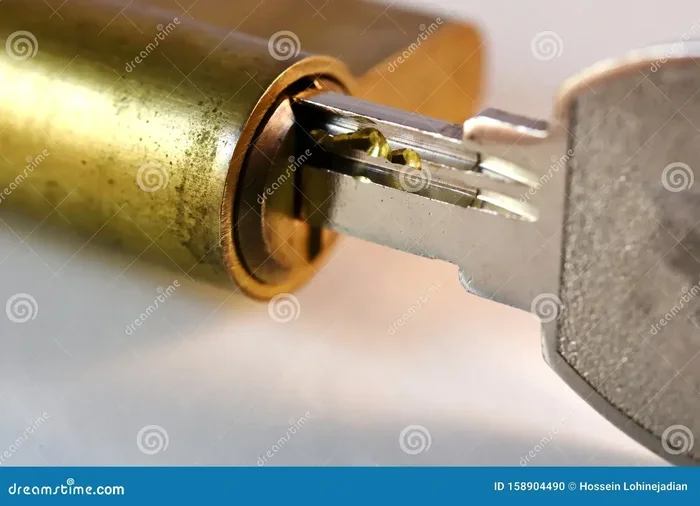
The lock cylinder is the heart of your lock system. It houses all the internal pins and springs. When a key slides in, each cut on the key pushes the pins to the correct height. If even one pin is off, the cylinder will not turn. This is why a worn or bent key causes so many problems. Over time, the internal pins can also wear down, making the lock feel stiff or gritty.
How Anti-Theft Systems Interact with Your Key
Modern cars come with anti-theft systems built into the ignition lock. These systems read a chip inside your transponder key. If the chip does not match, the car will not start even if the key turns. This is great for security. But it also means that a dead transponder chip can make it feel like your lock mechanism is broken when it is really just a communication issue. Always check your key battery before assuming the worst.
Common Reasons Your Key Will Not Turn
Knowing why a key gets stuck is half the battle. Once you identify the cause, how to unlock a lock with a key becomes much easier. Here are the most common reasons drivers face this problem every day.
Dirt and Debris Inside the Lock
Dust, lint, and tiny particles build up inside your lock cylinder over time. This gunk acts like sandpaper on the internal pins. It makes it hard for the key to slide in or turn. This is especially common in cars parked outside where rain, mud, and dirt get into the lock barrel. A little cleaning and lubrication can fix this quickly.
A Worn or Bent Key
Keys wear down after years of use. The cuts on the key become slightly rounded. A bent key will not align the pins correctly inside the lock cylinder. If your key looks worn, shiny, or slightly bent, it might be time for a key replacement. Continuing to use a damaged key can make the problem worse and lead to a broken key stuck inside the lock.
Frozen Lock Mechanism in Cold Weather
Cold weather is a lock killer. Moisture inside the lock mechanism freezes and turns the cylinder into a solid block of ice. This is one of the most common reasons for a car lockout in winter. The key will not turn because the internal parts are literally frozen in place. A little lock lubricant can prevent this from happening year after year.
Misaligned Door Latch or Striker
Sometimes the problem is not the lock at all. The door latch or striker plate can shift over time due to vibration or minor impacts. When this happens, the lock and latch do not line up properly. You might insert the key and feel like it hits something. The lock feels stiff even though the lock cylinder itself is fine. Adjusting the door latch often solves this problem.
Step-by-Step: How to Unlock a Lock With a Key Safely
Now that you understand the basics, let us walk through the actual process. Following these steps carefully will help you avoid damage every single time.
Step 1: Inspect Your Key and Lock
Before you insert anything, take a close look. Hold your key up to the light and check for bends, cracks, or worn-down cuts. Look at the lock opening and check for visible dirt, rust, or debris. This quick inspection takes five seconds but can save you from a lot of trouble. If your key looks damaged, do not force it. Get a key replacement or have the key key cutting done at a local shop.
Step 2: Clean the Lock Opening
Use a soft brush or compressed air to clear any visible debris from the lock opening. Do not use anything sharp like a pin or paperclip. You want to remove loose dirt without scratching the internal components. A can of compressed air works great for this. Blow gently into the lock barrel to push out dust and lint.
Step 3: Apply Lock Lubricant
This is the step most people skip, and it makes all the difference. Spray a small amount of lock lubricant into the lock cylinder. Use a dry lubricant like graphite powder or a Teflon-based spray. Avoid oil-based lubricants like WD-40 for long-term use. Oil attracts more dirt and can make the problem worse over time. A few sprays, and you are ready to try again.
Step 4: Insert the Key Gently
Slide the key into the lock slowly. Do not force it. If the key does not go in smoothly, stop. Check for alignment issues or debris. A little wiggling is normal, but pushing hard is not. Let the key slide in naturally until it seats fully inside the lock cylinder.
Step 5: Turn the Key with Steady, Gentle Pressure
Once the key is in, apply steady pressure in the direction the key turns. Do not yank or twist aggressively. Use your wrist, not your whole arm. If the lock does not move after a few seconds of gentle pressure, stop. Apply a little more lubricant and wait a minute. Sometimes the lubricant needs a moment to work its way inside the lock mechanism.
Step 6: Repeat if Needed
If the lock still does not open, try gently wiggling the key while applying light pressure. This helps the pins inside the cylinder find their correct alignment. Do this carefully and stop if you feel resistance. Patience is your best tool when learning how to unlock a lock with a key without damage.
Quick Tips for Success
- Always use the correct key for each lock. Using the wrong key damages both the key and the cylinder.
- Keep a spare key in a safe place. A spare saves you from panic during a car lockout.
- Never use a key that looks damaged. A bent or cracked key should be replaced immediately.
- Apply lubricant every few months. Regular maintenance keeps the lock cylinder operating smoothly.
- Stay calm and patient. Forcing the lock almost always causes more damage than good.
Common Mistakes That Cause Lock Damage
Even with the best intentions, people make mistakes that damage their locks. Knowing what not to do is just as important as knowing what to do. Here are the most common errors drivers make when trying to open a lock with a key.
Forcing the Key When It Sticks
This is the number one mistake. When the key does not turn, the instinct is to push harder. But forcing a key can bend it, break it inside the lock, or damage the pins inside the lock cylinder. A broken key inside the lock is a real nightmare. It requires professional key extraction tools to remove and can lead to expensive lock repair costs.
Using the Wrong Type of Lubricant
Not all lubricants are created equal. Oil-based sprays like WD-40 might work in the short term, but they attract dirt and dust over time. This creates a sticky paste inside the lock mechanism that makes the problem worse. Stick with dry lubricants like graphite or Teflon for your lock cylinder and lock barrel.
Ignoring a Stiff Lock for Too Long
When a lock starts feeling stiff, people often ignore it. They keep trying the same key over and over. This wears down both the key and the internal pins. What starts as a stiff lock can quickly become a jammed lock that needs professional lock repair or even full lock cylinder repair. Address stiffness early with lubrication and cleaning.
Using Improvised Tools to Extract a Broken Key
If a key breaks inside the lock, do not try to fish it out with tweezers, pins, or other household tools. You will likely push the broken piece deeper into the lock cylinder. This turns a simple key extraction job into a complex lock cylinder repair. Leave broken key extraction to a professional locksmith who has the right tools.
Skipping Key Maintenance
Your keys need care too. A dirty or worn key damages the lock cylinder every time you use it. Wipe your key regularly and check for wear. If you notice the cuts are becoming smooth or rounded, it is time for a key replacement. Investing in a new key is far cheaper than repairing a damaged lock mechanism.
When to Call a Professional Locksmith
There are times when DIY is not the right move. Knowing when to call a professional saves you time, money, and the risk of causing more damage. Here are clear signs that you need expert help.
Key Stuck Inside the Lock
If your key breaks or gets stuck inside the lock cylinder, do not try to pull it out forcefully. You risk snapping the key off even further inside the lock. A professional locksmith has specialized key extraction tools that can remove the broken piece safely. They can also assess whether the lock cylinder has been damaged and needs lock cylinder repair.
The Lock Feels Completely Frozen or Seized
If you have tried lubricant and the lock still will not move, the internal mechanism may be severely damaged. This can happen from rust, old age, or previous forced attempts. A locksmith can open the lock without causing further harm and recommend whether lock repair or lock replacement is needed.
Your Transponder Key Is Not Being Recognized
If your transponder key works physically but the car does not recognize the chip, you may need professional reprogramming. This is not something you should try yourself unless you have the right equipment. A locksmith or dealership can reprogram your key fob or transponder key quickly and correctly.
You Have Lost All Keys
Losing all your keys is stressful but common. A locksmith can cut a new key on the spot and program any anti-theft systems if needed. They can also advise on key replacement options that improve your lock security going forward.
You Have Tried Everything and the Lock Still Will Not Open
Sometimes the problem is more complex than it appears. The lock mechanism may have internal damage that is not visible from the outside. A professional locksmith has the tools and expertise to diagnose and fix the problem without causing additional harm. It is always better to call for help than to keep forcing the lock and make things worse.
Maintaining Your Car Locks for Long-Term Performance
Prevention is the best medicine for your locks. A little regular care goes a long way in keeping your lock mechanism working smoothly and avoiding car lockout situations. Here is a simple maintenance routine you can follow.
Clean Your Locks Regularly
Every few months, clean around your lock openings. Use a soft brush or compressed air to remove dust and debris. This prevents buildup that can stiffen the lock cylinder over time. Pay special attention to locks on doors that are exposed to rain, snow, or road spray.
Lubricate the Lock Cylinder
Apply a dry lock lubricant to each lock cylinder at least twice a year. Graphite powder or Teflon spray works best. Spray a small amount into the lock opening and insert and remove the key a few times to distribute the lubricant. This keeps the internal pins moving freely and prevents freezing in cold weather.
Check Your Keys for Wear
Inspect your keys every few months. Look for bends, cracks, or worn-down cuts. If your key does not look crisp and sharp, have it key cutting replaced. A fresh key slides into the lock cylinder smoothly and reduces wear on the internal pins.
Replace Your Key Fob Battery
If your key fob starts acting up, the battery is usually the culprit. A weak battery can make it feel like your lock mechanism is malfunctioning. Replace the battery annually or as soon as you notice reduced range. This simple step prevents unnecessary lock repair visits.
Protect Your Locks from Harsh Weather
Extreme cold and heat can damage your lock mechanism over time. In winter, try to park in a garage or covered area when possible. In summer, watch for signs of heat-related swelling in the lock components. A little protection goes a long way in extending the life of your lock cylinder and lock barrel.
Upgrade Your Lock Security When Needed
If your car is older, consider upgrading to a higher-security lock cylinder. Modern lock security features like anti-pick pins and restricted keyways make it much harder for thieves to access your vehicle. Ask your locksmith about anti-theft upgrades that fit your budget and needs.
Comparison: DIY Lock Care vs Professional Lock Services
| Aspect | DIY Lock Care | Professional Lock Services |
|---|---|---|
| Cost | Low (lubricant, cleaning supplies) | Moderate to high depending on service |
| Time Required | 10-30 minutes per lock | 15-45 minutes per visit |
| Risk of Damage | Low if done correctly | Very low when done by a pro |
| Best For | Routine maintenance, minor issues | Broken keys, frozen locks, complex problems |
| Tools Needed | Lubricant, soft brush, compressed air | Professional extraction tools, programming equipment |
| Long-Term Results | Good with consistent care | Excellent with guaranteed workmanship |
Conclusion
Learning how to unlock a lock with a key without causing damage is a skill every car owner should have. It saves you money, prevents frustrating car lockout situations, and keeps your lock mechanism in great shape for years to come. The key is to be gentle, use the right lubricant, and never force a stuck key. Regular maintenance like cleaning your lock cylinder and checking your key for wear makes a huge difference. When problems go beyond simple fixes, do not hesitate to call a professional locksmith. Your locks are an investment in your car’s security and functionality. Treat them well, and they will serve you reliably every single day. Start applying these tips today, and you will notice the difference the next time you reach for your key.
Frequently Asked Questions
Can I use WD-40 on my car lock cylinder?
You can use WD-40 for a quick fix, but it is not ideal for long-term use. WD-40 is an oil-based lubricant that attracts dust and dirt over time. This buildup can make your lock mechanism stiffer than before. For regular maintenance, use a dry lubricant like graphite powder or a Teflon-based spray. These keep the lock cylinder clean and moving smoothly without attracting debris.
What should I do if my key breaks inside the lock?
Do not try to pull the broken piece out with tweezers or other tools. You risk pushing it deeper into the lock cylinder and causing more damage. Instead, leave the broken key in place and call a professional locksmith. They have specialized key extraction tools to safely remove the broken piece. They can then assess whether the lock cylinder needs lock cylinder repair or full replacement.
Why does my car lock freeze in winter?
Moisture gets inside the lock mechanism and freezes when temperatures drop. This turns the lock cylinder into a solid block, making it impossible to turn the key. The best prevention is regular lubrication with a dry lock lubricant that resists moisture. You can also use a lock antifreeze spray in extremely cold climates. Parking in a garage or covered area helps protect your lock barrel from freezing temperatures.
How often should I replace my car key?
There is no set schedule, but you should replace your key when you notice visible wear. Signs include bent edges, worn-down cuts, or a key that no longer fits smoothly into the lock cylinder. A worn key damages the internal pins every time you use it. If you use your key daily, have it inspected annually. A fresh key cutting is inexpensive and keeps your lock security strong.
Can a dead transponder key battery cause lock problems?
Yes, a dead transponder key battery can make it seem like your lock mechanism is not working. The key may physically turn the lock but the car will not recognize the chip, preventing the engine from starting. This is often confused with a broken lock cylinder. Replace the key fob battery annually to avoid this issue. If replacing the battery does not solve the problem, the transponder chip itself may need reprogramming.
Is it worth upgrading my lock security features?
Absolutely. Upgrading your lock security is especially worthwhile for older vehicles. Modern anti-theft features like anti-pick pins and restricted keyways make it much harder for thieves to access your car. Ask your locksmith about high-security lock cylinder options. The cost is modest compared to the protection and peace of mind you gain. It is a smart investment for any car owner who wants to keep their vehicle safe.