Is 20 Percent Window Tint Really Dark or Too Light
20 percent window tint is a medium-dark shade that blocks about 80% of light from entering your vehicle. It offers a solid balance between privacy, UV protection, and heat rejection without going too dark for most drivers. Whether you want to reduce glare or keep your car cooler, this tint level is a popular choice for a reason.
Have you ever driven behind a car and wondered how dark their windows really are? Maybe you have been shopping for window tint and keep seeing the term 20 percent window tint everywhere. The question is simple but important: Is 20 percent window tint really dark?
The short answer is yes, but not as dark as you might think. A 20 percent tint falls into the medium-dark range. It blocks about 80% of visible light from entering your car while still allowing some natural light inside. This makes it one of the most popular choices for drivers who want privacy, heat reduction, and UV protection without going too dark.
In this guide, we will break down everything you need to know about 20 percent tint. We will cover what the number means, how it compares to other shades, the legal rules you need to follow, and whether it is the right choice for your vehicle. Let us get into it.
Key Takeaways
- 20 percent tint is medium-dark: It lets in roughly 20% of visible light while blocking 80%.
- It offers great privacy: Passersby cannot easily see into your vehicle, especially at night.
- UV protection is a big win: This shade blocks a significant amount of harmful ultraviolet rays.
- Legal limits vary by state: Some states allow 20% tint on all windows, while others restrict it to rear windows only.
- It is not the darkest option: 5% or 10% tints are much darker and are often illegal for front windows.
- Quality film matters: Ceramic and carbon tints perform better than dyed films at the same VLT level.
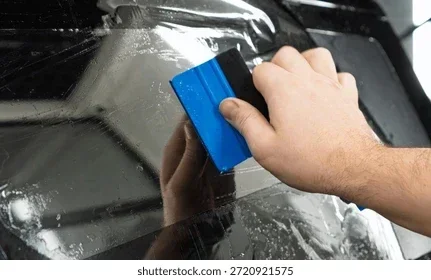
- Professional installation helps: A pro ensures no bubbling, peeling, or uneven application.
📑 Table of Contents
- What Does 20 Percent Window Tint Actually Mean?
- How Dark Is 20 Percent Tint Compared to Other Shades?
- Benefits of 20 Percent Window Tint
- Legal Restrictions and Tint Laws by State
- Types of Tint Film Used for 20 Percent Shades
- Is 20 Percent Tint Right for You?
- Common Mistakes to Avoid With 20 Percent Tint
- How Long Does 20 Percent Tint Last?
- How to Choose the Right Installer for Your 20 Percent Tint
- Conclusion
What Does 20 Percent Window Tint Actually Mean?
When you hear the term “20 percent tint,” it refers to the Visible Light Transmission level. This is often called VLT percentage. The VLT tells you how much light the tint film allows to pass through the glass. A 20 percent tint means that only 20% of light gets through. The remaining 80% is blocked.
This is different from what many people assume. Some think a “20 percent tint” means the film is 20% dark. That is not correct at all. The number refers to the light that passes through, not the darkness of the film itself. So the lower the VLT number, the darker the tint.
Understanding VLT and Tint Darkness
Here is a quick way to think about it. Imagine standing in front of a window with no tint. 100% of light passes through. Now imagine a window with a 50% tint. Half the light gets through. With a 20% tint, only one-fifth of the light enters your car. That is a noticeable difference.
The VLT scale works like this:
- 70-50% VLT: Very light tint. Barely noticeable. Mostly for glare reduction.
- 50-35% VLT: Medium tint. Good balance of light and privacy.
- 35-20% VLT: Medium-dark tint. 20 percent tint falls right here.
- 20-5% VLT: Dark tint. High privacy. Hard to see through from the outside.
- 5% VLT: Limo tint. Very dark. Almost no light passes through.
So when people ask is 20 percent window tint really dark, the answer is relative. It is darker than most factory tints and lighter than the very dark shades you see on luxury cars.
How Dark Is 20 Percent Tint Compared to Other Shades?
To really understand how dark 20 percent window tint is, it helps to compare it side by side with other popular tint levels. Each shade serves a different purpose and appeals to different needs.
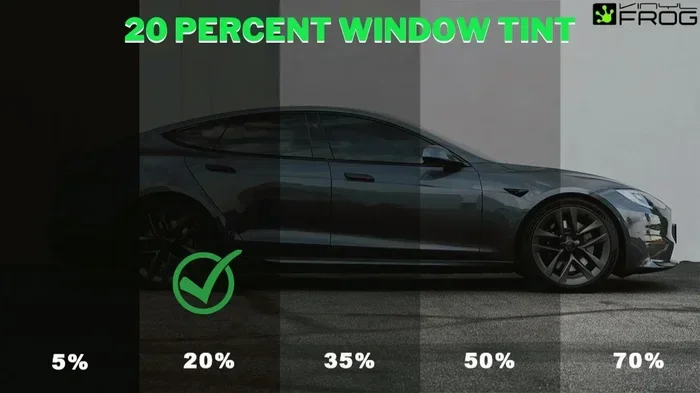
Visual Comparison of Common Tint Levels
Here is a simple breakdown of how different tint percentages look and feel:
- 70% VLT (30% tint): Very subtle. You can easily see through it. Good for a slight upgrade over factory tint.
- 50% VLT (50% tint): Noticeable but still clear. Reduces glare and blocks some UV rays.
- 35% VLT (35% tint): Medium shade. A popular choice for a clean, balanced look.
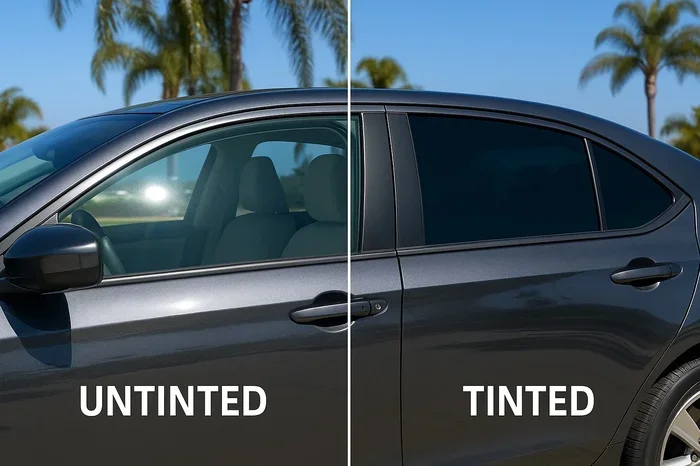
- 20% VLT (20% tint): Medium-dark. You can see through it during the day but it gets harder at night. This is where 20 percent tint sits.
- 5% VLT (5% tint): Very dark. Often called limo tint. Nearly impossible to see through from outside.
Comparison Table: Tint Levels at a Glance
| Tint Level | VLT Percentage | Darkness Level | Privacy Rating | Best For |
|---|---|---|---|---|
| Very Light | 70-50% | Barely tinted | Low | Glare reduction |
| Medium | 50-35% | Noticeable | Medium | Daily driving |
| Medium-Dark | 35-20% | Dark | High | Privacy + comfort |
| Dark | 20-5% | Very dark | Very High | Maximum privacy |
| Limousine | 5% | Extremely dark | Maximum | Style, VIP vehicles |
As you can see, 20 percent window tint sits in the medium-dark category. It is darker than what most people consider “light” tint but not as dark as the nearly black look of 5% tint. It gives your car a sleek, polished appearance without going overboard.
Benefits of 20 Percent Window Tint
Why do so many car owners choose 20 percent tint for their vehicles? There are several real, practical benefits that go beyond just looks.
UV Protection for You and Your Interior
One of the biggest advantages of quality 20 percent window tint is its ability to block harmful ultraviolet rays. Prolonged UV exposure can cause skin damage and fade your car’s interior over time. A good tint film can block up to 99% of UV radiation, even at 20% VLT. This means your dashboard, seats, and steering wheel stay in better condition longer.
Heat Rejection and Comfort
Nobody likes getting into a scorching hot car during summer. 20 percent tint significantly reduces the amount of solar heat that enters your vehicle. High-quality films, especially ceramic tint and carbon tint, can reject up to 60-70% of total solar energy. This keeps your cabin cooler and reduces the workload on your air conditioning system.
Privacy and Security
With only 20% of light passing through your windows, people outside cannot easily see into your car. This is especially valuable when you park in public spaces or leave personal items in the back seat. A 20 percent privacy tint gives you peace of mind without making your vehicle look overly tinted.
Glare Reduction
Driving with too much sunlight or headlight glare can be distracting and even dangerous. 20 percent window tint cuts down on glare significantly, making your driving experience more comfortable, especially during sunrise and sunset.
Quick Tip
Pair your 20 percent tint with a ceramic or carbon film for the best heat rejection and UV protection. Dyed films at this VLT level may fade faster over time.
Legal Restrictions and Tint Laws by State
This is where things get important. Not all 20 percent window tint is legal everywhere. Tint laws vary significantly from state to state, and violating them can result in fines or even having to remove your tint.
Front Window Rules
Most states have strict rules about how dark the front side windows can be. In many places, the front windows must allow at least 35% of light through. This means a 20% VLT tint on the front doors is often illegal. However, some states are more lenient and allow 20% tint on the front windows as well.
Rear Window and Back Side Windows
The good news is that most states allow darker tints on the rear windows and back side windows. A 20 percent tint on the rear windshield and back doors is legal in a wide range of states. Some states even allow 20% tint on all four side windows, as long as the front windows meet the minimum VLT requirement.
Windshield Tint Rules
Tinting the windshield is another area with strict regulations. Most states only allow a thin strip of tint at the top of the windshield, often called the AS-1 line. Full windshield tinting, even at 20%, is generally not permitted.
Common Mistakes
Many people assume that if a tint shop sells them a 20% tint, it is legal for their car. This is not always true. Always check your state’s specific tint laws before getting your windows tinted. What is legal in Texas may not be legal in New York.
Quick Reference: Common State Tint Laws
Here are a few examples to give you an idea of how laws differ:
- California: Front side windows must allow more than 70% VLT. Rear windows can be any darkness.
- Texas: Front side windows must allow 25% or more VLT. Rear windows can be 20% or darker.
- Florida: Front side windows must allow 28% or more VLT. Rear windows can be any darkness.
- New York: Front side windows must allow 70% or more VLT. Rear windows can be any darkness.
- Arizona: Front side windows must allow 33% or more VLT. Rear windows can be any darkness.
Always double-check with your local Department of Motor Vehicles or a reputable tint shop before getting your windows tinted. Laws change, and enforcement can vary by county.
Types of Tint Film Used for 20 Percent Shades
Not all tint films are created equal. When you choose a 20 percent window tint, the type of film you select matters a lot for performance, durability, and appearance.
Dyed Film
Dyed tint is the most affordable option. It uses a layer of dye to absorb heat and reduce light transmission. However, dyed films tend to fade and bubble over time. They also offer less heat rejection compared to higher-end options.
Metallic Film
Metallic tint contains tiny metallic particles that reflect heat and improve durability. It looks sleek and provides better heat rejection than dyed film. The downside is that metallic tints can interfere with cell phone signals and GPS reception.
Carbon Film
Carbon tint is a popular middle-ground option. It does not contain metal, so it does not interfere with electronics. Carbon films offer excellent heat rejection, a matte finish, and good durability. They are a great choice for 20 percent tint applications.
Ceramic Film
Ceramic tint is the premium option. It uses nano-ceramic particles to block heat without changing the appearance of the glass. Ceramic films offer the highest UV protection, the best heat rejection, and zero signal interference. They are more expensive but deliver the best long-term performance.
Expert Insight
According to industry professionals, investing in ceramic or carbon tint for your 20 percent windows pays off in the long run. While the upfront cost is higher, the durability, performance, and lack of fading make it well worth the investment.
Is 20 Percent Tint Right for You?
Choosing the right tint shade depends on your priorities, your driving habits, and where you live. Here are some factors to consider before committing to 20 percent window tint.
Consider Your Climate
If you live in a hot, sunny climate, 20% tint can make a noticeable difference in cabin temperature. The heat rejection properties of quality film will keep your car cooler and more comfortable. In cooler climates, you might prefer a lighter tint to maximize natural light.
Think About Your Driving Conditions
Do you drive a lot at night? If so, a 20 percent tint on the front windows might reduce visibility too much. Many drivers opt for a lighter shade on the front and a darker shade on the rear. This gives you the best of both worlds: clear visibility up front and privacy in the back.
Consider Your Style Goals
Want your car to look sleek and polished? 20 percent tint strikes a great balance. It is dark enough to give your car a refined look without looking overly tinted or attracting unwanted attention from law enforcement.
Budget Considerations
The cost of window tinting varies based on the film type, the number of windows, and whether you choose professional installation. On average, a full 20 percent tint job can range from $150 to $500 for a standard sedan. Premium films like ceramic will cost more but last longer and perform better.
Quick Tip
Always get a tint warranty from your installer. A good warranty should cover bubbling, peeling, fading, and discoloration for at least a few years.
Common Mistakes to Avoid With 20 Percent Tint
Even though 20 percent window tint is a popular and versatile choice, there are some common pitfalls that car owners should be aware of.
Skipping the Research on Legal Limits
This cannot be stressed enough. The number one mistake people make is assuming that 20% tint is legal everywhere. It is not. Research your state’s laws and get your tint done by a shop that understands local regulations.
Choosing the Cheapest Film Available
Budget films might seem like a great deal, but they often fade, bubble, and lose their clarity within a year or two. Spending a little more on quality tint film saves you money and headaches in the long run.
Ignoring Aftercare Instructions
After getting your windows tinted, you need to wait before rolling down the windows. Most installers recommend waiting at least 3-5 days. Rolling the windows down too soon can cause the film to crack, peel, or shift out of place.
Not Choosing the Right Film Type for Your Needs
If you care about signal strength, avoid metallic tints. If you live in a very hot area, prioritize ceramic or carbon films. Choosing the wrong film type for your specific needs can lead to disappointment.
Common Mistakes
The biggest mistake is treating all 20 percent tint films as the same. They are not. The film type, installer quality, and your local climate all play a huge role in how well your tint performs over time.
How Long Does 20 Percent Tint Last?
The lifespan of your 20 percent window tint depends largely on the film type and the quality of installation. On average, you can expect the following durability ranges:
- Dyed film: 2-5 years before fading or bubbling becomes noticeable.
- Metallic film: 5-8 years with proper care.
- Carbon film: 8-12 years. Holds up well against fading and discoloration.
- Ceramic film: 10+ years. The longest-lasting option available.
Proper maintenance also plays a role. Avoid using harsh chemicals or abrasive cleaners on your tinted windows. Use a soft cloth and a gentle, ammonia-free cleaner to keep your tint looking great for years.
Another thing to keep in mind: tint curing time. The film needs time to fully bond with the glass. During the first few weeks, you might notice some haze or water bubbles. This is completely normal and usually clears up as the film cures fully.
How to Choose the Right Installer for Your 20 Percent Tint
Installation quality can make or break your 20 percent tint experience. A poor installation can lead to bubbling, peeling, streaks, and an uneven finish. Here is what to look for:
- Experience: Choose an installer with a proven track record and positive reviews.
- Film brands: Reputable shops carry trusted brands like 3M, Llumar, SunTek, and Stling.
- Warranty: A good installer offers a clear, written warranty on both the film and the labor.
- Clean workspace: A clean, dust-free environment is essential for a bubble-free finish.
- Knowledge of local laws: A good installer will guide you on what is legal for your vehicle in your state.
Take your time when choosing an installer. Ask friends for recommendations, read online reviews, and visit the shop in person if possible. Your window tint is a long-term investment, and you want it done right the first time.
Conclusion
Is 20 percent window tint really dark? Yes, it is a medium-dark shade that provides excellent privacy, UV protection, and heat rejection without going to the extreme end of the tint spectrum. It is one of the most versatile and popular tint levels available, and for good reason.
Whether you want to keep your car cooler in the summer, protect your interior from sun damage, or simply enjoy more privacy on the road, 20 percent window tint delivers on all fronts. Just make sure you understand the legal tint limits in your state, choose the right film type for your needs, and invest in professional installation for the best results.
A well-chosen and properly installed 20% tint can transform your driving experience. It adds comfort, style, and protection to your vehicle every single day. So if you have been on the fence about getting your windows tinted, this shade is a fantastic place to start.
Take the time to do your research, find a trusted installer, and enjoy the benefits that come with a quality 20 percent window tint. Your car and your driving experience will thank you.
Frequently Asked Questions
Can you see through 20 percent tint at night?
It depends on lighting conditions. During the day, you can see through 20% tint fairly well from the outside. At night, visibility decreases significantly, especially if the interior of the car is dark. This is actually one of the main reasons people love this tint level for privacy.
Is 20 percent tint legal on front windows?
It depends on your state. Some states allow 20% tint on front side windows, while others require a higher VLT percentage. Always check your local tint laws before getting your front windows tinted to avoid fines or removal orders.
How much does 20 percent window tint cost?
The cost varies based on film type and vehicle size. On average, a full 20% tint job costs between $150 and $500 for a standard sedan. Premium films like ceramic will cost more, but they also last longer and perform better.
Does 20 percent tint block UV rays?
Yes, quality 20 percent window tint can block up to 99% of harmful UV rays, regardless of the VLT level. This is one of the biggest health and comfort benefits of getting your windows tinted, and it helps protect your car’s interior from fading.
Can I tint my own windows with 20 percent film?
You can, but professional installation is highly recommended. DIY tint kits are available, but achieving a bubble-free, even finish is difficult without experience. A professional installer ensures the best results and often provides a tint warranty for peace of mind.
What is the difference between 20 percent tint and 35 percent tint?
The main difference is light transmission. A 20% tint lets in 20% of light and is noticeably darker than a 35% tint, which lets in 35% of light. Both are popular choices, but 20% tint offers more privacy and heat rejection, while 35% tint is a bit lighter and more transparent.