Do All Cars Have a Fuel Cut-Off Switch – Heres Why
Not every car has a fuel cut-off switch, but most modern vehicles include one as a critical safety feature. This device stops fuel flow during collisions or sudden impacts to prevent fires and theft. Understanding your vehicle’s fuel system safety can save lives and money.
Key Takeaways
- Not all cars have a fuel cut-off switch: Older and some budget vehicles may lack this feature entirely.
- Modern vehicles include safety mechanisms: Most cars built after the 1980s have either a fuel cut-off switch or a fuel pump relay system.
- The inertia switch is the most common type: It trips during sudden impacts and can be reset easily.
- Location varies by vehicle: Check behind the trunk panel, under the dashboard, or in the engine compartment.
- Regular fuel system maintenance matters: A clean fuel delivery system prevents switch failures and extends vehicle life.
- Aftermarket kill switches add protection: Classic car owners can install affordable fuel cutoff valves for safety and theft prevention.
- Know your switch before you need it: Familiarity with your vehicle’s fuel system components saves time and money during emergencies.
📑 Table of Contents
- What Is a Fuel Cut-Off Switch?
- Do All Cars Have a Fuel Cut-Off Switch?
- Types of Fuel Shutoff Systems
- Where Is the Fuel Cut-Off Switch Located and When Does It Activate?
- Common Mistakes and Quick Tips for Fuel System Care
- Expert Insights on Fuel System Safety
- Comparison: Vehicles With and Without Fuel Cut-Off Switches
- Conclusion
What Is a Fuel Cut-Off Switch?
A fuel cut-off switch is a safety device designed to stop fuel from reaching your engine. Think of it as an emergency shutoff valve for your car’s fuel system. This small component plays a huge role in keeping you and your vehicle safe.
The primary job of a fuel cut-off switch is to block fuel flow when something goes wrong. It might stop fuel during a collision, a sudden jolt, or even when triggered manually. Either way, the result is the same. Your engine stops receiving fuel and shuts down safely.
Most fuel cut-off switches work by breaking the electrical circuit that powers your fuel pump. Without electricity, the pump cannot push fuel through the fuel line. Some older or simpler systems use a mechanical valve that physically blocks the fuel tank outlet instead.
These devices are part of a broader fuel delivery system that includes the fuel pump, fuel filter, fuel injectors, and fuel pressure regulators. Each component works together to deliver fuel from the tank to the engine efficiently and safely.
Many drivers never think about their fuel cut-off switch until something goes wrong. That is a mistake. Knowing how this device works and where it is located can save you time, money, and even your life in an emergency situation.
Do All Cars Have a Fuel Cut-Off Switch?
The short answer is no. Not every car on the road has a dedicated fuel cut-off switch. Whether your vehicle has one depends on several important factors. These include the car’s age, make, model, and the safety standards it was built to meet.
Older vehicles from the 1960s and 1970s rarely included any form of emergency fuel shutoff. Car manufacturers during that era focused more on engine performance and styling than on safety features. Drivers of classic cars from this period often had no built-in protection against fuel leaks or fires.
Modern Vehicles and Safety Regulations
Today, most new cars include some form of fuel shutoff mechanism. Fuel system safety has become a top priority for automakers worldwide. Government regulations now require vehicles to meet strict safety standards that include fuel system integrity.
However, having a dedicated fuel cut-off switch is different from having a fuel pump relay that interrupts power automatically. Many modern cars rely on electronic fuel injection systems and computer-controlled relays rather than a physical toggle switch you can flip with your hand.
Vehicles built after the mid-1980s almost always include some type of fuel shutoff feature. But the form it takes varies widely. Some use an inertia switch, while others depend entirely on the engine control module to manage fuel delivery during emergencies.
What About Older and Budget Vehicles?
If you drive an older or budget vehicle, you might not have a fuel cut-off switch at all. Many economy cars from the 1990s and early 2000s skipped this feature to cut costs. The same goes for many older trucks and SUVs that were built before safety regulations tightened.
Owners of these vehicles often install aftermarket kill switches on their own. This is a smart and affordable car maintenance upgrade. A basic inline fuel cutoff valve can be installed directly into the fuel line for a relatively low cost. It gives your older vehicle the same level of protection that newer cars have built in.
Classic car enthusiasts also frequently add these switches. Restoring an old vehicle is a labor of love, and adding a fuel system safety feature makes the car both more enjoyable and safer to drive on modern roads.
Types of Fuel Shutoff Systems
Not all fuel shutoff systems are the same. Different vehicles use different methods to stop fuel flow when needed. Understanding the types helps you know what your specific car has and how it works.
Inertia Switch
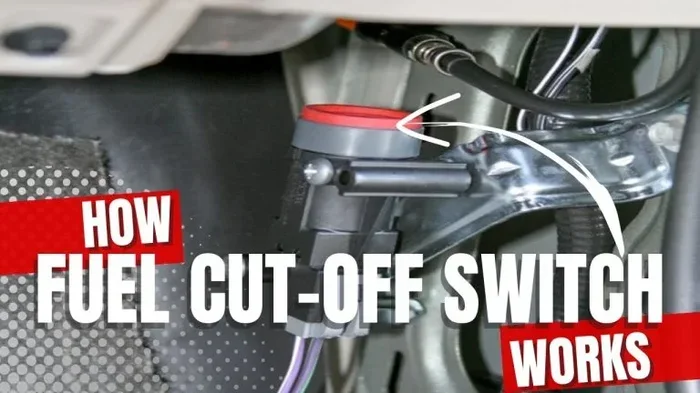
The inertia switch is the most common type found in passenger vehicles. It is also known as an inertia fuel cutoff switch. This device activates during sudden deceleration, sharp impacts, or rollovers.
You will usually find the inertia switch in one of a few common spots. Check behind the trunk panel on the left side, under the dashboard near the driver’s door, or inside the trunk near the spare tire. The exact location depends on your vehicle’s design.
Inside the switch, a small metal ball or weight sits in a cradle. During a collision or hard bump, the ball springs forward and breaks the electrical circuit. This stops the fuel pump from running and cuts fuel delivery to the engine.
One thing many drivers do not realize. The inertia switch can trip without a major collision. A sharp pothole, a hard speed bump, or even a rough landing can activate it. If your car suddenly stalls for no obvious reason, a tripped inertia switch is often the culprit.
Manual Kill Switch
A manual kill switch is exactly what the name suggests. The driver flips a switch or pushes a button to cut fuel delivery on purpose. These switches are common in racing, off-road vehicles, and custom builds.
Many car enthusiasts install kill switches as an anti-theft device. If a thief does not know where the hidden switch is, they cannot start the car. It is one of the simplest and most effective vehicle safety features you can add to any vehicle.
Aftermarket kill switches come in many styles. Some are toggle switches hidden behind a panel. Others are push-button switches disguised as dash controls. The best one is the one you can access quickly but a thief cannot find easily.
Electric Fuel Pump Relay
Some vehicles use the fuel pump relay as their primary method of fuel control. When you turn the ignition key to the off position, the relay cuts power to the fuel pump. This stops fuel flow without needing a separate physical switch.
Modern fuel injection systems rely heavily on these relays. The fuel pump relay controls the electrical current that runs the fuel pump. If the relay fails or malfunctions, your car will not start because the pump cannot receive power.
This is not a traditional fuel cut-off switch in the sense that you cannot flip it during an emergency. However, it serves a similar purpose by controlling fuel delivery through electrical means. Understanding the difference helps you troubleshoot fuel-related problems more effectively.
Rollover Valve and Fuel Tank Valve
Some vehicles include a rollover valve or fuel tank valve as part of the fuel system components. These valves close automatically when the vehicle rolls or tips beyond a certain angle. They prevent fuel from spilling out of the fuel tank during a rollover accident.
These valves work alongside the fuel cutoff valve to create a layered safety system. Together, they reduce the risk of fuel leaks, fires, and explosions in serious accidents. Not all vehicles have both, but many modern cars include at least one of these features.
Where Is the Fuel Cut-Off Switch Located and When Does It Activate?
The location of your fuel cut-off switch varies by vehicle. Manufacturers place these switches in different spots depending on the car’s design and engineering approach. Knowing where yours is located is essential for every driver.
Common Locations to Check
Here are the most common places to find a fuel cut-off switch in a typical passenger vehicle:
- Behind the trunk panel on the left side
- Under the dashboard near the driver’s side door
- In the engine compartment close to the fuel pump
- Inside the trunk near the spare tire well
- Under the passenger seat
- Behind the kick panel on the driver’s side
Always refer to your owner’s manual for the exact location. The manual will also explain how to reset the switch if it trips. Some switches have a small red button that pops up when the switch is tripped. Pressing it back in resets the system.
When Does the Switch Activate?
Understanding when your fuel cut-off switch triggers helps you troubleshoot problems quickly. The switch is designed to activate in specific situations that could be dangerous.
The primary trigger is a collision or sudden impact. When your car experiences a hard hit, the inertia switch trips automatically. This cuts fuel flow immediately to reduce the risk of fuel leaks and post-accident fires. This is one of the most important vehicle safety features in modern cars.
The second common trigger is a hard bump or jolt. Hitting a large pothole, driving over a curb too fast, or taking a speed bump at high speed can trip the switch. Even a rough landing after a steep driveway can cause activation.
If your car stalls after hitting a bump, do not panic. The fuel cut-off switch likely tripped. Locate the switch, check if the reset button has popped out, and press it firmly to reset. Your car should start normally again.
Sometimes the switch activates due to electrical issues. Corroded connections, worn contacts, or a faulty fuel pump relay can cause the switch to trip randomly. This is why regular fuel system maintenance is so important. Keeping electrical connections clean and secure prevents many common problems.
Common Mistakes and Quick Tips for Fuel System Care
Common Mistakes Drivers Make
The biggest mistake drivers make is ignoring a tripped switch. If your car stalls and will not restart, check the fuel cut-off switch before calling a tow truck. You might save yourself a lot of money and frustration with a simple reset.
Another common mistake is confusing a tripped switch with a bad fuel pump. Both cause similar symptoms. Your engine stalls, fails to start, or loses power suddenly. Before replacing expensive fuel system components, always check the switch first. A simple reset might solve the entire problem.
Many drivers also forget to reset the switch after performing fuel system maintenance. If you recently changed the fuel filter, worked on the fuel line, or touched any electrical connections near the pump, the switch may have tripped. Always check and reset it after any work on the fuel system.
Some owners ignore warning signs entirely. A switch that trips frequently is telling you something. It could signal a loose electrical connection, a failing fuel pump, or debris in the fuel tank. Ignoring these signs leads to bigger problems and more expensive repairs down the road.
Quick Tips for Maintaining Your Fuel System
Tip 1: Know Your Switch Location. Take five minutes to locate your fuel cut-off switch right now. Read your owner’s manual and find it in person. Knowing where it is saves precious time during an emergency when every second counts.
Tip 2: Test It Periodically. You can check your fuel cut-off switch with a simple multimeter test. Make sure the electrical connections are clean and secure. A loose connection can cause intermittent stalling or starting problems that are hard to diagnose.
Tip 3: Keep Your Fuel Filter Clean. Replace your fuel filter according to your manufacturer’s recommended schedule. A clogged filter restricts fuel pressure and forces the entire fuel delivery system to work harder. This shortens the life of your fuel pump and other components.
Tip 4: Address Stalling Immediately. If your car stalls unexpectedly, do not ignore it. A persistent stalling issue could signal a failing fuel cut-off switch or other fuel system problems. Early diagnosis prevents costly repairs and keeps you safe on the road.
Tip 5: Use Quality Fuel. Clean fuel keeps your entire fuel system running smoothly. Impurities in cheap fuel can clog the fuel filter, damage the fuel pump, and interfere with the fuel injection system. Stick with reputable gas stations and follow the manufacturer’s recommended fuel grade.
Expert Insights on Fuel System Safety
Automotive safety experts emphasize the importance of understanding your vehicle’s fuel system components. A fuel cut-off switch is one of the simplest yet most effective safety devices in any car. Despite its small size, it plays a critical role in protecting both the vehicle and its occupants.
According to the National Highway Traffic Safety Administration, fuel system integrity plays a vital role in post-collision safety. Vehicles equipped with proper fuel shutoff mechanisms significantly reduce the risk of post-accident fires and explosions. This is why safety regulators have pushed for mandatory fuel system protections in newer vehicles.
Experienced mechanics also recommend that every car owner familiarize themselves with their vehicle’s fuel system maintenance needs. A well-maintained fuel system not only improves engine performance but also enhances overall safety. Simple habits like checking fuel lines for cracks and replacing filters on schedule go a long way.
Safety engineers point out that the fuel delivery system has evolved dramatically over the past four decades. Early fuel systems relied on simple mechanical pumps and carburetors. Modern systems use high-pressure fuel injection, computer-controlled relays, and multiple safety redundancies. Understanding these advances helps drivers appreciate the engineering that goes into keeping them safe.
One expert insight worth sharing. Always replace a tripped inertia switch if it trips repeatedly without any clear cause. A switch that trips randomly may have internal damage. Continuing to reset it without addressing the root cause can lead to complete switch failure when you need it most.
Comparison: Vehicles With and Without Fuel Cut-Off Switches
| Feature | Vehicles With Switch | Vehicles Without Switch |
|---|---|---|
| Safety in Collisions | Automatic fuel shutoff during impact | Relies on other safety systems and structural design |
| Theft Prevention | Can add aftermarket kill switch easily | More vulnerable without an added shutoff option |
| Common Era | Post-1980s vehicles with safety regulations | Pre-1970s vehicles and some budget models |
| Maintenance Needs | Periodic switch inspection and reset testing | Focus on fuel line integrity and mechanical valve checks |
| Cost of Adding One | Already included in the vehicle | $30 to $80 for an aftermarket inline valve or kill switch |
| Emergency Response | Quick reset allows fast restart | Must trace and manually close fuel line or disconnect pump |
As you can see from the table above, having a fuel cut-off switch offers clear advantages. Even if your older vehicle lacks one from the factory, adding an aftermarket kill switch or inline fuel cutoff valve is a smart and affordable upgrade. The peace of mind alone is worth the small investment.
Conclusion
So, do all cars have a fuel cut-off switch? The answer is no, but most modern vehicles do. Understanding your car’s fuel system is essential for both safety and everyday maintenance. Whether you drive a new sedan, a rugged truck, or a classic car from the 1960s, knowing about your fuel shutoff options empowers you as a driver.
A fuel cut-off switch is one of those small components that most people overlook until they need it. Taking a few minutes to learn about yours can make a enormous difference. You will be better prepared for emergencies, smarter about car maintenance, and more confident behind the wheel.
Take the time to locate your switch, understand how it works, and keep your fuel system in top shape. Replace your fuel filter on schedule, check electrical connections, and never ignore warning signs like unexpected stalling. A little knowledge and regular care go a long way in protecting both your vehicle and the people you love.
Whether your car has a built-in fuel cut-off switch or you choose to add one yourself, the important thing is that you are taking active steps to improve fuel system safety. That is what responsible car ownership is all about.
Frequently Asked Questions
Can I drive my car if the fuel cut-off switch is tripped?
No, you should not drive the car until you reset the switch. A tripped fuel cut-off switch stops fuel from reaching the engine. The car will not start or will stall immediately. Reset the switch by pressing the reset button, then try starting the vehicle again. If it trips again, investigate the underlying cause before driving.
How much does it cost to replace a fuel cut-off switch?
Replacement costs are generally very affordable. The switch itself typically costs between $20 and $60. Labor costs add another $50 to $100 if you have a mechanic install it. Many car owners can replace the switch themselves with basic tools and a little patience, saving on labor costs entirely.
Is a fuel cut-off switch the same as a kill switch?
They serve similar purposes but work differently. A fuel cut-off switch usually activates automatically during impacts or sudden movements. A kill switch is typically a manual device the driver flips on purpose. However, many people use the terms interchangeably when talking about aftermarket anti-theft devices installed in vehicles.
Can a fuel cut-off switch go bad over time?
Yes, fuel cut-off switches can fail over time. Electrical connections corrode, internal mechanisms wear out, and the sensitivity decreases with age. A switch that trips frequently or fails to reset may need replacement. Regular fuel system maintenance helps identify failing switches before they cause bigger problems.
Where is the fuel cut-off switch in popular car brands?
Location varies by brand and model. In most Fords, you will find it in the trunk behind the panel. In many Toyotas, it sits behind the trunk lid on the left side. In Chevrolets, it is often under the dashboard. Always consult your specific vehicle’s owner manual for the exact fuel cut-off switch location and reset procedure.
Do electric vehicles have a fuel cut-off switch?
Electric vehicles do not have a traditional fuel cut-off switch because they do not use gasoline or diesel. Instead, EVs have high-voltage disconnect systems and battery management controls that serve a similar safety purpose. These systems isolate the battery pack during collisions or maintenance. The concept is the same, but the technology is entirely different from a conventional fuel system shutoff.