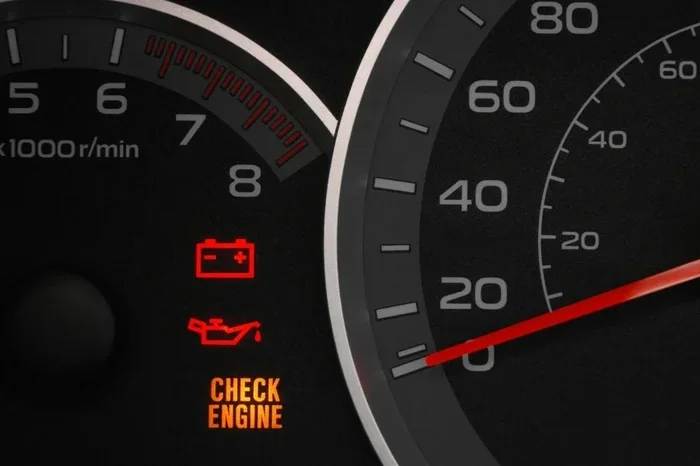
Can You Still Drive When It Says Maintenance Required
Can You Still Drive When It Says Maintenance Required is an essential topic that provides valuable insights.
Key Takeaways
- Understanding Can You Still Drive When It Says Maintenance Required: Provides essential knowledge
📑 Table of Contents
- What Does Maintenance Required Mean on Your Dashboard?
- Can You Still Drive When the Light Is On?
- What Happens If You Ignore the Maintenance Required Light?
- How Long Can You Drive After the Light Comes On?
- How to Reset the Maintenance Required Light
- Maintenance Required vs. Check Engine Light
- Quick Tips for Keeping Up with Car Maintenance
- Common Mistakes People Make With the Maintenance Required Light
- Expert Insights on Dashboard Warning Lights
- Key Takeaways
What Does Maintenance Required Mean on Your Dashboard?
When you see the words Maintenance Required on your dashboard, it means your car is due for scheduled service. This is not a breakdown alert. It is a preventive maintenance reminder based on your mileage or time since the last vehicle maintenance. Most modern cars use a maintenance timer that counts down based on driving habits and distance traveled.
This light is different from the check engine light. The check engine light signals a problem with your emissions system or engine performance. The maintenance required light is simply a nudge. It tells you that it is time for an oil change, tire rotation, or other scheduled automobile maintenance tasks.
How the Maintenance Timer Works
Most vehicles use a mileage-based system. For example, your car might trigger the light every 5,000 miles or every 7,500 miles. Some cars use a time-based system as well, reminding you every six months or every year. The system tracks your driving and calculates when the next service interval is due.
Here is how it typically works:
- The system counts miles since the last reset.
- When you reach the preset mileage, the light turns on.
- The light stays on until a mechanic performs the service and resets it.
- Some cars allow you to reset the light yourself after completing the maintenance.
Understanding this simple cycle removes a lot of the mystery. Your car is just doing its job by keeping track of when car maintenance is due.
Can You Still Drive When the Light Is On?
Yes, you can still drive when the maintenance required light is on. This is not a stop-everything warning. Your car is still fully operational. However, there are some important things to keep in mind before you just ignore it and keep driving.
Short-Term Driving Is Generally Safe
In most cases, you can safely drive for a few hundred miles after the light comes on. If you are close to your local mechanic or a service center, you can drive there without any problem. The light is essentially saying, “Hey, schedule a service soon.” It is not saying, “Stop the car right now.”
Think of it like the reminder on your phone when a bill is due. You can still use your phone. The bill just needs to get paid soon. The same logic applies here. Your car will keep running, but the maintenance needs to happen within a reasonable timeframe.
When Driving Becomes Risky
There are situations where driving with the light on becomes risky. If the light has been on for a very long time and you have not addressed it, problems can develop. Here are some signs that you should not keep driving:
- You hear strange noises from the engine or undercarriage.
- You notice a drop in fuel efficiency.
- Your car feels sluggish or struggles to accelerate.
- You see other warning lights appearing on the dashboard.
- You are driving in extreme weather conditions like heavy rain or extreme heat.
If any of these happen, pull over safely and get your car inspected. Driving with overdue vehicle upkeep can turn a simple service into a costly repair.
What Happens If You Ignore the Maintenance Required Light?
Ignoring the maintenance required message might seem harmless at first. But over time, skipping scheduled preventive maintenance can lead to serious problems. Your car needs regular care to perform at its best. When you skip that care, things start to break down.
Engine Damage from Old Oil
The most common reason for this light is an overdue oil change. Oil lubricates your engine parts and keeps them running smoothly. When oil gets old, it becomes dirty and loses its effectiveness. Old oil can cause increased friction, overheating, and eventually engine failure. This is one of the most expensive repairs you can face, and it is completely preventable with regular car service.
Reduced Fuel Efficiency
When your car is not properly maintained, it has to work harder. Dirty air filters, old spark plugs, and low fluid levels all contribute to poor fuel economy. You might not notice it right away, but over time, you will fill up your gas tank more often. Keeping up with your automobile maintenance schedule helps you save money at the pump.
Safety Risks
Your car has many systems that depend on regular maintenance. Brake pads, tires, and steering components all wear down over time. If these parts are not inspected and replaced when needed, your safety on the road is at risk. Routine car care is not just about performance. It is also about keeping you and your passengers safe.
Voided Warranty
If your car is still under warranty, skipping recommended service intervals can void that warranty. Manufacturers require proof of regular maintenance. If something goes wrong and you have not kept up with your car maintenance schedule, the warranty may not cover the repair. That can cost you thousands of dollars.
How Long Can You Drive After the Light Comes On?
This is one of the most common questions people ask. The answer depends on a few factors, including your car model, driving conditions, and how long the light has been on.
General Guidelines
Most experts recommend getting your car serviced within 500 to 1,000 miles after the light appears. For most drivers, this gives you enough time to fit a service appointment into your schedule without any stress. Here is a simple breakdown:
- 0 to 500 miles: You are in the safe zone. Schedule a service at your convenience.
- 500 to 1,000 miles: You should prioritize getting the service done soon.
- 1,000 to 2,000 miles: You are pushing it. Book a service appointment immediately.
- Over 2,000 miles: Your car is overdue for maintenance. Drive carefully and get it serviced as soon as possible.
Factors That Affect How Long You Can Drive
Not everyone drives the same way, and not all driving conditions are the same. Here are some factors that can shorten or extend the safe driving window:
- Driving in stop-and-go traffic: This puts more strain on your engine and wears out oil faster.
- Extreme temperatures: Very hot or very cold weather can affect your car’s fluids and performance.
- Towing or carrying heavy loads: This increases the workload on your engine and brakes.
- Highway driving: Steady highway driving is generally easier on your vehicle than city driving.
- Age of the vehicle: Older cars may need more frequent attention.
How to Reset the Maintenance Required Light
Once you have completed your car maintenance, you will want to reset the light. This tells your car that the service has been done and the timer can start over. The process varies depending on your vehicle make and model.
Common Reset Methods
Here are the most common ways to reset the maintenance required light:
- Turn the ignition on without starting the engine. Press and hold the trip meter reset button until the light flashes and then resets.
- Use the steering wheel controls. Some cars let you scroll through the dashboard menu and find a maintenance reset option.
- Visit a mechanic or dealership. They can reset the light for you quickly and often for free or a small fee.
- Use an OBD-II scanner. These devices plug into your car’s diagnostic port and can reset maintenance reminders.
When to Seek Professional Help
If you are not comfortable resetting the light yourself, there is no shame in visiting a professional. A mechanic inspection ensures that the light is reset correctly and that your car is actually in good shape. Many quick-lube shops and dealerships will reset the light as part of their service.
Maintenance Required vs. Check Engine Light
People often confuse the maintenance required light with the check engine light. They look different and mean very different things. Understanding the difference can save you a lot of stress and confusion.
| Feature | Maintenance Required Light | Check Engine Light |
|---|---|---|
| What it means | Scheduled service is due | A problem has been detected |
| Urgency level | Low to moderate | Moderate to high |
| Can you drive? | Yes, for a limited time | Yes, but get it checked soon |
| Common causes | Oil change, tire rotation, fluid check | Emissions issue, sensor problem, engine fault |
| Cost of ignoring | Potential engine damage over time | Worsening of the underlying problem |
| Reset method | Simple, often DIY | Usually requires a mechanic or scanner |
The key takeaway is that the maintenance required light is a scheduled reminder, while the check engine light is an alert about a specific problem. Both deserve attention, but they are not the same level of urgency.
Quick Tips for Keeping Up with Car Maintenance
Staying on top of your vehicle maintenance schedule does not have to be hard. A little planning goes a long way. Here are some practical tips to help you stay ahead of the maintenance required light:
- Set a calendar reminder: Mark your mileage or date every time you get service done. Set a reminder for the next one.
- Keep a log: Write down every oil change, tire rotation, and service visit. This helps you track your car maintenance history.
- Use a maintenance app: Many apps can track your car’s service schedule and send you alerts before the light even comes on.
- Don’t wait for the light: If you know your car needs an oil change every 5,000 miles, do not wait until the light comes on. Get it done early.
- Build a relationship with a trusted mechanic: A good mechanic knows your car and can help you stay on track with preventive maintenance.
These small habits can save you a lot of money and headaches in the long run. Preventive maintenance is always cheaper than reactive repairs.
Common Mistakes People Make With the Maintenance Required Light
Even the most careful drivers make mistakes when it comes to dashboard warning lights. Here are some common errors to avoid:
Mistake 1: Hitting the Reset Button Without Doing the Service
Some people simply reset the light and carry on without actually getting the maintenance done. This defeats the entire purpose. The light will come right back on, and your car is still overdue for automobile maintenance. Always complete the service first, then reset the light.
Mistake 2: Assuming All Dashboard Lights Mean the Same Thing
As we covered earlier, different lights mean different things. Treating the maintenance required light the same as the check engine light can lead to confusion. Learn what each light on your dashboard means so you can respond appropriately.
Mistake 3: Ignoring the Light for Months
It is easy to let the light fade into the background of your busy life. But ignoring it for months can lead to real problems. Set a goal to address the service due soon message within a week of seeing it.
Mistake 4: Not Checking Fluid Levels
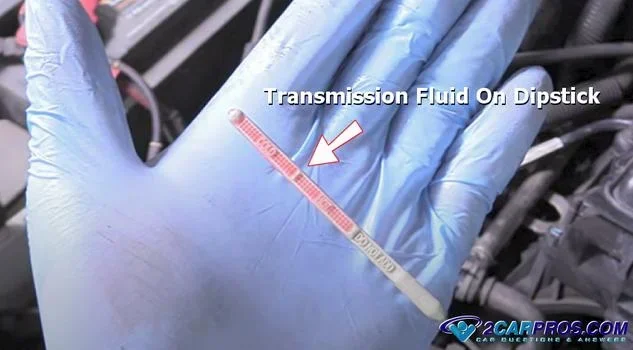
The maintenance required light often appears because it is time to check your fluids. Before you visit a mechanic, take a quick look at your oil dipstick and coolant levels. Sometimes a simple top-off can keep your car running smoothly until your scheduled service.
Expert Insights on Dashboard Warning Lights
Expert Insight: According to automotive professionals, most drivers underestimate the importance of routine car care. A maintenance required light is your first line of defense against major mechanical failures. The key is to respond promptly, even if the car still feels fine.
Many experienced mechanics agree that drivers who follow their maintenance schedule save money over the lifetime of their vehicle. Regular oil changes, fluid checks, and inspections catch small problems before they become big, expensive ones. Think of it as an investment in your car’s longevity and your own safety.
One mechanic shared this analogy: “Treating your car’s maintenance light like a toothache reminder makes sense. You would not ignore a toothache forever. The same logic applies to your car. Address it early, and you avoid bigger problems later.”
Key Takeaways
- The maintenance required light is a reminder, not an emergency: Your car is still safe to drive for a limited time after the light appears.
- Get your car serviced within 500 to 1,000 miles: This is the general safe window for most vehicles.
- Do not confuse it with the check engine light: The maintenance required light signals scheduled service, not a specific mechanical problem.
- Ignoring the light can lead to costly repairs: Skipping oil changes and fluid checks can cause engine damage over time.
- Always reset the light after completing service: This keeps your maintenance schedule accurate and your dashboard clear.
- Stay proactive with preventive maintenance: Regular care saves money and keeps your car running safely for years.
- Read your owner’s manual: It contains specific guidance for your car model and service interval details.
Frequently Asked Questions
How far can I drive when the maintenance required light is on?
Most experts say you can safely drive 500 to 1,000 miles after the light comes on. However, this depends on your driving conditions and how overdue your car maintenance is. Try to schedule a service as soon as possible.
Is it safe to drive long distances with the maintenance required light on?
It is generally not recommended to drive long distances with the light on for an extended period. If you must drive far, make sure your oil level is adequate and your fluids are topped off. Stop at a service station if you notice any unusual symptoms.
What should I do if the maintenance required light comes on while driving?
Do not panic. Your car is still operational. Note the mileage and plan to visit a mechanic or service center within the next few days. If you notice any other warning signs, pull over safely and get help.
Can I reset the maintenance required light myself?
Yes, in most cases you can reset the light yourself using your car’s dashboard controls or steering wheel buttons. Refer to your owner’s manual for step-by-step instructions. Just make sure you complete the vehicle maintenance before resetting.
Will driving with the maintenance required light on damage my car?
Driving for a short distance will not cause immediate damage. However, ignoring the light for weeks or months can lead to problems like old oil buildup, reduced engine performance, and increased wear on critical components. Stick to your maintenance schedule for the best results.
What if the maintenance required light stays on after a service?
If the light does not turn off after a service, the mechanic may not have reset it properly. Go back to the service center and ask them to reset the maintenance reminder. If the light persists, it could indicate a deeper issue that needs a mechanic inspection.
=== CONCLUSION ===
So, can you still drive when it says maintenance required? Yes, you can. But the better question is, should you wait? The answer is no. Your car is trying to tell you something important. It is time for a service interval check and some routine car care. Responding quickly to the maintenance required light keeps your car running smoothly, protects your safety, and saves you money on expensive repairs down the road.
Do not let the light become a source of stress. Treat it as a helpful reminder and take action. Schedule your car service, keep up with your automobile maintenance, and enjoy the peace of mind that comes with a well-maintained vehicle. Your car will thank you for it, and so will your wallet.