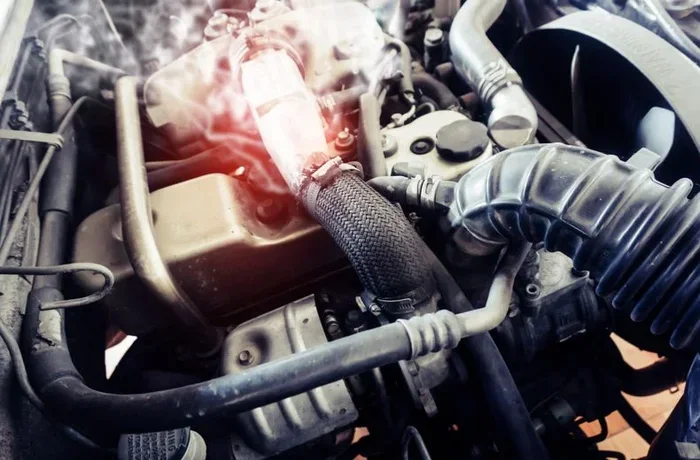
Can No Coolant Make a Car Overheat and Cause Damage
Yes, driving with no coolant can absolutely make your car overheat and lead to severe engine damage. Without coolant, your engine has no way to release the intense heat generated during normal operation. Temperatures can spike within minutes, causing warped parts, cracked blocks, and blown head gaskets. Understanding the risks of no coolant in your car helps you act fast and avoid costly repairs. This guide covers everything you need to know about engine overheating from coolant loss and how to protect your vehicle.
Every car owner has seen that little temperature gauge on the dashboard. Most of the time, it sits calmly in the middle. But when it starts creeping upward, panic sets in fast. One of the biggest culprits behind a rising temperature gauge is a simple but dangerous problem: no coolant in the system. Many drivers wonder, can no coolant make a car overheat? The answer is a firm and urgent yes. In fact, driving without coolant is one of the fastest ways to destroy an engine.
Coolant, sometimes called antifreeze, plays a vital role in your vehicle. It absorbs heat from the engine and carries it away through the radiator. Without this liquid, the engine has no way to cool down. Heat builds up fast. Within just a few minutes of driving, internal temperatures can exceed safe limits. The result can be expensive engine damage that might total your car. Understanding how no coolant causes engine overheating is the first step toward protecting your vehicle and your wallet.
Key Takeaways
- No coolant causes rapid overheating: Your engine relies on coolant to absorb and dissipate heat. Without it, temperatures can reach dangerous levels in minutes.
- Serious damage can occur quickly: Running an engine with no coolant can warp cylinder heads, crack engine blocks, and blow head gaskets.
- Watch for warning signs: A rising temperature gauge, steam from the hood, and a sweet smell are clear signals of coolant problems.
- Common causes include leaks and age: Radiator hoses, water pumps, and the radiator itself can develop leaks over time.
- Prevention is simple and affordable: Regular coolant checks, flushes, and prompt leak repairs keep your cooling system working.
- Act fast if you notice overheating: Pull over safely and address the issue before permanent damage sets in.
📑 Table of Contents
- What Happens When Your Car Has No Coolant
- How the Cooling System Works to Prevent Overheating
- Warning Signs of Low or No Coolant
- Common Causes of Coolant Loss
- What Damage Can No Coolant Cause to Your Engine
- How to Prevent Coolant Problems and Engine Overheating
- How Much Does It Cost to Repair Overheating Damage?
- Expert Insights on Coolant and Engine Health
- Key Takeaways
- Conclusion
What Happens When Your Car Has No Coolant
When your car runs without coolant, things go wrong quickly. The engine generates enormous amounts of heat during normal operation. Combustion cycles produce temperatures that can exceed 200 degrees Fahrenheit inside the cylinders. Under normal conditions, coolant handles this heat effortlessly. But with no coolant, there is nothing to absorb or transfer that thermal energy away from the engine core.
How the Engine Generates Heat
Your car’s engine is essentially a controlled explosion chamber. Fuel ignites thousands of times per minute. Each explosion creates power but also generates intense heat. The pistons move up and down rapidly. The crankshaft spins at high speed. All of this motion produces friction, which adds even more heat to the equation. A healthy cooling system manages all of this heat without breaking a sweat.
But when there is no coolant in the radiator, the heat has nowhere to go. The engine block absorbs more and more thermal energy with every second. Metal components expand under extreme heat. Tolerances that are carefully engineered begin to break down. What starts as a minor temperature rise can turn into a catastrophic failure within 10 to 15 minutes of driving.
Why Coolant Is Essential
Coolant is not just water. It is a carefully formulated mixture of water and ethylene glycol or propylene glycol. This mixture has a much higher boiling point than plain water. It also has a lower freezing point, which protects your engine in cold weather. The coolant mixture circulates through engine passages, absorbing heat from the combustion chambers and cylinder walls.
The heated coolant then flows through the radiator, where air passing over the radiator fins cools it down. The cooled coolant cycles back into the engine to absorb more heat. This continuous loop keeps your engine at the optimal operating temperature. Remove the coolant from this equation, and the entire system collapses. The engine overheats, components fail, and damage follows.
How the Cooling System Works to Prevent Overheating
Your car’s cooling system is a network of components working together. Each part plays a specific role in keeping the engine at a safe temperature. When one part fails or when the system loses fluid, the whole process breaks down. Understanding how this system works helps you appreciate why no coolant is so dangerous.
The Cooling System at a Glance
The main components of your cooling system include:
- Radiator: Releases heat from the coolant into the surrounding air.
- Water pump: Circulates coolant through the engine and radiator.
- Thermostat: Regulates coolant flow based on engine temperature.
- Coolant hoses: Carry coolant between the engine and radiator.
- Coolant reservoir: Stores extra coolant and allows for expansion.
- Fan: Draws air through the radiator when the car is slow or idling.
All of these parts depend on having enough coolant to function. Even a slight drop in coolant level can reduce the system’s efficiency. When the level drops to zero, the cooling process stops entirely. The engine is left to deal with its own heat, and that is a recipe for disaster.
Heat Transfer Explained Simply
Think of coolant as your engine’s bloodstream. Just like your body needs blood to carry heat away from your muscles, your engine needs coolant to carry heat away from its core. The coolant flows through narrow passages in the engine block. These passages are designed to maximize contact with hot metal surfaces.
As the coolant passes through, it absorbs heat. Then it travels to the radiator, where the heat is released into the air. The cooled coolant returns to the engine to start the cycle again. Without this fluid, heat builds up in the engine block with no escape route. The temperature rises rapidly, and metal parts begin to deform. This is exactly how driving with no coolant damages your engine.
Warning Signs of Low or No Coolant
The good news is that your car gives you plenty of warning before it runs completely dry. The key is knowing what to look for. Catching the signs of low coolant levels early can save you from a major repair bill.
Dashboard Warning Lights
Most modern vehicles have a temperature warning light on the dashboard. It usually looks like a thermometer or a red temperature gauge. When this light comes on, it means your engine is running hotter than it should. This is often the first clear signal that something is wrong with your coolant system.
Another light to watch for is the check engine light. While it can come on for many reasons, a sudden spike in engine temperature often triggers it. If you see either of these lights, pull over safely and check your coolant level. Ignoring these warnings while driving with no coolant in your car will only make things worse.
Physical Symptoms to Watch For
Beyond dashboard lights, there are several physical signs that your engine is overheating due to no coolant:
- Steam or smoke from the hood: This is one of the most obvious signs. When coolant reaches boiling point without proper circulation, it turns to steam and escapes through the radiator cap or hoses.
- A sweet smell: Coolant has a distinct sweet, syrupy smell. If you notice this odor near the front of your car, you may have a coolant leak.
- Rising temperature gauge: The needle on your temperature gauge moving from normal into the red zone is a clear danger signal.
- Poor heater performance: Your car’s heater uses hot coolant to warm the cabin. If the heater suddenly blows cold air, your coolant level may be very low.
- Puddles under the car: Bright green, orange, or pink fluid under your parked car is a strong sign of a coolant leak.
Any of these symptoms should prompt you to check your coolant level immediately. Continuing to drive with no coolant causing car overheating will only increase the damage.
Common Causes of Coolant Loss
Understanding why coolant disappears helps you prevent the problem before it starts. Coolant loss rarely happens without a reason. In most cases, there is an underlying issue that needs attention.
Leaks in the Cooling System
The most common cause of coolant loss is a leak. Your cooling system has many connection points, hoses, and seals. Over time, these components can wear out and develop leaks. Common leak points include:
- Radiator hoses: These rubber hoses carry coolant between the engine and radiator. They can crack, swell, or develop pinhole leaks.
- Radiator itself: Rocks and debris on the road can puncture the radiator. Corrosion can also eat through the metal over time.
- Water pump: The water pump has seals that can wear out. A leaking water pump is a common source of coolant loss.
- Heater core: This small radiator inside your car can leak, often causing a damp smell inside the cabin.
- Radiator cap: A faulty radiator cap can allow coolant to escape under pressure.
- Head gasket: A blown head gasket can let coolant leak into the combustion chambers or oil passages.
Even a small leak can gradually drain your coolant. If you notice a coolant leak under car or see drops of fluid on your driveway, get it checked right away. Small leaks become big problems fast.
Evaporation and Age
Over time, coolant can evaporate slowly through the system. This is normal to a small degree. But if you find yourself constantly topping off the coolant, something more serious may be going on. Old coolant also loses its effectiveness. The chemical properties break down, and the fluid becomes less efficient at transferring heat.
Most manufacturers recommend a coolant flush and replacement every 30,000 to 50,000 miles. Check your owner’s manual for the specific interval for your vehicle. Staying on top of coolant maintenance is one of the easiest ways to prevent engine overheating from coolant loss.
What Damage Can No Coolant Cause to Your Engine
This is where the real danger lies. Driving with no coolant in your car does not just cause temporary overheating. It can cause permanent, catastrophic damage to your engine. The severity of the damage depends on how long you drive without coolant and how hot the engine gets.
Cracked Engine Block
The engine block is the foundation of your entire engine. It is a large piece of cast iron or aluminum that houses the cylinders, pistons, and crankshaft. When the engine overheats, the metal expands unevenly. The intense heat can cause the block to crack.
A cracked engine block is one of the most expensive repairs a car owner can face. In many cases, the cost of replacing or rebuilding the engine exceeds the value of the vehicle. No coolant engine damage at this level is often irreversible. This is why it is so important to act the moment you notice overheating signs.
Warped Cylinder Head
The cylinder head sits on top of the engine block. It contains the combustion chambers, valves, and spark plugs. When the engine overheats due to no coolant car overheating, the cylinder head can warp. A warped head no longer sits flush against the engine block.
This misalignment creates gaps that allow combustion gases to escape. It also prevents the head gasket from sealing properly. A warped cylinder head often requires machining or replacement. In severe cases, the entire cylinder head may need to be replaced, adding thousands of dollars to the repair bill.
Blown Head Gasket
The head gasket is a thin seal between the engine block and the cylinder head. It keeps coolant, oil, and combustion gases in their proper channels. When the engine overheats, the head gasket can fail. This is commonly known as a blown head gasket.
A blown head gasket allows coolant to leak into the cylinders or oil passages. It can also let combustion gases escape into the cooling system. Symptoms include white smoke from the exhaust, a milky appearance in the oil, and rapid coolant loss. Repairing a blown head gasket is labor-intensive and costly. It is one of the most common and expensive consequences of engine overheating from coolant loss.
Damaged Pistons and Rings
Extreme heat can also damage the pistons and piston rings inside the cylinders. When metal expands too much, pistons can seize in the cylinders. The rings can warp or break. This leads to a loss of compression, reduced engine power, and increased oil consumption.
In severe cases, a seized engine means the car will not start at all. The internal damage is extensive and often requires a full engine replacement. Running a car with no coolant is the kind of mistake that turns a minor repair into a major engine overhaul.
How to Prevent Coolant Problems and Engine Overheating
The good news is that preventing coolant-related overheating is straightforward. A little regular maintenance goes a long way toward keeping your engine cool and your repair costs low.
Regular Maintenance Tips
Follow these simple steps to keep your cooling system in great shape:
- Check your coolant level monthly: Pop the hood and look at the coolant reservoir. The fluid should be between the minimum and maximum marks. If it is low, top it off with the correct type of coolant for your vehicle.
- Inspect hoses and connections: Look for cracks, swelling, or dampness around hose connections. Replace any hoses that look worn or brittle.
- Flush and replace coolant on schedule: Follow your manufacturer’s recommended interval. Fresh coolant performs better and protects your engine more effectively.
- Watch the temperature gauge: Keep an eye on your temperature gauge while driving. If it starts climbing, pull over and investigate.
- Replace the radiator cap: A faulty radiator cap can cause coolant to leak or the system to lose pressure. Replace it every few years as a preventive measure.
- Address leaks immediately: Do not ignore any signs of coolant leaks. Even a small drip can lead to a major problem if left unchecked.
What to Do If You Spot a Problem
If you notice any signs of overheating or low coolant, act quickly but calmly. Here is what you should do:
- Turn off the air conditioning: This reduces the load on the engine and helps lower the temperature slightly.
- Turn on the heater: This may seem counterintuitive, but it helps pull heat away from the engine.
- Pull over safely: Find a safe place to stop. Turn off the engine and let it cool down for at least 15 to 20 minutes.
- Do not open the radiator cap immediately: The system is under pressure, and opening it while hot can cause hot coolant to spray out and burn you.
- Check the coolant level once cooled: If the coolant is low or empty, do not drive the car until it is refilled and the leak is repaired.
- Call for help if needed: If you are unsure what to do or if the engine has been running hot for a while, call a tow truck. Driving a severely overheated engine can cause irreversible damage.
Taking these steps can save your engine from the devastating effects of driving with no coolant. It is always better to be safe than sorry when it comes to engine temperature.
How Much Does It Cost to Repair Overheating Damage?
The cost of repairing no coolant engine damage varies widely depending on the severity of the problem. Minor repairs like replacing a radiator hose or thermostat are relatively affordable, often costing between 100 and 300 dollars. A new radiator might run you 300 to 900 dollars including parts and labor.
But when the damage reaches the engine internals, costs escalate quickly. A blown head gasket repair typically costs between 1,000 and 2,000 dollars. A warped cylinder head may add another 500 to 1,000 dollars for machining. A cracked engine block or a seized engine often means a full engine replacement, which can range from 3,000 to 7,000 dollars or more.
Compare these costs to the price of regular coolant maintenance, which is usually under 100 dollars per flush. The message is clear: preventing coolant problems saves you money in the long run. A few dollars spent on coolant checks and flushes can prevent thousands of dollars in engine repairs.
Expert Insights on Coolant and Engine Health
Experienced mechanics and automotive engineers consistently emphasize one point: coolant is the lifeblood of your engine’s cooling system. Without it, the engine simply cannot survive for long. Many overheating-related warranty claims trace back to neglected coolant maintenance.
Industry experts recommend treating coolant checks with the same importance as oil changes. Just as you would not run your engine with no oil, you should not run it with no coolant. The cooling system and the lubrication system are equally critical to your engine’s health and longevity.
Modern engines are built with tighter tolerances than ever before. This means they are more sensitive to temperature fluctuations. Even brief periods of overheating can cause damage that shows up months later as poor performance, increased oil consumption, or unusual noises. Staying on top of your coolant system maintenance is one of the simplest and most effective things you can do for your car.
Key Takeaways
- No coolant causes rapid overheating: Your engine relies on coolant to absorb and dissipate heat. Without it, temperatures can reach dangerous levels in minutes.
- Serious damage can occur quickly: Running an engine with no coolant can warp cylinder heads, crack engine blocks, and blow head gaskets.
- Watch for warning signs: A rising temperature gauge, steam from the hood, and a sweet smell are clear signals of coolant problems.
- Common causes include leaks and age: Radiator hoses, water pumps, and the radiator itself can develop leaks over time.
- Prevention is simple and affordable: Regular coolant checks, flushes, and prompt leak repairs keep your cooling system working.
- Act fast if you notice overheating: Pull over safely and address the issue before permanent damage sets in.
Conclusion
The answer to the question can no coolant make a car overheat is an undeniable yes. Without coolant, your engine has no way to manage the extreme heat generated during normal operation. Within minutes, temperatures can spike to dangerous levels, causing warped parts, cracked blocks, blown head gaskets, and seized engines. The damage from driving with no coolant can be catastrophic and incredibly expensive to repair.
The good news is that prevention is well within your reach. Regular coolant checks, timely flushes, and prompt attention to leaks can keep your cooling system working perfectly. Pay attention to the warning signs, and never ignore a rising temperature gauge. Your engine is a significant investment, and protecting it starts with something as simple as maintaining the right coolant level.
Take the time to understand your vehicle’s cooling system. Check your coolant regularly. And if you ever suspect a problem, do not wait. Act quickly to protect your engine and avoid the high cost of no coolant car overheating. Your car will thank you with years of reliable, safe driving.
Frequently Asked Questions
How long can you drive a car with no coolant before it overheats?
In most cases, an engine can overheat within 5 to 10 minutes of driving with no coolant. The exact time depends on outside temperature, traffic conditions, and how hard the engine is working. Even a short drive without coolant can cause serious damage. Do not take the risk of driving with an empty coolant system.
Can low coolant cause overheating even if it is not completely empty?
Yes, absolutely. Even a slight drop in coolant level reduces the system’s ability to absorb and transfer heat effectively. Low coolant means there is not enough fluid to circulate through the engine and radiator properly. This can cause the engine to run hotter than normal and eventually overheat if the level drops too low.
What should I do if my car overheats and I have no coolant?
Pull over safely as soon as possible and turn off the engine. Do not attempt to drive any further. Wait at least 15 to 20 minutes for the engine to cool down before checking anything. Once cooled, check for leaks and refill the coolant if you have a spare. If you are unsure, call a tow truck to avoid causing additional engine damage.
Is it safe to just add water instead of coolant in an emergency?
Adding water in an emergency is better than driving with no liquid at all. Water can temporarily help transfer heat away from the engine. However, water has a lower boiling point than coolant and does not protect against freezing. You should replace water with proper coolant as soon as possible and have your system inspected for leaks.
Can a small coolant leak eventually lead to engine overheating?
Yes, a small leak can gradually drain your coolant over days or weeks. As the level drops, the cooling system becomes less effective. Eventually, the engine can overheat if the leak is not repaired and the coolant is not topped off. Even tiny drips should be addressed promptly to prevent engine overheating from coolant loss.
How often should I check my coolant level?
Most automotive experts recommend checking your coolant level at least once a month. You should also check it before any long road trips. Additionally, follow your vehicle manufacturer’s recommended schedule for coolant flushes and replacements, which is typically every 30,000 to 50,000 miles. Regular checks are one of the easiest ways to prevent no coolant car overheating problems.